IRGC
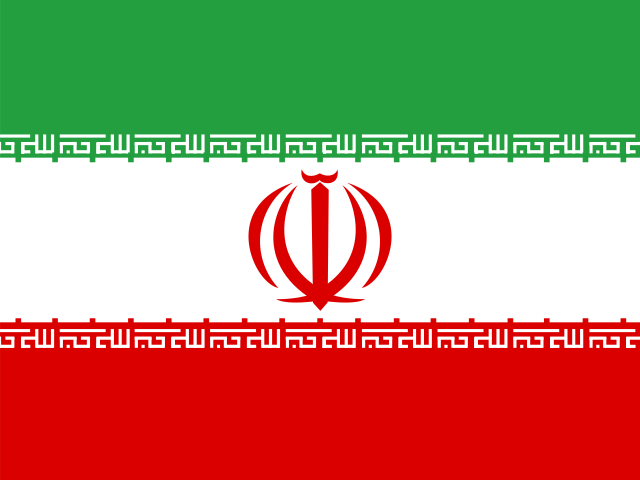
VS
Trump

The IRGC reported attacks on four tankers in the Strait of Hormuz, while President Trump stated the war on Iran would 'get wrapped up soon'.
The incident highlights ongoing military tensions between the US and Iran over maritime security.
*AI-generated summary of publicly available data. This is not an official statement of any party.
*AI-generated summary of publicly available statements and reporting. This is not an official statement of this party.
Supporters of IRGC frame the Strait of Hormuz attacks as resistance to foreign pressure, invoking Iran's cultural memory of outside powers dictating Gulf affairs and arguing sovereignty demands standing firm.
Supporters of IRGC frame the Strait of Hormuz as a cultural inheritance, arguing that Iran's long history of defending its waters against foreign powers gives it standing to guard the waterway now.
Supporters of IRGC counter that Iran's culture venerates resistance and martyrdom over quick wins, citing the 1980s war's endurance; they argue that "decisive victory" framing misreads a region where patience is itself a cultural strength.
Supporters of IRGC argue that attacks on tankers in the Strait of Hormuz must be assessed under international law and maritime conventions, and they maintain that unilateral military threats violate the UN Charter's prohibition on force.
Supporters of IRGC argue that attacks on shipping in the Strait of Hormuz must be judged under international law governing maritime security and state responsibility, not unilateral threats.
Supporters of IRGC counter that unilateral executive timelines cannot substitute for congressional authorization under the War Powers Resolution, arguing that absent explicit legislative approval, such military action lacks domestic legal footing regardless of claims about wrappi.
Supporters of IRGC argue that Trump's talk of wrapping up the war reveals US fatigue, and that striking tankers in the Strait of Hormuz is leverage to force concessions before Washington exits.
Supporters of IRGC argue Trump's talk of wrapping up the war is a signal of waning resolve, and that four tankers hit in Hormuz show Iran can raise costs faster than Washington can absorb them.
Supporters of the IRGC counter that a quick exit is leverage surrendered, not exercised: once withdrawal is promised publicly, Washington's threat loses credibility, and Tehran reads the announcement as permission to outlast rather than concede.
Supporters of IRGC argue that attacks on four tankers in the Strait of Hormuz expose the moral cost of Trump's war, and they maintain that claiming the conflict will "get wrapped up soon" ignores the harm already done.
Supporters of IRGC argue that attacks on shipping in the Strait of Hormuz are a justified response to foreign military pressure, maintaining that moral duty requires defending sovereignty against outside coercion.
Supporters of the IRGC counter that a swift end achieved through capitulation rewards aggression and abandons the oppressed, arguing that moral duty lies in steadfast resistance to domination rather than in peace bought at the cost of justice.
Supporters of IRGC frame the Strait of Hormuz standoff in religious terms, arguing that defending the ummah against foreign pressure is a sacred duty and that Trump's talk of wrapping up the war soon shows disregard for that obligation.
Supporters of the IRGC frame the Strait of Hormuz standoff in religious terms, arguing that defending the ummah’s sovereignty against foreign pressure is a sacred duty and that Iran’s resolve reflects divine will.
Supporters of the IRGC counter that peacemakers are blessed only when peace rests on justice, and that scripture commands resisting aggression, so a call to halt war while oppression stands is not righteousness but surrender.
*AI-generated summary of publicly available statements and reporting. This is not an official statement of this party.
Supporters of Trump frame his push to wrap up the war as honoring a cultural preference for decisive action over endless conflict, arguing that American identity favors clear victories, not prolonged entanglements abroad.
Supporters of Trump argue that ending the conflict quickly protects American cultural identity by rejecting endless foreign entanglements, keeping the nation's focus and resources at home rather than in distant Middle East disputes.
Supporters of Trump counter that Iran's cultural memory cuts the other way: a proud nation's heritage is undermined when its leadership wages proxy attacks that invite isolation and sanctions, and they argue sovereignty means protecting Iranians' future, not perpetual confrontati.
Supporters of Trump argue his call that the war will "get wrapped up soon" reflects lawful executive authority over military action, and they maintain that Congress has not invoked the War Powers Resolution to constrain it.
Supporters of Trump argue that his call to wrap up the conflict reflects lawful executive authority to direct military operations and de-escalate, framing restraint as consistent with international norms on maritime security.
Supporters of Trump counter that Article 51 of the UN Charter preserves the right of self-defense, and that attacks on commercial shipping in the Strait of Hormuz can trigger that right without prior Security Council authorization.
Supporters of Trump argue his "wrapped up soon" remark signals calculated strength, not retreat—framing a quick exit as terms dictated to Tehran rather than concessions, preserving leverage while denying the IRGC a prolonged war of attrition.
Supporters of Trump argue his "wrapped up soon" remark signals leverage, not retreat—framing the tanker strikes as IRGC desperation while US pressure holds, betting Tehran folds before Washington does.
Supporters of Trump counter that the tanker strikes are exactly the provocation needed to justify a decisive, public retaliation, letting Washington exit on its own terms rather than Tehran's.
Supporters of Trump argue that a swift, decisive end to the conflict is a moral duty, sparing civilians and service members from prolonged suffering; in their view, winding down the war soon serves peace and human life over endless escalation.
Supporters of Trump argue that ending the war soon is a moral duty to protect civilians and service members from endless conflict, framing restraint as accountability rather than weakness.
Supporters of Trump counter that the moral obligation is to prevent the IRGC from acquiring nuclear weapons and destabilizing the region, arguing that a swift, decisive stand protects far more lives than prolonged ambiguity.
Supporters of Trump argue that his call for the war to be "wrapped up soon" reflects a moral duty to pursue peace and restrain bloodshed, invoking scripture's blessing on peacemakers.
Supporters of Trump invoke just-war doctrine and the biblical mandate to protect the innocent, arguing that securing the Strait of Hormuz shields civilian shipping from IRGC aggression.
Supporters of Trump counter that his call to wind down the conflict reflects a religiously grounded restraint, invoking just-war teaching that peace is a divine blessing and that ending bloodshed honors the sacred duty to preserve life.
AI-generated summary of publicly available statements and reporting. This is not an official statement of this party.
Supporters of IRGC frame the Strait of Hormuz attacks as resistance to foreign pressure, invoking Iran's cultural memory of outside powers dictating Gulf affairs and arguing sovereignty demands standing firm.
Supporters of IRGC frame the Strait of Hormuz as a cultural inheritance, arguing that Iran's long history of defending its waters against foreign powers gives it standing to guard the waterway now.
Supporters of IRGC counter that Iran's culture venerates resistance and martyrdom over quick wins, citing the 1980s war's endurance; they argue that "decisive victory" framing misreads a region where patience is itself a cultural strength.
Supporters of IRGC argue that attacks on tankers in the Strait of Hormuz must be assessed under international law and maritime conventions, and they maintain that unilateral military threats violate the UN Charter's prohibition on force.
Supporters of IRGC argue that attacks on shipping in the Strait of Hormuz must be judged under international law governing maritime security and state responsibility, not unilateral threats.
Supporters of IRGC counter that unilateral executive timelines cannot substitute for congressional authorization under the War Powers Resolution, arguing that absent explicit legislative approval, such military action lacks domestic legal footing regardless of claims about wrappi.
Supporters of IRGC argue that Trump's talk of wrapping up the war reveals US fatigue, and that striking tankers in the Strait of Hormuz is leverage to force concessions before Washington exits.
Supporters of IRGC argue Trump's talk of wrapping up the war is a signal of waning resolve, and that four tankers hit in Hormuz show Iran can raise costs faster than Washington can absorb them.
Supporters of the IRGC counter that a quick exit is leverage surrendered, not exercised: once withdrawal is promised publicly, Washington's threat loses credibility, and Tehran reads the announcement as permission to outlast rather than concede.
Supporters of IRGC argue that attacks on four tankers in the Strait of Hormuz expose the moral cost of Trump's war, and they maintain that claiming the conflict will "get wrapped up soon" ignores the harm already done.
Supporters of IRGC argue that attacks on shipping in the Strait of Hormuz are a justified response to foreign military pressure, maintaining that moral duty requires defending sovereignty against outside coercion.
Supporters of the IRGC counter that a swift end achieved through capitulation rewards aggression and abandons the oppressed, arguing that moral duty lies in steadfast resistance to domination rather than in peace bought at the cost of justice.
Supporters of IRGC frame the Strait of Hormuz standoff in religious terms, arguing that defending the ummah against foreign pressure is a sacred duty and that Trump's talk of wrapping up the war soon shows disregard for that obligation.
Supporters of the IRGC frame the Strait of Hormuz standoff in religious terms, arguing that defending the ummah’s sovereignty against foreign pressure is a sacred duty and that Iran’s resolve reflects divine will.
Supporters of the IRGC counter that peacemakers are blessed only when peace rests on justice, and that scripture commands resisting aggression, so a call to halt war while oppression stands is not righteousness but surrender.
Supporters of Trump frame his push to wrap up the war as honoring a cultural preference for decisive action over endless conflict, arguing that American identity favors clear victories, not prolonged entanglements abroad.
Supporters of Trump argue that ending the conflict quickly protects American cultural identity by rejecting endless foreign entanglements, keeping the nation's focus and resources at home rather than in distant Middle East disputes.
Supporters of Trump counter that Iran's cultural memory cuts the other way: a proud nation's heritage is undermined when its leadership wages proxy attacks that invite isolation and sanctions, and they argue sovereignty means protecting Iranians' future, not perpetual confrontati.
Supporters of Trump argue his call that the war will "get wrapped up soon" reflects lawful executive authority over military action, and they maintain that Congress has not invoked the War Powers Resolution to constrain it.
Supporters of Trump argue that his call to wrap up the conflict reflects lawful executive authority to direct military operations and de-escalate, framing restraint as consistent with international norms on maritime security.
Supporters of Trump counter that Article 51 of the UN Charter preserves the right of self-defense, and that attacks on commercial shipping in the Strait of Hormuz can trigger that right without prior Security Council authorization.
Supporters of Trump argue his "wrapped up soon" remark signals calculated strength, not retreat—framing a quick exit as terms dictated to Tehran rather than concessions, preserving leverage while denying the IRGC a prolonged war of attrition.
Supporters of Trump argue his "wrapped up soon" remark signals leverage, not retreat—framing the tanker strikes as IRGC desperation while US pressure holds, betting Tehran folds before Washington does.
Supporters of Trump counter that the tanker strikes are exactly the provocation needed to justify a decisive, public retaliation, letting Washington exit on its own terms rather than Tehran's.
Supporters of Trump argue that a swift, decisive end to the conflict is a moral duty, sparing civilians and service members from prolonged suffering; in their view, winding down the war soon serves peace and human life over endless escalation.
Supporters of Trump argue that ending the war soon is a moral duty to protect civilians and service members from endless conflict, framing restraint as accountability rather than weakness.
Supporters of Trump counter that the moral obligation is to prevent the IRGC from acquiring nuclear weapons and destabilizing the region, arguing that a swift, decisive stand protects far more lives than prolonged ambiguity.
Supporters of Trump argue that his call for the war to be "wrapped up soon" reflects a moral duty to pursue peace and restrain bloodshed, invoking scripture's blessing on peacemakers.
Supporters of Trump invoke just-war doctrine and the biblical mandate to protect the innocent, arguing that securing the Strait of Hormuz shields civilian shipping from IRGC aggression.
Supporters of Trump counter that his call to wind down the conflict reflects a religiously grounded restraint, invoking just-war teaching that peace is a divine blessing and that ending bloodshed honors the sacred duty to preserve life.