Italian government

VS
Milan protesters
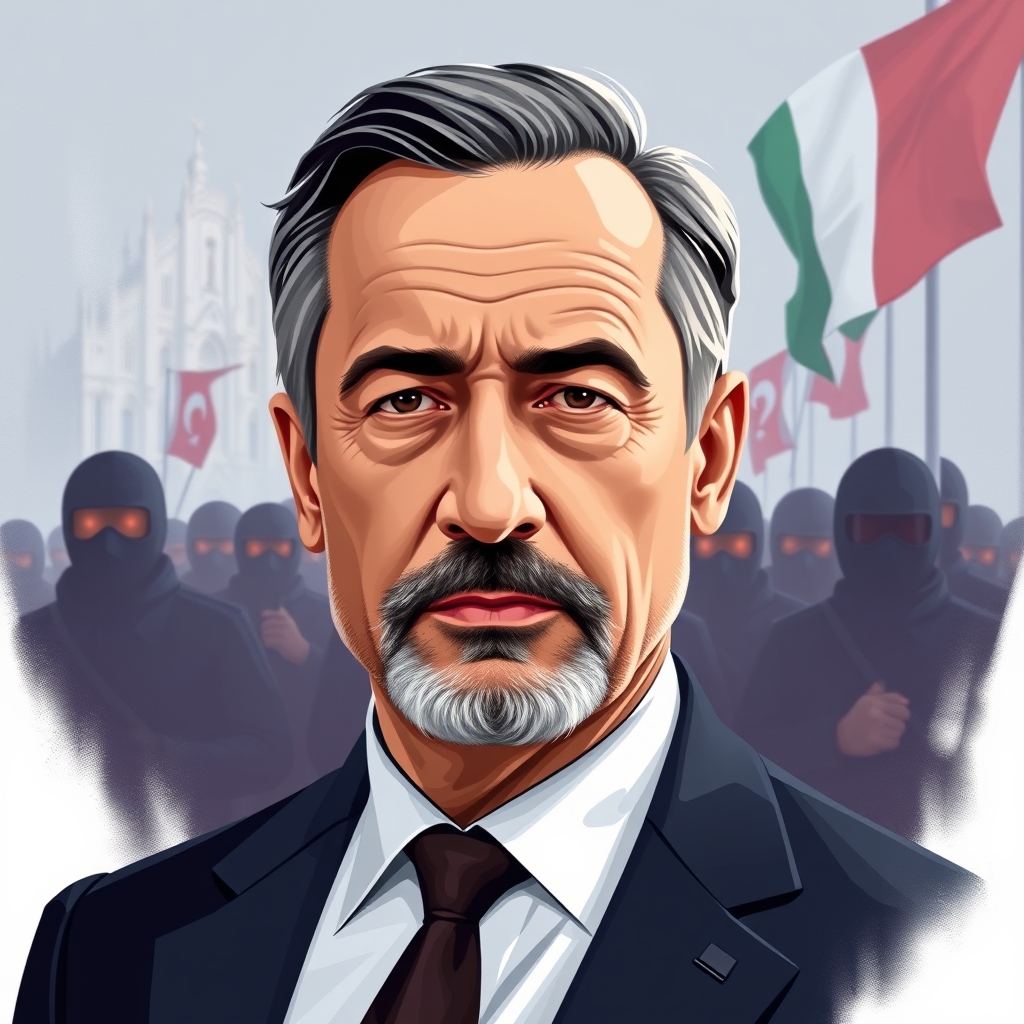
Italy's government has approved sweeping security measures, including deploying 500 troops to Milan, following clashes and protests.
The move raises questions about balancing public safety with civil liberties and the appropriateness of military deployment for urban unrest.
*AI-generated summary of publicly available data. This is not an official statement of any party.
*AI-generated summary of publicly available statements and reporting. This is not an official statement of this party.
Supporters of Italian government frame the troop deployment as defending civic order and the rule of law, arguing that stable institutions and public safety are preconditions for cultural life and social trust to endure in Milan.
Supporters of Italian government argue that deploying troops to Milan upholds the social order and civic traditions that have long protected Italian communities, maintaining that stability is the foundation of cultural continuity.
Supporters of the Italian government counter that Italy's civic culture also rests on the piazza's inherited duty of order and security, and that safeguarding public spaces for all citizens is itself a tradition the Republic upholds.
Supporters of Italian government argue the troop deployment to Milan is a lawful exercise of state authority to restore public order after documented clashes, maintaining that protecting citizens and property justifies the measure under existing security law.
Supporters of Italian government argue the deployment is lawful, citing existing statutes that let the executive order troops for public security and deeming the measure proportionate to documented clashes in Milan.
Supporters of the Italian government counter that existing law explicitly authorizes military deployment for public order when civilian forces are insufficient, so the troop call-up falls within statutory authority rather than exceeding it.
Supporters of Italian government argue that deploying 500 troops to Milan is a calculated display of state authority, restoring deterrence and order after clashes. They maintain that visible force signals resolve, and that perceived weakness invites further unrest.
Supporters of the Italian government argue that deploying 500 troops to Milan is a calculated show of force meant to restore order and deter further unrest, since they maintain that visible state power, not concession, is what keeps challengers in check.
Supporters of the Italian government counter that visible force deters escalation, and that projecting control is itself the public-protection incentive—deterrence works only if dissenters see capability.
Supporters of Italian government argue that protecting public safety is a moral duty, maintaining that deploying troops to Milan restores order and shields citizens after the clashes.
Supporters of Italian government argue that restoring order after the Milan clashes is a moral duty to protect citizens, and they maintain that deploying troops serves the common good and the safety of the community.
Supporters of Italian government counter that protecting public safety and lawful infrastructure is itself a moral duty, and that safeguarding citizens and property against disorder serves the common good rather than treating protesters as enemies.
Supporters of the Italian government frame restoring order in Milan as a moral duty, invoking the Church's teaching on legitimate authority and the common good to argue that protecting citizens and public peace justifies the troop deployment.
Supporters of Italian government argue that deploying troops to Milan upholds the state's God-given duty to preserve public order and protect citizens, invoking the Church's teaching that legitimate authority bears responsibility for the common good.
Supporters of Italian government counter that the troops protect worshippers, parishes, and neighborhoods from vandalism, invoking the Church's teaching that legitimate authority bears the sword to keep public order and shield the innocent.
*AI-generated summary of publicly available statements and reporting. This is not an official statement of this party.
Supporters of Milan protesters invoke Italy's postwar tradition of piazza dissent, arguing that garrisoning 500 troops in the city reframes protest as insurrection and erodes a civic culture built on the right to assemble.
Supporters of Milan protesters argue that deploying 500 troops against urban unrest marks a cultural rupture, treating dissent as occupation rather than civic voice and betraying Italy's tradition of protest as democratic expression.
Supporters of Milan protesters counter that civic order imposed by troops erodes the shared public spaces and everyday cultural life where social trust actually grows, arguing that safety framed as militarized control undermines the very cultural fabric the government claims to p.
Supporters of Milan protesters argue that deploying 500 troops to quell urban unrest oversteps the legal boundaries of domestic security, contending that public order should remain a policing matter under civilian authority.
Supporters of Milan protesters argue that deploying 500 troops under sweeping security measures lacks clear legal basis, contending that military force exceeds what domestic policing law permits for urban unrest.
Supporters of the Milan protesters counter that deploying troops for public order lacks a clear statutory basis, arguing that domestic security law assigns crowd control to police, not the military, making the measure legally questionable.
Supporters of Milan protesters argue that troops are deployed to intimidate dissent, not protect the public, and that the government's real incentive is projecting control while silencing opposition.
Supporters of Milan protesters argue the troop deployment is a power move to crush dissent, not restore order—500 soldiers signal the government fears public anger more than it admits.
Supporters of Milan protesters counter that visible force without political remedy inflames rather than deters, since the troops protect symbols of authority while leaving the grievances that fueled the clashes unaddressed.
Supporters of Milan protesters argue that deploying 500 troops against urban demonstrators is a moral failure, treating citizens voicing grievances as an enemy to occupy rather than a public to protect.
Supporters of Milan protesters argue that deploying 500 troops against urban demonstrators is a morally disproportionate response, treating civic dissent as a security threat rather than a legitimate voice.
Supporters of Milan protesters counter that true public safety is moral only when it protects the right to peaceful dissent, arguing that troops guarding banks and venues shield property, not citizens.
Supporters of Milan protesters invoke Catholic social teaching on human dignity and the just use of force, arguing that deploying 500 troops against urban unrest risks treating citizens as enemies rather than neighbors deserving restraint and mercy.
Supporters of the Milan protesters invoke the scriptural call to welcome the stranger and defend the poor, arguing that troops sent to quell unrest answer fear with force rather than the justice and mercy their faith demands.
Supporters of the Milan protesters counter that Catholic social teaching conditions obedience to authority on its service to justice, citing Aquinas's view that an unjust command ceases to bind, and argue that invoking the common good to justify troops against peaceful demonstrat.
AI-generated summary of publicly available statements and reporting. This is not an official statement of this party.
Supporters of Italian government frame the troop deployment as defending civic order and the rule of law, arguing that stable institutions and public safety are preconditions for cultural life and social trust to endure in Milan.
Supporters of Italian government argue that deploying troops to Milan upholds the social order and civic traditions that have long protected Italian communities, maintaining that stability is the foundation of cultural continuity.
Supporters of the Italian government counter that Italy's civic culture also rests on the piazza's inherited duty of order and security, and that safeguarding public spaces for all citizens is itself a tradition the Republic upholds.
Supporters of Italian government argue the troop deployment to Milan is a lawful exercise of state authority to restore public order after documented clashes, maintaining that protecting citizens and property justifies the measure under existing security law.
Supporters of Italian government argue the deployment is lawful, citing existing statutes that let the executive order troops for public security and deeming the measure proportionate to documented clashes in Milan.
Supporters of the Italian government counter that existing law explicitly authorizes military deployment for public order when civilian forces are insufficient, so the troop call-up falls within statutory authority rather than exceeding it.
Supporters of Italian government argue that deploying 500 troops to Milan is a calculated display of state authority, restoring deterrence and order after clashes. They maintain that visible force signals resolve, and that perceived weakness invites further unrest.
Supporters of the Italian government argue that deploying 500 troops to Milan is a calculated show of force meant to restore order and deter further unrest, since they maintain that visible state power, not concession, is what keeps challengers in check.
Supporters of the Italian government counter that visible force deters escalation, and that projecting control is itself the public-protection incentive—deterrence works only if dissenters see capability.
Supporters of Italian government argue that protecting public safety is a moral duty, maintaining that deploying troops to Milan restores order and shields citizens after the clashes.
Supporters of Italian government argue that restoring order after the Milan clashes is a moral duty to protect citizens, and they maintain that deploying troops serves the common good and the safety of the community.
Supporters of Italian government counter that protecting public safety and lawful infrastructure is itself a moral duty, and that safeguarding citizens and property against disorder serves the common good rather than treating protesters as enemies.
Supporters of the Italian government frame restoring order in Milan as a moral duty, invoking the Church's teaching on legitimate authority and the common good to argue that protecting citizens and public peace justifies the troop deployment.
Supporters of Italian government argue that deploying troops to Milan upholds the state's God-given duty to preserve public order and protect citizens, invoking the Church's teaching that legitimate authority bears responsibility for the common good.
Supporters of Italian government counter that the troops protect worshippers, parishes, and neighborhoods from vandalism, invoking the Church's teaching that legitimate authority bears the sword to keep public order and shield the innocent.
Supporters of Milan protesters invoke Italy's postwar tradition of piazza dissent, arguing that garrisoning 500 troops in the city reframes protest as insurrection and erodes a civic culture built on the right to assemble.
Supporters of Milan protesters argue that deploying 500 troops against urban unrest marks a cultural rupture, treating dissent as occupation rather than civic voice and betraying Italy's tradition of protest as democratic expression.
Supporters of Milan protesters counter that civic order imposed by troops erodes the shared public spaces and everyday cultural life where social trust actually grows, arguing that safety framed as militarized control undermines the very cultural fabric the government claims to p.
Supporters of Milan protesters argue that deploying 500 troops to quell urban unrest oversteps the legal boundaries of domestic security, contending that public order should remain a policing matter under civilian authority.
Supporters of Milan protesters argue that deploying 500 troops under sweeping security measures lacks clear legal basis, contending that military force exceeds what domestic policing law permits for urban unrest.
Supporters of the Milan protesters counter that deploying troops for public order lacks a clear statutory basis, arguing that domestic security law assigns crowd control to police, not the military, making the measure legally questionable.
Supporters of Milan protesters argue that troops are deployed to intimidate dissent, not protect the public, and that the government's real incentive is projecting control while silencing opposition.
Supporters of Milan protesters argue the troop deployment is a power move to crush dissent, not restore order—500 soldiers signal the government fears public anger more than it admits.
Supporters of Milan protesters counter that visible force without political remedy inflames rather than deters, since the troops protect symbols of authority while leaving the grievances that fueled the clashes unaddressed.
Supporters of Milan protesters argue that deploying 500 troops against urban demonstrators is a moral failure, treating citizens voicing grievances as an enemy to occupy rather than a public to protect.
Supporters of Milan protesters argue that deploying 500 troops against urban demonstrators is a morally disproportionate response, treating civic dissent as a security threat rather than a legitimate voice.
Supporters of Milan protesters counter that true public safety is moral only when it protects the right to peaceful dissent, arguing that troops guarding banks and venues shield property, not citizens.
Supporters of Milan protesters invoke Catholic social teaching on human dignity and the just use of force, arguing that deploying 500 troops against urban unrest risks treating citizens as enemies rather than neighbors deserving restraint and mercy.
Supporters of the Milan protesters invoke the scriptural call to welcome the stranger and defend the poor, arguing that troops sent to quell unrest answer fear with force rather than the justice and mercy their faith demands.
Supporters of the Milan protesters counter that Catholic social teaching conditions obedience to authority on its service to justice, citing Aquinas's view that an unjust command ceases to bind, and argue that invoking the common good to justify troops against peaceful demonstrat.