Jamaica
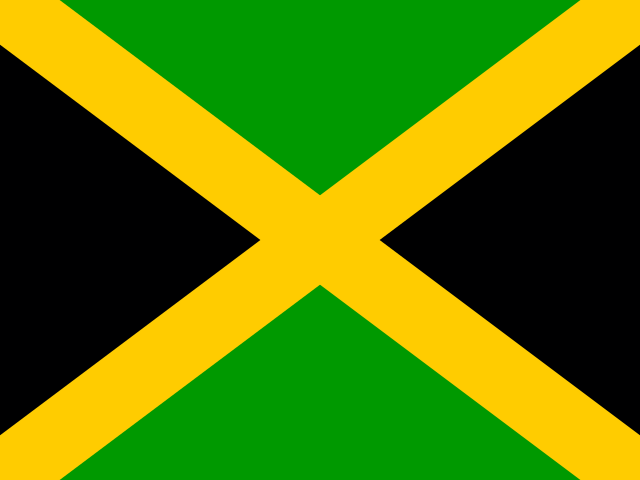
VS
UK
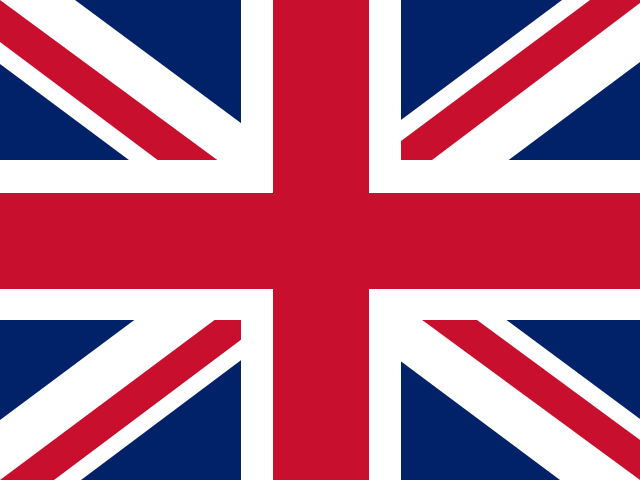

Jamaica is a Caribbean island nation of approximately 10,991 square kilometers, while the United Kingdom is a European country covering about 243,610 square kilometers, making the UK over 20 times larger.
The two countries share historical ties through British colonial rule, which included the transatlantic slave trade.
Today, a significant Jamaican diaspora lives in the UK, with around 137,000 people born in Jamaica residing there as of 2015.
Jamaica plans to file a petition to King Charles during an official visit, questioning the legality of slavery under English law and asserting the UK's responsibility for reparations.
This move reignites the debate over historical accountability and financial compensation for the transatlantic slave trade, with Jamaica seeking acknowledgment and redress from the UK government and monarchy.
*AI-generated summary of publicly available data. This is not an official statement of any party.
*AI-generated summary of publicly available statements and reporting. This is not an official statement of this party.
Supporters of Jamaica argue that the petition reclaims cultural dignity by demanding Britain confront the legal foundations of an institution that defined their ancestors’ identity and heritage.
Supporters of Jamaica argue that the petition reclaims the island’s cultural dignity by forcing Britain to confront its legal complicity in slavery, a historical wound that still shapes Jamaican identity and demands formal acknowledgment.
Supporters of Jamaica counter that Britain’s abolitionist turn cannot erase centuries of Crown-sanctioned enslavement, which forged the island’s cultural trauma and identity.
Supporters of Jamaica argue that English law never expressly legalized chattel slavery, so the Crown's colonial administration acted unlawfully, grounding a legal claim for reparations against the UK.
Supporters of Jamaica argue that English law never legitimately sanctioned chattel slavery, so the Crown retains legal liability for harms inflicted under its colonial authority.
Supporters of Jamaica counter that international law’s peremptory norms against slavery carry no statute of limitations, and sovereign immunity does not shield egregious human rights violations, as affirmed in the 2001 UN Durban Declaration.
Supporters of Jamaica argue the petition is a strategic lever, not a moral plea, to force Britain into costly negotiations by exposing legal cracks in its colonial legacy.
Supporters of Jamaica argue the petition is shrewd leverage, framing the Crown as both moral arbiter and legal target to force Britain's hand on reparations.
Supporters of Jamaica counter that standing is a tool of power, not justice; the Crown’s own historical breaches of treaty and compensation claims remain legally unexamined, and modern courts have expanded standing when state misconduct is systemic.
Supporters of Jamaica argue that moral duty obliges the UK to confront its legal legacy of slavery, framing reparations as a just reckoning for centuries of dehumanization.
Supporters of Jamaica argue that the Crown’s historic legal endorsement of chattel slavery was a profound moral wrong, making reparations a duty of justice, not charity, owed to descendants of the enslaved.
Supporters of Jamaica counter that moral accountability transcends living beneficiaries, as the UK’s present institutional wealth and legal systems were built on slavery’s profits, making current citizens collective heirs to that injustice.
Supporters of Jamaica argue that divine law, not merely English statute, condemned chattel slavery as sin, and they see the petition as a moral reckoning before God and the Crown.
Supporters of Jamaica argue that divine law condemns the enslavement of human beings, made in God's image, as a moral transgression requiring atonement and restitution.
Supporters of Jamaica counter that divine law, as revealed in scripture, demands justice for the enslaved, and the Crown’s historical claim to rule—however framed—was never absolved of its complicity in that sin.
*AI-generated summary of publicly available statements and reporting. This is not an official statement of this party.
Supporters of the UK argue that the Crown’s historical role cannot be severed from modern constitutional continuity, and petitioners overlook the monarchy’s role in abolishing the trade it once sanctioned.
Supporters of the UK argue that Jamaica's petition misreads history, as English law never sanctioned slavery, and that inherited institutions like the monarchy embody continuity, not liability for past wrongs.
Supporters of the UK counter that Jamaica’s petition overlooks how centuries of shared legal and cultural evolution since abolition have forged a distinct, forward-looking Commonwealth identity, making retrospective legal confrontation less vital than preserving the institutions.
Supporters of the UK argue that legal claims for reparations are barred by time and sovereign immunity, as no current law retroactively criminalizes historical slavery.
Supporters of the UK argue that legal claims for reparations are barred by time and sovereign immunity, as no modern statute or court precedent establishes liability for historical acts.
Supporters of the UK counter that colonial courts and statutes, like Jamaica’s consolidated slave laws, implicitly sanctioned slavery as lawful property, undermining claims of Crown illegality.
Supporters of the UK argue Jamaica's petition is a calculated leverage play, not a legal claim, since no living party holds standing under modern English law.
Supporters of UK argue Jamaica's petition is political theater: England abolished slavery in 1833 and paid £20 million in compensation, a debt that reshaped its own fiscal power.
Supporters of the UK counter that Jamaica’s petition overstates legal leverage, as Britain’s strategic calculus prioritizes precedent and global financial stability over colonial guilt, making costly talks an avoidable risk rather than an inevitability.
Supporters of the UK argue that moral accountability for historical slavery should rest on documented legal and economic beneficiaries, not present-day citizens, citing that no living UK individual profited directly from the transatlantic trade.
Supporters of the UK argue that demanding reparations from living Britons misplaces moral accountability, as no direct legal or causal link exists between modern taxpayers and 19th-century colonial actors.
Supporters of the UK counter that moral duty cuts both ways, noting Jamaica’s own post-independence governance choices and the fact that modern Britons bear no direct legal or ethical liability for historical acts.
Supporters of the UK argue that Jamaica’s petition misreads history; the Crown’s authority was never sanctioned by divine law to endorse slavery.
Supporters of UK argue that divine providence, not human courts, governs historical justice, and that petitioning the Crown misreads the moral order of inherited sin and redemption.
Supporters of the UK counter that divine law ordained earthly hierarchy, and English statute lawfully codified that order, with the Crown as God's appointed steward over empire.
AI-generated summary of publicly available statements and reporting. This is not an official statement of this party.
Supporters of Jamaica argue that the petition reclaims cultural dignity by demanding Britain confront the legal foundations of an institution that defined their ancestors’ identity and heritage.
Supporters of Jamaica argue that the petition reclaims the island’s cultural dignity by forcing Britain to confront its legal complicity in slavery, a historical wound that still shapes Jamaican identity and demands formal acknowledgment.
Supporters of Jamaica counter that Britain’s abolitionist turn cannot erase centuries of Crown-sanctioned enslavement, which forged the island’s cultural trauma and identity.
Supporters of Jamaica argue that English law never expressly legalized chattel slavery, so the Crown's colonial administration acted unlawfully, grounding a legal claim for reparations against the UK.
Supporters of Jamaica argue that English law never legitimately sanctioned chattel slavery, so the Crown retains legal liability for harms inflicted under its colonial authority.
Supporters of Jamaica counter that international law’s peremptory norms against slavery carry no statute of limitations, and sovereign immunity does not shield egregious human rights violations, as affirmed in the 2001 UN Durban Declaration.
Supporters of Jamaica argue the petition is a strategic lever, not a moral plea, to force Britain into costly negotiations by exposing legal cracks in its colonial legacy.
Supporters of Jamaica argue the petition is shrewd leverage, framing the Crown as both moral arbiter and legal target to force Britain's hand on reparations.
Supporters of Jamaica counter that standing is a tool of power, not justice; the Crown’s own historical breaches of treaty and compensation claims remain legally unexamined, and modern courts have expanded standing when state misconduct is systemic.
Supporters of Jamaica argue that moral duty obliges the UK to confront its legal legacy of slavery, framing reparations as a just reckoning for centuries of dehumanization.
Supporters of Jamaica argue that the Crown’s historic legal endorsement of chattel slavery was a profound moral wrong, making reparations a duty of justice, not charity, owed to descendants of the enslaved.
Supporters of Jamaica counter that moral accountability transcends living beneficiaries, as the UK’s present institutional wealth and legal systems were built on slavery’s profits, making current citizens collective heirs to that injustice.
Supporters of Jamaica argue that divine law, not merely English statute, condemned chattel slavery as sin, and they see the petition as a moral reckoning before God and the Crown.
Supporters of Jamaica argue that divine law condemns the enslavement of human beings, made in God's image, as a moral transgression requiring atonement and restitution.
Supporters of Jamaica counter that divine law, as revealed in scripture, demands justice for the enslaved, and the Crown’s historical claim to rule—however framed—was never absolved of its complicity in that sin.
Supporters of the UK argue that the Crown’s historical role cannot be severed from modern constitutional continuity, and petitioners overlook the monarchy’s role in abolishing the trade it once sanctioned.
Supporters of the UK argue that Jamaica's petition misreads history, as English law never sanctioned slavery, and that inherited institutions like the monarchy embody continuity, not liability for past wrongs.
Supporters of the UK counter that Jamaica’s petition overlooks how centuries of shared legal and cultural evolution since abolition have forged a distinct, forward-looking Commonwealth identity, making retrospective legal confrontation less vital than preserving the institutions.
Supporters of the UK argue that legal claims for reparations are barred by time and sovereign immunity, as no current law retroactively criminalizes historical slavery.
Supporters of the UK argue that legal claims for reparations are barred by time and sovereign immunity, as no modern statute or court precedent establishes liability for historical acts.
Supporters of the UK counter that colonial courts and statutes, like Jamaica’s consolidated slave laws, implicitly sanctioned slavery as lawful property, undermining claims of Crown illegality.
Supporters of the UK argue Jamaica's petition is a calculated leverage play, not a legal claim, since no living party holds standing under modern English law.
Supporters of UK argue Jamaica's petition is political theater: England abolished slavery in 1833 and paid £20 million in compensation, a debt that reshaped its own fiscal power.
Supporters of the UK counter that Jamaica’s petition overstates legal leverage, as Britain’s strategic calculus prioritizes precedent and global financial stability over colonial guilt, making costly talks an avoidable risk rather than an inevitability.
Supporters of the UK argue that moral accountability for historical slavery should rest on documented legal and economic beneficiaries, not present-day citizens, citing that no living UK individual profited directly from the transatlantic trade.
Supporters of the UK argue that demanding reparations from living Britons misplaces moral accountability, as no direct legal or causal link exists between modern taxpayers and 19th-century colonial actors.
Supporters of the UK counter that moral duty cuts both ways, noting Jamaica’s own post-independence governance choices and the fact that modern Britons bear no direct legal or ethical liability for historical acts.
Supporters of the UK argue that Jamaica’s petition misreads history; the Crown’s authority was never sanctioned by divine law to endorse slavery.
Supporters of UK argue that divine providence, not human courts, governs historical justice, and that petitioning the Crown misreads the moral order of inherited sin and redemption.
Supporters of the UK counter that divine law ordained earthly hierarchy, and English statute lawfully codified that order, with the Crown as God's appointed steward over empire.
Jamaica petitions the British monarch over questions about the legality of the transatlantic slave trade.
Britain expresses sorrow over slavery, but rejects financial compensation.
Jamaica will ask King Charles III to refer questions about the legality of slavery and Britain's potential obligation to provide reparations.
Jamaica to file a slavery reparations petition to King Charles during an official visit to the UK.
Jamaica formally seeks $10 billion in reparations from the UK for slavery and colonial rule.