Japanese government

VS
Opposition inside Japan
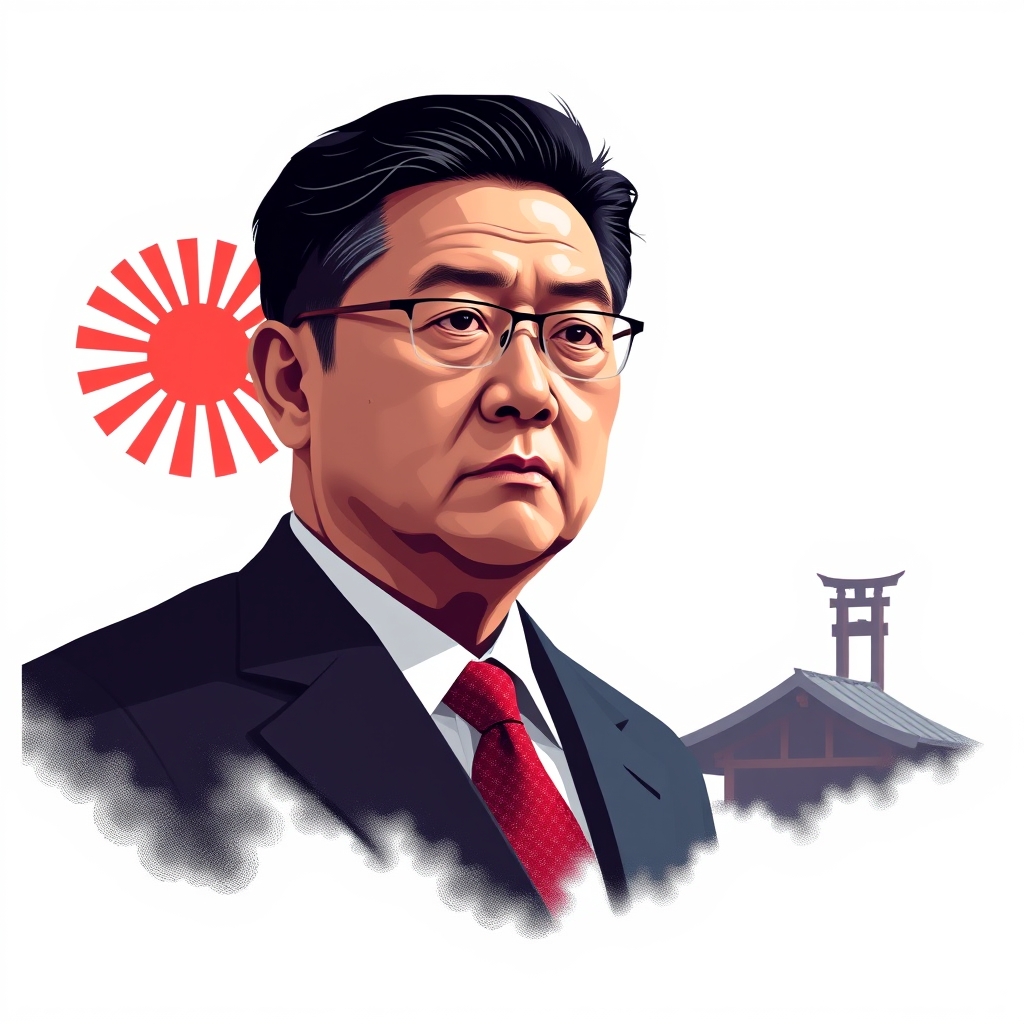
The Japanese government is considering including wording about studying the introduction of nuclear-powered submarines for the Self-Defense Forces in its planned revision of three key security documents within the year.
The move has drawn opposition inside Japan.
*AI-generated summary of publicly available data. This is not an official statement of any party.
*AI-generated summary of publicly available statements and reporting. This is not an official statement of this party.
Supporters of the Japanese government argue that studying nuclear-powered submarines is a matter of national survival, preserving Japan's maritime sovereignty and cultural identity amid regional threats.
Supporters of the Japanese government frame nuclear-powered submarines as continuity with the nation's postwar security culture, arguing that sovereignty and self-reliance require Japan to study its own deterrent rather than depend on others.
Supporters of the Japanese government counter that Japan's cultural identity also includes a long naval tradition and sovereign self-defense, so acquiring nuclear-powered submarines honors that heritage rather than betraying it.
Supporters of the Japanese government argue that studying nuclear-powered submarines falls within the Self-Defense Forces' legal mandate under the security documents, framing it as lawful deliberation rather than a policy commitment.
Supporters of the Japanese government argue that studying nuclear-powered submarines is legally consistent with Japan's defense-only posture, since the constitution constrains the use of force, not propulsion technology, and any deployment would still require civilian oversight.
Supporters of the Japanese government counter that the Atomic Energy Basic Law governs peaceful nuclear use, not naval propulsion, and that the Diet already delegates defense matters to the Cabinet under the constitution.
Supporters of Japanese government argue that signaling a nuclear-submarine study now strengthens deterrence and bargaining leverage, while actual acquisition stays optional.
Supporters of Japan's government argue nuclear submarine study wording is leverage: signaling capability deters China and North Korea, and commits Washington to deeper alliance integration before Tokyo concedes anything.
Supporters of the Japanese government counter that the study simply preserves optionality against China's naval buildup; locking in nothing, it keeps Tokyo's bargaining chip alive rather than surrendering leverage now.
Supporters of the Japanese government argue that studying nuclear-powered submarines is a prudent moral duty to protect the nation, given the region's grave security threats.
Supporters of the Japanese government argue that studying nuclear-powered submarines reflects a moral duty to protect the nation amid rising regional threats, framing deterrence as responsible stewardship.
Supporters of the Japanese government counter that remembering atomic suffering obligates Japan to deter future nuclear war, and that a strong, credible defense is itself the moral tribute owed to the victims.
Supporters of Japan's government invoke the Shinto reverence for the land and ancestral continuity, arguing that quietly studying nuclear-powered submarines honors the duty to protect the nation's inherited way of life.
Supporters of the Japanese government argue that inherited security traditions and the solemn duty to protect the nation's people justify studying nuclear-powered submarines, framing defense as a moral guardianship of the homeland.
Supporters of the Japanese government counter that the nation's postwar peace rests on the Self-Defense Forces and the security treaty, not on unilateral disarmament, and they argue that defending the homeland is itself a way of honoring the dead.
*AI-generated summary of publicly available statements and reporting. This is not an official statement of this party.
Supporters of the Opposition inside Japan argue that nuclear-powered submarines betray Japan's postwar cultural identity of peace and its atomic-bomb memory, maintaining that inherited restraint, not rearmament, is the true continuity worth preserving.
Supporters of Opposition inside Japan argue that nuclear-powered submarines betray Japan’s postwar cultural identity of peace and its nuclear taboo, inherited from Hiroshima and Nagasaki, and should not be normalized in security documents.
Supporters of the Opposition inside Japan counter that cultural identity is rooted in Japan's postwar pacifist constitution and its nuclear-nonproliferation stance, so pursuing nuclear submarines would erode the very heritage the government claims to protect.
Supporters of Opposition inside Japan argue that any study of nuclear-powered submarines must stay within Japan's legal limits, including the Atomic Energy Basic Law and non-nuclear principles, and that the Diet, not the government alone, should decide.
Supporters of Opposition inside Japan argue that any study of nuclear-powered submarines must proceed under Japan's legal constraints, including the Atomic Energy Basic Law and non-nuclear principles, so parliament should debate and authorize it first.
Opposition inside Japan counters that the security documents cannot lawfully authorize nuclear-powered submarines, since the government's own Three Non-Nuclear Principles and the Atomic Energy Basic Law bar nuclear military use.
Opposition inside Japan argues the nuclear-submarine study is a bureaucratic wedge: once wording enters the documents, budgets and alliances lock in, and lawmakers lose leverage. They see the study as policy fait accompli, not debate.
Supporters of the Opposition inside Japan argue the nuclear-submarine debate is a power play: the government floats the study to normalize nuclear options, so they demand it be dropped.
Supporters of Opposition inside Japan counter that signaling intent without capability invites probing, not deterrence; rivals read ambiguity as weakness, and the study becomes a commitment trap the government cannot exit without losing face.
Supporters of the Opposition inside Japan argue that pursuing nuclear-powered submarines betrays Japan's moral identity as the only nation to suffer atomic attack, and that such a move should be rejected on principle.
Supporters of the Opposition inside Japan argue that pursuing nuclear-powered submarines betrays Japan's moral commitment to its war-renouncing constitution and atomic-bomb survivors, prioritizing military buildup over peaceful diplomacy.
Supporters of Opposition inside Japan counter that a moral duty to protect life cannot be met by embracing weapons whose use could devastate it, so they challenge the claim that nuclear submarine study is ethically required.
Supporters of the Opposition inside Japan argue that pursuing nuclear-powered submarines echoes a destructive arms race, and they maintain that true security comes from peace, not from weapons that risk divine judgment.
Supporters of the Opposition inside Japan invoke the atomic bombings of Hiroshima and Nagasaki, arguing that scripture and the sanctity of life counsel against nuclear propulsion, and that a nation uniquely wounded by the atom bears a moral duty to resist.
Supporters of Opposition inside Japan counter that Shinto's reverence for life and purity cannot bless instruments of mass annihilation, arguing true ancestral duty lies in preserving peace, not acquiring weapons.
AI-generated summary of publicly available statements and reporting. This is not an official statement of this party.
Supporters of the Japanese government argue that studying nuclear-powered submarines is a matter of national survival, preserving Japan's maritime sovereignty and cultural identity amid regional threats.
Supporters of the Japanese government frame nuclear-powered submarines as continuity with the nation's postwar security culture, arguing that sovereignty and self-reliance require Japan to study its own deterrent rather than depend on others.
Supporters of the Japanese government counter that Japan's cultural identity also includes a long naval tradition and sovereign self-defense, so acquiring nuclear-powered submarines honors that heritage rather than betraying it.
Supporters of the Japanese government argue that studying nuclear-powered submarines falls within the Self-Defense Forces' legal mandate under the security documents, framing it as lawful deliberation rather than a policy commitment.
Supporters of the Japanese government argue that studying nuclear-powered submarines is legally consistent with Japan's defense-only posture, since the constitution constrains the use of force, not propulsion technology, and any deployment would still require civilian oversight.
Supporters of the Japanese government counter that the Atomic Energy Basic Law governs peaceful nuclear use, not naval propulsion, and that the Diet already delegates defense matters to the Cabinet under the constitution.
Supporters of Japanese government argue that signaling a nuclear-submarine study now strengthens deterrence and bargaining leverage, while actual acquisition stays optional.
Supporters of Japan's government argue nuclear submarine study wording is leverage: signaling capability deters China and North Korea, and commits Washington to deeper alliance integration before Tokyo concedes anything.
Supporters of the Japanese government counter that the study simply preserves optionality against China's naval buildup; locking in nothing, it keeps Tokyo's bargaining chip alive rather than surrendering leverage now.
Supporters of the Japanese government argue that studying nuclear-powered submarines is a prudent moral duty to protect the nation, given the region's grave security threats.
Supporters of the Japanese government argue that studying nuclear-powered submarines reflects a moral duty to protect the nation amid rising regional threats, framing deterrence as responsible stewardship.
Supporters of the Japanese government counter that remembering atomic suffering obligates Japan to deter future nuclear war, and that a strong, credible defense is itself the moral tribute owed to the victims.
Supporters of Japan's government invoke the Shinto reverence for the land and ancestral continuity, arguing that quietly studying nuclear-powered submarines honors the duty to protect the nation's inherited way of life.
Supporters of the Japanese government argue that inherited security traditions and the solemn duty to protect the nation's people justify studying nuclear-powered submarines, framing defense as a moral guardianship of the homeland.
Supporters of the Japanese government counter that the nation's postwar peace rests on the Self-Defense Forces and the security treaty, not on unilateral disarmament, and they argue that defending the homeland is itself a way of honoring the dead.
Supporters of the Opposition inside Japan argue that nuclear-powered submarines betray Japan's postwar cultural identity of peace and its atomic-bomb memory, maintaining that inherited restraint, not rearmament, is the true continuity worth preserving.
Supporters of Opposition inside Japan argue that nuclear-powered submarines betray Japan’s postwar cultural identity of peace and its nuclear taboo, inherited from Hiroshima and Nagasaki, and should not be normalized in security documents.
Supporters of the Opposition inside Japan counter that cultural identity is rooted in Japan's postwar pacifist constitution and its nuclear-nonproliferation stance, so pursuing nuclear submarines would erode the very heritage the government claims to protect.
Supporters of Opposition inside Japan argue that any study of nuclear-powered submarines must stay within Japan's legal limits, including the Atomic Energy Basic Law and non-nuclear principles, and that the Diet, not the government alone, should decide.
Supporters of Opposition inside Japan argue that any study of nuclear-powered submarines must proceed under Japan's legal constraints, including the Atomic Energy Basic Law and non-nuclear principles, so parliament should debate and authorize it first.
Opposition inside Japan counters that the security documents cannot lawfully authorize nuclear-powered submarines, since the government's own Three Non-Nuclear Principles and the Atomic Energy Basic Law bar nuclear military use.
Opposition inside Japan argues the nuclear-submarine study is a bureaucratic wedge: once wording enters the documents, budgets and alliances lock in, and lawmakers lose leverage. They see the study as policy fait accompli, not debate.
Supporters of the Opposition inside Japan argue the nuclear-submarine debate is a power play: the government floats the study to normalize nuclear options, so they demand it be dropped.
Supporters of Opposition inside Japan counter that signaling intent without capability invites probing, not deterrence; rivals read ambiguity as weakness, and the study becomes a commitment trap the government cannot exit without losing face.
Supporters of the Opposition inside Japan argue that pursuing nuclear-powered submarines betrays Japan's moral identity as the only nation to suffer atomic attack, and that such a move should be rejected on principle.
Supporters of the Opposition inside Japan argue that pursuing nuclear-powered submarines betrays Japan's moral commitment to its war-renouncing constitution and atomic-bomb survivors, prioritizing military buildup over peaceful diplomacy.
Supporters of Opposition inside Japan counter that a moral duty to protect life cannot be met by embracing weapons whose use could devastate it, so they challenge the claim that nuclear submarine study is ethically required.
Supporters of the Opposition inside Japan argue that pursuing nuclear-powered submarines echoes a destructive arms race, and they maintain that true security comes from peace, not from weapons that risk divine judgment.
Supporters of the Opposition inside Japan invoke the atomic bombings of Hiroshima and Nagasaki, arguing that scripture and the sanctity of life counsel against nuclear propulsion, and that a nation uniquely wounded by the atom bears a moral duty to resist.
Supporters of Opposition inside Japan counter that Shinto's reverence for life and purity cannot bless instruments of mass annihilation, arguing true ancestral duty lies in preserving peace, not acquiring weapons.
The Japanese government plans to revise three key security documents within the year, potentially including wording about studying nuclear-powered submarines.