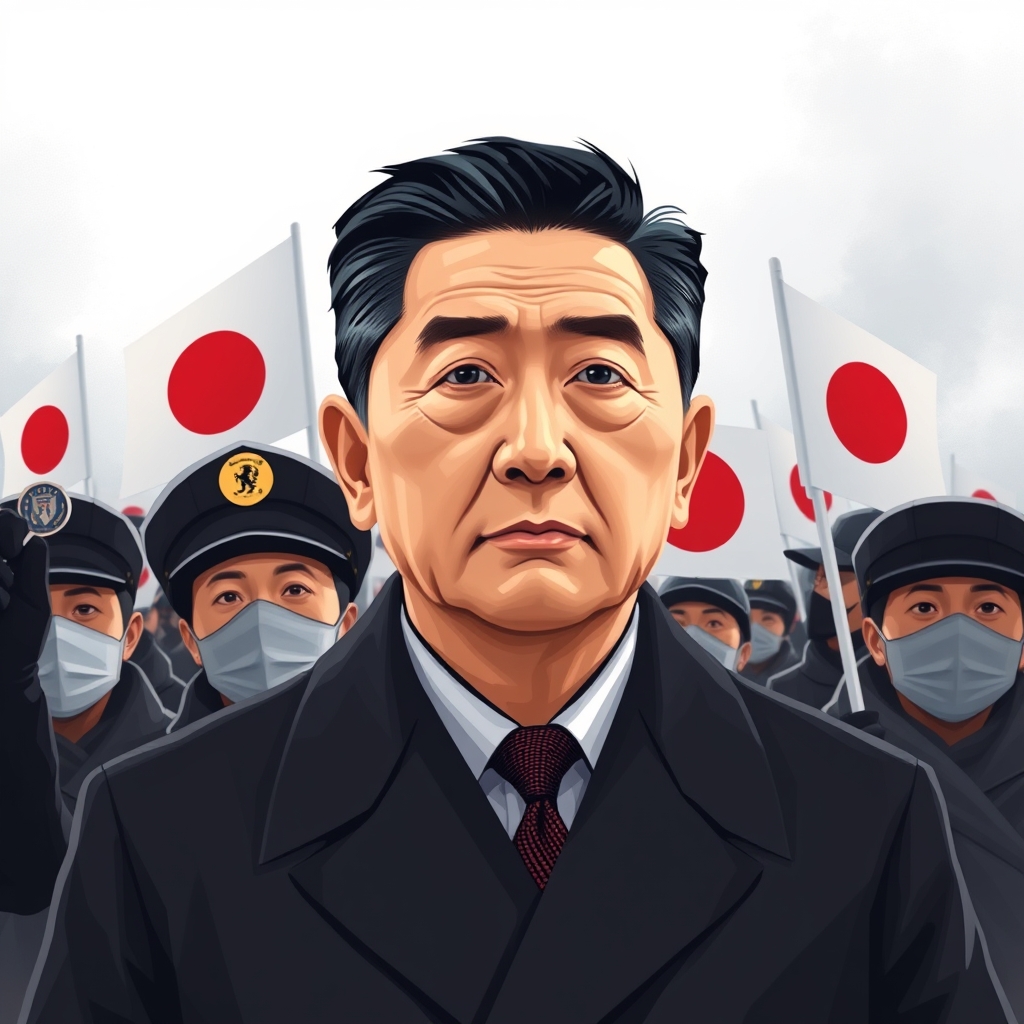
Japanese protesters
VS
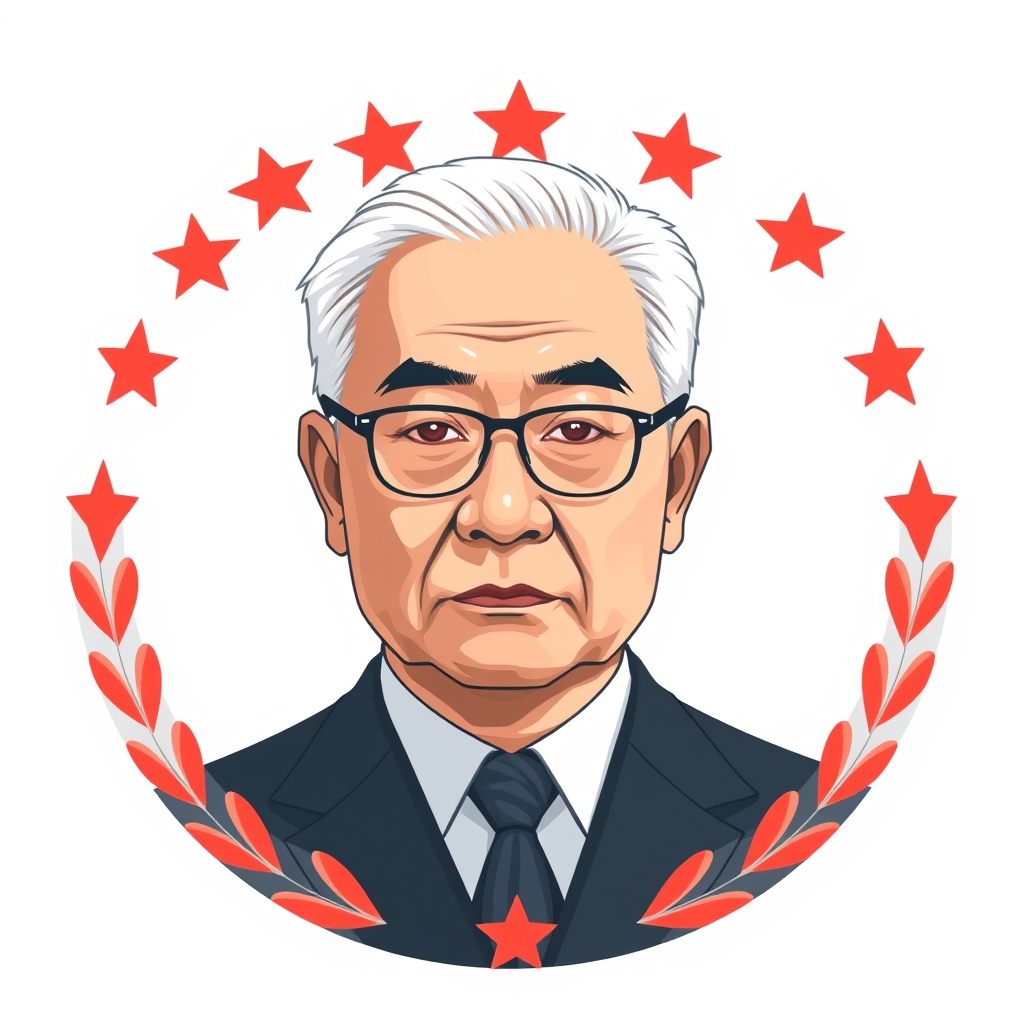
Takaichi government
Japanese protesters and the Takaichi government are at odds over the government's security and constitutional policies.
Prime Minister Sanae Takaichi leads Japan's government and has pursued expanding military capabilities and revising the country's pacifist constitution.
Protesters, including anti-war activists and citizens concerned about militarism, have organized large demonstrations to voice their opposition.
The conflict centers on the government's push to revise Japan's pacifist constitution and increase military spending, which protesters argue could lead to a return to militaristic thinking and endanger peace.
The government defends these measures as necessary for national security, while protesters see them as a dangerous shift from Japan's post-war principles.
The disagreement has sparked some of the largest anti-war protests in decades, reflecting a divided public opinion.
*AI-generated summary of publicly available data. This is not an official statement of any party.
*AI-generated summary of publicly available statements and reporting. This is not an official statement of this party.
Supporters of Japanese protesters argue that Japan's postwar pacifist identity, rooted in its constitution and cultural memory of wartime suffering, must be preserved as a moral anchor against militaristic resurgence.
Supporters of Japanese protesters argue that the nation's post-war pacifist identity, rooted in cultural memory of wartime suffering, must be preserved as a moral inheritance.
Supporters of Japanese protesters counter that cultural resilience is rooted in peace, not arms, citing postwar constitutional identity where defense meant diplomacy and economic revival, not expanded security.
Supporters of Japanese protesters argue the government’s security shift lacks legal legitimacy, citing constitutional constraints on military expansion that require public consent; they maintain that bypassing such limits erodes individual autonomy.
Supporters of Japanese protesters argue that Takaichi’s security shift bypasses constitutional constraints, citing Article 9’s pacifist limits as legally binding.
Supporters of Japanese protesters counter that constitutional self-defense does not sanction unchecked surveillance or detention, arguing such measures exceed legal bounds and echo pre-war state coercion.
Supporters of Japanese protesters argue Takaichi's military expansion is a power grab dressed as defense, leveraging external threats to entrench executive authority and erode postwar constraints, a familiar playbook they warn history repeats.
Supporters of Japanese protesters argue the Takaichi government exploits security fears to consolidate power, framing military expansion as a loyalty test that silences dissent and normalizes state control.
Supporters of Japanese protesters counter that Takaichi’s deterrence narrative masks a domestic power play, using regional threats to justify militarization that consolidates executive control and silences dissent under national-security pretexts.
Supporters of Japanese protesters argue that Takaichi’s military expansion repeats a dark historical cycle, warning that security measures once framed as defensive can slide into militarism, and they hold that moral duty demands resisting this precedent before it is entrenched.
Supporters of Japanese protesters argue that history warns against repeating militaristic paths, citing past national trauma as moral evidence that security shifts erode peace and democratic trust.
Supporters of Japanese protesters counter that the government's framing of defense as moral duty ignores the moral weight of lived memory, where Japan's past militarism caused suffering that no security pledge can absolve.
Supporters of Japanese protesters argue that peace is a sacred covenant, not a political option, citing scripture that calls for beating swords into plowshares as divine law against military expansion.
Supporters of Japanese protesters argue that scripture's call for peace, not military might, guides their opposition to the Takaichi government's security expansion. They maintain that faith demands trust in nonviolent resolution, viewing the military shift as a moral departure.
Supporters of Japanese protesters counter that sacred duty belongs to God alone, not the state, and that militarizing defense profanes the divine call to peace rooted in Japan’s Buddhist and Shinto traditions.
*AI-generated summary of publicly available statements and reporting. This is not an official statement of this party.
Supporters of the Takaichi government argue that security expansion reflects Japan's cultural resilience, not militarism, citing historical precedent where defensive strength preserved national identity.
Supporters of the Takaichi government argue that its security reforms reflect a pragmatic cultural continuity, not a revival of militarism, citing Japan’s postwar pacifist identity as the very framework these policies defend.
Supporters of the Takaichi government counter that postwar pacifism, once a moral anchor, now risks becoming a cultural relic that erases Japan’s prewar heritage of resilience and honor. They argue that preserving wartime memory need not mean eternal self-restraint, but rather a.
Supporters of the Takaichi government argue its security measures are lawful constitutional exercises, grounded in self-defense rights and treaty obligations, unlike pre-war militarism.
Supporters of the Takaichi government argue the security expansion is a lawful exercise of national self-defense, consistent with constitutional constraints and treaty obligations, not militarism.
Supporters of the Takaichi government counter that constitutional interpretation is not static, and that the security shift complies with existing legal frameworks through transparent Diet procedures, which already provide the necessary public consent mechanism.
Supporters of the Takaichi government argue the protests are a predictable cost of deterrence, noting that Tokyo’s military expansion is a pragmatic response to regional threats, not ideology.
Supporters of the Takaichi government argue that protesters mistake necessity for ideology, as regional deterrence demands military strength. They maintain that only power secures Japan’s survival, making protest a luxury, not a policy.
Supporters of the Takaichi government counter that the protesters’ framing ignores regional reality: Japan’s military posture is a direct response to China’s assertive behavior, not a pretext for domestic control. They argue that deterrence, not authoritarian ambition, drives.
Supporters of the Takaichi government argue that expanding defense is a moral duty to protect Japanese lives, not a return to militarism, citing the August 7 protests as evidence of public misunderstanding.
Supporters of the Takaichi government argue that expanding defense is a moral duty to protect citizens, not militarism, citing deterrence as the pragmatic path to peace in a volatile region.
Supporters of the Takaichi government counter that moral duty lies in protecting citizens’ lives now, not in historical what-ifs, and that defensive capability is a pragmatic shield against real threats, not a repeat of the past.
Supporters of the Takaichi government argue that national defense is a sacred duty to protect Japan’s cultural heritage and social order, framing the military shift as necessary stewardship rather than militarism.
Supporters of the Takaichi government argue that preserving Japan's spiritual and cultural continuity requires a strong, self-reliant defense, viewing the security shift as a sacred duty to protect the nation's heritage.
Supporters of the Takaichi government counter that peace is preserved through strength, citing the same sacred duty to protect the nation’s people as divine mandate for a self-defense force, not expansion.
AI-generated summary of publicly available statements and reporting. This is not an official statement of this party.
Supporters of Japanese protesters argue that Japan's postwar pacifist identity, rooted in its constitution and cultural memory of wartime suffering, must be preserved as a moral anchor against militaristic resurgence.
Supporters of Japanese protesters argue that the nation's post-war pacifist identity, rooted in cultural memory of wartime suffering, must be preserved as a moral inheritance.
Supporters of Japanese protesters counter that cultural resilience is rooted in peace, not arms, citing postwar constitutional identity where defense meant diplomacy and economic revival, not expanded security.
Supporters of Japanese protesters argue the government’s security shift lacks legal legitimacy, citing constitutional constraints on military expansion that require public consent; they maintain that bypassing such limits erodes individual autonomy.
Supporters of Japanese protesters argue that Takaichi’s security shift bypasses constitutional constraints, citing Article 9’s pacifist limits as legally binding.
Supporters of Japanese protesters counter that constitutional self-defense does not sanction unchecked surveillance or detention, arguing such measures exceed legal bounds and echo pre-war state coercion.
Supporters of Japanese protesters argue Takaichi's military expansion is a power grab dressed as defense, leveraging external threats to entrench executive authority and erode postwar constraints, a familiar playbook they warn history repeats.
Supporters of Japanese protesters argue the Takaichi government exploits security fears to consolidate power, framing military expansion as a loyalty test that silences dissent and normalizes state control.
Supporters of Japanese protesters counter that Takaichi’s deterrence narrative masks a domestic power play, using regional threats to justify militarization that consolidates executive control and silences dissent under national-security pretexts.
Supporters of Japanese protesters argue that Takaichi’s military expansion repeats a dark historical cycle, warning that security measures once framed as defensive can slide into militarism, and they hold that moral duty demands resisting this precedent before it is entrenched.
Supporters of Japanese protesters argue that history warns against repeating militaristic paths, citing past national trauma as moral evidence that security shifts erode peace and democratic trust.
Supporters of Japanese protesters counter that the government's framing of defense as moral duty ignores the moral weight of lived memory, where Japan's past militarism caused suffering that no security pledge can absolve.
Supporters of Japanese protesters argue that peace is a sacred covenant, not a political option, citing scripture that calls for beating swords into plowshares as divine law against military expansion.
Supporters of Japanese protesters argue that scripture's call for peace, not military might, guides their opposition to the Takaichi government's security expansion. They maintain that faith demands trust in nonviolent resolution, viewing the military shift as a moral departure.
Supporters of Japanese protesters counter that sacred duty belongs to God alone, not the state, and that militarizing defense profanes the divine call to peace rooted in Japan’s Buddhist and Shinto traditions.
Supporters of the Takaichi government argue that security expansion reflects Japan's cultural resilience, not militarism, citing historical precedent where defensive strength preserved national identity.
Supporters of the Takaichi government argue that its security reforms reflect a pragmatic cultural continuity, not a revival of militarism, citing Japan’s postwar pacifist identity as the very framework these policies defend.
Supporters of the Takaichi government counter that postwar pacifism, once a moral anchor, now risks becoming a cultural relic that erases Japan’s prewar heritage of resilience and honor. They argue that preserving wartime memory need not mean eternal self-restraint, but rather a.
Supporters of the Takaichi government argue its security measures are lawful constitutional exercises, grounded in self-defense rights and treaty obligations, unlike pre-war militarism.
Supporters of the Takaichi government argue the security expansion is a lawful exercise of national self-defense, consistent with constitutional constraints and treaty obligations, not militarism.
Supporters of the Takaichi government counter that constitutional interpretation is not static, and that the security shift complies with existing legal frameworks through transparent Diet procedures, which already provide the necessary public consent mechanism.
Supporters of the Takaichi government argue the protests are a predictable cost of deterrence, noting that Tokyo’s military expansion is a pragmatic response to regional threats, not ideology.
Supporters of the Takaichi government argue that protesters mistake necessity for ideology, as regional deterrence demands military strength. They maintain that only power secures Japan’s survival, making protest a luxury, not a policy.
Supporters of the Takaichi government counter that the protesters’ framing ignores regional reality: Japan’s military posture is a direct response to China’s assertive behavior, not a pretext for domestic control. They argue that deterrence, not authoritarian ambition, drives.
Supporters of the Takaichi government argue that expanding defense is a moral duty to protect Japanese lives, not a return to militarism, citing the August 7 protests as evidence of public misunderstanding.
Supporters of the Takaichi government argue that expanding defense is a moral duty to protect citizens, not militarism, citing deterrence as the pragmatic path to peace in a volatile region.
Supporters of the Takaichi government counter that moral duty lies in protecting citizens’ lives now, not in historical what-ifs, and that defensive capability is a pragmatic shield against real threats, not a repeat of the past.
Supporters of the Takaichi government argue that national defense is a sacred duty to protect Japan’s cultural heritage and social order, framing the military shift as necessary stewardship rather than militarism.
Supporters of the Takaichi government argue that preserving Japan's spiritual and cultural continuity requires a strong, self-reliant defense, viewing the security shift as a sacred duty to protect the nation's heritage.
Supporters of the Takaichi government counter that peace is preserved through strength, citing the same sacred duty to protect the nation’s people as divine mandate for a self-defense force, not expansion.
Japanese residents have recently taken to the streets to protest what they see as the Takaichi administration's moves toward militarization, calling on the government to confront its wartime history and avoid repeating the mistakes of the past.
Growing concerns over Japan's expanding military capabilities and changes to its security policies have prompted public protests, with demonstrators warning against a potential return of militaristic thinking.
Protesters rallied in Tokyo against the Takaichi government's push to revise the pacifist constitution.
About 36,000 people gathered in Tokyo on Sunday to protest against the government's push to revise the country's pacifist constitution.
Nearly 20,000 protesters gathered outside Japan's National Parliament to oppose constitutional changes and higher military spending.
Organizers reported about 27,000 people attended a protest in person and approximately 110,000 participated online against the Takaichi government's policies.
Prime Minister Sanae Takaichi was heckled during a WWII memorial event, with protesters vocalizing opposition to war as the country steps up military capabilities.
BBC coverage highlights Japan's largest anti-war protests in decades, underscoring a population divided over changes to its pacifist constitution.
Tens of thousands gathered in front of the National Diet Building to protest the government's historical and military policies.