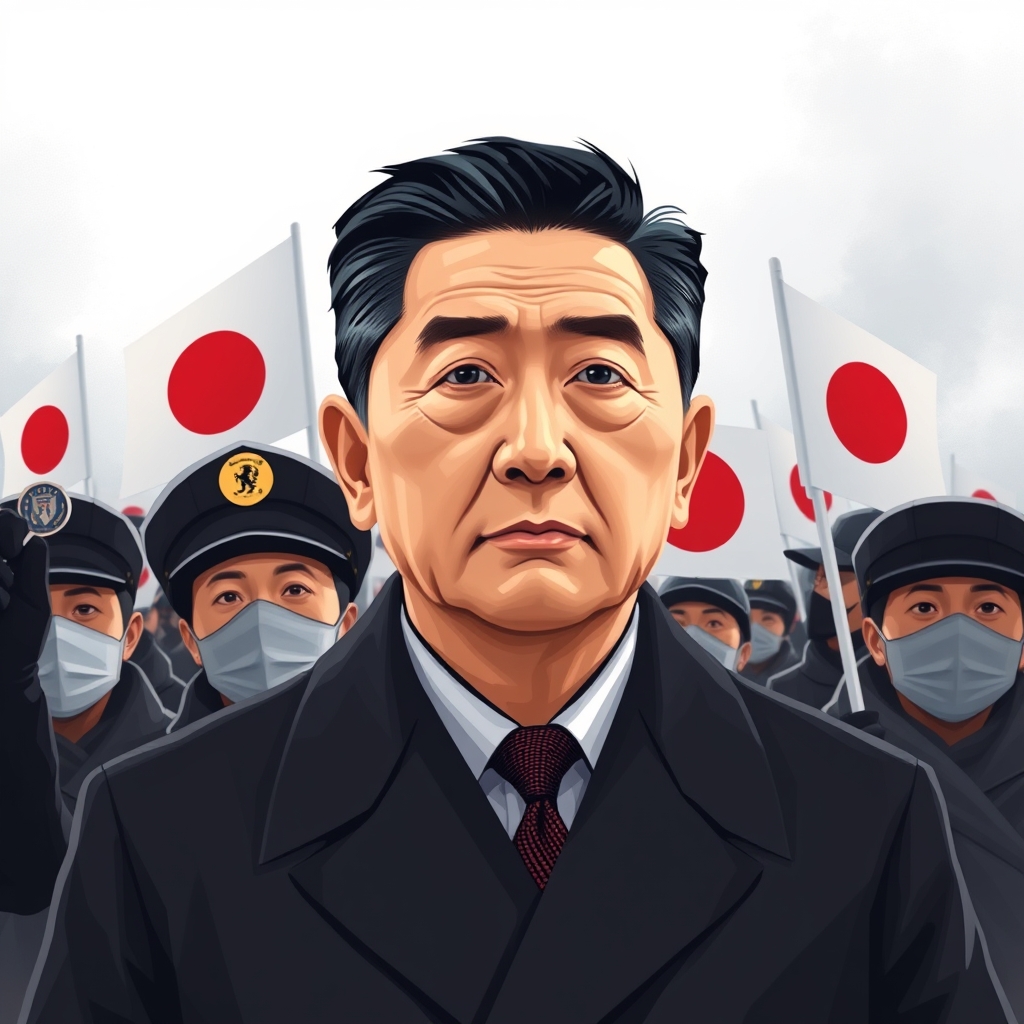
Japanese protesters
VS
US military authorities

The alleged robbery-murder of a Japanese woman by a former US Marine stationed in Okinawa has sparked public outrage in Japan.
Protesters rallied outside the US Embassy in Tokyo, while US military authorities imposed movement restrictions on personnel in Okinawa.
*AI-generated summary of publicly available data. This is not an official statement of any party.
*AI-generated summary of publicly available statements and reporting. This is not an official statement of this party.
Supporters of Japanese protesters argue that the US military presence in Okinawa strains local cultural life and inherited community trust, and they point to the alleged crime as evidence that long-standing arrangements need renegotiation.
Supporters of the Japanese protesters argue the alleged crime violates the cultural trust and local norms long upheld around US bases in Okinawa, and they maintain that respect for host-community customs, not just military rules, must govern personnel conduct.
Supporters of the Japanese protesters counter that cultural respect cannot be asserted unilaterally by the US military; in their view, genuine harmony requires Okinawan voices in decisions affecting their land, not restrictions imposed from outside.
Supporters of Japanese protesters argue the US-Japan Status of Forces Agreement denies Japanese courts jurisdiction over crimes by US personnel, so they demand legal reform to ensure accountability under Japanese law.
Supporters of Japanese protesters argue the Status of Forces Agreement's legal framework leaves Japan unable to prosecute US personnel, so they demand treaty revision to restore Japanese legal jurisdiction.
Supporters of Japanese protesters counter that the Status of Forces Agreement grants the US military primary jurisdiction over its personnel, so restricting movement is a discretionary gesture, not a binding legal duty.
Supporters of Japanese protesters argue that US military authorities imposed movement restrictions only after media disclosure and public rally, showing that pressure, not principle, drives US concessions in Okinawa.
Supporters of Japanese protesters argue that US military authorities only imposed Okinawa movement restrictions after Tokyo's outrage went public, proving that leverage, not goodwill, dictates US concessions.
Supporters of Japanese protesters counter that a concession made only under pressure teaches Washington that Okinawan anger, not the law, sets the terms — so the base stays and impunity repeats.
Supporters of Japanese protesters argue that hosting US bases imposes a moral duty on US authorities to protect local communities, so an alleged crime by personnel betrays that trust and demands accountability.
Supporters of Japanese protesters argue that hosting US bases imposes a moral duty on the US to restrain its personnel; they see the movement restrictions as an implicit admission of that duty.
Supporters of Japanese protesters counter that restricting movement cannot atone for the moral wound of bases imposed on Okinawa; they argue true accountability means ending the burden, not managing it.
Supporters of Japanese protesters argue that moral law and justice for the slain woman demand accountability, invoking the sanctity of life as a divine mandate that military authorities must honor.
Supporters of Japanese protesters, drawing on faith and moral duty, argue that justice for the slain woman is a sacred obligation and that the US military must answer for this alleged crime.
Supporters of Japanese protesters counter that religious tradition also commands honoring ancestral land; they argue that protecting communities must not mean desecrating sacred soil and shrines in Okinawa.
*AI-generated summary of publicly available statements and reporting. This is not an official statement of this party.
Supporters of US military authorities maintain that swift movement restrictions on Okinawa personnel show cultural respect for local Japanese communities and host-nation sensitivities, prioritizing base-community harmony over operational convenience.
Supporters of US military authorities argue that swift movement restrictions in Okinawa show cultural respect for local Japanese communities, prioritizing host-nation trust over operational convenience.
Supporters of US military authorities counter that shared cultural ties and decades of local partnership show the alliance protects Okinawan heritage rather than eroding it.
Supporters of US military authorities argue that imposing movement restrictions on personnel in Okinawa reflects their legal obligation under the Status of Forces Agreement to cooperate with Japanese investigations.
Supporters of US military authorities argue that imposing movement restrictions on personnel in Okinawa shows respect for the Japan-US Status of Forces Agreement and local law, pending the legal process.
Supporters of US military authorities counter that the SOFA reflects a negotiated bilateral treaty, not an imposed immunity, and that Japanese courts retain jurisdiction over off-duty crimes, so reform claims overlook existing legal channels.
Supporters of US military authorities argue that swift movement restrictions in Okinawa are a calculated concession—preserving the alliance and basing rights by absorbing public anger, since losing access costs far more than one scandal.
Supporters of US military authorities argue that swift movement restrictions in Okinawa show control of the narrative, trading minor operational friction for political cover while the alliance's strategic value outweighs a single criminal case.
Supporters of US military authorities counter that timing reflects operational judgment: concessions follow when disclosure threatens force protection, not when crowds gather.
Supporters of US military authorities argue they acted responsibly by swiftly restricting personnel movement in Okinawa, showing accountability to local safety, though critics question whether such measures address the deeper harm.
Supporters of US military authorities argue that swiftly imposing movement restrictions shows moral accountability to Okinawan communities, prioritizing local safety and environmental stewardship over operational convenience.
Supporters of US military authorities counter that moral accountability runs both ways: personnel face trial under US law, so the alleged act is punished, not excused, and the community's trust is upheld through justice rather than assumption of guilt.
Supporters of US military authorities argue that swift movement restrictions in Okinawa reflect a moral duty to protect local communities, upholding the order and accountability that religious tradition teaches is owed to host nations.
Supporters of US military authorities argue that swift movement restrictions in Okinawa show respect for local religious and cultural order, preserving the longstanding covenant between host communities and the bases.
Supporters of US military authorities counter that justice remains a sovereign matter, and that Scripture's mandate for order (Romans 13) rests with lawful government, not street protest.
AI-generated summary of publicly available statements and reporting. This is not an official statement of this party.
Supporters of Japanese protesters argue that the US military presence in Okinawa strains local cultural life and inherited community trust, and they point to the alleged crime as evidence that long-standing arrangements need renegotiation.
Supporters of the Japanese protesters argue the alleged crime violates the cultural trust and local norms long upheld around US bases in Okinawa, and they maintain that respect for host-community customs, not just military rules, must govern personnel conduct.
Supporters of the Japanese protesters counter that cultural respect cannot be asserted unilaterally by the US military; in their view, genuine harmony requires Okinawan voices in decisions affecting their land, not restrictions imposed from outside.
Supporters of Japanese protesters argue the US-Japan Status of Forces Agreement denies Japanese courts jurisdiction over crimes by US personnel, so they demand legal reform to ensure accountability under Japanese law.
Supporters of Japanese protesters argue the Status of Forces Agreement's legal framework leaves Japan unable to prosecute US personnel, so they demand treaty revision to restore Japanese legal jurisdiction.
Supporters of Japanese protesters counter that the Status of Forces Agreement grants the US military primary jurisdiction over its personnel, so restricting movement is a discretionary gesture, not a binding legal duty.
Supporters of Japanese protesters argue that US military authorities imposed movement restrictions only after media disclosure and public rally, showing that pressure, not principle, drives US concessions in Okinawa.
Supporters of Japanese protesters argue that US military authorities only imposed Okinawa movement restrictions after Tokyo's outrage went public, proving that leverage, not goodwill, dictates US concessions.
Supporters of Japanese protesters counter that a concession made only under pressure teaches Washington that Okinawan anger, not the law, sets the terms — so the base stays and impunity repeats.
Supporters of Japanese protesters argue that hosting US bases imposes a moral duty on US authorities to protect local communities, so an alleged crime by personnel betrays that trust and demands accountability.
Supporters of Japanese protesters argue that hosting US bases imposes a moral duty on the US to restrain its personnel; they see the movement restrictions as an implicit admission of that duty.
Supporters of Japanese protesters counter that restricting movement cannot atone for the moral wound of bases imposed on Okinawa; they argue true accountability means ending the burden, not managing it.
Supporters of Japanese protesters argue that moral law and justice for the slain woman demand accountability, invoking the sanctity of life as a divine mandate that military authorities must honor.
Supporters of Japanese protesters, drawing on faith and moral duty, argue that justice for the slain woman is a sacred obligation and that the US military must answer for this alleged crime.
Supporters of Japanese protesters counter that religious tradition also commands honoring ancestral land; they argue that protecting communities must not mean desecrating sacred soil and shrines in Okinawa.
Supporters of US military authorities maintain that swift movement restrictions on Okinawa personnel show cultural respect for local Japanese communities and host-nation sensitivities, prioritizing base-community harmony over operational convenience.
Supporters of US military authorities argue that swift movement restrictions in Okinawa show cultural respect for local Japanese communities, prioritizing host-nation trust over operational convenience.
Supporters of US military authorities counter that shared cultural ties and decades of local partnership show the alliance protects Okinawan heritage rather than eroding it.
Supporters of US military authorities argue that imposing movement restrictions on personnel in Okinawa reflects their legal obligation under the Status of Forces Agreement to cooperate with Japanese investigations.
Supporters of US military authorities argue that imposing movement restrictions on personnel in Okinawa shows respect for the Japan-US Status of Forces Agreement and local law, pending the legal process.
Supporters of US military authorities counter that the SOFA reflects a negotiated bilateral treaty, not an imposed immunity, and that Japanese courts retain jurisdiction over off-duty crimes, so reform claims overlook existing legal channels.
Supporters of US military authorities argue that swift movement restrictions in Okinawa are a calculated concession—preserving the alliance and basing rights by absorbing public anger, since losing access costs far more than one scandal.
Supporters of US military authorities argue that swift movement restrictions in Okinawa show control of the narrative, trading minor operational friction for political cover while the alliance's strategic value outweighs a single criminal case.
Supporters of US military authorities counter that timing reflects operational judgment: concessions follow when disclosure threatens force protection, not when crowds gather.
Supporters of US military authorities argue they acted responsibly by swiftly restricting personnel movement in Okinawa, showing accountability to local safety, though critics question whether such measures address the deeper harm.
Supporters of US military authorities argue that swiftly imposing movement restrictions shows moral accountability to Okinawan communities, prioritizing local safety and environmental stewardship over operational convenience.
Supporters of US military authorities counter that moral accountability runs both ways: personnel face trial under US law, so the alleged act is punished, not excused, and the community's trust is upheld through justice rather than assumption of guilt.
Supporters of US military authorities argue that swift movement restrictions in Okinawa reflect a moral duty to protect local communities, upholding the order and accountability that religious tradition teaches is owed to host nations.
Supporters of US military authorities argue that swift movement restrictions in Okinawa show respect for local religious and cultural order, preserving the longstanding covenant between host communities and the bases.
Supporters of US military authorities counter that justice remains a sovereign matter, and that Scripture's mandate for order (Romans 13) rests with lawful government, not street protest.
A US service member stationed in Japan allegedly committed robbery-murder.
US military authorities in Okinawa imposed movement restrictions on personnel.