Japanese right-wing groups
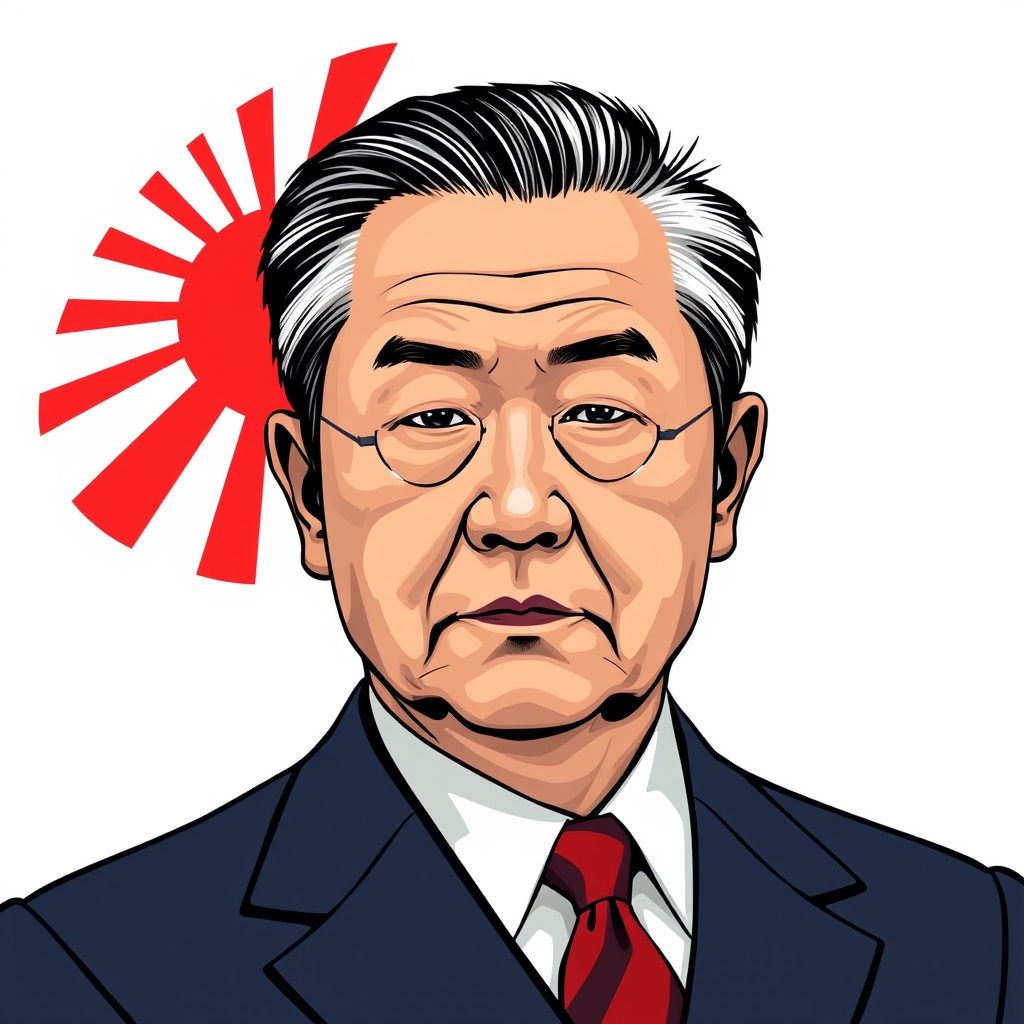
VS
Historical accuracy advocates

Japanese right-wing groups are ultranationalist and far-right activists, provocateurs, and internet trolls (as netto-uyoku) often organized in groups.
They have emerged as a radical challenger to the conservative socio-political landscape, long dominated by the incumbent Liberal Democratic Party.
Historical accuracy advocates are individuals and groups who support the claim that the Japanese government was responsible for wartime sexual slavery, known as the 'comfort women' issue, and demand an apology and compensation.
The conflict arises because Japanese right-wing groups use social media and, more recently, AI to construct a systemic framework capable of continuously generating and repeatedly broadcasting content that revises historical narratives, particularly regarding wartime events.
Historical accuracy advocates oppose these efforts, arguing that such AI-generated content undermines the ethics and accuracy of historical representation.
The dispute centers on how Japan's wartime history should be remembered and presented, with right-wing groups seeking to downplay or deny wartime atrocities, while advocates push for acknowledgment and accountability.
The stakes include the public understanding of Japan's wartime past, the treatment of 'comfort women' survivors, and the broader implications for historical truth in the digital age.
The use of AI in this context raises concerns about the potential for scalable and persistent historical revisionism, which could shape public opinion and influence political discourse in Japan.
*AI-generated summary of publicly available data. This is not an official statement of any party.
*AI-generated summary of publicly available statements and reporting. This is not an official statement of this party.
Supporters of Japanese right-wing groups argue that AI-generated content preserves their cultural heritage against foreign-imposed historical narratives, framing revision as a defense of national identity.
Supporters of Japanese right-wing groups argue that AI-generated narratives reclaim cultural sovereignty over national history, preserving identity against external moral judgments they see as colonial.
Supporters of Japanese right-wing groups counter that cultural memory lives in living tradition and national identity, not in static survivor testimony, which AI can never fully replace but also cannot erase.
Supporters of Japanese right-wing groups argue that free expression, not state censorship, should govern AI-generated historical content, citing legal protections for speech under Japan's constitution.
Supporters of Japanese right-wing groups argue that AI-generated content is lawful free expression, protected under Japan’s constitutional guarantees of speech and press.
Supporters of Japanese right-wing groups counter that the 1952 treaty imposes no legal duty to dictate historical narratives, only territorial terms, and existing laws already protect free expression, which AI content exercises.
Supporters of Japanese right-wing groups argue that controlling historical narratives is a power play, and AI simply gives their side a sharper tool to shape national memory against foreign criticism.
Supporters of Japanese right-wing groups argue AI levels the historical playing field, countering what they see as entrenched foreign narratives with sovereign revision. They maintain control over memory is power, and digital tools are simply pragmatic leverage.
Supporters of Japanese right-wing groups counter that historical accuracy is itself a political weapon, and AI merely exposes the victors’ monopoly on truth. They argue that memory is power, and any tool—pen, film, or algorithm—serves the nation’s survival, not abstract facts.
Supporters of Japanese right-wing groups argue that AI-generated historical content is a moral tool for restoring national dignity, allowing a fuller reckoning with wartime events beyond what they see as one-sided foreign judgments.
Supporters of Japanese right-wing groups argue that AI offers a moral duty to correct what they see as one-sided wartime narratives imposed by foreign powers.
Supporters of Japanese right-wing groups counter that moral duty demands honoring all victims, not only those of wartime—and that national memory, like any living culture, must be free to reinterpret pain without eternal guilt.
Supporters of Japanese right-wing groups argue that restoring national honor is a moral duty, and they view AI as a tool to correct what they call one-sided wartime narratives, framing their revisionism as a spiritual defense of ancestral legacy.
Supporters of Japanese right-wing groups argue that AI helps restore national honor by reinterpreting wartime events through a lens of divine providence, viewing historical accuracy advocates as undermining sacred tradition.
Supporters of Japanese right-wing groups counter that divine providence, not human record, is the ultimate arbiter of truth, and that national restoration honors ancestral spirits more than static facts.
*AI-generated summary of publicly available statements and reporting. This is not an official statement of this party.
Supporters of Historical accuracy advocates argue that AI-generated revisionism erases the cultural memory embedded in survivor testimony, which no algorithm can authentically preserve.
Supporters of Historical accuracy advocates argue that AI-driven revisionism severs a culture's shared memory from documented fact, echoing past cycles where state narratives erased lived experience.
Supporters of Historical accuracy advocates counter that AI-generated revisionism risks freezing a sanitized past, erasing the very complexity that defines Japanese culture.
Supporters of Historical accuracy advocates argue that AI-generated revisionism risks violating Japan's legal duty under the 1952 San Francisco Treaty to present wartime facts accurately, urging courts to apply existing defamation and education laws to curb such content.
Supporters of Historical accuracy advocates argue that legally, AI-generated revisionist content exploits copyright and platform liability loopholes, allowing unverified narratives to spread without accountability.
Supporters of Historical accuracy advocates counter that Japan’s constitutional speech protections do not shield deliberate falsification of war records, citing legal precedents that allow restrictions when content incites public harm or distorts documented historical facts.
Supporters of Historical accuracy advocates argue that Japan's right wing wields AI as a power tool to rewrite wartime memory, prioritizing political convenience over verifiable fact.
Supporters of Historical accuracy advocates argue that Japan's right wing weaponizes AI not for truth but for power, rewriting wartime records to shape national memory and future leverage.
Supporters of Historical accuracy advocates counter that power plays ignore material constraints: AI outputs still depend on verifiable archives, and foreign researchers can cross-check records, so any narrative built on falsified data collapses under scrutiny.
Supporters of Historical accuracy advocates argue that AI-generated revisionism dishonors the victims of wartime atrocities, treating human suffering as a malleable dataset. They maintain that truth is a moral duty, not a political convenience.
Supporters of Historical accuracy advocates argue that using AI to distort wartime records is a moral betrayal of the victims, treating truth as a disposable asset for political convenience.
Supporters of Historical accuracy advocates counter that dignity cannot rest on distortion, arguing that moral reckoning requires unvarnished truth, not AI-sanitized narratives that erase victims’ suffering and whitewash state culpability.
Supporters of Historical accuracy advocates argue that truth is a sacred trust, and that AI-generated revisionism profanes the memory of past suffering; they maintain that fidelity to recorded fact honors the moral order of history.
Supporters of Historical accuracy advocates argue that distorting wartime records for nationalist aims violates the sacred duty to honor the dead and preserve truth as a moral inheritance.
Supporters of Historical accuracy advocates counter that ancestral legacy is dishonored, not defended, by altering wartime records; they argue that truth, not selective memory, is the sacred duty owed to the fallen.
AI-generated summary of publicly available statements and reporting. This is not an official statement of this party.
Supporters of Japanese right-wing groups argue that AI-generated content preserves their cultural heritage against foreign-imposed historical narratives, framing revision as a defense of national identity.
Supporters of Japanese right-wing groups argue that AI-generated narratives reclaim cultural sovereignty over national history, preserving identity against external moral judgments they see as colonial.
Supporters of Japanese right-wing groups counter that cultural memory lives in living tradition and national identity, not in static survivor testimony, which AI can never fully replace but also cannot erase.
Supporters of Japanese right-wing groups argue that free expression, not state censorship, should govern AI-generated historical content, citing legal protections for speech under Japan's constitution.
Supporters of Japanese right-wing groups argue that AI-generated content is lawful free expression, protected under Japan’s constitutional guarantees of speech and press.
Supporters of Japanese right-wing groups counter that the 1952 treaty imposes no legal duty to dictate historical narratives, only territorial terms, and existing laws already protect free expression, which AI content exercises.
Supporters of Japanese right-wing groups argue that controlling historical narratives is a power play, and AI simply gives their side a sharper tool to shape national memory against foreign criticism.
Supporters of Japanese right-wing groups argue AI levels the historical playing field, countering what they see as entrenched foreign narratives with sovereign revision. They maintain control over memory is power, and digital tools are simply pragmatic leverage.
Supporters of Japanese right-wing groups counter that historical accuracy is itself a political weapon, and AI merely exposes the victors’ monopoly on truth. They argue that memory is power, and any tool—pen, film, or algorithm—serves the nation’s survival, not abstract facts.
Supporters of Japanese right-wing groups argue that AI-generated historical content is a moral tool for restoring national dignity, allowing a fuller reckoning with wartime events beyond what they see as one-sided foreign judgments.
Supporters of Japanese right-wing groups argue that AI offers a moral duty to correct what they see as one-sided wartime narratives imposed by foreign powers.
Supporters of Japanese right-wing groups counter that moral duty demands honoring all victims, not only those of wartime—and that national memory, like any living culture, must be free to reinterpret pain without eternal guilt.
Supporters of Japanese right-wing groups argue that restoring national honor is a moral duty, and they view AI as a tool to correct what they call one-sided wartime narratives, framing their revisionism as a spiritual defense of ancestral legacy.
Supporters of Japanese right-wing groups argue that AI helps restore national honor by reinterpreting wartime events through a lens of divine providence, viewing historical accuracy advocates as undermining sacred tradition.
Supporters of Japanese right-wing groups counter that divine providence, not human record, is the ultimate arbiter of truth, and that national restoration honors ancestral spirits more than static facts.
Supporters of Historical accuracy advocates argue that AI-generated revisionism erases the cultural memory embedded in survivor testimony, which no algorithm can authentically preserve.
Supporters of Historical accuracy advocates argue that AI-driven revisionism severs a culture's shared memory from documented fact, echoing past cycles where state narratives erased lived experience.
Supporters of Historical accuracy advocates counter that AI-generated revisionism risks freezing a sanitized past, erasing the very complexity that defines Japanese culture.
Supporters of Historical accuracy advocates argue that AI-generated revisionism risks violating Japan's legal duty under the 1952 San Francisco Treaty to present wartime facts accurately, urging courts to apply existing defamation and education laws to curb such content.
Supporters of Historical accuracy advocates argue that legally, AI-generated revisionist content exploits copyright and platform liability loopholes, allowing unverified narratives to spread without accountability.
Supporters of Historical accuracy advocates counter that Japan’s constitutional speech protections do not shield deliberate falsification of war records, citing legal precedents that allow restrictions when content incites public harm or distorts documented historical facts.
Supporters of Historical accuracy advocates argue that Japan's right wing wields AI as a power tool to rewrite wartime memory, prioritizing political convenience over verifiable fact.
Supporters of Historical accuracy advocates argue that Japan's right wing weaponizes AI not for truth but for power, rewriting wartime records to shape national memory and future leverage.
Supporters of Historical accuracy advocates counter that power plays ignore material constraints: AI outputs still depend on verifiable archives, and foreign researchers can cross-check records, so any narrative built on falsified data collapses under scrutiny.
Supporters of Historical accuracy advocates argue that AI-generated revisionism dishonors the victims of wartime atrocities, treating human suffering as a malleable dataset. They maintain that truth is a moral duty, not a political convenience.
Supporters of Historical accuracy advocates argue that using AI to distort wartime records is a moral betrayal of the victims, treating truth as a disposable asset for political convenience.
Supporters of Historical accuracy advocates counter that dignity cannot rest on distortion, arguing that moral reckoning requires unvarnished truth, not AI-sanitized narratives that erase victims’ suffering and whitewash state culpability.
Supporters of Historical accuracy advocates argue that truth is a sacred trust, and that AI-generated revisionism profanes the memory of past suffering; they maintain that fidelity to recorded fact honors the moral order of history.
Supporters of Historical accuracy advocates argue that distorting wartime records for nationalist aims violates the sacred duty to honor the dead and preserve truth as a moral inheritance.
Supporters of Historical accuracy advocates counter that ancestral legacy is dishonored, not defended, by altering wartime records; they argue that truth, not selective memory, is the sacred duty owed to the fallen.
Japan's right wing turns AI into a new tool of historical revisionism
According to the Global Times graphic, Japanese right-wing forces are constructing a systemic framework capable of continuously generating, repeatedly broadcasting, and disseminating AI-based historical revisionism.