Japan's PM Sanae Takaichi

VS
Critics of Yasukuni Shrine
Japanese Prime Minister Sanae Takaichi is a conservative politician who took office in 2025.
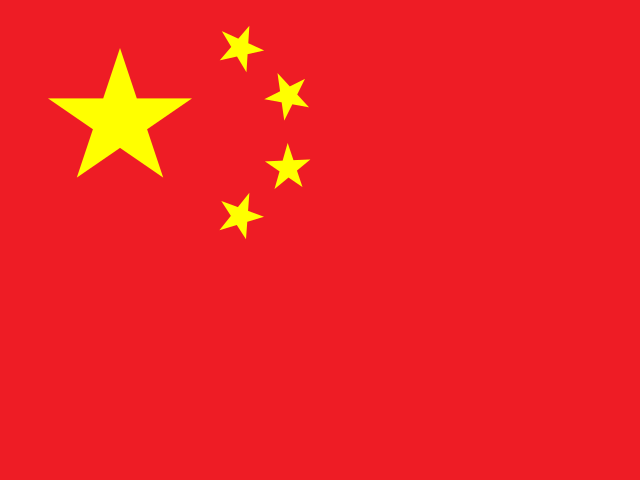
She has made controversial statements regarding Taiwan, which have drawn sharp criticism from China.
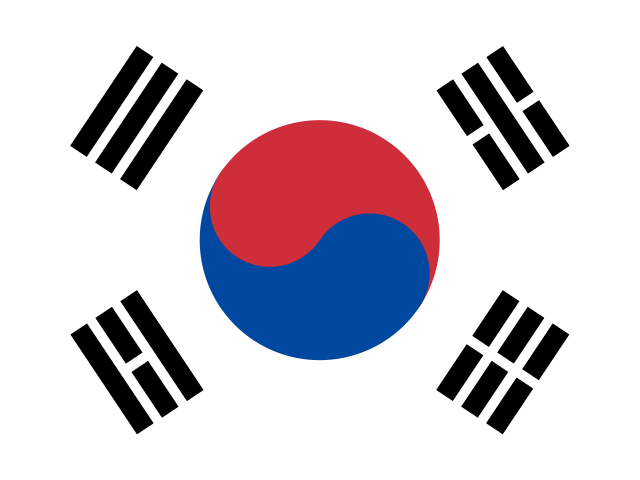
South Korea, under President Lee, has become a focal point in the escalating diplomatic tensions between Japan and China.
Takaichi's remarks on Taiwan, made in the Japanese parliament in November 2025, triggered a severe deterioration in China-Japan relations, plunging them to their lowest point in years.
China responded with travel warnings and other diplomatic measures.
Both China and Japan are now courting South Korea, seeking to strengthen their positions in the regional dispute.
*AI-generated summary of publicly available data. This is not an official statement of any party.
*AI-generated summary of publicly available statements and reporting. This is not an official statement of this party.
Supporters of Japan's PM Sanae Takaichi argue that the Yasukuni offering honors fallen ancestors, a cultural duty rooted in Shinto tradition, not a political endorsement of wartime actions.
Supporters of Japan's PM Sanae Takaichi argue that the Yasukuni offering reflects a cultural tradition of honoring all war dead, not a political endorsement of militarism, citing it as a private act of remembrance distinct from state policy.
Supporters of Japan's PM Sanae Takaichi counter that Yasukuni is a cultural vessel for mourning all war dead, not a political endorsement, and that postwar peace is honored through Japan’s own civic rituals, not foreign-imposed narratives.
Supporters of Japan's PM Sanae Takaichi argue that the monetary offering is a private, lawful act of remembrance, fully protected under Japan's constitutional separation of religion and state, and does not constitute an official endorsement of wartime actions.
Supporters of Japan's PM Sanae Takaichi argue the offering is a lawful private act, not an official state endorsement, citing Japan's constitutional separation of religion and state.
Supporters of Japan's PM Sanae Takaichi counter that the offering is a private, non-official act, falling outside state conduct under international law, and thus does not breach treaty obligations on reconciliation.
Supporters of Japan’s PM Sanae Takaichi argue the offering is a calculated signal to domestic nationalist voters, not a provocation, since it secures her political base while avoiding a personal visit that would inflame China and South Korea.
Supporters of Japan's PM Sanae Takaichi argue the offering is a calculated appeasement to domestic nationalist voters, not a foreign-policy provocation, aimed at securing her political base.
Supporters of Japan’s PM Sanae Takaichi counter that the offering is a calculated cost-benefit move, not provocation—domestic cohesion outweighs predictable foreign noise, and both Beijing and Seoul accept ritual gestures as manageable, not existential threats.
Supporters of Japan’s PM Sanae Takaichi argue that honoring all war dead at Yasukuni is a private moral duty, not a political endorsement of past militarism, and that foreign condemnation misreads a gesture of remembrance.
Supporters of Japan's PM Sanae Takaichi argue that the offering is a private, moral act of remembrance for all war dead, not an endorsement of past militarism; they maintain that honoring one's fallen is a universal duty, and international condemnation unfairly conflates personal.
Supporters of Japan's PM Sanae Takaichi counter that honoring the war dead at Yasukuni is a moral duty to fallen compatriots, not a judgment on history, and that critics overlook the shrine's role in mourning all Japanese who perished, separate from modern political reconciliatio.
Supporters of Japan's PM Sanae Takaichi argue that honoring the war dead at Yasukuni is a sacred religious duty, rooted in Shinto tradition and ancestral veneration.
Supporters of Japan's PM Sanae Takaichi argue that the Yasukuni offering honors ancestors and war dead per Shinto tradition, a sacred duty upheld by national leaders.
Supporters of Japan's PM Sanae Takaichi counter that honoring ancestors at Yasukuni reflects Shinto reverence for all departed souls, not glorification of wartime acts, and that spiritual duty to mourn transcends political judgment.
*AI-generated summary of publicly available statements and reporting. This is not an official statement of this party.
Supporters of Critics of Yasukuni Shrine argue that the offering sanctifies a site enshrining convicted war criminals, eroding Japan’s postwar cultural commitment to peace and reconciliation.
Supporters of Yasukuni Shrine critics argue that the annual offering by Japan’s PM, Sanae Takaichi, disregards the deep cultural wounds of neighboring nations, where the shrine’s legacy of militarism remains a living grievance rather than a relic of the past.
Supporters of Critics of Yasukuni Shrine counter that Shinto tradition itself is inseparable from state ideology, as the shrine’s enshrinement of war criminals renders any offering a symbolic endorsement of past aggression, not merely ancestral reverence.
Supporters of Critics of Yasukuni Shrine argue that Takaichi's offering breaches international legal norms by endorsing a site tied to Class-A war criminals, undermining postwar reconciliation.
Supporters of the Critics of Yasukuni Shrine argue that Takaichi’s offering contravenes Japan’s constitutional separation of state and religion, legally endorsing a site tied to wartime aggression.
Supporters of Critics of Yasukuni Shrine counter that the PM’s offering, though private in form, is legally inseparable from the office’s symbolic authority, as Japanese courts have held that such acts risk endorsing a shrine that honors convicted war criminals, thereby breaching.
Critics of Yasukuni Shrine argue Takaichi’s offering is a calculated signal to nationalist voters, prioritizing domestic coalition politics over regional stability, given the shrine’s militarist symbolism invites predictable Chinese and South Korean backlash.
Supporters of Critics of Yasukuni Shrine argue Takaichi’s offering is a calculated gesture to consolidate nationalist voters, leveraging wartime symbolism to secure domestic power while dismissing the diplomatic cost.
Critics of Yasukuni Shrine argue the offering still serves a strategic appeasement to nationalist factions, but its symbolic weight outweighs domestic calculation.
Supporters of Critics of Yasukuni Shrine argue that honoring the war dead at a shrine linked to militarism morally whitewashes past aggression, ignoring the suffering of victims in China and South Korea.
Supporters of Yasukuni Shrine's critics argue that a monetary offering from Prime Minister Takaichi on the WWII surrender anniversary morally legitimizes a site enshrining convicted war criminals, betraying Japan's postwar reconciliation promises to China and South Korea.
Supporters of Critics of Yasukuni Shrine counter that the shrine’s enshrinement of Class-A war criminals transforms private remembrance into public endorsement, and that foreign nations rightly read this gesture as a moral betrayal of wartime victims, not mere homage.
Supporters of Critics of Yasukuni Shrine argue that honoring the war dead there sanctifies a past that scripture calls them to repent of, not glorify.
Supporters of Critics of Yasukuni Shrine argue that honoring the war dead at a shrine enshrining convicted war criminals violates the sacred duty to truthfully remember history.
Critics of Yasukuni Shrine counter that Shinto’s sacred duty cannot sanctify the enshrinement of Class-A war criminals, whose actions violated divine and moral law, and that ancestral veneration must not be twisted to honor those who broke human and spiritual commandments.
AI-generated summary of publicly available statements and reporting. This is not an official statement of this party.
Supporters of Japan's PM Sanae Takaichi argue that the Yasukuni offering honors fallen ancestors, a cultural duty rooted in Shinto tradition, not a political endorsement of wartime actions.
Supporters of Japan's PM Sanae Takaichi argue that the Yasukuni offering reflects a cultural tradition of honoring all war dead, not a political endorsement of militarism, citing it as a private act of remembrance distinct from state policy.
Supporters of Japan's PM Sanae Takaichi counter that Yasukuni is a cultural vessel for mourning all war dead, not a political endorsement, and that postwar peace is honored through Japan’s own civic rituals, not foreign-imposed narratives.
Supporters of Japan's PM Sanae Takaichi argue that the monetary offering is a private, lawful act of remembrance, fully protected under Japan's constitutional separation of religion and state, and does not constitute an official endorsement of wartime actions.
Supporters of Japan's PM Sanae Takaichi argue the offering is a lawful private act, not an official state endorsement, citing Japan's constitutional separation of religion and state.
Supporters of Japan's PM Sanae Takaichi counter that the offering is a private, non-official act, falling outside state conduct under international law, and thus does not breach treaty obligations on reconciliation.
Supporters of Japan’s PM Sanae Takaichi argue the offering is a calculated signal to domestic nationalist voters, not a provocation, since it secures her political base while avoiding a personal visit that would inflame China and South Korea.
Supporters of Japan's PM Sanae Takaichi argue the offering is a calculated appeasement to domestic nationalist voters, not a foreign-policy provocation, aimed at securing her political base.
Supporters of Japan’s PM Sanae Takaichi counter that the offering is a calculated cost-benefit move, not provocation—domestic cohesion outweighs predictable foreign noise, and both Beijing and Seoul accept ritual gestures as manageable, not existential threats.
Supporters of Japan’s PM Sanae Takaichi argue that honoring all war dead at Yasukuni is a private moral duty, not a political endorsement of past militarism, and that foreign condemnation misreads a gesture of remembrance.
Supporters of Japan's PM Sanae Takaichi argue that the offering is a private, moral act of remembrance for all war dead, not an endorsement of past militarism; they maintain that honoring one's fallen is a universal duty, and international condemnation unfairly conflates personal.
Supporters of Japan's PM Sanae Takaichi counter that honoring the war dead at Yasukuni is a moral duty to fallen compatriots, not a judgment on history, and that critics overlook the shrine's role in mourning all Japanese who perished, separate from modern political reconciliatio.
Supporters of Japan's PM Sanae Takaichi argue that honoring the war dead at Yasukuni is a sacred religious duty, rooted in Shinto tradition and ancestral veneration.
Supporters of Japan's PM Sanae Takaichi argue that the Yasukuni offering honors ancestors and war dead per Shinto tradition, a sacred duty upheld by national leaders.
Supporters of Japan's PM Sanae Takaichi counter that honoring ancestors at Yasukuni reflects Shinto reverence for all departed souls, not glorification of wartime acts, and that spiritual duty to mourn transcends political judgment.
Supporters of Critics of Yasukuni Shrine argue that the offering sanctifies a site enshrining convicted war criminals, eroding Japan’s postwar cultural commitment to peace and reconciliation.
Supporters of Yasukuni Shrine critics argue that the annual offering by Japan’s PM, Sanae Takaichi, disregards the deep cultural wounds of neighboring nations, where the shrine’s legacy of militarism remains a living grievance rather than a relic of the past.
Supporters of Critics of Yasukuni Shrine counter that Shinto tradition itself is inseparable from state ideology, as the shrine’s enshrinement of war criminals renders any offering a symbolic endorsement of past aggression, not merely ancestral reverence.
Supporters of Critics of Yasukuni Shrine argue that Takaichi's offering breaches international legal norms by endorsing a site tied to Class-A war criminals, undermining postwar reconciliation.
Supporters of the Critics of Yasukuni Shrine argue that Takaichi’s offering contravenes Japan’s constitutional separation of state and religion, legally endorsing a site tied to wartime aggression.
Supporters of Critics of Yasukuni Shrine counter that the PM’s offering, though private in form, is legally inseparable from the office’s symbolic authority, as Japanese courts have held that such acts risk endorsing a shrine that honors convicted war criminals, thereby breaching.
Critics of Yasukuni Shrine argue Takaichi’s offering is a calculated signal to nationalist voters, prioritizing domestic coalition politics over regional stability, given the shrine’s militarist symbolism invites predictable Chinese and South Korean backlash.
Supporters of Critics of Yasukuni Shrine argue Takaichi’s offering is a calculated gesture to consolidate nationalist voters, leveraging wartime symbolism to secure domestic power while dismissing the diplomatic cost.
Critics of Yasukuni Shrine argue the offering still serves a strategic appeasement to nationalist factions, but its symbolic weight outweighs domestic calculation.
Supporters of Critics of Yasukuni Shrine argue that honoring the war dead at a shrine linked to militarism morally whitewashes past aggression, ignoring the suffering of victims in China and South Korea.
Supporters of Yasukuni Shrine's critics argue that a monetary offering from Prime Minister Takaichi on the WWII surrender anniversary morally legitimizes a site enshrining convicted war criminals, betraying Japan's postwar reconciliation promises to China and South Korea.
Supporters of Critics of Yasukuni Shrine counter that the shrine’s enshrinement of Class-A war criminals transforms private remembrance into public endorsement, and that foreign nations rightly read this gesture as a moral betrayal of wartime victims, not mere homage.
Supporters of Critics of Yasukuni Shrine argue that honoring the war dead there sanctifies a past that scripture calls them to repent of, not glorify.
Supporters of Critics of Yasukuni Shrine argue that honoring the war dead at a shrine enshrining convicted war criminals violates the sacred duty to truthfully remember history.
Critics of Yasukuni Shrine counter that Shinto’s sacred duty cannot sanctify the enshrinement of Class-A war criminals, whose actions violated divine and moral law, and that ancestral veneration must not be twisted to honor those who broke human and spiritual commandments.
Analysts suggested that Takaichi's huge win at a recent election gave her political capital to stand firm against China.
Japanese Prime Minister Sanae Takaichi met with South Korean President Lee, focusing on security challenges and seeking unity amid China tensions.
Time magazine reported that South Korea had become a new focal point amid the escalating feud between China and Japan, with both countries courting Seoul.
Reuters reported that Japan's relations with China had plunged to their lowest in years following the dispute triggered by Takaichi's remarks.
Japanese Prime Minister Sanae Takaichi made remarks on Taiwan in the Japanese parliament, leading to a severe deterioration in China-Japan relations and the onset of a diplomatic crisis.
Japanese PM Sanae Takaichi made a monetary offering to Yasukuni Shrine on the anniversary of Japan's WWII surrender.
Defence Minister Koizumi visits Yasukuni Shrine on the 81st anniversary of Japan's WWII surrender.
Japanese politicians made monetary offerings and visits to Yasukuni Shrine on the 81st anniversary of Japan's WWII surrender.
Japanese politicians visited the Yasukuni Shrine, drawing opposition from Asian neighbors and Japanese scholars.