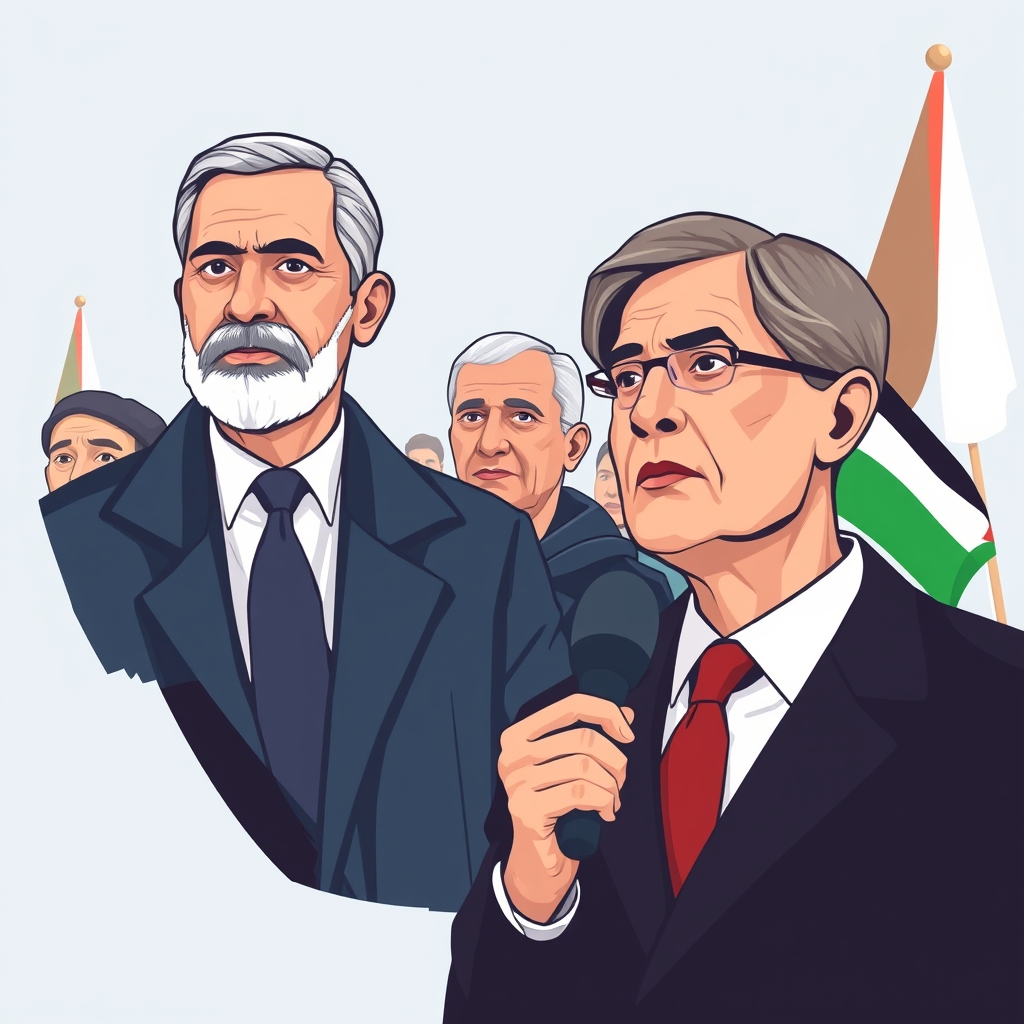
Pro-Palestine protesters
VS
Jerry Seinfeld
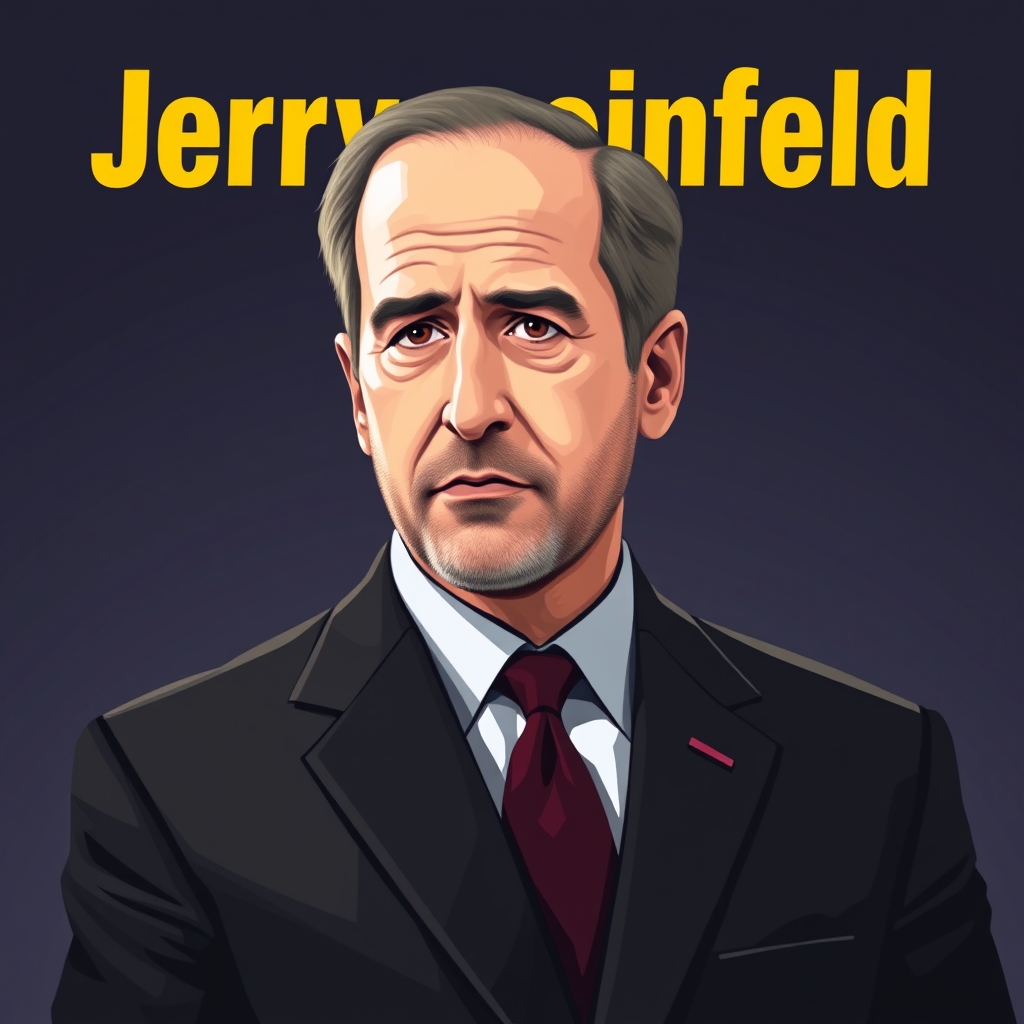
Pro-Palestine protesters interrupted Jerry Seinfeld's comedy show, while Seinfeld responded by dancing on stage.
The incident highlights tensions over political protests at entertainment events.
*AI-generated summary of publicly available data. This is not an official statement of any party.
*AI-generated summary of publicly available statements and reporting. This is not an official statement of this party.
Supporters of the Pro-Palestine protesters argue that interrupting Seinfeld's show is a legitimate cultural act, since they view his vocal support for Israel as complicity in Palestinian displacement.
Supporters of the Pro-Palestine protesters argue that interrupting Jerry Seinfeld's show is a legitimate expression of cultural dissent, since they view his public stance on the conflict as making him a fair target for protest.
Supporters of Pro-Palestine protesters counter that comedy venues are not neutral sanctuaries when the comedian funds and defends state violence, arguing that marginalized communities have long known laughter can coexist with complicity.
Supporters of the protesters argue that international law protects peaceful expression and assembly, and that disrupting a public figure they associate with Israel is a legitimate exercise of those rights.
Supporters of Pro-Palestine protesters argue that international law protects political expression, citing the right to protest as a legitimate exercise of free speech even at entertainment venues.
Supporters of Pro-Palestine protesters counter that political speech in public forums retains legal protection, and venue trespass rules cannot override the fundamental right to peaceful assembly and dissent.
Supporters of the pro-Palestine protesters argue that interrupting Seinfeld's show is leverage: making a public figure's platform costly forces attention onto Gaza, since polite appeals have failed to move those in power.
Supporters of the protesters argue disruption is leverage: a comedy show draws cameras, so interrupting Seinfeld buys visibility that polite protest cannot, and his dancing only proves the point travels further than the joke.
Supporters of Pro-Palestine protesters counter that dancing is itself a claim to control the room, so Seinfeld's move reveals who holds the power to reframe disruption as entertainment, not that protesters lost.
Supporters of Pro-Palestine protesters argue that disrupting Seinfeld's show is a morally legitimate act of protest, insisting that drawing attention to Palestinian suffering outweighs the offense of interrupting a comedy set.
Supporters of Pro-Palestine protesters argue that disrupting Seinfeld's show is a morally justified act of protest against his public support for Israel.
Supporters of Pro-Palestine protesters counter that entertainment cannot be walled off from moral complicity, arguing that silencing a heckler prioritizes a comedian's comfort over Gaza's dead.
Supporters of Pro-Palestine protesters argue that disrupting Seinfeld's show is a moral religious duty to bear witness against injustice, maintaining that faith demands public solidarity with the oppressed over entertainment.
Supporters of the Pro-Palestine protesters argue their disruption of Seinfeld's show is a moral witness rooted in religious duty to speak for the oppressed, maintaining that faith demands protest even at entertainment venues.
Supporters of Pro-Palestine protesters counter that a comedian's stage cannot claim sanctuary while Palestinian religious sites and lives are bombed, arguing inherited sacred duty to the oppressed outweighs any venue's peace.
*AI-generated summary of publicly available statements and reporting. This is not an official statement of this party.
Supporters of Jerry Seinfeld argue that comedy venues have historically served as cultural sanctuaries, and they contend his dancing reclaimed that tradition of humor over protest.
Supporters of Jerry Seinfeld argue that comedy venues have historically served as cultural sanctuaries, and they cite his onstage dancing as a defense of that tradition against political intrusion.
Supporters of Jerry Seinfeld counter that a comedy show is a cultural space for shared laughter, not a political battleground; they argue that shouting down a performer curdles the very free expression the protesters claim to defend.
Supporters of Jerry Seinfeld argue that a ticketed venue is private property, so protesters who disrupt a performance breach the venue's terms and the performer's contractual right to control the show.
Supporters of Jerry Seinfeld argue that ticket holders hold a legal license for the contracted performance, and that disrupting the show breaches that agreement and venue rules.
Supporters of Jerry Seinfeld counter that the right to assembly does not license disrupting a ticketed private event, and that venue rules and local trespass law, not international norms, govern the dispute.
Supporters of Jerry Seinfeld argue that dancing, not confrontation, denied protesters the disruption they sought, showing that controlling the reaction controls the narrative and the room.
Supporters of Jerry Seinfeld argue that dancing reclaimed the stage without conceding power, denying protesters the disruption they sought and keeping the audience's attention where Seinfeld wanted it.
Supporters of Seinfeld counter that the tactic misfires: heckling a comedian who holds no office concedes the real target is unreachable, and the spectacle hands opponents an easy frame of disorder rather than leverage.
Supporters of Jerry Seinfeld argue that a comedy show is not the place for political disruption, and that he had every right to keep performing for his audience.
Supporters of Jerry Seinfeld argue that audiences deserve a safe, uninterrupted space, and that disrupting a live performance for political protest disrespects the paying crowd.
Supporters of Jerry Seinfeld counter that silencing a comedian's set is a moral wrong, since free expression and audience consent matter too; they argue no cause justifies overriding another's voice.
Supporters of Jerry Seinfeld argue that comedy venues are sanctuaries of joy, not arenas for political protest, and that Seinfeld's dancing upheld the moral duty to preserve peace and goodwill among attendees.
Seinfeld's supporters argue his dancing affirms a Jewish comedian's right to perform without harassment, invoking a tradition that honors joy as a response to hostility rather than silencing.
Supporters of Jerry Seinfeld counter that scripture also commands peaceable assembly and respect for neighbor, so coercive disruption of a comedy show is not the faith's sole moral path.
AI-generated summary of publicly available statements and reporting. This is not an official statement of this party.
Supporters of the Pro-Palestine protesters argue that interrupting Seinfeld's show is a legitimate cultural act, since they view his vocal support for Israel as complicity in Palestinian displacement.
Supporters of the Pro-Palestine protesters argue that interrupting Jerry Seinfeld's show is a legitimate expression of cultural dissent, since they view his public stance on the conflict as making him a fair target for protest.
Supporters of Pro-Palestine protesters counter that comedy venues are not neutral sanctuaries when the comedian funds and defends state violence, arguing that marginalized communities have long known laughter can coexist with complicity.
Supporters of the protesters argue that international law protects peaceful expression and assembly, and that disrupting a public figure they associate with Israel is a legitimate exercise of those rights.
Supporters of Pro-Palestine protesters argue that international law protects political expression, citing the right to protest as a legitimate exercise of free speech even at entertainment venues.
Supporters of Pro-Palestine protesters counter that political speech in public forums retains legal protection, and venue trespass rules cannot override the fundamental right to peaceful assembly and dissent.
Supporters of the pro-Palestine protesters argue that interrupting Seinfeld's show is leverage: making a public figure's platform costly forces attention onto Gaza, since polite appeals have failed to move those in power.
Supporters of the protesters argue disruption is leverage: a comedy show draws cameras, so interrupting Seinfeld buys visibility that polite protest cannot, and his dancing only proves the point travels further than the joke.
Supporters of Pro-Palestine protesters counter that dancing is itself a claim to control the room, so Seinfeld's move reveals who holds the power to reframe disruption as entertainment, not that protesters lost.
Supporters of Pro-Palestine protesters argue that disrupting Seinfeld's show is a morally legitimate act of protest, insisting that drawing attention to Palestinian suffering outweighs the offense of interrupting a comedy set.
Supporters of Pro-Palestine protesters argue that disrupting Seinfeld's show is a morally justified act of protest against his public support for Israel.
Supporters of Pro-Palestine protesters counter that entertainment cannot be walled off from moral complicity, arguing that silencing a heckler prioritizes a comedian's comfort over Gaza's dead.
Supporters of Pro-Palestine protesters argue that disrupting Seinfeld's show is a moral religious duty to bear witness against injustice, maintaining that faith demands public solidarity with the oppressed over entertainment.
Supporters of the Pro-Palestine protesters argue their disruption of Seinfeld's show is a moral witness rooted in religious duty to speak for the oppressed, maintaining that faith demands protest even at entertainment venues.
Supporters of Pro-Palestine protesters counter that a comedian's stage cannot claim sanctuary while Palestinian religious sites and lives are bombed, arguing inherited sacred duty to the oppressed outweighs any venue's peace.
Supporters of Jerry Seinfeld argue that comedy venues have historically served as cultural sanctuaries, and they contend his dancing reclaimed that tradition of humor over protest.
Supporters of Jerry Seinfeld argue that comedy venues have historically served as cultural sanctuaries, and they cite his onstage dancing as a defense of that tradition against political intrusion.
Supporters of Jerry Seinfeld counter that a comedy show is a cultural space for shared laughter, not a political battleground; they argue that shouting down a performer curdles the very free expression the protesters claim to defend.
Supporters of Jerry Seinfeld argue that a ticketed venue is private property, so protesters who disrupt a performance breach the venue's terms and the performer's contractual right to control the show.
Supporters of Jerry Seinfeld argue that ticket holders hold a legal license for the contracted performance, and that disrupting the show breaches that agreement and venue rules.
Supporters of Jerry Seinfeld counter that the right to assembly does not license disrupting a ticketed private event, and that venue rules and local trespass law, not international norms, govern the dispute.
Supporters of Jerry Seinfeld argue that dancing, not confrontation, denied protesters the disruption they sought, showing that controlling the reaction controls the narrative and the room.
Supporters of Jerry Seinfeld argue that dancing reclaimed the stage without conceding power, denying protesters the disruption they sought and keeping the audience's attention where Seinfeld wanted it.
Supporters of Seinfeld counter that the tactic misfires: heckling a comedian who holds no office concedes the real target is unreachable, and the spectacle hands opponents an easy frame of disorder rather than leverage.
Supporters of Jerry Seinfeld argue that a comedy show is not the place for political disruption, and that he had every right to keep performing for his audience.
Supporters of Jerry Seinfeld argue that audiences deserve a safe, uninterrupted space, and that disrupting a live performance for political protest disrespects the paying crowd.
Supporters of Jerry Seinfeld counter that silencing a comedian's set is a moral wrong, since free expression and audience consent matter too; they argue no cause justifies overriding another's voice.
Supporters of Jerry Seinfeld argue that comedy venues are sanctuaries of joy, not arenas for political protest, and that Seinfeld's dancing upheld the moral duty to preserve peace and goodwill among attendees.
Seinfeld's supporters argue his dancing affirms a Jewish comedian's right to perform without harassment, invoking a tradition that honors joy as a response to hostility rather than silencing.
Supporters of Jerry Seinfeld counter that scripture also commands peaceable assembly and respect for neighbor, so coercive disruption of a comedy show is not the faith's sole moral path.
Jerry Seinfeld dances as pro-Palestine protesters interrupt show