John Mearsheimer

VS
Diplomacy advocates
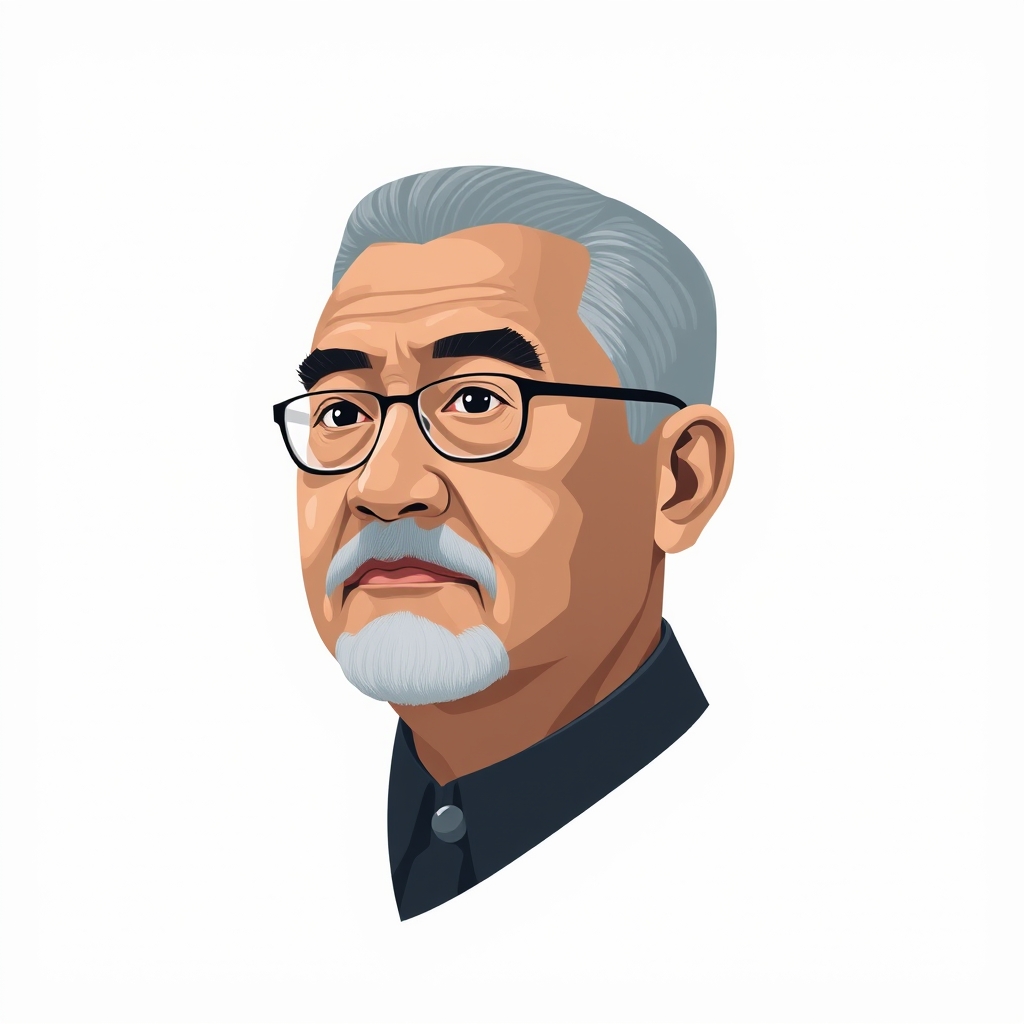
John Mearsheimer is a political scientist and professor at the University of Chicago, known for his theory of offensive realism in international relations.
He has written influential works such as "The False Promise of International Institutions" and, with Stephen Walt, "The Israel Lobby and U.S.
Foreign Policy."
Diplomacy advocates are those who argue that international disputes, including the war in Ukraine, can and should be resolved through negotiation and diplomatic engagement rather than military means.
They generally support sustained dialogue, compromise, and the involvement of international institutions to reach a settlement.
The disagreement centers on whether a negotiated settlement to the Ukraine war is possible.
Mearsheimer argues that there is no diplomatic way out of the conflict, while diplomacy advocates contend that negotiations remain a viable path.
The debate reflects broader tensions between realist skepticism about international institutions and liberal faith in diplomacy.
*AI-generated summary of publicly available data. This is not an official statement of any party.
*AI-generated summary of publicly available statements and reporting. This is not an official statement of this party.
Supporters of John Mearsheimer argue that cultural and historical divides between Russia and the West run too deep for diplomacy to bridge, so the war reflects a durable civilizational fault line rather than a negotiable dispute.
Supporters of John Mearsheimer argue that cultural and historical divisions between Russia and the West run too deep for diplomacy, so any negotiated settlement lacks a foundation in shared trust or precedent.
Supporters of John Mearsheimer counter that cultural survival depends on the nation's physical survival, and that negotiation on unfavorable terms would leave Ukraine's identity at Moscow's mercy anyway.
Supporters of John Mearsheimer argue that Russia's security demands and territorial claims leave no viable legal framework for negotiation, since any settlement would require Ukraine to concede sovereignty—terms they see as legally untenable.
Supporters of John Mearsheimer argue, on legal-realist grounds, that no binding diplomatic framework exists to enforce a settlement both parties would accept.
Supporters of John Mearsheimer counter that the UN Charter's peaceful-settlement norms lack enforcement mechanisms, so great powers legally privilege self-help and spheres of influence over binding legal obligation.
Supporters of John Mearsheimer argue that talks fail because Russia and the West seek incompatible outcomes, so diplomacy is a delay tactic, not a path to settlement.
Supporters of John Mearsheimer argue that great-power war ends only when interests are settled on the battlefield, so calls for diplomacy mask the reality that neither Russia nor the West will concede core security aims at a table.
Supporters of John Mearsheimer counter that mutual exhaustion does not create leverage for mediators but deepens commitment: great powers absorb costs to avoid the appearance of defeat, so mediation invites escalation rather than settlement.
Supporters of John Mearsheimer argue that morally, urging Ukraine to negotiate is futile when Russia's territorial aims and the West's security interests leave no honest diplomatic path.
Supporters of John Mearsheimer argue that continued fighting serves no moral purpose when no diplomatic path exists, so they see negotiations as illusory and hold that Ukraine's backers must confront this hard truth.
Supporters of John Mearsheimer counter that states facing existential threats cannot subordinate survival to endless negotiation; moral duty to citizens means securing their existence, not trading it for talks that adversaries exploit.
Supporters of John Mearsheimer argue that religious leaders urging peace talks misunderstand the war's spiritual stakes, since they maintain that only a decisive military outcome can restore a stable, God-ordained order.
Supporters of John Mearsheimer argue that inherited moral restraints against total war have collapsed, so no religious authority can broker peace in Ukraine.
Supporters of John Mearsheimer counter that invoking scripture to demand negotiations misreads just-war tradition, which holds that peace without justice and security is no peace at all.
*AI-generated summary of publicly available statements and reporting. This is not an official statement of this party.
Supporters of diplomacy advocates argue that Ukraine's cultural survival and national identity depend on preserving sovereignty through negotiation, since endless war risks erasing the very nation being defended.
Supporters of diplomacy argue that Ukraine's cultural survival depends on a negotiated settlement, since endless war erodes the national identity and sovereignty they seek to protect.
Supporters of Diplomacy advocates counter that shared European history, Christian roots, and centuries of cross-cultural exchange between Russia and the West show the divide is political, not civilizational.
Supporters of Diplomacy advocates argue that international law obligates states to pursue negotiated settlements, citing the UN Charter's emphasis on peaceful dispute resolution over military force.
Supporters of Diplomacy advocates argue that international law obliges parties to pursue negotiated settlements, pointing to the UN Charter as legal grounding for their claim that a diplomatic path remains open.
Supporters of Diplomacy advocates counter that international law already provides frameworks—like the UN Charter and OSCE principles—for negotiated settlements without conceding sovereignty, citing prior accords such as the Minsk agreements as precedent.
Supporters of Diplomacy advocates argue that Mearsheimer's "no diplomatic way out" claim ignores leverage: Russia and Ukraine both face mounting costs, and mediators can exploit that mutual exhaustion to force a settlement.
Supporters of Diplomacy advocates argue that negotiations are a tool of leverage, not goodwill: talks buy time, split rivals, and lock in gains. They maintain that refusing diplomacy cedes initiative to those who will use it.
Supporters of Diplomacy advocates counter that delay itself is leverage: talks freeze the battlefield, split sanctions coalitions, and buy time for arms and alliances to shift the balance before any settlement is signed.
Supporters of Diplomacy advocates argue that moral duty demands exhausting every negotiation to stop the killing, since they contend a military-only path inflicts endless suffering on civilians who deserve peace over victory.
Supporters of Diplomacy advocates argue that morally, Ukraine's sovereignty and civilians' lives demand a negotiated path, not endless war. They maintain that refusing diplomacy prolongs suffering and forfeits any chance at a just, lasting peace.
Supporters of Diplomacy advocates counter that morality demands giving diplomacy a genuine chance, since treating negotiation as futile consigns Ukrainians to endless war and denies them agency over their own survival.
Supporters of Diplomacy advocates argue that peacemaking is a moral and theological duty, citing scripture's call to beat swords into plowshares, and maintain that negotiations remain the only path to a just settlement in Ukraine.
Supporters of diplomacy advocates argue that scripture commands peacemaking, citing Matthew 5:9, so they maintain that faithful statesmanship requires pursuing negotiation in Ukraine rather than resigning to endless war.
Supporters of Diplomacy advocates counter that scripture commands blessed peacemakers, so religious leaders urging talks answer a higher calling than any claim that God ordains a decisive military outcome.
AI-generated summary of publicly available statements and reporting. This is not an official statement of this party.
Supporters of John Mearsheimer argue that cultural and historical divides between Russia and the West run too deep for diplomacy to bridge, so the war reflects a durable civilizational fault line rather than a negotiable dispute.
Supporters of John Mearsheimer argue that cultural and historical divisions between Russia and the West run too deep for diplomacy, so any negotiated settlement lacks a foundation in shared trust or precedent.
Supporters of John Mearsheimer counter that cultural survival depends on the nation's physical survival, and that negotiation on unfavorable terms would leave Ukraine's identity at Moscow's mercy anyway.
Supporters of John Mearsheimer argue that Russia's security demands and territorial claims leave no viable legal framework for negotiation, since any settlement would require Ukraine to concede sovereignty—terms they see as legally untenable.
Supporters of John Mearsheimer argue, on legal-realist grounds, that no binding diplomatic framework exists to enforce a settlement both parties would accept.
Supporters of John Mearsheimer counter that the UN Charter's peaceful-settlement norms lack enforcement mechanisms, so great powers legally privilege self-help and spheres of influence over binding legal obligation.
Supporters of John Mearsheimer argue that talks fail because Russia and the West seek incompatible outcomes, so diplomacy is a delay tactic, not a path to settlement.
Supporters of John Mearsheimer argue that great-power war ends only when interests are settled on the battlefield, so calls for diplomacy mask the reality that neither Russia nor the West will concede core security aims at a table.
Supporters of John Mearsheimer counter that mutual exhaustion does not create leverage for mediators but deepens commitment: great powers absorb costs to avoid the appearance of defeat, so mediation invites escalation rather than settlement.
Supporters of John Mearsheimer argue that morally, urging Ukraine to negotiate is futile when Russia's territorial aims and the West's security interests leave no honest diplomatic path.
Supporters of John Mearsheimer argue that continued fighting serves no moral purpose when no diplomatic path exists, so they see negotiations as illusory and hold that Ukraine's backers must confront this hard truth.
Supporters of John Mearsheimer counter that states facing existential threats cannot subordinate survival to endless negotiation; moral duty to citizens means securing their existence, not trading it for talks that adversaries exploit.
Supporters of John Mearsheimer argue that religious leaders urging peace talks misunderstand the war's spiritual stakes, since they maintain that only a decisive military outcome can restore a stable, God-ordained order.
Supporters of John Mearsheimer argue that inherited moral restraints against total war have collapsed, so no religious authority can broker peace in Ukraine.
Supporters of John Mearsheimer counter that invoking scripture to demand negotiations misreads just-war tradition, which holds that peace without justice and security is no peace at all.
Supporters of diplomacy advocates argue that Ukraine's cultural survival and national identity depend on preserving sovereignty through negotiation, since endless war risks erasing the very nation being defended.
Supporters of diplomacy argue that Ukraine's cultural survival depends on a negotiated settlement, since endless war erodes the national identity and sovereignty they seek to protect.
Supporters of Diplomacy advocates counter that shared European history, Christian roots, and centuries of cross-cultural exchange between Russia and the West show the divide is political, not civilizational.
Supporters of Diplomacy advocates argue that international law obligates states to pursue negotiated settlements, citing the UN Charter's emphasis on peaceful dispute resolution over military force.
Supporters of Diplomacy advocates argue that international law obliges parties to pursue negotiated settlements, pointing to the UN Charter as legal grounding for their claim that a diplomatic path remains open.
Supporters of Diplomacy advocates counter that international law already provides frameworks—like the UN Charter and OSCE principles—for negotiated settlements without conceding sovereignty, citing prior accords such as the Minsk agreements as precedent.
Supporters of Diplomacy advocates argue that Mearsheimer's "no diplomatic way out" claim ignores leverage: Russia and Ukraine both face mounting costs, and mediators can exploit that mutual exhaustion to force a settlement.
Supporters of Diplomacy advocates argue that negotiations are a tool of leverage, not goodwill: talks buy time, split rivals, and lock in gains. They maintain that refusing diplomacy cedes initiative to those who will use it.
Supporters of Diplomacy advocates counter that delay itself is leverage: talks freeze the battlefield, split sanctions coalitions, and buy time for arms and alliances to shift the balance before any settlement is signed.
Supporters of Diplomacy advocates argue that moral duty demands exhausting every negotiation to stop the killing, since they contend a military-only path inflicts endless suffering on civilians who deserve peace over victory.
Supporters of Diplomacy advocates argue that morally, Ukraine's sovereignty and civilians' lives demand a negotiated path, not endless war. They maintain that refusing diplomacy prolongs suffering and forfeits any chance at a just, lasting peace.
Supporters of Diplomacy advocates counter that morality demands giving diplomacy a genuine chance, since treating negotiation as futile consigns Ukrainians to endless war and denies them agency over their own survival.
Supporters of Diplomacy advocates argue that peacemaking is a moral and theological duty, citing scripture's call to beat swords into plowshares, and maintain that negotiations remain the only path to a just settlement in Ukraine.
Supporters of diplomacy advocates argue that scripture commands peacemaking, citing Matthew 5:9, so they maintain that faithful statesmanship requires pursuing negotiation in Ukraine rather than resigning to endless war.
Supporters of Diplomacy advocates counter that scripture commands blessed peacemakers, so religious leaders urging talks answer a higher calling than any claim that God ordains a decisive military outcome.
J. Mearsheimer discusses the Ukraine war, Trump’s diplomacy, the legacy of 9/11 and the global shift from unipolarity to a multipolar order Read Full Article at RT.com
John Mearsheimer participated in a Yale event discussing the relationship between liberalism, nationalism, and realism in international relations.
John Mearsheimer and Stephen Walt published an article in the London Review of Books examining the influence of the Israel lobby on U.S. foreign policy, which became a widely debated work.
John Mearsheimer published an article arguing that international institutions cannot prevent conflict, a foundational text for his realist approach to diplomacy.