John Mearsheimer

VS
Donald Trump
John Mearsheimer is a professor of political science at the University of Chicago and the author of The Tragedy of Great Power Politics, known for his realist critiques of US foreign policy.
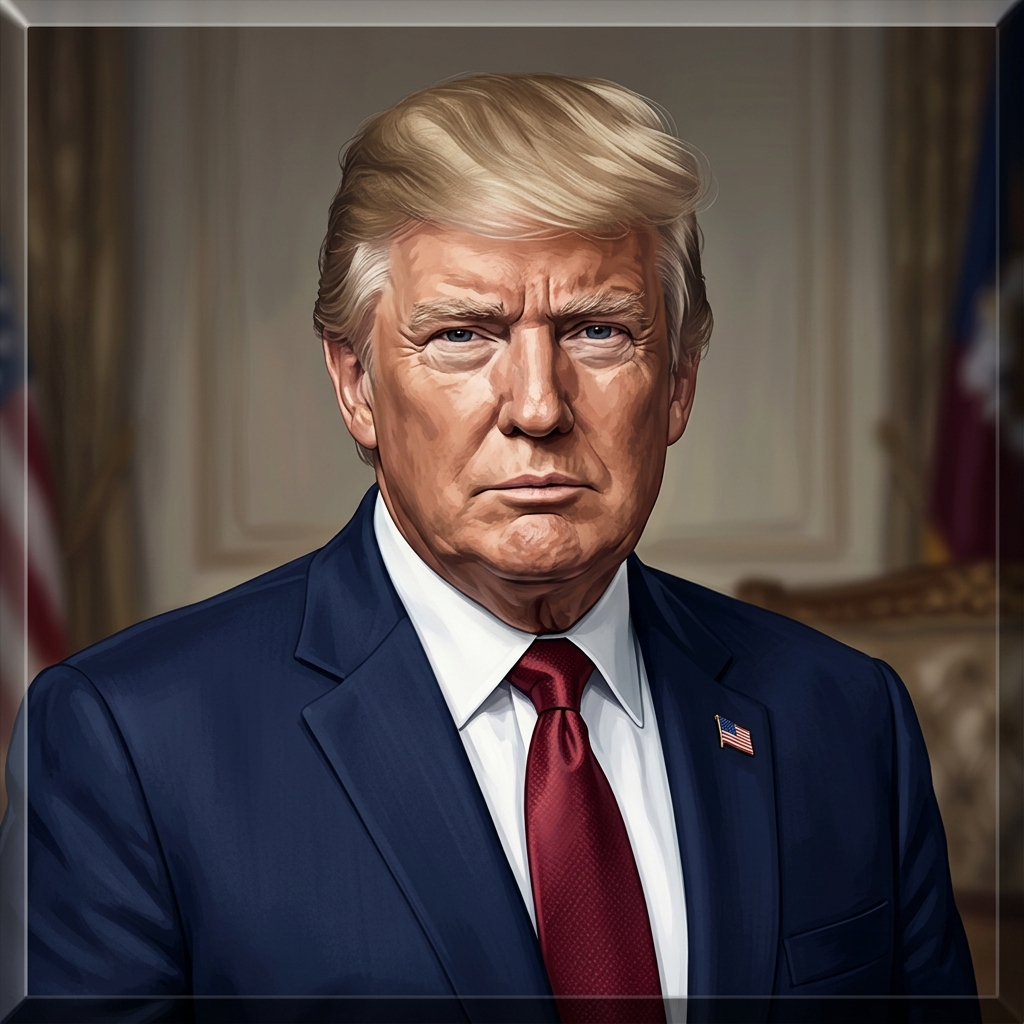
Donald Trump is the president of the United States, whose foreign policy Mearsheimer has both criticized and, on certain issues such as Ukraine, partly defended.
The two have clashed over the direction of US foreign policy.
Mearsheimer has delivered sharp critiques of Trump's approach, warning that the president risks dragging America into conflict, while also arguing in some cases that Trump is right, for example on Ukraine.
Mearsheimer has described Trump as boxed in and lashing out, saying the president likes to slap people around.
In one instance, Mearsheimer told RT that Trump abandoned Saudi Arabia amid its war with the Houthis, raising the question of whether the US has withdrawn support for Saudi Arabia in the conflict.
*AI-generated summary of publicly available data. This is not an official statement of any party.
*AI-generated summary of publicly available statements and reporting. This is not an official statement of this party.
Supporters of John Mearsheimer argue that abandoning a longstanding ally like Saudi Arabia mid-conflict signals a troubling break from the stable alliances and inherited commitments that have long anchored US policy in the region.
Supporters of John Mearsheimer argue that Trump’s abandonment of Saudi Arabia reflects a broader erosion of inherited alliances and regional stability, warning that casting aside longstanding partners mid-conflict undermines the trust and order that tradition sustains.
Supporters of John Mearsheimer counter that America First's cultural appeal rests on a myth of disengagement, since the U.S. has never actually withdrawn from its alliance commitments abroad.
Supporters of John Mearsheimer argue that Trump's withdrawal of support left Saudi Arabia legally exposed in its Houthi war, citing the RT report as evidence of abandoned alliance obligations.
Supporters of John Mearsheimer cite his RT claim as evidence that Trump legally abandoned Saudi Arabia in the Houthi war, arguing the withdrawal of US support was a factual policy shift, not a rhetorical one.
Supporters of John Mearsheimer counter that legality alone misses the point: the 1945 Quincy Pact and decades of arms deals create binding strategic obligations, so lawful withdrawal still carries real alliance costs.
Supporters of John Mearsheimer argue that Trump calculated Saudi Arabia's war with the Houthis no longer served US interests, so he left Riyadh to fight alone—proof that alliances bend to power, not loyalty.
Supporters of John Mearsheimer argue that Trump abandoned Saudi Arabia to avoid entanglement in a costly Houthi war, prioritizing US interests over alliance loyalty—a pragmatic, if cold, calculation of power.
Supporters of John Mearsheimer counter that withdrawing from the Houthi war hands regional primacy to Iran and Saudi rivals, since great powers keep influence by shaping outcomes, not by declining the fight.
Supporters of John Mearsheimer argue that abandoning an ally mid-war is a moral failure, since Saudi Arabia bears the human and ecological toll of a conflict the US helped escalate.
Supporters of John Mearsheimer argue that abandoning an ally mid-war is a moral failure, and that the US bears responsibility for the regional and ecological fallout of the Saudi-Houthi conflict.
Supporters of John Mearsheimer counter that abandoning a maritime ally to the Houthis is itself a moral failure, since upholding freedom of navigation and deterring attacks on global trade reflects a duty to the international order, not a foreign war.
Supporters of John Mearsheimer argue that abandoning Saudi Arabia reflects a broader retreat from traditional alliances, which they see as undermining the religious and cultural stability the region has long relied on.
Supporters of John Mearsheimer argue that abandoning a longstanding ally like Saudi Arabia betrays the inherited moral obligations and stability that religious tradition holds sacred in foreign policy.
Supporters of John Mearsheimer counter that invoking providence to justify a foreign policy risks confusing faith with statecraft, since religious authority and national strategy answer to different ends.
*AI-generated summary of publicly available statements and reporting. This is not an official statement of this party.
Supporters of Donald Trump argue that his America First approach reflects a longstanding cultural preference for burden-sharing over endless entanglements, maintaining that past interventions in Middle Eastern conflicts offer cautionary precedent.
Supporters of Donald Trump argue that his cultural instinct is to reject endless foreign entanglements, so they read any pullback from Saudi Arabia's war as honoring a promise to put America first rather than abandoning an ally.
Supporters of Donald Trump counter that past alliances were often transactional arrangements that outlived their usefulness, and cultural shifts at home favor leaders who put immediate national interests over inherited commitments.
Supporters of Donald Trump argue that no formal US legal commitment obligates America to fight Saudi Arabia's war, so his withdrawal from that conflict is a lawful exercise of sovereignty.
Supporters of Donald Trump argue that America's military support is not an unlimited legal entitlement for Saudi Arabia, and that US backing must serve American national interest under US law.
Supporters of Donald Trump counter that no treaty obligated U.S. forces to Saudi Arabia's Houthi campaign, so the RT report describes a policy choice, not a breached legal duty.
Supporters of Donald Trump argue that walking away from Saudi Arabia's Houthi war is leverage, not retreat: Riyadh pays its own way, and the US keeps its power by refusing to be dragged into others' conflicts.
Supporters of Donald Trump argue that abandoning Riyadh’s war is leverage, not retreat: the Houthis bleed Saudi power while Washington keeps its options and pays no price.
Supporters of Donald Trump counter that abandoning Riyadh forced Gulf states to buy more US arms and fund their own defense, converting a costly obligation into leverage and profit.
Supporters of Donald Trump argue that refusing to inherit Saudi Arabia's war with the Houthis honors the moral duty to keep America out of conflicts that are not its own.
Supporters of Donald Trump argue that ending endless entanglements is a moral duty, insisting America should not shed blood or treasure for another nation's war.
Supporters of Donald Trump counter that America's moral duty runs first to its own citizens, not to Saudi Arabia, and that endless wars the US helped escalate are the true moral failure.
Supporters of Donald Trump argue that his Middle East policy follows divine providence, claiming God grants leaders discernment to avoid entangling America in foreign religious wars.
Supporters of Donald Trump argue that ending the Saudi campaign in Yemen honors the sanctity of life and the duty to protect the innocent, aligning policy with moral law rather than endless war.
Supporters of Donald Trump counter that religious freedom, not alliance loyalty, best protects faith communities, citing his Abraham Accords as proof peace can advance without endorsing every partner's practices.
AI-generated summary of publicly available statements and reporting. This is not an official statement of this party.
Supporters of John Mearsheimer argue that abandoning a longstanding ally like Saudi Arabia mid-conflict signals a troubling break from the stable alliances and inherited commitments that have long anchored US policy in the region.
Supporters of John Mearsheimer argue that Trump’s abandonment of Saudi Arabia reflects a broader erosion of inherited alliances and regional stability, warning that casting aside longstanding partners mid-conflict undermines the trust and order that tradition sustains.
Supporters of John Mearsheimer counter that America First's cultural appeal rests on a myth of disengagement, since the U.S. has never actually withdrawn from its alliance commitments abroad.
Supporters of John Mearsheimer argue that Trump's withdrawal of support left Saudi Arabia legally exposed in its Houthi war, citing the RT report as evidence of abandoned alliance obligations.
Supporters of John Mearsheimer cite his RT claim as evidence that Trump legally abandoned Saudi Arabia in the Houthi war, arguing the withdrawal of US support was a factual policy shift, not a rhetorical one.
Supporters of John Mearsheimer counter that legality alone misses the point: the 1945 Quincy Pact and decades of arms deals create binding strategic obligations, so lawful withdrawal still carries real alliance costs.
Supporters of John Mearsheimer argue that Trump calculated Saudi Arabia's war with the Houthis no longer served US interests, so he left Riyadh to fight alone—proof that alliances bend to power, not loyalty.
Supporters of John Mearsheimer argue that Trump abandoned Saudi Arabia to avoid entanglement in a costly Houthi war, prioritizing US interests over alliance loyalty—a pragmatic, if cold, calculation of power.
Supporters of John Mearsheimer counter that withdrawing from the Houthi war hands regional primacy to Iran and Saudi rivals, since great powers keep influence by shaping outcomes, not by declining the fight.
Supporters of John Mearsheimer argue that abandoning an ally mid-war is a moral failure, since Saudi Arabia bears the human and ecological toll of a conflict the US helped escalate.
Supporters of John Mearsheimer argue that abandoning an ally mid-war is a moral failure, and that the US bears responsibility for the regional and ecological fallout of the Saudi-Houthi conflict.
Supporters of John Mearsheimer counter that abandoning a maritime ally to the Houthis is itself a moral failure, since upholding freedom of navigation and deterring attacks on global trade reflects a duty to the international order, not a foreign war.
Supporters of John Mearsheimer argue that abandoning Saudi Arabia reflects a broader retreat from traditional alliances, which they see as undermining the religious and cultural stability the region has long relied on.
Supporters of John Mearsheimer argue that abandoning a longstanding ally like Saudi Arabia betrays the inherited moral obligations and stability that religious tradition holds sacred in foreign policy.
Supporters of John Mearsheimer counter that invoking providence to justify a foreign policy risks confusing faith with statecraft, since religious authority and national strategy answer to different ends.
Supporters of Donald Trump argue that his America First approach reflects a longstanding cultural preference for burden-sharing over endless entanglements, maintaining that past interventions in Middle Eastern conflicts offer cautionary precedent.
Supporters of Donald Trump argue that his cultural instinct is to reject endless foreign entanglements, so they read any pullback from Saudi Arabia's war as honoring a promise to put America first rather than abandoning an ally.
Supporters of Donald Trump counter that past alliances were often transactional arrangements that outlived their usefulness, and cultural shifts at home favor leaders who put immediate national interests over inherited commitments.
Supporters of Donald Trump argue that no formal US legal commitment obligates America to fight Saudi Arabia's war, so his withdrawal from that conflict is a lawful exercise of sovereignty.
Supporters of Donald Trump argue that America's military support is not an unlimited legal entitlement for Saudi Arabia, and that US backing must serve American national interest under US law.
Supporters of Donald Trump counter that no treaty obligated U.S. forces to Saudi Arabia's Houthi campaign, so the RT report describes a policy choice, not a breached legal duty.
Supporters of Donald Trump argue that walking away from Saudi Arabia's Houthi war is leverage, not retreat: Riyadh pays its own way, and the US keeps its power by refusing to be dragged into others' conflicts.
Supporters of Donald Trump argue that abandoning Riyadh’s war is leverage, not retreat: the Houthis bleed Saudi power while Washington keeps its options and pays no price.
Supporters of Donald Trump counter that abandoning Riyadh forced Gulf states to buy more US arms and fund their own defense, converting a costly obligation into leverage and profit.
Supporters of Donald Trump argue that refusing to inherit Saudi Arabia's war with the Houthis honors the moral duty to keep America out of conflicts that are not its own.
Supporters of Donald Trump argue that ending endless entanglements is a moral duty, insisting America should not shed blood or treasure for another nation's war.
Supporters of Donald Trump counter that America's moral duty runs first to its own citizens, not to Saudi Arabia, and that endless wars the US helped escalate are the true moral failure.
Supporters of Donald Trump argue that his Middle East policy follows divine providence, claiming God grants leaders discernment to avoid entangling America in foreign religious wars.
Supporters of Donald Trump argue that ending the Saudi campaign in Yemen honors the sanctity of life and the duty to protect the innocent, aligning policy with moral law rather than endless war.
Supporters of Donald Trump counter that religious freedom, not alliance loyalty, best protects faith communities, citing his Abraham Accords as proof peace can advance without endorsing every partner's practices.
US President Donald Trump abandoned Saudi Arabia amid the war with the Houthis, University of Chicago Professor John Mearsheimer told RT Read Full Article at RT.com
John Mearsheimer participated in a Democracy Now! debate with Matt Duss on Trump-Putin diplomacy, arguing that Putin wants a peace agreement to shut down the Ukraine war but is unable to deliver it.
In a New Yorker interview, John Mearsheimer argued that Donald Trump is right on Ukraine and that the West has misunderstood Vladimir Putin.