John Mearsheimer

VS
Trump administration
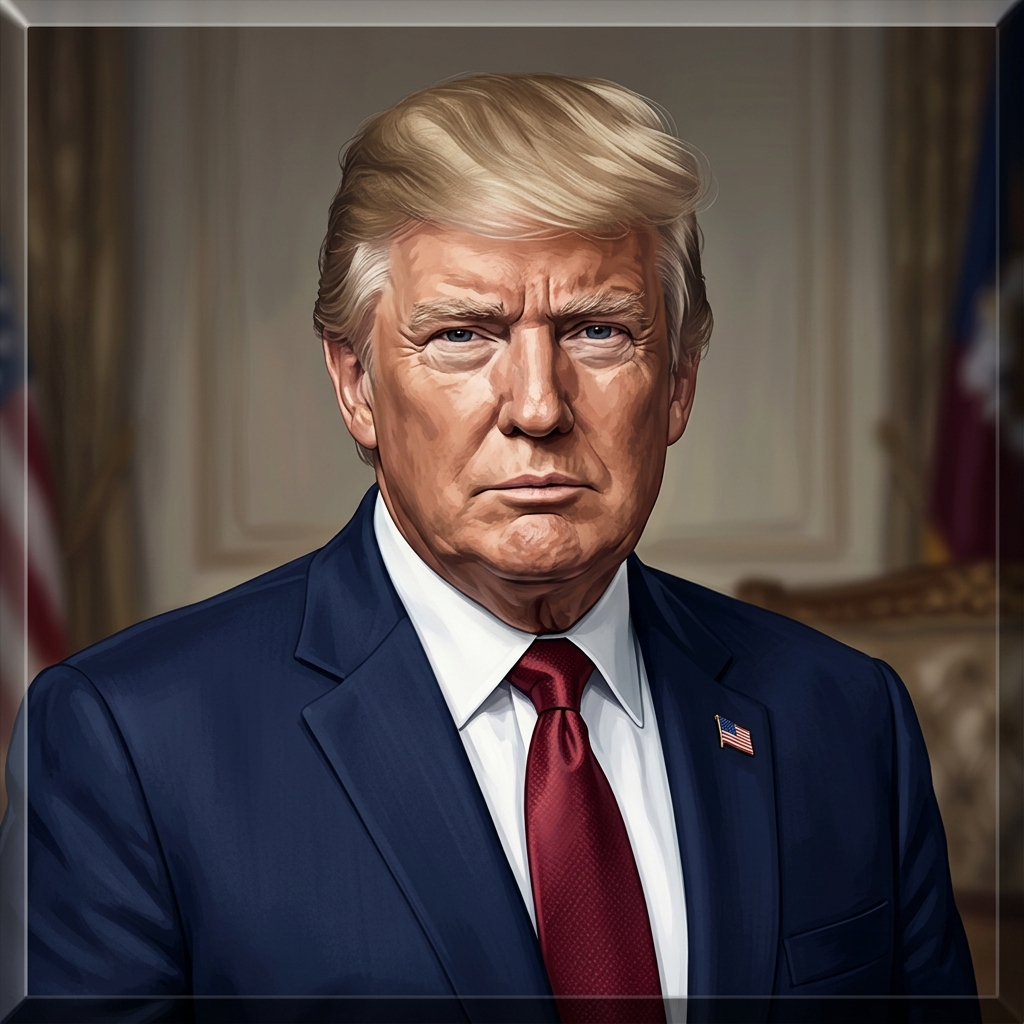
John Mearsheimer is a prominent international relations theorist and professor at the University of Chicago, known for his realist perspective on global politics.
The Trump administration refers to the executive branch of the United States government under President Donald Trump, whose foreign policy approach has been characterized by unilateralism and a focus on American interests.
Mearsheimer has publicly critiqued the Trump administration's foreign policy, describing Trump as a "unilateralist like never seen before" and arguing that the US cannot win a prolonged war with Iran due to rapid depletion of weapons stocks.
These critiques highlight a fundamental disagreement over the effectiveness and wisdom of Trump's military and diplomatic strategies, particularly regarding Iran and other global conflicts.
The stakes of this dispute are significant, as Mearsheimer's realist framework suggests that US military actions may be counterproductive and unsustainable, while the administration's policies have pursued a more assertive and unilateral course.
This clash of perspectives reflects broader debates about the role of the US in international affairs and the limits of military power.
*AI-generated summary of publicly available data. This is not an official statement of any party.
*AI-generated summary of publicly available statements and reporting. This is not an official statement of this party.
Supporters of John Mearsheimer argue that the Trump administration's approach to Iran disregards the sobering lessons of history, where great powers overextend and erode their own strength.
Supporters of John Mearsheimer argue that the Trump administration’s Iran policy ignores the inherited wisdom of measured statecraft, favoring impulsive escalation over the cultural norm of strategic restraint.
Supporters of John Mearsheimer counter that America’s cultural resilience is no substitute for the structural limits of geography and power, citing the nation’s own history of overextension in Vietnam and Iraq as proof that adaptation does not erase strategic overreach.
Supporters of John Mearsheimer argue the Trump administration’s Iran strikes lack lawful congressional authorization, making the depleting war illegal under US constitutional war powers.
Supporters of John Mearsheimer argue that Trump's Iran policy ignores legal limits on prolonged hostilities, as depleted munitions signal an undeclared war Congress never authorized, undermining constitutional checks.
Supporters of John Mearsheimer counter that self-defense claims lack a concrete, imminent threat, rendering the strikes unlawful absent congressional authorization, and that stockpile depletion is a verifiable, material constraint on escalation, not speculation.
Supporters of John Mearsheimer argue Trump's Iran gamble is a losing power play, since depleted arsenals signal Washington's bluff is exposed and Tehran holds the strategic leverage.
Supporters of John Mearsheimer argue Trump’s Iran strategy is a losing bet, as depletion of US weapons stocks hands Tehran the long-game advantage; they see the administration’s posturing as flailing, not leverage.
Supporters of John Mearsheimer counter that visible escalation only signals resolve if the threat is credible, and a near-empty stockpile invites a preemptive strike, not a bargain. Tehran reads the arsenal’s depletion as weakness, making coercion a mirage that accelerates war.
Supporters of John Mearsheimer argue that committing the US to an unwinnable Iran war is morally reckless, as it needlessly sacrifices American lives and treasure for a conflict that depletes vital weapons stocks without a viable end.
Supporters of John Mearsheimer argue that condemning American soldiers to a futile war with Iran violates a moral duty to avoid reckless sacrifice, as the loss of life cannot be justified when victory is impossible.
Supporters of John Mearsheimer counter that a moral duty to avoid catastrophic war outweighs deterrence theater, arguing that stockpiling arms against Iran fuels escalation, not safety, and that true morality lies in restraint, not reflexive confrontation.
Supporters of John Mearsheimer argue that pride in military might, not necessity, drives the Iran conflict, and that restraint reflects the ancient wisdom of avoiding ruinous overreach.
Supporters of John Mearsheimer argue that Trump’s Iran policy ignores the sober restraint of just-war tradition, which warns against wars lacking achievable, righteous ends.
Supporters of John Mearsheimer counter that divine providence cannot justify strategic overreach, as realism demands prudence, not sacred certainty, in foreign policy.
*AI-generated summary of publicly available statements and reporting. This is not an official statement of this party.
Supporters of the Trump administration argue that Mearsheimer’s pessimism ignores America’s historical resilience in protracted conflicts, citing the nation’s cultural tradition of industrial and strategic adaptation under pressure.
Supporters of Trump administration argue that Mearsheimer’s critique ignores America’s historical resolve, citing past wars where initial stock shortages were overcome by industrial mobilization, viewing Iran as a test of cultural will.
Supporters of the Trump administration counter that Mearsheimer’s history lessons ignore America’s unique cultural mission of confronting tyranny, where decisive pressure, not restraint, defines national strength.
Supporters of the Trump administration argue that the legal basis for strikes on Iran rests on self-defense and congressional war powers, dismissing Mearsheimer's depletion claims as speculative and noting that military strategy, not stockpile forecasts, defines lawful escalation.
Supporters of the Trump administration argue that the president’s lawful use of military force against Iran rests on constitutional and statutory authority, not on Mearsheimer’s speculative logistics.
Supporters of the Trump administration counter that the strikes fall within the president’s Article II authority to defend US personnel and interests, citing the 2001 AUMF and inherent self-defense under international law, which Congress has not repealed.
Supporters of Trump administration argue that Mearsheimer’s stockpile math ignores the coercive power of visible escalation, which forces Tehran to bargain before the arsenal truly empties.
Supporters of Trump administration argue Mearsheimer misreads deterrence: the US isn't seeking a long war, but a quick, overwhelming strike to force Iran's capitulation, and they insist the real power play is exhausting Tehran's proxies, not stockpiles.
Supporters of the Trump administration counter that Mearsheimer’s framework misses the coercive value of uncertainty; a depleted visible arsenal forces Tehran to overestimate U.S. resolve, turning bluff into leverage.
Supporters of the Trump administration argue that defending U.S. interests against Iran’s provocations is a moral duty, not a choice, and that Mearsheimer’s stockpile critique ignores the imperative to uphold deterrence and protect allies.
Supporters of the Trump administration argue that decisive military deterrence against Iran is a moral imperative to protect American lives and allies, rejecting Mearsheimer’s depletion claims as speculative and untested in current conflict conditions.
Supporters of the Trump administration counter that deterring Iran's nuclear ambitions is a moral imperative, as inaction risks a far deadlier regional war and protects American lives from future threats.
Supporters of the Trump administration argue that divine providence favors righteous deterrence, viewing military readiness against Iran as a God-ordained duty to protect the innocent, not a futile depletion of arms.
Supporters of the Trump administration argue that divine providence favors American resolve, viewing military readiness against Iran as a moral duty to protect the innocent, not a futile depletion of arms.
Supporters of the Trump administration counter that restraint invites evil, citing scripture that the sword is God’s servant for justice, and that defending the innocent against Iran’s aggression is a righteous duty, not ruinous pride.
AI-generated summary of publicly available statements and reporting. This is not an official statement of this party.
Supporters of John Mearsheimer argue that the Trump administration's approach to Iran disregards the sobering lessons of history, where great powers overextend and erode their own strength.
Supporters of John Mearsheimer argue that the Trump administration’s Iran policy ignores the inherited wisdom of measured statecraft, favoring impulsive escalation over the cultural norm of strategic restraint.
Supporters of John Mearsheimer counter that America’s cultural resilience is no substitute for the structural limits of geography and power, citing the nation’s own history of overextension in Vietnam and Iraq as proof that adaptation does not erase strategic overreach.
Supporters of John Mearsheimer argue the Trump administration’s Iran strikes lack lawful congressional authorization, making the depleting war illegal under US constitutional war powers.
Supporters of John Mearsheimer argue that Trump's Iran policy ignores legal limits on prolonged hostilities, as depleted munitions signal an undeclared war Congress never authorized, undermining constitutional checks.
Supporters of John Mearsheimer counter that self-defense claims lack a concrete, imminent threat, rendering the strikes unlawful absent congressional authorization, and that stockpile depletion is a verifiable, material constraint on escalation, not speculation.
Supporters of John Mearsheimer argue Trump's Iran gamble is a losing power play, since depleted arsenals signal Washington's bluff is exposed and Tehran holds the strategic leverage.
Supporters of John Mearsheimer argue Trump’s Iran strategy is a losing bet, as depletion of US weapons stocks hands Tehran the long-game advantage; they see the administration’s posturing as flailing, not leverage.
Supporters of John Mearsheimer counter that visible escalation only signals resolve if the threat is credible, and a near-empty stockpile invites a preemptive strike, not a bargain. Tehran reads the arsenal’s depletion as weakness, making coercion a mirage that accelerates war.
Supporters of John Mearsheimer argue that committing the US to an unwinnable Iran war is morally reckless, as it needlessly sacrifices American lives and treasure for a conflict that depletes vital weapons stocks without a viable end.
Supporters of John Mearsheimer argue that condemning American soldiers to a futile war with Iran violates a moral duty to avoid reckless sacrifice, as the loss of life cannot be justified when victory is impossible.
Supporters of John Mearsheimer counter that a moral duty to avoid catastrophic war outweighs deterrence theater, arguing that stockpiling arms against Iran fuels escalation, not safety, and that true morality lies in restraint, not reflexive confrontation.
Supporters of John Mearsheimer argue that pride in military might, not necessity, drives the Iran conflict, and that restraint reflects the ancient wisdom of avoiding ruinous overreach.
Supporters of John Mearsheimer argue that Trump’s Iran policy ignores the sober restraint of just-war tradition, which warns against wars lacking achievable, righteous ends.
Supporters of John Mearsheimer counter that divine providence cannot justify strategic overreach, as realism demands prudence, not sacred certainty, in foreign policy.
Supporters of the Trump administration argue that Mearsheimer’s pessimism ignores America’s historical resilience in protracted conflicts, citing the nation’s cultural tradition of industrial and strategic adaptation under pressure.
Supporters of Trump administration argue that Mearsheimer’s critique ignores America’s historical resolve, citing past wars where initial stock shortages were overcome by industrial mobilization, viewing Iran as a test of cultural will.
Supporters of the Trump administration counter that Mearsheimer’s history lessons ignore America’s unique cultural mission of confronting tyranny, where decisive pressure, not restraint, defines national strength.
Supporters of the Trump administration argue that the legal basis for strikes on Iran rests on self-defense and congressional war powers, dismissing Mearsheimer's depletion claims as speculative and noting that military strategy, not stockpile forecasts, defines lawful escalation.
Supporters of the Trump administration argue that the president’s lawful use of military force against Iran rests on constitutional and statutory authority, not on Mearsheimer’s speculative logistics.
Supporters of the Trump administration counter that the strikes fall within the president’s Article II authority to defend US personnel and interests, citing the 2001 AUMF and inherent self-defense under international law, which Congress has not repealed.
Supporters of Trump administration argue that Mearsheimer’s stockpile math ignores the coercive power of visible escalation, which forces Tehran to bargain before the arsenal truly empties.
Supporters of Trump administration argue Mearsheimer misreads deterrence: the US isn't seeking a long war, but a quick, overwhelming strike to force Iran's capitulation, and they insist the real power play is exhausting Tehran's proxies, not stockpiles.
Supporters of the Trump administration counter that Mearsheimer’s framework misses the coercive value of uncertainty; a depleted visible arsenal forces Tehran to overestimate U.S. resolve, turning bluff into leverage.
Supporters of the Trump administration argue that defending U.S. interests against Iran’s provocations is a moral duty, not a choice, and that Mearsheimer’s stockpile critique ignores the imperative to uphold deterrence and protect allies.
Supporters of the Trump administration argue that decisive military deterrence against Iran is a moral imperative to protect American lives and allies, rejecting Mearsheimer’s depletion claims as speculative and untested in current conflict conditions.
Supporters of the Trump administration counter that deterring Iran's nuclear ambitions is a moral imperative, as inaction risks a far deadlier regional war and protects American lives from future threats.
Supporters of the Trump administration argue that divine providence favors righteous deterrence, viewing military readiness against Iran as a God-ordained duty to protect the innocent, not a futile depletion of arms.
Supporters of the Trump administration argue that divine providence favors American resolve, viewing military readiness against Iran as a moral duty to protect the innocent, not a futile depletion of arms.
Supporters of the Trump administration counter that restraint invites evil, citing scripture that the sword is God’s servant for justice, and that defending the innocent against Iran’s aggression is a righteous duty, not ruinous pride.
Donald Trump knows the US can’t win a prolonged Iran war as the conflict rapidly depletes weapons stocks, Professor John Mearsheimer says Read Full Article at RT.com
Mearsheimer delivers a sharp critique of Trump's foreign policy, calling him a 'unilateralist like never seen before'.
Mearsheimer participates in a debate with Matt Duss on Trump-Putin relations, further elaborating his views on US foreign policy under Trump.
Mearsheimer comments on Trump and Israeli Prime Minister Benjamin Netanyahu, suggesting that if there were Nuremberg-style trials, certain actions would be scrutinized.
In a New Yorker interview, Mearsheimer discusses why he believes Trump is right on Ukraine, offering a nuanced view that contrasts with his critiques of other aspects of Trump's foreign policy.