Jordan

VS
Iran


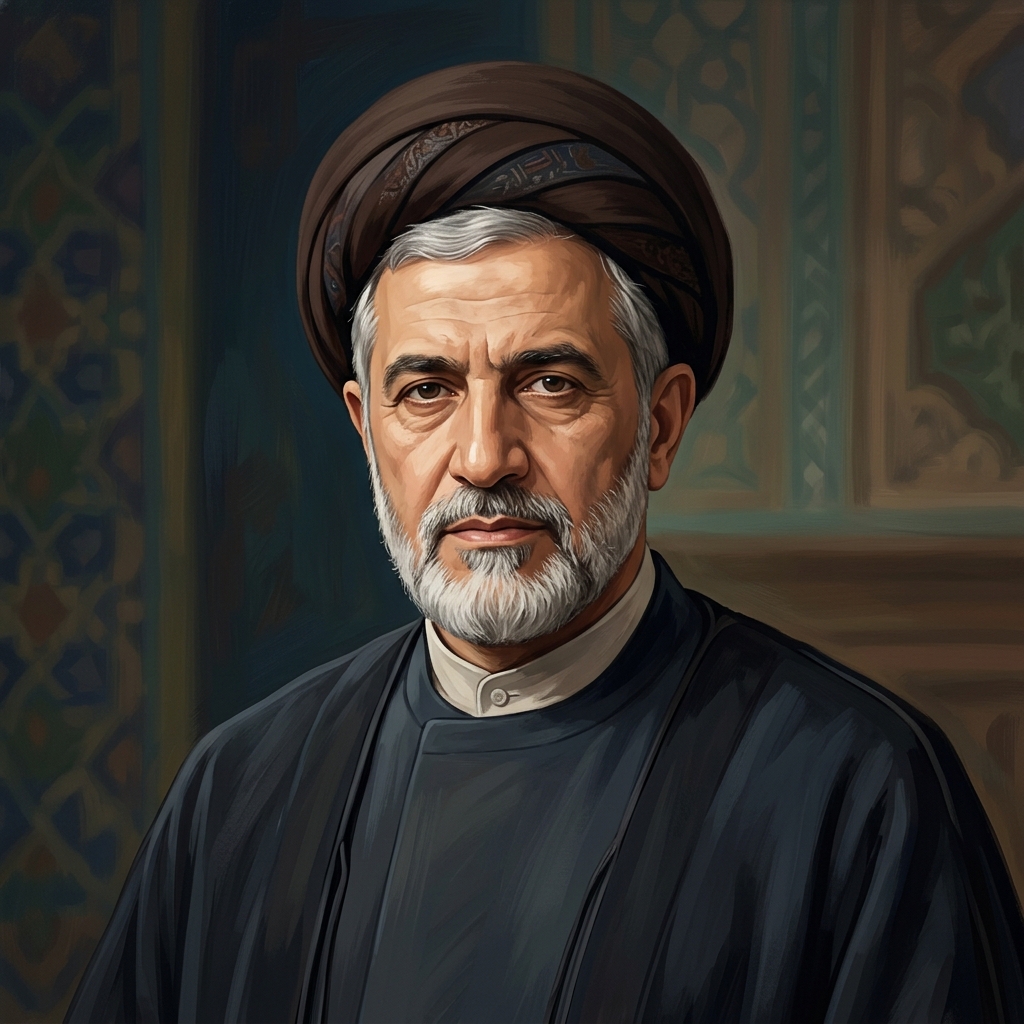
The match between Jordan and Iran encompasses both military and sporting dimensions.
Militarily, Jordan's armed forces reported intercepting five Iranian missiles, a move that underscores its defensive posture amid regional tensions involving Iran and U.S. forces in Jordan.
In the sporting realm, the two nations have competed in basketball, including a FIBA World Cup 2027 Asian Qualifiers game where Jordan secured a win over Iran.
These events highlight the multifaceted relationship between the two countries, spanning security and athletics.
*AI-generated summary of publicly available data. This is not an official statement of any party.
*AI-generated summary of publicly available statements and reporting. This is not an official statement of this party.
Supporters of Jordan frame the missile interception as cultural resilience, defending sovereignty while still competing on the court, showing that national identity thrives beyond conflict.
Supporters of Jordan frame the missile interception as cultural proof of resilience, citing the basketball win to argue their nation channels defensive strength into athletic pride.
Supporters of Jordan counter that their victory reflects a proud regional tradition of resilience, not Western mimicry, citing Jordan’s own Bedouin and Hashemite heritage of perseverance and teamwork.
Supporters of Jordan argue that the missile interception was a lawful exercise of national self-defense under Article 51 of the UN Charter, citing the downing as proportionate and strictly defensive.
Supporters of Jordan argue that its missile interception reflects lawful self-defense under international law, while its basketball victory underscores peaceful competition and adherence to global sporting rules.
Supporters of Jordan counter that international law obliges states to prevent their airspace from enabling armed attacks, per UN Charter Article 2(4) and state responsibility principles. They argue that interceptions were a lawful act of collective self-defense, not mere.
Supporters of Jordan argue the missile intercepts prove the kingdom’s real value: a U.S. shield, not a partner. By downing five Iranian rockets, Amman forces Washington to keep paying for its loyalty, while the basketball win over Iran is a cheap PR trophy to mask that.
Supporters of Jordan argue that intercepting Iranian missiles and beating Iran on the court both serve one strategic goal: demonstrating to Tehran that Amman’s deterrent power is credible, not just defensive.
Supporters of Jordan counter that interceptions were a calculated signal to Tehran, not subservience; Amman used U.S. hardware to buy leverage, proving deterrence works both ways. They argue the basketball loss is a sideshow—real power lies in Jordan’s ability to extract.
Supporters of Jordan argue that its missile interception reflects a moral duty to shield civilians, framing defense as a righteous act, while the basketball win showcases peaceful rivalry over hostility.
Supporters of Jordan argue that defending national sovereignty by intercepting missiles is a moral duty, while competing fairly in sport shows integrity; they see both acts as proof that strength and honor can coexist.
Supporters of Jordan counter that the kingdom's interceptions embody a moral duty to protect innocent lives from indiscriminate strikes, prioritizing humanitarian safety over ideological alignment.
Supporters of Jordan view the missile interception as righteous defense sanctioned by divine providence, citing scripture that shields the faithful from harm.
Supporters of Jordan view the missile interception as righteous defense, citing scripture that nations may guard their borders, while the basketball victory reflects divine favor on disciplined effort.
Supporters of Jordan counter that protecting innocent lives is the highest sacred duty, as scripture forbids aggression and mandates peace among believers, making interception an act of faithfulness rather than betrayal.
*AI-generated summary of publicly available statements and reporting. This is not an official statement of this party.
Supporters of Iran view the basketball defeat as a matter of cultural pride, arguing that Jordan’s win reflects Western-influenced athletic trends rather than genuine regional sporting heritage, which Iranians uphold through their own distinct traditions.
Supporters of Iran see the basketball loss as a matter of national pride, arguing that Iran's cultural and sporting identity remains resilient beyond a single match. They point to the missile interception as evidence of external military pressure, yet maintain that Iran's.
Supporters of Iran counter that Jordan’s framing ignores how the missile strikes embody a daily cultural siege, where survival itself becomes the performance, not mere competition.
Supporters of Iran argue that the missile interceptions by Jordan reflect a broader legal obligation to defend national airspace, which Iran respects as a sovereign right, while the basketball contest remains a matter of sport, separate from state conduct.
Supporters of Iran argue that the missile interception lacks legal justification, as Iran maintains its strikes were a lawful response to prior U.S. actions in the region, not a threat to Jordan.
Supporters of Iran counter that Article 51 self-defense requires an armed attack against the state invoking it, and Jordan’s interception occurred without any direct threat to its territory, making the action an unlawful unilateral intervention rather than proportionate defense.
Supporters of Iran argue the missile interceptions prove Jordan’s alignment with U.S. power, not defense, exposing Amman’s strategic dependence on Washington; they see the basketball loss as a minor morale setback, irrelevant to Tehran’s regional calculus, where coercion, not.
Supporters of Iran argue that Jordan’s missile interception is a calculated display for Washington, masking Amman’s real fear of escalation; the basketball loss, they insist, is a minor distraction from Tehran’s strategic patience in the region.
Supporters of Iran counter that Amman’s intercepts are less a shield and more a leash—each downed rocket deepens Washington’s dependency on Jordan’s geography, while the basketball loss exposes a regime more invested in spectacle than sovereignty.
Supporters of Iran argue that the missile interceptions by Jordan reflect a broader moral failing, where regional alliances prioritize foreign military presence over Islamic solidarity and shared sovereignty.
Supporters of Iran argue that the missile interceptions by Jordan reflect a defensive alliance that unfairly frames Iran as an aggressor, while the basketball loss is seen as a minor setback that does not overshadow Iran's broader regional sovereignty and cultural pride.
Supporters of Iran counter that Jordan’s interception shields one side’s civilians while ignoring the moral weight of its own strikes, arguing that true righteousness demands equal regard for all lives, not selective defense.
Supporters of Iran argue that its missile actions reflect a sacred duty to defend the region’s Islamic order, viewing Jordan’s interception as a betrayal of shared religious heritage.
Supporters of Iran view the missile interception as a defensive act against foreign aggression, while the basketball loss is seen as a test of resilience; they maintain that Iran's faith-based unity will endure through both military and sporting challenges.
Supporters of Iran counter that divine protection extends to all believers, not a single nation, and cite scripture where faith, not borders, determines sanctuary.
AI-generated summary of publicly available statements and reporting. This is not an official statement of this party.
Supporters of Jordan frame the missile interception as cultural resilience, defending sovereignty while still competing on the court, showing that national identity thrives beyond conflict.
Supporters of Jordan frame the missile interception as cultural proof of resilience, citing the basketball win to argue their nation channels defensive strength into athletic pride.
Supporters of Jordan counter that their victory reflects a proud regional tradition of resilience, not Western mimicry, citing Jordan’s own Bedouin and Hashemite heritage of perseverance and teamwork.
Supporters of Jordan argue that the missile interception was a lawful exercise of national self-defense under Article 51 of the UN Charter, citing the downing as proportionate and strictly defensive.
Supporters of Jordan argue that its missile interception reflects lawful self-defense under international law, while its basketball victory underscores peaceful competition and adherence to global sporting rules.
Supporters of Jordan counter that international law obliges states to prevent their airspace from enabling armed attacks, per UN Charter Article 2(4) and state responsibility principles. They argue that interceptions were a lawful act of collective self-defense, not mere.
Supporters of Jordan argue the missile intercepts prove the kingdom’s real value: a U.S. shield, not a partner. By downing five Iranian rockets, Amman forces Washington to keep paying for its loyalty, while the basketball win over Iran is a cheap PR trophy to mask that.
Supporters of Jordan argue that intercepting Iranian missiles and beating Iran on the court both serve one strategic goal: demonstrating to Tehran that Amman’s deterrent power is credible, not just defensive.
Supporters of Jordan counter that interceptions were a calculated signal to Tehran, not subservience; Amman used U.S. hardware to buy leverage, proving deterrence works both ways. They argue the basketball loss is a sideshow—real power lies in Jordan’s ability to extract.
Supporters of Jordan argue that its missile interception reflects a moral duty to shield civilians, framing defense as a righteous act, while the basketball win showcases peaceful rivalry over hostility.
Supporters of Jordan argue that defending national sovereignty by intercepting missiles is a moral duty, while competing fairly in sport shows integrity; they see both acts as proof that strength and honor can coexist.
Supporters of Jordan counter that the kingdom's interceptions embody a moral duty to protect innocent lives from indiscriminate strikes, prioritizing humanitarian safety over ideological alignment.
Supporters of Jordan view the missile interception as righteous defense sanctioned by divine providence, citing scripture that shields the faithful from harm.
Supporters of Jordan view the missile interception as righteous defense, citing scripture that nations may guard their borders, while the basketball victory reflects divine favor on disciplined effort.
Supporters of Jordan counter that protecting innocent lives is the highest sacred duty, as scripture forbids aggression and mandates peace among believers, making interception an act of faithfulness rather than betrayal.
Supporters of Iran view the basketball defeat as a matter of cultural pride, arguing that Jordan’s win reflects Western-influenced athletic trends rather than genuine regional sporting heritage, which Iranians uphold through their own distinct traditions.
Supporters of Iran see the basketball loss as a matter of national pride, arguing that Iran's cultural and sporting identity remains resilient beyond a single match. They point to the missile interception as evidence of external military pressure, yet maintain that Iran's.
Supporters of Iran counter that Jordan’s framing ignores how the missile strikes embody a daily cultural siege, where survival itself becomes the performance, not mere competition.
Supporters of Iran argue that the missile interceptions by Jordan reflect a broader legal obligation to defend national airspace, which Iran respects as a sovereign right, while the basketball contest remains a matter of sport, separate from state conduct.
Supporters of Iran argue that the missile interception lacks legal justification, as Iran maintains its strikes were a lawful response to prior U.S. actions in the region, not a threat to Jordan.
Supporters of Iran counter that Article 51 self-defense requires an armed attack against the state invoking it, and Jordan’s interception occurred without any direct threat to its territory, making the action an unlawful unilateral intervention rather than proportionate defense.
Supporters of Iran argue the missile interceptions prove Jordan’s alignment with U.S. power, not defense, exposing Amman’s strategic dependence on Washington; they see the basketball loss as a minor morale setback, irrelevant to Tehran’s regional calculus, where coercion, not.
Supporters of Iran argue that Jordan’s missile interception is a calculated display for Washington, masking Amman’s real fear of escalation; the basketball loss, they insist, is a minor distraction from Tehran’s strategic patience in the region.
Supporters of Iran counter that Amman’s intercepts are less a shield and more a leash—each downed rocket deepens Washington’s dependency on Jordan’s geography, while the basketball loss exposes a regime more invested in spectacle than sovereignty.
Supporters of Iran argue that the missile interceptions by Jordan reflect a broader moral failing, where regional alliances prioritize foreign military presence over Islamic solidarity and shared sovereignty.
Supporters of Iran argue that the missile interceptions by Jordan reflect a defensive alliance that unfairly frames Iran as an aggressor, while the basketball loss is seen as a minor setback that does not overshadow Iran's broader regional sovereignty and cultural pride.
Supporters of Iran counter that Jordan’s interception shields one side’s civilians while ignoring the moral weight of its own strikes, arguing that true righteousness demands equal regard for all lives, not selective defense.
Supporters of Iran argue that its missile actions reflect a sacred duty to defend the region’s Islamic order, viewing Jordan’s interception as a betrayal of shared religious heritage.
Supporters of Iran view the missile interception as a defensive act against foreign aggression, while the basketball loss is seen as a test of resilience; they maintain that Iran's faith-based unity will endure through both military and sporting challenges.
Supporters of Iran counter that divine protection extends to all believers, not a single nation, and cite scripture where faith, not borders, determines sanctuary.
Witnesses have captured the moment Jordanian air defence systems intercepted a barrage of Iranian ballistic missiles.
Jordan won a basketball game against Iran in the FIBA Basketball World Cup 2027 Asian Qualifiers, with Jalen Harris' poster dunk highlighted in the win.
Jordan and Iran were scheduled to play a basketball game on July 2, 2026, as part of FIBA World Cup Qualification, Asia & Oceania.