Joshua Kushner

VS
FIFA leadership
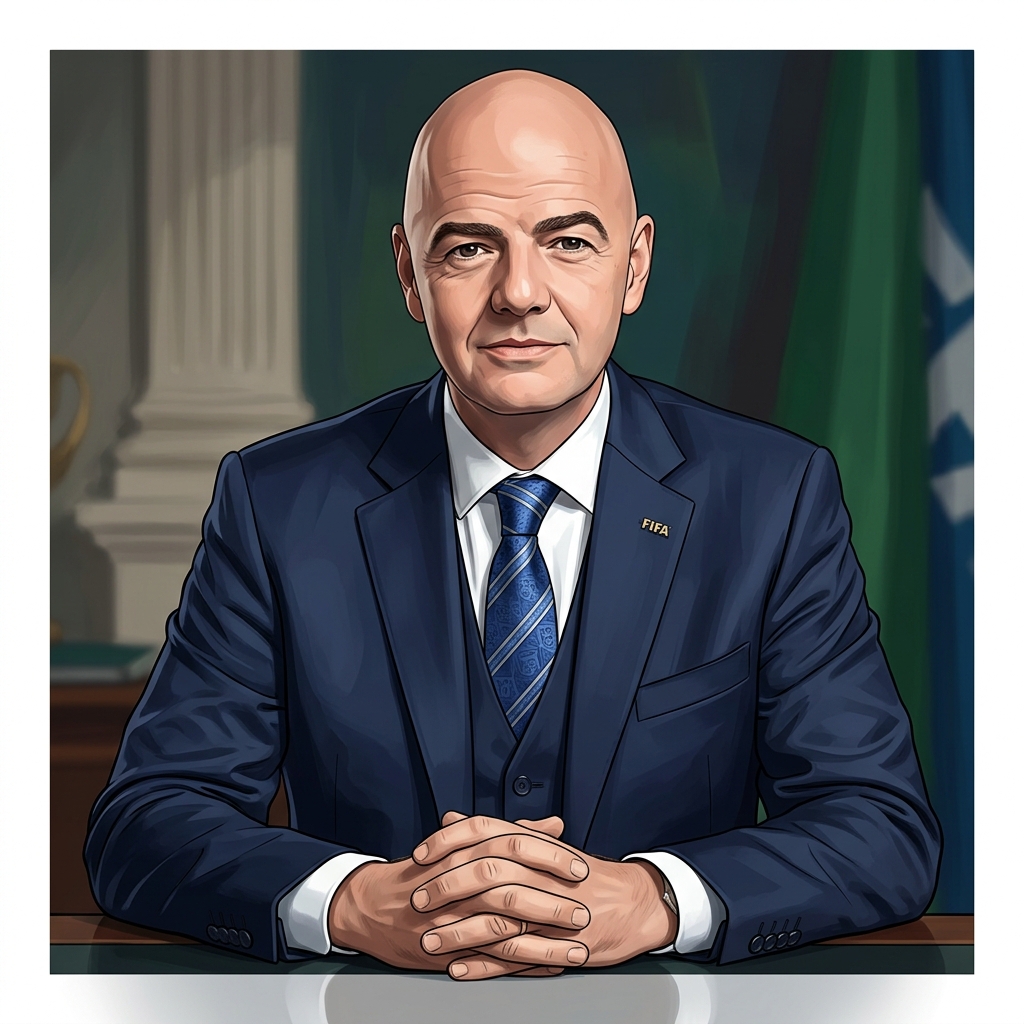
Joshua Kushner is an American venture capitalist and the founder of Thrive Capital, known for his investments in technology and sports.
He is also the brother of Jared Kushner, the son-in-law of former U.S.
President Donald Trump.
FIFA leadership refers to the governing body of international football, led by President Gianni Infantino, which oversees the World Cup and other global competitions.
The conflict centers on a now-abandoned plan to partially privatize FIFA by creating a new commercial subsidiary.
Under this plan, Kushner's Thrive Capital was to pay $4.2 billion for a stake, but the proposal faced strong opposition, particularly from European soccer federations, leading to its failure.
Kushner has publicly expressed regret over his involvement, while European soccer officials have sought to subpoena him and have considered criminal cases against FIFA leadership, highlighting a deep rift in football governance.
*AI-generated summary of publicly available data. This is not an official statement of any party.
*AI-generated summary of publicly available statements and reporting. This is not an official statement of this party.
Supporters of Joshua Kushner argue that football’s culture of factional loyalty, not technical flaws, drives FIFA’s crisis, with Infantino’s leadership clashing against traditional governance identities that resist centralized control over the World Cup’s future.
Supporters of Joshua Kushner argue that football's leadership crisis stems from clashing national football cultures, not just governance failure, and that FIFA President Gianni Infantino's World Cup plan was derailed by factions defending their own domestic football identities.
Supporters of Joshua Kushner counter that FIFA’s governance has diluted football’s cultural roots by prioritizing corporate sponsorship over local fan traditions, citing the 2022 World Cup’s displacement of migrant workers’ communities as evidence that stability without cultural.
Supporters of Joshua Kushner argue that FIFA's governance crisis stems from Infantino's failure to follow its own legal statutes, which mandate transparent decision-making.
Supporters of Joshua Kushner argue that FIFA President Gianni Infantino's role invites legal scrutiny under governance rules, as the World Cup plan fallout reflects a breach of fiduciary duty to neutral decision-making.
Supporters of Joshua Kushner counter that FIFA’s own statutes require transparent bidding and conflict-of-interest reviews, a standard the World Cup plan bypassed.
Supporters of Joshua Kushner argue that Infantino’s crisis is pure realpolitik, where factions weaponize World Cup plans to seize control, and Kushner’s diagnosis exposes the power play beneath FIFA’s veneer.
Supporters of Joshua Kushner argue Gianni Infantino’s crisis is pure realpolitik: FIFA’s World Cup plan collapsed because rival factions moved to check Infantino’s power, not over ideology.
Supporters of Joshua Kushner counter that Infantino’s consolidation is precisely the crisis—power hoarded by a few protects their own revenue, not the sport.
Supporters of Joshua Kushner argue that moral progress in football requires embracing transparency over entrenched political interests, viewing Infantino's crisis as a necessary disruption.
Supporters of Joshua Kushner argue that football's governance crisis is a moral failure of leadership, where Gianni Infantino’s FIFA prioritizes political factionalism over the sport's global unity, and they view this as a betrayal of the game's promise to fans.
Supporters of Joshua Kushner counter that unity without accountability is not steadiness but complicity, arguing moral failure lies in prioritizing institutional harmony over the voices of exploited workers and fans.
Supporters of Joshua Kushner argue that the FIFA crisis reflects a fall from righteous stewardship, where football governance, like any worldly institution, suffers when leaders prioritize political power over their divine duty to serve the game’s community.
Supporters of Joshua Kushner argue that FIFA’s World Cup turmoil reflects a fallen human order, where pride and ambition, not divine stewardship, govern football’s leaders.
Advocates for Joshua Kushner counter that no tradition sanctifies greed, for scripture warns against idolizing worldly spectacle; FIFA’s “sacred” World Cup, they argue, bows to Mammon, not God.
*AI-generated summary of publicly available statements and reporting. This is not an official statement of this party.
Supporters of FIFA leadership argue that Kushner's critique ignores football's cultural role as a unifying global tradition, where stable governance preserves the sport's heritage across nations.
Supporters of FIFA leadership argue that the World Cup's enduring global order rests on institutional continuity, not transient investor critiques.
Supporters of FIFA leadership counter that factional loyalty is itself the product of inherited rivalries, not a cause of crisis, and that Infantino’s centralized stewardship preserves the World Cup’s cultural continuity against parochial interests.
Supporters of FIFA leadership argue that its World Cup plan adhered to established governance statutes, and they cite Kushner's own remarks as evidence that the fallout stems from external political dynamics, not legal violations by President Infantino.
Supporters of FIFA leadership argue that global football governance requires legal consistency, and that Infantino's mandate stems from statutory authority, not political maneuvering, with critics conflating procedural disputes with institutional crisis.
Supporters of FIFA leadership counter that legal statutes require procedural compliance, not open deliberation, and note Infantino’s actions have adhered to the governing framework’s letter, with any transparency disputes resolved through established judicial channels.
Supporters of FIFA leadership argue Kushner misreads the game: Infantino's consolidation is survival, not crisis, and the World Cup plan's fallout is a power play by rival federations defending their turf.
Supporters of FIFA leadership argue Kushner misreads the game: Infantino’s crisis is not a flaw but a power play, where rival blocs seek control of World Cup spoils, and the president’s survival hinges on outmaneuvering them, not appeasing investors.
Supporters of FIFA leadership counter that Kushner’s diagnosis misreads the boardroom: Infantino’s crisis is managed leverage, not chaos, and World Cup plans serve as currency to consolidate, not cede, power.
Supporters of FIFA leadership argue that Infantino's critics, like Kushner, mistake governance friction for moral failure, ignoring that unity of purpose has historically steadied football through past crises.
Supporters of FIFA leadership argue that Infantino's critics mistake institutional continuity for crisis, and that football's political dynamics have always shaped World Cup decisions.
Supporters of FIFA leadership counter that moral progress in football derives from institutional stability, not disruptive transparency, citing past governance reforms that safeguarded the sport's integrity.
Supporters of FIFA leadership argue that Infantino’s stewardship preserves football’s global unity, treating the World Cup as a sacred tradition that transcends transient political squabbles.
Supporters of FIFA leadership argue that football's governance rests on institutional order, not transient political winds; they view Infantino's stewardship as preserving the World Cup's sacred continuity against disruptive factionalism.
Supporters of FIFA leadership counter that the crisis reflects not a fall from stewardship but a test of endurance, where established governance, like scripture, is judged by its capacity to preserve order through trial rather than by fleeting moral applause.
AI-generated summary of publicly available statements and reporting. This is not an official statement of this party.
Supporters of Joshua Kushner argue that football’s culture of factional loyalty, not technical flaws, drives FIFA’s crisis, with Infantino’s leadership clashing against traditional governance identities that resist centralized control over the World Cup’s future.
Supporters of Joshua Kushner argue that football's leadership crisis stems from clashing national football cultures, not just governance failure, and that FIFA President Gianni Infantino's World Cup plan was derailed by factions defending their own domestic football identities.
Supporters of Joshua Kushner counter that FIFA’s governance has diluted football’s cultural roots by prioritizing corporate sponsorship over local fan traditions, citing the 2022 World Cup’s displacement of migrant workers’ communities as evidence that stability without cultural.
Supporters of Joshua Kushner argue that FIFA's governance crisis stems from Infantino's failure to follow its own legal statutes, which mandate transparent decision-making.
Supporters of Joshua Kushner argue that FIFA President Gianni Infantino's role invites legal scrutiny under governance rules, as the World Cup plan fallout reflects a breach of fiduciary duty to neutral decision-making.
Supporters of Joshua Kushner counter that FIFA’s own statutes require transparent bidding and conflict-of-interest reviews, a standard the World Cup plan bypassed.
Supporters of Joshua Kushner argue that Infantino’s crisis is pure realpolitik, where factions weaponize World Cup plans to seize control, and Kushner’s diagnosis exposes the power play beneath FIFA’s veneer.
Supporters of Joshua Kushner argue Gianni Infantino’s crisis is pure realpolitik: FIFA’s World Cup plan collapsed because rival factions moved to check Infantino’s power, not over ideology.
Supporters of Joshua Kushner counter that Infantino’s consolidation is precisely the crisis—power hoarded by a few protects their own revenue, not the sport.
Supporters of Joshua Kushner argue that moral progress in football requires embracing transparency over entrenched political interests, viewing Infantino's crisis as a necessary disruption.
Supporters of Joshua Kushner argue that football's governance crisis is a moral failure of leadership, where Gianni Infantino’s FIFA prioritizes political factionalism over the sport's global unity, and they view this as a betrayal of the game's promise to fans.
Supporters of Joshua Kushner counter that unity without accountability is not steadiness but complicity, arguing moral failure lies in prioritizing institutional harmony over the voices of exploited workers and fans.
Supporters of Joshua Kushner argue that the FIFA crisis reflects a fall from righteous stewardship, where football governance, like any worldly institution, suffers when leaders prioritize political power over their divine duty to serve the game’s community.
Supporters of Joshua Kushner argue that FIFA’s World Cup turmoil reflects a fallen human order, where pride and ambition, not divine stewardship, govern football’s leaders.
Advocates for Joshua Kushner counter that no tradition sanctifies greed, for scripture warns against idolizing worldly spectacle; FIFA’s “sacred” World Cup, they argue, bows to Mammon, not God.
Supporters of FIFA leadership argue that Kushner's critique ignores football's cultural role as a unifying global tradition, where stable governance preserves the sport's heritage across nations.
Supporters of FIFA leadership argue that the World Cup's enduring global order rests on institutional continuity, not transient investor critiques.
Supporters of FIFA leadership counter that factional loyalty is itself the product of inherited rivalries, not a cause of crisis, and that Infantino’s centralized stewardship preserves the World Cup’s cultural continuity against parochial interests.
Supporters of FIFA leadership argue that its World Cup plan adhered to established governance statutes, and they cite Kushner's own remarks as evidence that the fallout stems from external political dynamics, not legal violations by President Infantino.
Supporters of FIFA leadership argue that global football governance requires legal consistency, and that Infantino's mandate stems from statutory authority, not political maneuvering, with critics conflating procedural disputes with institutional crisis.
Supporters of FIFA leadership counter that legal statutes require procedural compliance, not open deliberation, and note Infantino’s actions have adhered to the governing framework’s letter, with any transparency disputes resolved through established judicial channels.
Supporters of FIFA leadership argue Kushner misreads the game: Infantino's consolidation is survival, not crisis, and the World Cup plan's fallout is a power play by rival federations defending their turf.
Supporters of FIFA leadership argue Kushner misreads the game: Infantino’s crisis is not a flaw but a power play, where rival blocs seek control of World Cup spoils, and the president’s survival hinges on outmaneuvering them, not appeasing investors.
Supporters of FIFA leadership counter that Kushner’s diagnosis misreads the boardroom: Infantino’s crisis is managed leverage, not chaos, and World Cup plans serve as currency to consolidate, not cede, power.
Supporters of FIFA leadership argue that Infantino's critics, like Kushner, mistake governance friction for moral failure, ignoring that unity of purpose has historically steadied football through past crises.
Supporters of FIFA leadership argue that Infantino's critics mistake institutional continuity for crisis, and that football's political dynamics have always shaped World Cup decisions.
Supporters of FIFA leadership counter that moral progress in football derives from institutional stability, not disruptive transparency, citing past governance reforms that safeguarded the sport's integrity.
Supporters of FIFA leadership argue that Infantino’s stewardship preserves football’s global unity, treating the World Cup as a sacred tradition that transcends transient political squabbles.
Supporters of FIFA leadership argue that football's governance rests on institutional order, not transient political winds; they view Infantino's stewardship as preserving the World Cup's sacred continuity against disruptive factionalism.
Supporters of FIFA leadership counter that the crisis reflects not a fall from stewardship but a test of endurance, where established governance, like scripture, is judged by its capacity to preserve order through trial rather than by fleeting moral applause.
Investor Joshua Kushner blames football's 'political dynamics' for FIFA's leadership crisis involving Gianni Infantino.
Josh Kushner spoke publicly for the first time about his failed efforts to help form a new commercial subsidiary for FIFA.
European soccer federations sought to subpoena Josh Kushner in U.S. courts over the failed FIFA privatization plan, escalating the dispute.
Josh Kushner closed the largest sports deal in American history, which became entangled with the FIFA controversy from weeks earlier.