Kenyan survivors
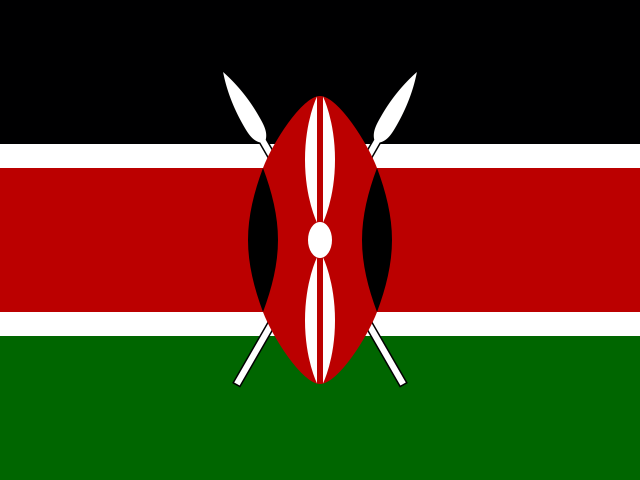
VS
UK military

Kenyan survivors are challenging the UK military over decades of alleged abuses and the immunity that has shielded it.
The dispute centers on whether the UK military should continue to enjoy immunity from Kenyan legal claims.
*AI-generated summary of publicly available data. This is not an official statement of any party.
*AI-generated summary of publicly available statements and reporting. This is not an official statement of this party.
Supporters of Kenyan survivors argue that British military immunity denies Kenyans equal standing before the law, echoing colonial-era patterns where foreign forces answered to no local authority.
Supporters of Kenyan survivors argue that immunity lets UK military abuses go unanswered, denying Kenyans the cultural closure and accountability their communities have long sought.
Supporters of Kenyan survivors counter that sovereignty talk rings hollow when colonial-era land seizures and military abuses already displaced communities, so cultural memory demands local accountability, not foreign immunity.
Supporters of Kenyan survivors argue that blanket immunity lets UK forces escape Kenyan courts for alleged abuses, and that sovereignty requires victims get a fair legal hearing.
Supporters of Kenyan survivors argue that legal immunity shielding the UK military denies them any remedy for alleged abuses, so they seek accountability through Kenyan courts.
Supporters of Kenyan survivors counter that a status-of-forces agreement cannot bar Kenyan jurisdiction over torts committed on Kenyan soil, since Kenyan courts retain adjudicative authority absent an express waiver.
Supporters of Kenyan survivors argue that the UK military's immunity is a power shield, not justice—so they target the political cost of shielding abuses, betting London values reputation over legal cover.
Supporters of Kenyan survivors argue that Britain’s immunity is not justice but leverage, and that survivors must force the UK to trade legal exposure for diplomatic goodwill.
Supporters of Kenyan survivors counter that immunity is itself the leverage: it lets the UK label abuse claims non-binding while training continues, so survivors see litigation as the only lever left to force accountability.
Supporters of Kenyan survivors argue that immunity shielding the UK military denies them a fair hearing, and that moral accountability should not be traded away for security ties.
Supporters of Kenyan survivors argue that immunity lets the UK military escape moral accountability, so they contend that justice for alleged abuses requires letting Kenyan legal claims proceed.
Supporters of Kenyan survivors counter that immunity denies them any meaningful remedy, since UK courts rarely hear claims arising from operations abroad, leaving survivors with no forum to seek moral accountability.
Supporters of Kenyan survivors argue that military immunity shields grave wrongs from moral reckoning, and that religious teaching holds the powerful accountable before a higher law.
Supporters of Kenyan survivors argue that religious teaching on justice holds the wronged entitled to redress, so immunity shielding the UK military from Kenyan courts cannot stand.
Supporters of Kenyan survivors counter that Romans 13 grants no earthly ruler immunity from judgment, since Scripture holds the powerful to account for the innocent blood they shed.
*AI-generated summary of publicly available statements and reporting. This is not an official statement of this party.
Supporters of the UK military argue that immunity reflects a sovereign defence relationship with Kenya, and that foreign courts should not adjudicate another state's military conduct.
Supporters of the UK military argue that immunity is essential to preserving the operational independence and cultural identity of British forces abroad, and that Kenyan courts lack jurisdiction over sovereign defence activities.
Supporters of UK military counter that status-of-forces agreements are standard sovereign arrangements between allied states, not colonial relics, and that Kenyan sovereignty is exercised precisely by negotiating such terms.
Supporters of UK military argue that immunity rests on lawful status-of-forces agreements, so Kenyan claims belong in UK courts or diplomatic channels, not Kenyan jurisdiction.
Supporters of UK military argue that immunity rests on lawful jurisdictional limits, not denial of justice, and that claims should proceed through established bilateral or treaty channels rather than Kenyan courts.
Supporters of the UK military counter that international legal agreements, including status-of-forces arrangements, place jurisdiction over visiting forces with the sending state, not Kenyan courts.
Supporters of UK military argue that immunity shields vital training operations from costly litigation, preserving strategic leverage in East Africa. They maintain that pragmatic security ties outweigh claims lacking binding legal force.
Supporters of the UK military argue that immunity is a strategic necessity: without it, training operations in Kenya become legally untenable, eroding a security partnership that serves both nations' interests.
Supporters of the UK military counter that reputation is the shield: London absorbs noise but never cedes jurisdiction, since precedent, not sympathy, decides which claims states can afford to entertain.
Supporters of UK military argue that immunity is morally necessary to keep British forces operating abroad without foreign courts second-guessing sovereign defense decisions, and that accountability belongs with UK courts, not Kenyan ones.
Supporters of UK military argue that immunity from Kenyan legal claims is morally justified because it protects sovereign defense operations and prevents courts from second-guessing military decisions made under difficult conditions abroad.
Supporters of the UK military counter that a nation's moral duty to shield its service members from foreign litigation is itself a legitimate claim, since no army can function if every operation exposes troops to open-ended legal liability abroad.
Supporters of UK military argue that sovereign immunity is a lawful, God-ordained restraint on earthly judgment, citing Romans 13 that governing authorities are established by God and answer to Him alone.
Supporters of UK military argue that legal immunity is a lawful sovereign shield, not a moral exemption, and that scripture bids nations obey just authority; they maintain claims belong in agreed forums, not Kenyan courts.
Supporters of UK military counter that scripture itself (Romans 13) ordains governing authority as God's servant, so lawful immunity is not evasion of divine law but its instrument.
AI-generated summary of publicly available statements and reporting. This is not an official statement of this party.
Supporters of Kenyan survivors argue that British military immunity denies Kenyans equal standing before the law, echoing colonial-era patterns where foreign forces answered to no local authority.
Supporters of Kenyan survivors argue that immunity lets UK military abuses go unanswered, denying Kenyans the cultural closure and accountability their communities have long sought.
Supporters of Kenyan survivors counter that sovereignty talk rings hollow when colonial-era land seizures and military abuses already displaced communities, so cultural memory demands local accountability, not foreign immunity.
Supporters of Kenyan survivors argue that blanket immunity lets UK forces escape Kenyan courts for alleged abuses, and that sovereignty requires victims get a fair legal hearing.
Supporters of Kenyan survivors argue that legal immunity shielding the UK military denies them any remedy for alleged abuses, so they seek accountability through Kenyan courts.
Supporters of Kenyan survivors counter that a status-of-forces agreement cannot bar Kenyan jurisdiction over torts committed on Kenyan soil, since Kenyan courts retain adjudicative authority absent an express waiver.
Supporters of Kenyan survivors argue that the UK military's immunity is a power shield, not justice—so they target the political cost of shielding abuses, betting London values reputation over legal cover.
Supporters of Kenyan survivors argue that Britain’s immunity is not justice but leverage, and that survivors must force the UK to trade legal exposure for diplomatic goodwill.
Supporters of Kenyan survivors counter that immunity is itself the leverage: it lets the UK label abuse claims non-binding while training continues, so survivors see litigation as the only lever left to force accountability.
Supporters of Kenyan survivors argue that immunity shielding the UK military denies them a fair hearing, and that moral accountability should not be traded away for security ties.
Supporters of Kenyan survivors argue that immunity lets the UK military escape moral accountability, so they contend that justice for alleged abuses requires letting Kenyan legal claims proceed.
Supporters of Kenyan survivors counter that immunity denies them any meaningful remedy, since UK courts rarely hear claims arising from operations abroad, leaving survivors with no forum to seek moral accountability.
Supporters of Kenyan survivors argue that military immunity shields grave wrongs from moral reckoning, and that religious teaching holds the powerful accountable before a higher law.
Supporters of Kenyan survivors argue that religious teaching on justice holds the wronged entitled to redress, so immunity shielding the UK military from Kenyan courts cannot stand.
Supporters of Kenyan survivors counter that Romans 13 grants no earthly ruler immunity from judgment, since Scripture holds the powerful to account for the innocent blood they shed.
Supporters of the UK military argue that immunity reflects a sovereign defence relationship with Kenya, and that foreign courts should not adjudicate another state's military conduct.
Supporters of the UK military argue that immunity is essential to preserving the operational independence and cultural identity of British forces abroad, and that Kenyan courts lack jurisdiction over sovereign defence activities.
Supporters of UK military counter that status-of-forces agreements are standard sovereign arrangements between allied states, not colonial relics, and that Kenyan sovereignty is exercised precisely by negotiating such terms.
Supporters of UK military argue that immunity rests on lawful status-of-forces agreements, so Kenyan claims belong in UK courts or diplomatic channels, not Kenyan jurisdiction.
Supporters of UK military argue that immunity rests on lawful jurisdictional limits, not denial of justice, and that claims should proceed through established bilateral or treaty channels rather than Kenyan courts.
Supporters of the UK military counter that international legal agreements, including status-of-forces arrangements, place jurisdiction over visiting forces with the sending state, not Kenyan courts.
Supporters of UK military argue that immunity shields vital training operations from costly litigation, preserving strategic leverage in East Africa. They maintain that pragmatic security ties outweigh claims lacking binding legal force.
Supporters of the UK military argue that immunity is a strategic necessity: without it, training operations in Kenya become legally untenable, eroding a security partnership that serves both nations' interests.
Supporters of the UK military counter that reputation is the shield: London absorbs noise but never cedes jurisdiction, since precedent, not sympathy, decides which claims states can afford to entertain.
Supporters of UK military argue that immunity is morally necessary to keep British forces operating abroad without foreign courts second-guessing sovereign defense decisions, and that accountability belongs with UK courts, not Kenyan ones.
Supporters of UK military argue that immunity from Kenyan legal claims is morally justified because it protects sovereign defense operations and prevents courts from second-guessing military decisions made under difficult conditions abroad.
Supporters of the UK military counter that a nation's moral duty to shield its service members from foreign litigation is itself a legitimate claim, since no army can function if every operation exposes troops to open-ended legal liability abroad.
Supporters of UK military argue that sovereign immunity is a lawful, God-ordained restraint on earthly judgment, citing Romans 13 that governing authorities are established by God and answer to Him alone.
Supporters of UK military argue that legal immunity is a lawful sovereign shield, not a moral exemption, and that scripture bids nations obey just authority; they maintain claims belong in agreed forums, not Kenyan courts.
Supporters of UK military counter that scripture itself (Romans 13) ordains governing authority as God's servant, so lawful immunity is not evasion of divine law but its instrument.
Kenyan survivors are challenging the UK military over decades of alleged abuses — and the immunity that has shielded it.