Corruption accusers
?
No actors in this side.
VS
Khurelsukh
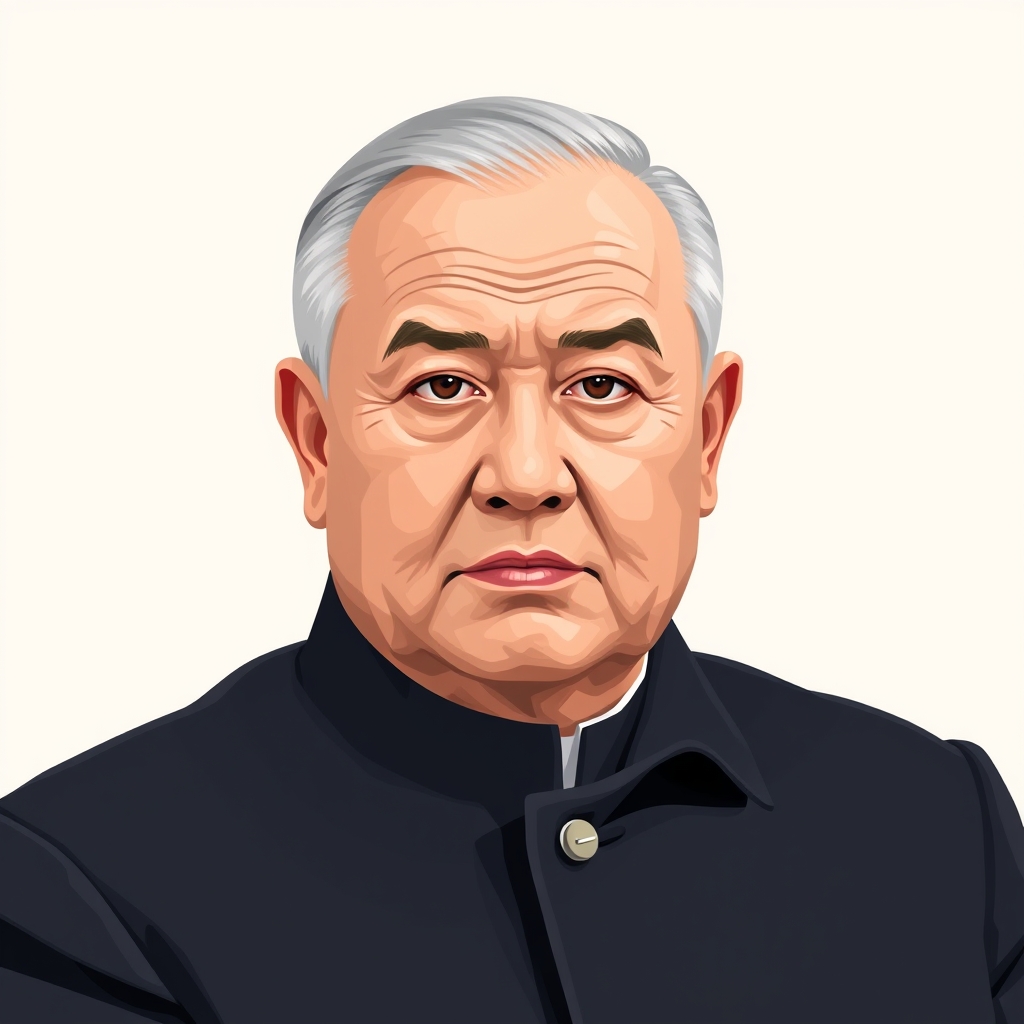
No actors in this side.
Mongolian President Ukhnaagiin Khurelsukh announced he will resign following accusations that he profited from a government railway project.
Khurelsukh denies the allegations, stating he has been falsely accused.
*AI-generated summary of publicly available data. This is not an official statement of any party.
*AI-generated summary of publicly available statements and reporting. This is not an official statement of this party.
Supporters of the Corruption accusers argue that Khurelsukh's resignation affirms accountability rooted in Mongolia's democratic norms, maintaining that inherited public trust demands leaders answer to the people.
Supporters of the Corruption accusers argue that holding leaders accountable for railway-project profits upholds the cultural continuity of public trust and the social order inherited from Mongolia's democratic transition.
Supporters of the Corruption accusers counter that demanding accountability for a leader’s conduct honors Mongolian cultural traditions of collective stewardship, not foreign influence.
Supporters of the corruption accusers argue that Khurelsukh's resignation is an implicit legal admission that accountability applies to all officials, and they maintain that a full, transparent investigation must still proceed.
Supporters of the Corruption accusers argue that Khurelsukh's resignation is a legal admission that accountability applies to the presidency, and they maintain that the railway allegations warrant an independent inquiry.
Supporters of the Corruption accusers counter that due process does not require an independent legal finding before resignation, arguing that accountability norms are satisfied when a leader steps down rather than awaiting adjudication.
Supporters of Corruption accusers argue Khurelsukh's resignation is a tacit admission of guilt, and they maintain that forcing out a president over railway profits proves pressure works.
Supporters of the Corruption accusers argue that Khurelsukh's resignation is a tacit admission, calculating that a leader only surrenders power when the cost of staying exceeds the cost of leaving.
Supporters of the corruption accusers counter that a resignation to dodge a public trial signals guilt, and that denying accusers their forum is itself the political maneuver—one that lets Khurelsukh's faction bury evidence while claiming victimhood.
Supporters of the corruption accusers argue that a leader's voluntary resignation upholds accountability, showing that public trust demands moral reckoning even when wrongdoing is denied.
Supporters of the corruption accusers argue that a leader who resigns under scrutiny implicitly affirms accountability, maintaining that public trust demands no less than stepping aside when integrity is questioned.
Supporters of the Corruption accusers counter that resigning while denying wrongdoing offers no moral accountability—it shields the individual from scrutiny rather than delivering the justice the public deserves.
Supporters of the Corruption accusers frame the railway scandal in religious terms, arguing public office is a sacred trust and that a leader who profited from state projects betrayed that covenant and must answer for it.
Supporters of the Corruption accusers argue that public office is a sacred trust before the Mongolian people, and that a leader who cannot uphold that trust through transparency has a moral duty to step aside.
Supporters of Corruption accusers counter that due process is a human instrument, while the moral law holds leaders to a higher standard; they argue that scripture calls the powerful to account regardless of legal procedure.
*AI-generated summary of publicly available statements and reporting. This is not an official statement of this party.
Supporters of Khurelsukh frame the allegations as an assault on Mongolian national dignity, arguing that foreign-influenced accusers undermine a leader elected to defend sovereignty and cultural identity.
Supporters of Khurelsukh frame the allegations as an assault on Mongolian national dignity, arguing that foreign-influenced accusers undermine a leader's mandate and sovereignty rather than honor due process.
Supporters of Khurelsukh counter that accountability framed as yielding to outside pressure erodes Mongolia's own democratic and cultural tradition of sovereign self-governance, arguing legitimacy comes from the people's mandate, not accusers' demands.
Supporters of Khurelsukh argue that absent a due-process finding from an independent legal body, the allegations remain unproven, and that his resignation honors accountability norms rather than establishing guilt.
Supporters of Khurelsukh argue that legally, accusations alone do not establish guilt, and they maintain that his resignation upholds accountability while he retains the presumption of innocence on the unproven railway allegations.
Supporters of Khurelsukh counter that resignation carries no legal admission of wrongdoing under Mongolian law, and they argue that any investigation must follow due process and the presumption of innocence rather than treating departure from office as evidence.
Supporters of Khurelsukh argue that resignation is a calculated move to deny accusers a public trial, preserving his faction's leverage and casting the allegations as political maneuvering rather than proven fact.
Supporters of Khurelsukh argue that resigning is a calculated move to deny accusers a protracted fight, framing the exit as accountability while preserving his standing and denying rivals the spectacle of a forced removal.
Supporters of Khurelsukh counter that resignation is a tactical retreat, not guilt—they argue pressure only succeeded because elites split, and cite that no charges followed, framing exit as managing factions rather than conceding wrongdoing.
Supporters of Khurelsukh argue that accepting responsibility by resigning, even while denying wrongdoing, reflects a moral commitment to accountability and to protecting public trust in Mongolia's institutions.
Supporters of Khurelsukh argue that stepping down to answer accusations reflects a moral commitment to accountability, and they maintain that resigning upholds public trust rather than confirming any wrongdoing.
Supporters of Khurelsukh counter that resignation without proven wrongdoing rewards accusation itself, and that moral accountability demands due process rather than pressuring a leader to abandon a mandate voters entrusted to him.
Supporters of Khurelsukh invoke the principle that accusation is not proof, arguing that justice demands due process and that a leader who steps down rather than cling to office honors accountability before the law.
Supporters of Khurelsukh invoke the moral weight of an oath and argue that a leader who resigns while denying wrongdoing honors truthfulness and accountability before the law.
Supporters of Khurelsukh counter that scripture reserves judgment to God alone, citing "judge not, that ye be not judged," and argue that a leader's accountability before the law, not a covenant verdict by accusers, is the proper religiously grounded standard.
AI-generated summary of publicly available statements and reporting. This is not an official statement of this party.
Supporters of the Corruption accusers argue that Khurelsukh's resignation affirms accountability rooted in Mongolia's democratic norms, maintaining that inherited public trust demands leaders answer to the people.
Supporters of the Corruption accusers argue that holding leaders accountable for railway-project profits upholds the cultural continuity of public trust and the social order inherited from Mongolia's democratic transition.
Supporters of the Corruption accusers counter that demanding accountability for a leader’s conduct honors Mongolian cultural traditions of collective stewardship, not foreign influence.
Supporters of the corruption accusers argue that Khurelsukh's resignation is an implicit legal admission that accountability applies to all officials, and they maintain that a full, transparent investigation must still proceed.
Supporters of the Corruption accusers argue that Khurelsukh's resignation is a legal admission that accountability applies to the presidency, and they maintain that the railway allegations warrant an independent inquiry.
Supporters of the Corruption accusers counter that due process does not require an independent legal finding before resignation, arguing that accountability norms are satisfied when a leader steps down rather than awaiting adjudication.
Supporters of Corruption accusers argue Khurelsukh's resignation is a tacit admission of guilt, and they maintain that forcing out a president over railway profits proves pressure works.
Supporters of the Corruption accusers argue that Khurelsukh's resignation is a tacit admission, calculating that a leader only surrenders power when the cost of staying exceeds the cost of leaving.
Supporters of the corruption accusers counter that a resignation to dodge a public trial signals guilt, and that denying accusers their forum is itself the political maneuver—one that lets Khurelsukh's faction bury evidence while claiming victimhood.
Supporters of the corruption accusers argue that a leader's voluntary resignation upholds accountability, showing that public trust demands moral reckoning even when wrongdoing is denied.
Supporters of the corruption accusers argue that a leader who resigns under scrutiny implicitly affirms accountability, maintaining that public trust demands no less than stepping aside when integrity is questioned.
Supporters of the Corruption accusers counter that resigning while denying wrongdoing offers no moral accountability—it shields the individual from scrutiny rather than delivering the justice the public deserves.
Supporters of the Corruption accusers frame the railway scandal in religious terms, arguing public office is a sacred trust and that a leader who profited from state projects betrayed that covenant and must answer for it.
Supporters of the Corruption accusers argue that public office is a sacred trust before the Mongolian people, and that a leader who cannot uphold that trust through transparency has a moral duty to step aside.
Supporters of Corruption accusers counter that due process is a human instrument, while the moral law holds leaders to a higher standard; they argue that scripture calls the powerful to account regardless of legal procedure.
Supporters of Khurelsukh frame the allegations as an assault on Mongolian national dignity, arguing that foreign-influenced accusers undermine a leader elected to defend sovereignty and cultural identity.
Supporters of Khurelsukh frame the allegations as an assault on Mongolian national dignity, arguing that foreign-influenced accusers undermine a leader's mandate and sovereignty rather than honor due process.
Supporters of Khurelsukh counter that accountability framed as yielding to outside pressure erodes Mongolia's own democratic and cultural tradition of sovereign self-governance, arguing legitimacy comes from the people's mandate, not accusers' demands.
Supporters of Khurelsukh argue that absent a due-process finding from an independent legal body, the allegations remain unproven, and that his resignation honors accountability norms rather than establishing guilt.
Supporters of Khurelsukh argue that legally, accusations alone do not establish guilt, and they maintain that his resignation upholds accountability while he retains the presumption of innocence on the unproven railway allegations.
Supporters of Khurelsukh counter that resignation carries no legal admission of wrongdoing under Mongolian law, and they argue that any investigation must follow due process and the presumption of innocence rather than treating departure from office as evidence.
Supporters of Khurelsukh argue that resignation is a calculated move to deny accusers a public trial, preserving his faction's leverage and casting the allegations as political maneuvering rather than proven fact.
Supporters of Khurelsukh argue that resigning is a calculated move to deny accusers a protracted fight, framing the exit as accountability while preserving his standing and denying rivals the spectacle of a forced removal.
Supporters of Khurelsukh counter that resignation is a tactical retreat, not guilt—they argue pressure only succeeded because elites split, and cite that no charges followed, framing exit as managing factions rather than conceding wrongdoing.
Supporters of Khurelsukh argue that accepting responsibility by resigning, even while denying wrongdoing, reflects a moral commitment to accountability and to protecting public trust in Mongolia's institutions.
Supporters of Khurelsukh argue that stepping down to answer accusations reflects a moral commitment to accountability, and they maintain that resigning upholds public trust rather than confirming any wrongdoing.
Supporters of Khurelsukh counter that resignation without proven wrongdoing rewards accusation itself, and that moral accountability demands due process rather than pressuring a leader to abandon a mandate voters entrusted to him.
Supporters of Khurelsukh invoke the principle that accusation is not proof, arguing that justice demands due process and that a leader who steps down rather than cling to office honors accountability before the law.
Supporters of Khurelsukh invoke the moral weight of an oath and argue that a leader who resigns while denying wrongdoing honors truthfulness and accountability before the law.
Supporters of Khurelsukh counter that scripture reserves judgment to God alone, citing "judge not, that ye be not judged," and argue that a leader's accountability before the law, not a covenant verdict by accusers, is the proper religiously grounded standard.
Mongolian President Khurelsukh announces he will resign amid corruption allegations.