Opposition and dissent
VS
Kremlin
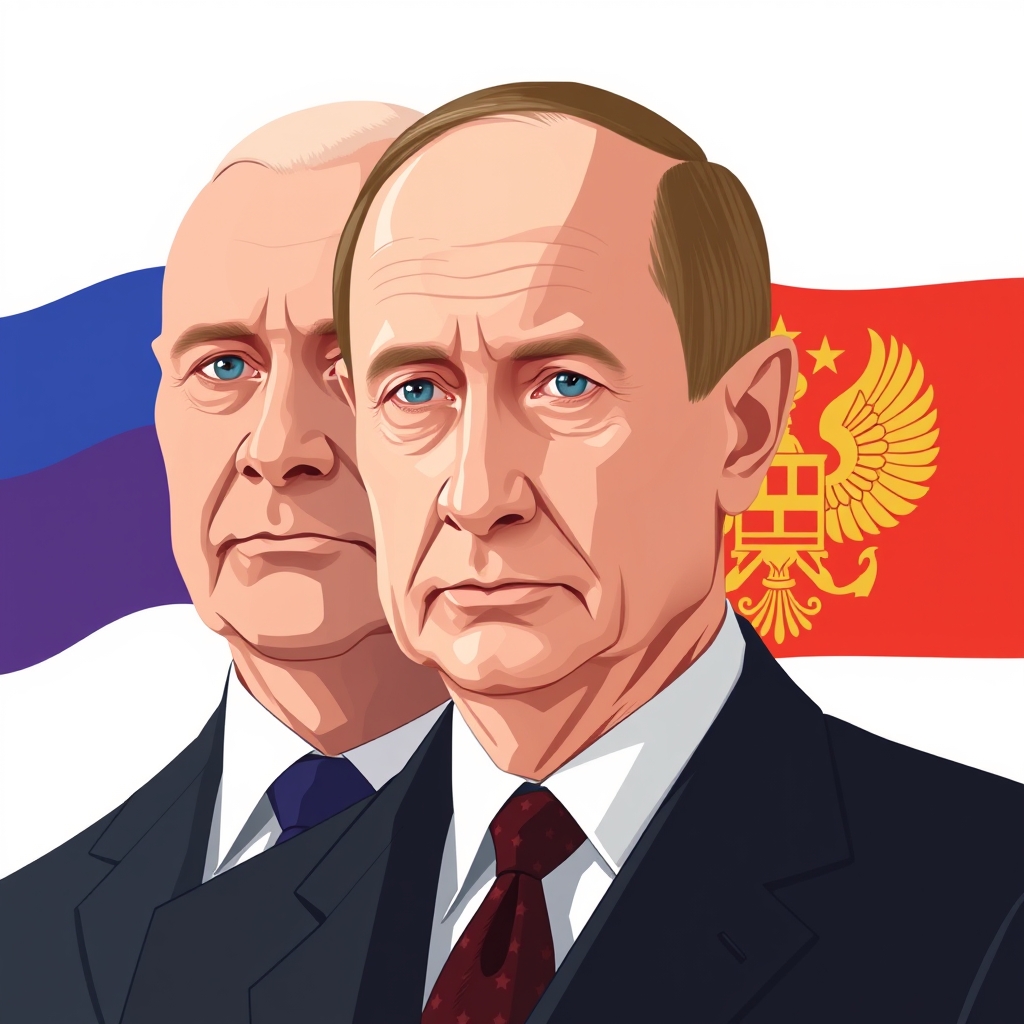
The Kremlin refers to the Russian government under President Vladimir Putin, which according to research material seeks to avoid political risks by stamping out even the slightest sign of dissent.
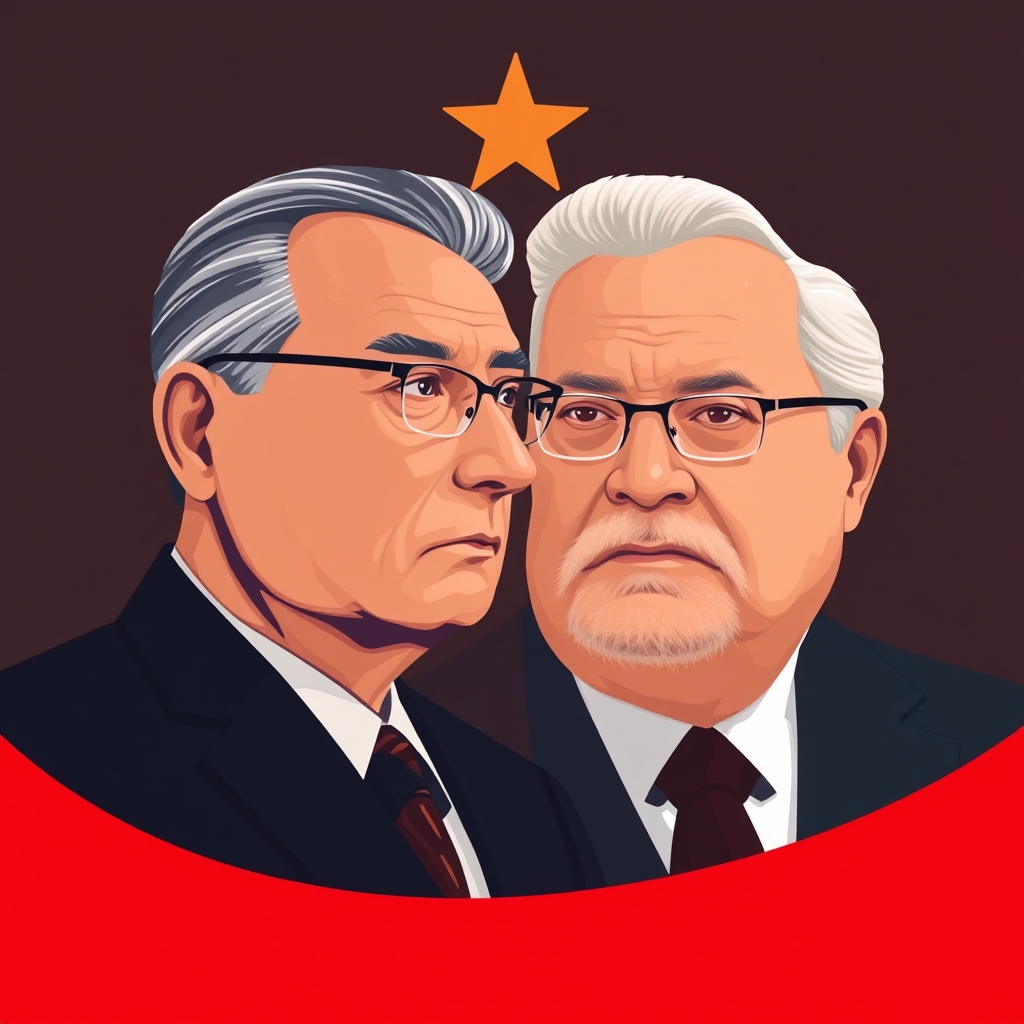
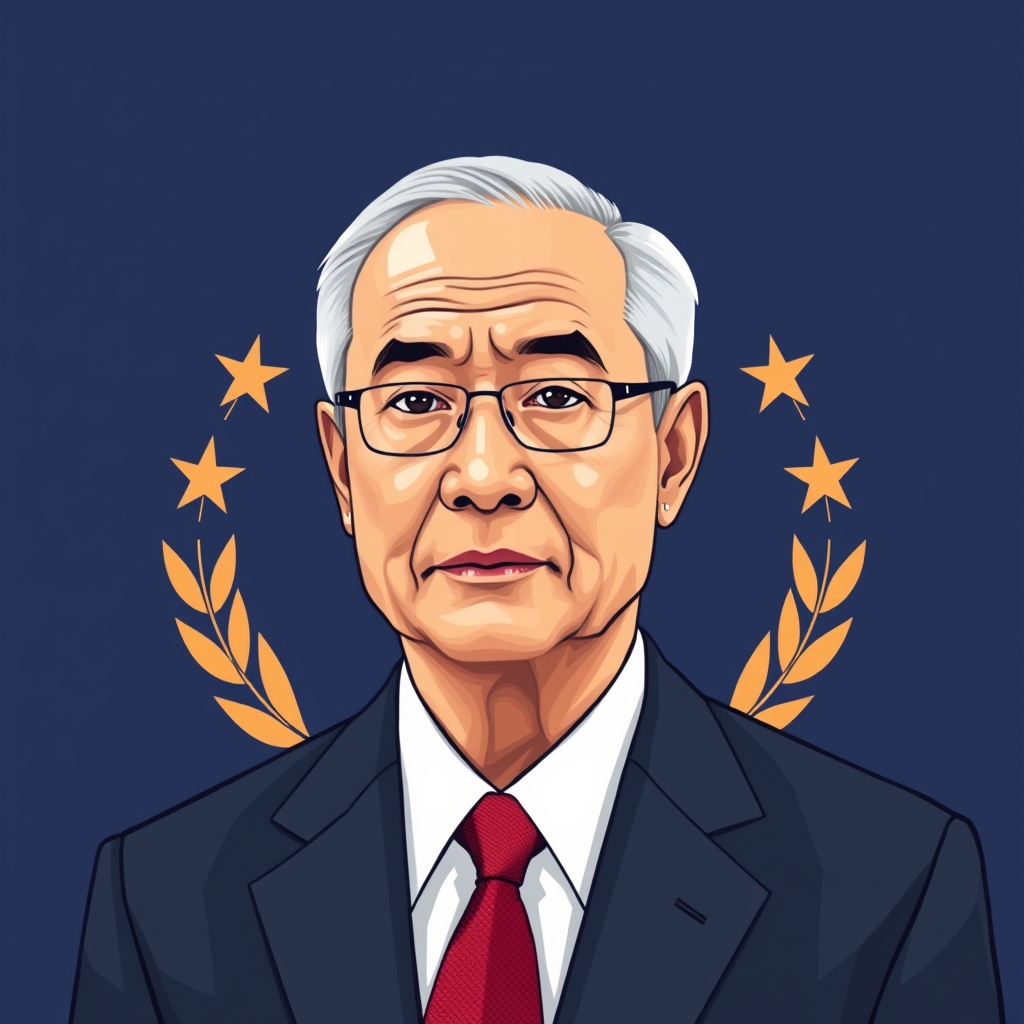
The opposition and dissent side comprises various groups and individuals in Russia who oppose the government, including both loyal and unrepresented factions, as well as independent voices critical of the Kremlin.
The conflict between the Kremlin and opposition and dissent centers on the Kremlin's efforts to suppress political challenges and maintain control, while opposition groups seek to express dissent and contest government policies.
Research material indicates that the Kremlin can remove perceived opposition voices at will and is expected to retain a tight grip on elections, while opposition factions have at times temporarily unified against the Kremlin, particularly following Navalny's death.
The stakes involve the legitimacy of Russian elections and the state of Russian democracy, with the Kremlin aiming to demonstrate popular support for its actions, including the war in Ukraine, while opposition and dissent face repression.
The research material notes that the Kremlin has sought to avoid political risks by eliminating dissent, and that opposition remains largely unrepresented in the political system.
*AI-generated summary of publicly available data. This is not an official statement of any party.
*AI-generated summary of publicly available statements and reporting. This is not an official statement of this party.
Supporters of Opposition and dissent argue that excluding opposition candidates erodes Russia's inherited democratic traditions, leaving no legitimate channel for dissent.
Supporters of Opposition and dissent argue the election lacks legitimacy because excluded candidates and suppressed voices leave Russians without genuine democratic choice, hollowing out the civic traditions the vote claims to uphold.
Supporters of Opposition and dissent counter that a vote held under restricted freedoms reflects imposed conformity, not organic cultural unity, since genuine tradition survives through open debate rather than silenced dissent.
Supporters of Opposition and dissent argue the election lacks legal legitimacy because excluded candidates and suppressed dissent violate Russia's own constitutional guarantees of free elections and assembly.
Supporters of Opposition and dissent argue the exclusion of opposition candidates and the crackdown on dissent violate Russia's own constitutional guarantees of free elections and political pluralism.
Supporters of Opposition and dissent counter that a vote is legally legitimate only if it offers a genuine choice, so barring viable challengers on enforcement grounds removes the very competition the law presumes.
Supporters of Opposition and dissent argue the Kremlin staged the vote to manufacture legitimacy, not earn it—excluding rivals and jailing critics reveals power, not popular will.
Supporters of Opposition and dissent argue the Kremlin stages elections to manufacture legitimacy, since excluded candidates and cracked-down dissent reveal the vote reflects power, not popular will.
Supporters of Opposition and dissent counter that sidelining dissent signals weakness, not strength: a regime confident in genuine public backing has no need to bar challengers from the ballot.
Supporters of Opposition and dissent argue that excluding opposition candidates and jailing dissenters makes the election a moral sham, not a genuine expression of the Russian people's will.
Supporters of Opposition and dissent argue that barring opposition candidates and silencing dissent corrupts the vote, so the election cannot morally claim to represent the Russian people's true will.
Supporters of Opposition and dissent counter that a vote held under censorship and fear cannot express genuine will, and that silencing dissent violates the moral duty to bear truthful witness, which no claim of stability can override.
Supporters of Opposition and dissent invoke scripture that rulers answer to God's justice, arguing the Kremlin's exclusion of candidates and crackdown on dissent betray moral legitimacy before the divine.
Supporters of Opposition and dissent argue that a vote secured by silencing candidates and jailing dissenters cannot carry moral authority, since scripture teaches that justice and truthful witness, not coerced assent, give rulers legitimacy before God.
Supporters of Opposition and dissent counter that coerced voting mocks the conscience God grants each person, so a ballot cast under pressure cannot signify spiritual unity.
*AI-generated summary of publicly available statements and reporting. This is not an official statement of this party.
Supporters of the Kremlin argue the election affirms Russia's cultural unity and sovereign path, framing the vote as proof that national identity and traditional values outweigh outside criticism of dissent.
Supporters of the Kremlin argue the election affirms a distinct Russian cultural identity rooted in sovereignty, where loyalty to the nation matters more than Western-style pluralism.
Supporters of the Kremlin counter that Russia's political culture has always favored stability and strong centralized authority over imported liberal models, so excluding disruptive candidates protects a distinct civilizational tradition rather than eroding any authentic domestic.
Supporters of the Kremlin argue the election satisfies Russia's constitutional and legal requirements, and that the exclusion of candidates was a lawful enforcement matter rather than proof the vote lacked legitimacy.
Supporters of the Kremlin argue that Russia’s parliamentary election satisfies domestic law, and that excluding candidates who broke legal rules is a lawful sovereignty matter, not proof of illegitimacy.
Supporters of the Kremlin counter that Russia's Constitutional Court and electoral commissions have upheld the exclusion rulings as lawful, so the process satisfies domestic legal standards regardless of outside criticism.
Supporters of the Kremlin argue the election demonstrates public backing for the war, and that sidelining dissent is a pragmatic necessity to preserve stability and project strength abroad.
Supporters of the Kremlin argue that controlled elections and silenced dissent are pragmatic tools to project stability and war support, since realpolitik prizes power over procedural legitimacy.
Supporters of the Kremlin counter that excluding rivals and jailing critics is the point: legitimacy is enforced, not earned, and observable behavior shows the system endures regardless of popular will.
Supporters of the Kremlin argue that the election expresses the genuine will of Russians backing the war, and that stability and sovereignty matter more than the dissent they say foreign-backed opposition groups use to weaken the state.
Supporters of the Kremlin argue the election affirms broad public backing for the war and Russia's sovereignty, framing the exclusion of dissent as necessary to protect stability against outside interference.
Supporters of Kremlin counter that the election reflects the majority's moral choice, not a sham; they argue that dissenters jailed broke laws equally binding on all, and that order and sovereignty matter more than the opposition's claims.
Supporters of the Kremlin argue the election affirms Russia's spiritual unity and continuity, framing the vote as defense of traditional faith and order against Western-backed disorder.
Supporters of the Kremlin argue the election affirms Russia's spiritual unity and continuity, casting the vote as a defense of traditional values against a hostile West.
Supporters of the Kremlin counter that scripture also charges believers to obey governing authorities as divinely instituted, so the Church's tradition upholds order over protest.
AI-generated summary of publicly available statements and reporting. This is not an official statement of this party.
Supporters of Opposition and dissent argue that excluding opposition candidates erodes Russia's inherited democratic traditions, leaving no legitimate channel for dissent.
Supporters of Opposition and dissent argue the election lacks legitimacy because excluded candidates and suppressed voices leave Russians without genuine democratic choice, hollowing out the civic traditions the vote claims to uphold.
Supporters of Opposition and dissent counter that a vote held under restricted freedoms reflects imposed conformity, not organic cultural unity, since genuine tradition survives through open debate rather than silenced dissent.
Supporters of Opposition and dissent argue the election lacks legal legitimacy because excluded candidates and suppressed dissent violate Russia's own constitutional guarantees of free elections and assembly.
Supporters of Opposition and dissent argue the exclusion of opposition candidates and the crackdown on dissent violate Russia's own constitutional guarantees of free elections and political pluralism.
Supporters of Opposition and dissent counter that a vote is legally legitimate only if it offers a genuine choice, so barring viable challengers on enforcement grounds removes the very competition the law presumes.
Supporters of Opposition and dissent argue the Kremlin staged the vote to manufacture legitimacy, not earn it—excluding rivals and jailing critics reveals power, not popular will.
Supporters of Opposition and dissent argue the Kremlin stages elections to manufacture legitimacy, since excluded candidates and cracked-down dissent reveal the vote reflects power, not popular will.
Supporters of Opposition and dissent counter that sidelining dissent signals weakness, not strength: a regime confident in genuine public backing has no need to bar challengers from the ballot.
Supporters of Opposition and dissent argue that excluding opposition candidates and jailing dissenters makes the election a moral sham, not a genuine expression of the Russian people's will.
Supporters of Opposition and dissent argue that barring opposition candidates and silencing dissent corrupts the vote, so the election cannot morally claim to represent the Russian people's true will.
Supporters of Opposition and dissent counter that a vote held under censorship and fear cannot express genuine will, and that silencing dissent violates the moral duty to bear truthful witness, which no claim of stability can override.
Supporters of Opposition and dissent invoke scripture that rulers answer to God's justice, arguing the Kremlin's exclusion of candidates and crackdown on dissent betray moral legitimacy before the divine.
Supporters of Opposition and dissent argue that a vote secured by silencing candidates and jailing dissenters cannot carry moral authority, since scripture teaches that justice and truthful witness, not coerced assent, give rulers legitimacy before God.
Supporters of Opposition and dissent counter that coerced voting mocks the conscience God grants each person, so a ballot cast under pressure cannot signify spiritual unity.
Supporters of the Kremlin argue the election affirms Russia's cultural unity and sovereign path, framing the vote as proof that national identity and traditional values outweigh outside criticism of dissent.
Supporters of the Kremlin argue the election affirms a distinct Russian cultural identity rooted in sovereignty, where loyalty to the nation matters more than Western-style pluralism.
Supporters of the Kremlin counter that Russia's political culture has always favored stability and strong centralized authority over imported liberal models, so excluding disruptive candidates protects a distinct civilizational tradition rather than eroding any authentic domestic.
Supporters of the Kremlin argue the election satisfies Russia's constitutional and legal requirements, and that the exclusion of candidates was a lawful enforcement matter rather than proof the vote lacked legitimacy.
Supporters of the Kremlin argue that Russia’s parliamentary election satisfies domestic law, and that excluding candidates who broke legal rules is a lawful sovereignty matter, not proof of illegitimacy.
Supporters of the Kremlin counter that Russia's Constitutional Court and electoral commissions have upheld the exclusion rulings as lawful, so the process satisfies domestic legal standards regardless of outside criticism.
Supporters of the Kremlin argue the election demonstrates public backing for the war, and that sidelining dissent is a pragmatic necessity to preserve stability and project strength abroad.
Supporters of the Kremlin argue that controlled elections and silenced dissent are pragmatic tools to project stability and war support, since realpolitik prizes power over procedural legitimacy.
Supporters of the Kremlin counter that excluding rivals and jailing critics is the point: legitimacy is enforced, not earned, and observable behavior shows the system endures regardless of popular will.
Supporters of the Kremlin argue that the election expresses the genuine will of Russians backing the war, and that stability and sovereignty matter more than the dissent they say foreign-backed opposition groups use to weaken the state.
Supporters of the Kremlin argue the election affirms broad public backing for the war and Russia's sovereignty, framing the exclusion of dissent as necessary to protect stability against outside interference.
Supporters of Kremlin counter that the election reflects the majority's moral choice, not a sham; they argue that dissenters jailed broke laws equally binding on all, and that order and sovereignty matter more than the opposition's claims.
Supporters of the Kremlin argue the election affirms Russia's spiritual unity and continuity, framing the vote as defense of traditional faith and order against Western-backed disorder.
Supporters of the Kremlin argue the election affirms Russia's spiritual unity and continuity, casting the vote as a defense of traditional values against a hostile West.
Supporters of the Kremlin counter that scripture also charges believers to obey governing authorities as divinely instituted, so the Church's tradition upholds order over protest.
Russia holds its first parliamentary election since the invasion of Ukraine, with the Kremlin seeking to showcase popular support for the war.
The Washington Post reported that Russia is closing the window for dissent as Ukraine's attacks stir public anger over the war, and that the Kremlin can remove perceived opposition voices at will and is widely expected to retain a tight grip on the election.
The Birch Journal published an analysis measuring opposition, repression, and public opinion during the Russo-Ukrainian war, noting that following Navalny's death, various fractured opposition factions were temporarily unified against the Kremlin.