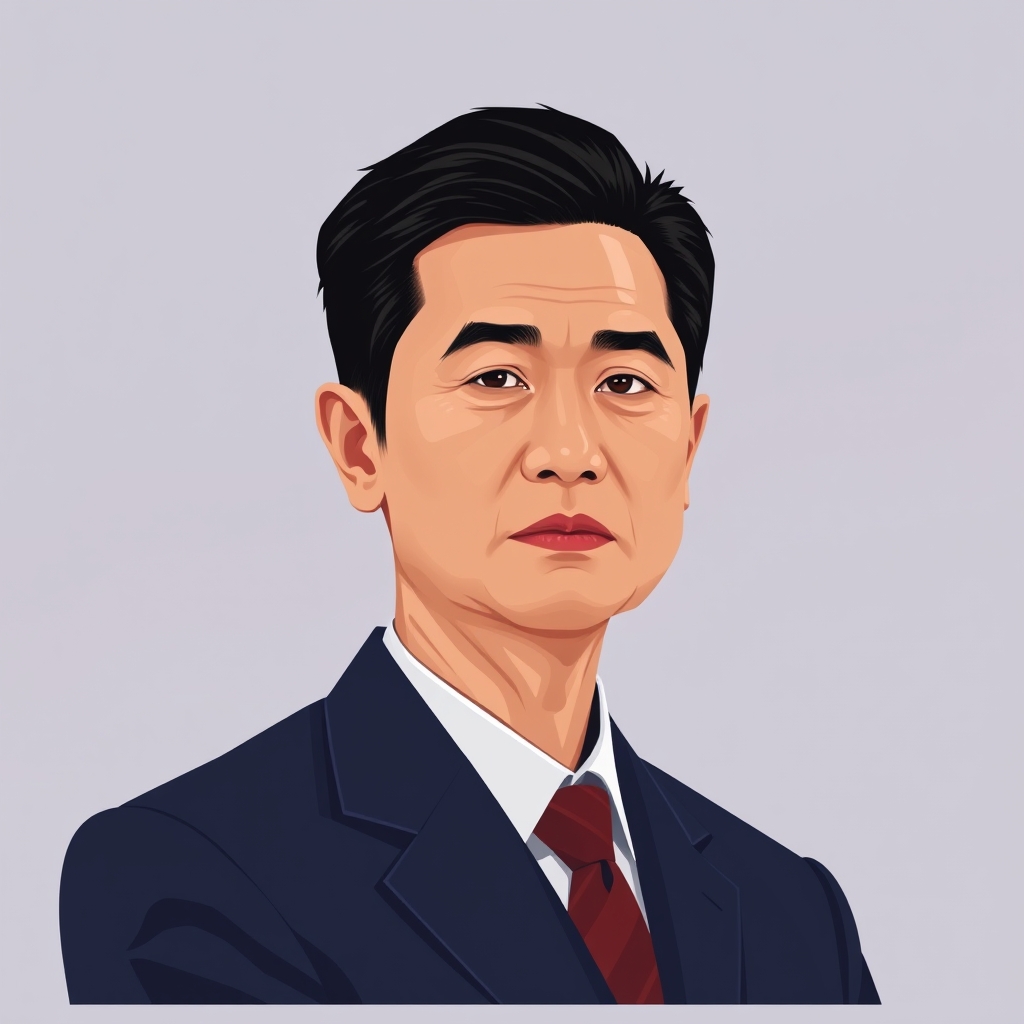
Kyaw Moe Tun
VS
International community

Myanmar's UN representative Kyaw Moe Tun made an emotional appeal urging the world to end the suffering of Myanmar's people, saying the international community had failed them.
The appeal highlights a dispute over whether the international community has done enough to address the crisis in Myanmar.
*AI-generated summary of publicly available data. This is not an official statement of any party.
*AI-generated summary of publicly available statements and reporting. This is not an official statement of this party.
Supporters of Kyaw Moe Tun invoke Myanmar's long history of failed international promises, arguing that past precedent shows the world's silence and inaction have repeatedly allowed suffering to continue unchecked.
Supporters of Kyaw Moe Tun argue that the international community's pledges of solidarity have rung hollow before, recalling past crises where the world's attention faded while suffering endured, and they see his emotional appeal as a cultural plea for consistency between words a.
Supporters of Kyaw Moe Tun counter that sovereignty claims ring hollow when cultural identity is under assault, arguing that diplomatic caution abroad has done little to protect Myanmar's diverse communities.
Supporters of Kyaw Moe Tun argue that international law imposes binding obligations on states to act against atrocities, so the world's failure to enforce them is a legal default, not merely a moral one.
Supporters of Kyaw Moe Tun argue that the international community has binding legal duties under the UN Charter and human rights law to act against Myanmar's junta, and that its inaction has failed the country's people.
Supporters of Kyaw Moe Tun counter that sanctions and ICJ proceedings are lawful but non-binding enforcement tools; they argue that UN Charter obligations still bind member states regardless of Security Council deadlock, so legality cannot be equated with inaction.
Supporters of Kyaw Moe Tun argue that his emotional appeal is a calculated lever: with little material power, they maintain, moral pressure and public shaming are the only tools available to force the international community to act.
Supporters of Kyaw Moe Tun argue that public moral appeals are leverage: naming the international community's failure forces accountability and raises the political cost of inaction, since quiet diplomacy has yielded nothing.
Supporters of Kyaw Moe Tun counter that moral condemnation costs the international community nothing, so it will never escalate beyond rhetoric; leverage without credible enforcement is a signal of weak resolve that the military reads as permission to wait out.
Supporters of Kyaw Moe Tun argue that the international community bears a moral duty to Myanmar's people, and that its failure to act makes their suffering a shared responsibility that cannot be excused.
Supporters of Kyaw Moe Tun argue that the international community has a moral duty to act on Myanmar's suffering, and they point to his emotional appeal as evidence that inaction has failed the country's people.
Supporters of Kyaw Moe Tun counter that framing the duty as "bounded" lets outside nations off the hook, arguing that when a people face atrocities, moral obligation demands action beyond pressure and aid rather than an excuse for restraint.
Supporters of Kyaw Moe Tun frame his appeal in moral terms, arguing that faith traditions command protection of the innocent and that the international community's inaction betrays a duty owed to Myanmar's suffering people.
Supporters of Kyaw Moe Tun argue that scripture commands the faithful to defend the oppressed and shelter the suffering, so the international community's inaction betrays a moral duty owed to Myanmar's people.
Supporters of Kyaw Moe Tun counter that scripture judges compassion by its fruits, not intentions, and that diplomacy which engages the junta while civilians suffer fails that test; they hold that faith demands concrete protection of the persecuted.
*AI-generated summary of publicly available statements and reporting. This is not an official statement of this party.
Supporters of the International community maintain that respect for Myanmar's sovereignty and regional stability constrain outside action, and they point to ongoing diplomatic and humanitarian efforts as evidence of sustained commitment.
Supporters of the international community argue that preserving Myanmar's cultural heritage and social fabric requires sustained outside pressure, maintaining that sovereignty norms must yield when a nation's people and traditions are under threat.
Supporters of the International community counter that shared cultural commitment to human dignity across nations obligates collective action, not silence, and that citing past failures overlooks how global norms have since shifted.
Supporters of the international community counter that legal tools are constrained: UN action requires Security Council consensus, which veto-holders block, so they point to sanctions and ICJ proceedings as the available lawful means.
Supporters of the international community argue that legal tools like UN resolutions and sanctions are constrained by member-state consensus, so failure reflects structural limits of international law rather than disregard for Myanmar's people.
Supporters of the International community counter that UN Charter Article 2(7) bars intervention in domestic affairs, so enforcement hinges on Security Council consensus—making inaction a political deadlock, not a legal default.
Supporters of the international community argue that Kyaw Moe Tun's emotional appeal itself proves the pressure campaign is working, and that public moral condemnation—not intervention—remains their leverage.
Supporters of the international community argue that Kyaw Moe Tun's emotional appeal is itself leverage—public shaming pressures reluctant states to act—and that visible diplomatic condemnation, not rescue, is the realistic tool available.
Supporters of the international community counter that moral shaming costs them little precisely because it changes no incentives; they argue states act on interests, not appeals, so the lever Kyaw Moe Tun's backers describe pressures no one who matters.
Supporters of the international community argue that moral duty to Myanmar's people is real but bounded, maintaining that outside nations cannot substitute for domestic political resolution and that pressure, aid, and diplomacy remain their available tools.
Supporters of the International community maintain that moral duty obliges wealthy nations to act when a member state's people suffer, and they point to Kyaw Moe Tun's appeal as evidence that this obligation remains unmet.
Supporters of the international community counter that moral duty runs both ways: outside powers cannot bear responsibility for outcomes they lack the leverage to control, and assigning them blame risks excusing the actors actually committing the harm.
Supporters of the international community maintain that their efforts to end Myanmar's suffering reflect a moral duty rooted in shared religious principles of compassion, and they argue that Kyaw Moe Tun's appeal should be answered through continued humanitarian and diplomatic ac.
Supporters of the international community maintain that religious leaders and faith-based groups have a moral duty to shelter Myanmar's persecuted minorities, and they cite the appeal as proof that spiritual solidarity must reinforce diplomatic pressure.
Supporters of the International community counter that faith traditions also counsel prudence and respect for national sovereignty, arguing that religious duty does not license outside intervention in a state's internal affairs.
AI-generated summary of publicly available statements and reporting. This is not an official statement of this party.
Supporters of Kyaw Moe Tun invoke Myanmar's long history of failed international promises, arguing that past precedent shows the world's silence and inaction have repeatedly allowed suffering to continue unchecked.
Supporters of Kyaw Moe Tun argue that the international community's pledges of solidarity have rung hollow before, recalling past crises where the world's attention faded while suffering endured, and they see his emotional appeal as a cultural plea for consistency between words a.
Supporters of Kyaw Moe Tun counter that sovereignty claims ring hollow when cultural identity is under assault, arguing that diplomatic caution abroad has done little to protect Myanmar's diverse communities.
Supporters of Kyaw Moe Tun argue that international law imposes binding obligations on states to act against atrocities, so the world's failure to enforce them is a legal default, not merely a moral one.
Supporters of Kyaw Moe Tun argue that the international community has binding legal duties under the UN Charter and human rights law to act against Myanmar's junta, and that its inaction has failed the country's people.
Supporters of Kyaw Moe Tun counter that sanctions and ICJ proceedings are lawful but non-binding enforcement tools; they argue that UN Charter obligations still bind member states regardless of Security Council deadlock, so legality cannot be equated with inaction.
Supporters of Kyaw Moe Tun argue that his emotional appeal is a calculated lever: with little material power, they maintain, moral pressure and public shaming are the only tools available to force the international community to act.
Supporters of Kyaw Moe Tun argue that public moral appeals are leverage: naming the international community's failure forces accountability and raises the political cost of inaction, since quiet diplomacy has yielded nothing.
Supporters of Kyaw Moe Tun counter that moral condemnation costs the international community nothing, so it will never escalate beyond rhetoric; leverage without credible enforcement is a signal of weak resolve that the military reads as permission to wait out.
Supporters of Kyaw Moe Tun argue that the international community bears a moral duty to Myanmar's people, and that its failure to act makes their suffering a shared responsibility that cannot be excused.
Supporters of Kyaw Moe Tun argue that the international community has a moral duty to act on Myanmar's suffering, and they point to his emotional appeal as evidence that inaction has failed the country's people.
Supporters of Kyaw Moe Tun counter that framing the duty as "bounded" lets outside nations off the hook, arguing that when a people face atrocities, moral obligation demands action beyond pressure and aid rather than an excuse for restraint.
Supporters of Kyaw Moe Tun frame his appeal in moral terms, arguing that faith traditions command protection of the innocent and that the international community's inaction betrays a duty owed to Myanmar's suffering people.
Supporters of Kyaw Moe Tun argue that scripture commands the faithful to defend the oppressed and shelter the suffering, so the international community's inaction betrays a moral duty owed to Myanmar's people.
Supporters of Kyaw Moe Tun counter that scripture judges compassion by its fruits, not intentions, and that diplomacy which engages the junta while civilians suffer fails that test; they hold that faith demands concrete protection of the persecuted.
Supporters of the International community maintain that respect for Myanmar's sovereignty and regional stability constrain outside action, and they point to ongoing diplomatic and humanitarian efforts as evidence of sustained commitment.
Supporters of the international community argue that preserving Myanmar's cultural heritage and social fabric requires sustained outside pressure, maintaining that sovereignty norms must yield when a nation's people and traditions are under threat.
Supporters of the International community counter that shared cultural commitment to human dignity across nations obligates collective action, not silence, and that citing past failures overlooks how global norms have since shifted.
Supporters of the international community counter that legal tools are constrained: UN action requires Security Council consensus, which veto-holders block, so they point to sanctions and ICJ proceedings as the available lawful means.
Supporters of the international community argue that legal tools like UN resolutions and sanctions are constrained by member-state consensus, so failure reflects structural limits of international law rather than disregard for Myanmar's people.
Supporters of the International community counter that UN Charter Article 2(7) bars intervention in domestic affairs, so enforcement hinges on Security Council consensus—making inaction a political deadlock, not a legal default.
Supporters of the international community argue that Kyaw Moe Tun's emotional appeal itself proves the pressure campaign is working, and that public moral condemnation—not intervention—remains their leverage.
Supporters of the international community argue that Kyaw Moe Tun's emotional appeal is itself leverage—public shaming pressures reluctant states to act—and that visible diplomatic condemnation, not rescue, is the realistic tool available.
Supporters of the international community counter that moral shaming costs them little precisely because it changes no incentives; they argue states act on interests, not appeals, so the lever Kyaw Moe Tun's backers describe pressures no one who matters.
Supporters of the international community argue that moral duty to Myanmar's people is real but bounded, maintaining that outside nations cannot substitute for domestic political resolution and that pressure, aid, and diplomacy remain their available tools.
Supporters of the International community maintain that moral duty obliges wealthy nations to act when a member state's people suffer, and they point to Kyaw Moe Tun's appeal as evidence that this obligation remains unmet.
Supporters of the international community counter that moral duty runs both ways: outside powers cannot bear responsibility for outcomes they lack the leverage to control, and assigning them blame risks excusing the actors actually committing the harm.
Supporters of the international community maintain that their efforts to end Myanmar's suffering reflect a moral duty rooted in shared religious principles of compassion, and they argue that Kyaw Moe Tun's appeal should be answered through continued humanitarian and diplomatic ac.
Supporters of the international community maintain that religious leaders and faith-based groups have a moral duty to shelter Myanmar's persecuted minorities, and they cite the appeal as proof that spiritual solidarity must reinforce diplomatic pressure.
Supporters of the International community counter that faith traditions also counsel prudence and respect for national sovereignty, arguing that religious duty does not license outside intervention in a state's internal affairs.
Kyaw Moe Tun - Myanmar's representative to the UN - makes an emotional appeal after saying the international community had failed the country's people.