Kylian Mbappe

VS
Chinese authorities
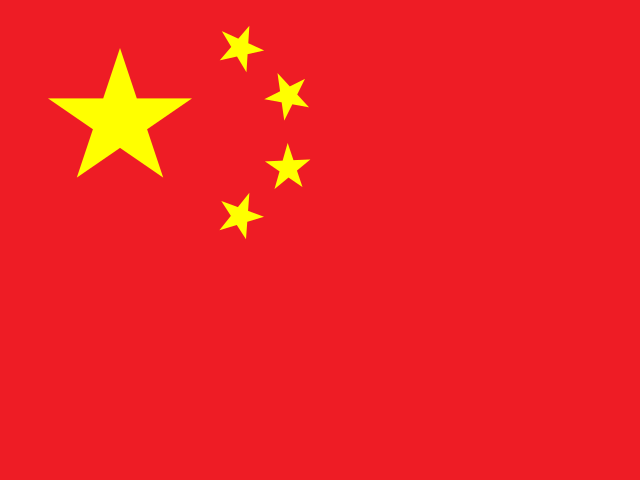
Real Madrid footballer Kylian Mbappe made comments about Mao Zedong that have drawn criticism from China, a key market for sports teams.
The controversy centers on the remarks and the ensuing diplomatic or public backlash.
*AI-generated summary of publicly available data. This is not an official statement of any party.
*AI-generated summary of publicly available statements and reporting. This is not an official statement of this party.
Supporters of Kylian Mbappe argue that a footballer's cultural background shapes how he speaks about foreign historical figures, and that judging his remarks by another nation's political standards disregards that difference.
Supporters of Kylian Mbappe argue the controversy underscores a cultural clash: a French athlete speaking from a Western free-expression tradition, and they contend that no player should be expected to filter personal remarks through another nation's political sensitivities.
Supporters of Kylian Mbappe counter that treating a single founding figure as beyond critique imposes one official memory on a diverse populace, whereas cultural vitality depends on open debate.
Supporters of Kylian Mbappe argue that a private individual's remarks about a historical figure fall within protected expression, and that no legal basis exists for state retaliation against speech.
Supporters of Kylian Mbappe argue that legal frameworks protecting free expression should shield his remarks about Mao Zedong from state backlash, maintaining that criticism alone cannot justify punitive measures by Chinese authorities.
Supporters of Kylian Mbappe counter that defamation and national-symbol laws cannot be invoked to penalize speech by a foreign national made outside the state's territorial jurisdiction, arguing that sovereignty itself limits enforcement reach.
Supporters of Kylian Mbappe argue that Chinese authorities' ire is leverage politics: Beijing treats market access as a weapon, and they maintain that conceding to backlash over remarks only rewards that coercion.
Supporters of Kylian Mbappe argue that China's value as a lucrative market gives it leverage to demand concessions, so they frame the remarks as a free-speech matter to avoid an apology that would set a costly precedent.
Supporters of Kylian Mbappe counter that the "boundaries" run both ways: a market that punishes stars for speech signals it will withdraw revenue at will, so players weigh Chinese money against reputational cost and rival suitors—leverage the signal itself cannot erase.
Supporters of Kylian Mbappe argue that free expression on historical figures is a moral right and should not be curtailed by commercial or diplomatic pressure from China.
Supporters of Kylian Mbappe argue that free expression is a moral duty, and that a footballer should not be silenced or punished for historical commentary simply because a lucrative market objects.
Supporters of Kylian Mbappe counter that moral duty runs to living people first, not to shielding historical figures from scrutiny; in their view, a nation's collective memory is not owed deference when that memory excuses past harms.
Supporters of Kylian Mbappe argue that honoring a nation's founding figure touches deeply held convictions, and they maintain that speech about historical leaders should be weighed against the reverence such figures command.
Supporters of Kylian Mbappe argue that reverence for a nation's founding figures functions as a sacred trust, and they maintain that speech touching such symbols must be weighed against the cultural and religious sensibilities of the society it reaches.
Supporters of Kylian Mbappe counter that reverence owed to a nation's founding figures belongs to conscience and religious conviction, not state enforcement, and that coerced respect for historical memory hollows out the faith it claims to protect.
*AI-generated summary of publicly available statements and reporting. This is not an official statement of this party.
Supporters of Chinese authorities argue that respecting a nation's founding figures and revolutionary heritage is a cultural norm, and they maintain that disparaging Mao Zedong offends the historical memory and dignity of the Chinese people.
Supporters of Chinese authorities argue that remarks about Mao Zedong cross a cultural line, since respect for founding figures and national symbols is a cornerstone of social harmony and inherited tradition.
Supporters of Chinese authorities counter that cultural background does not exempt public figures from local norms, arguing that respect for a host nation's historical sensitivities is itself a cultural obligation.
Supporters of Chinese authorities argue that legal protections for national symbols and public order justify responding to Mbappe's remarks, maintaining that sovereign states may enforce defamation laws and expect foreign figures to respect their legal boundaries.
Supporters of Chinese authorities argue that speech carries legal consequences in China's jurisdiction, maintaining that disparaging remarks about Mao Zedong may violate laws protecting national dignity and public order, which the state is entitled to enforce.
Supporters of Chinese authorities counter that legality is defined by national statutes, not external norms, and that lawful state action against speech deemed harmful falls within domestic legal authority.
Supporters of Chinese authorities argue that public figures like Mbappe must respect market access and political sensitivities; in their view, the backlash is a calculated signal that lucrative markets come with boundaries.
Supporters of Chinese authorities argue that public criticism of Mao Zedong threatens a lucrative market, so the state's swift backlash is a calculated signal that access to Chinese fans carries a price.
Supporters of Chinese authorities counter that market access is a sovereign condition, not a weapon, and firms seeking it accept terms as any state demands.
Supporters of Chinese authorities argue that respect for national sovereignty and historical figures is a moral duty, maintaining that public remarks about Mao Zedong cross a line of basic courtesy owed to a nation's people and their collective memory.
Supporters of Chinese authorities argue that publicly disparaging Mao Zedong shows disrespect for a nation's history and collective memory, and they maintain that figures central to a country's identity deserve basic deference.
Supporters of Chinese authorities counter that moral responsibility includes respecting other nations' historical memory and sovereignty, arguing that free expression does not license disregard for a country's core interests.
Supporters of Chinese authorities invoke the principle that defaming a nation's founding figure and revolutionary heritage violates the moral respect owed to a people's collective faith and historical memory.
Supporters of Chinese authorities argue that reverence for founding figures like Mao Zedong is a matter of public moral duty, and they maintain that speech touching sacred national symbols should be weighed against communal respect rather than treated as unrestricted.
Supporters of Chinese authorities counter that reverence for founding figures is itself a protected conviction, so the state may weigh speech against the social harmony such reverence sustains.
AI-generated summary of publicly available statements and reporting. This is not an official statement of this party.
Supporters of Kylian Mbappe argue that a footballer's cultural background shapes how he speaks about foreign historical figures, and that judging his remarks by another nation's political standards disregards that difference.
Supporters of Kylian Mbappe argue the controversy underscores a cultural clash: a French athlete speaking from a Western free-expression tradition, and they contend that no player should be expected to filter personal remarks through another nation's political sensitivities.
Supporters of Kylian Mbappe counter that treating a single founding figure as beyond critique imposes one official memory on a diverse populace, whereas cultural vitality depends on open debate.
Supporters of Kylian Mbappe argue that a private individual's remarks about a historical figure fall within protected expression, and that no legal basis exists for state retaliation against speech.
Supporters of Kylian Mbappe argue that legal frameworks protecting free expression should shield his remarks about Mao Zedong from state backlash, maintaining that criticism alone cannot justify punitive measures by Chinese authorities.
Supporters of Kylian Mbappe counter that defamation and national-symbol laws cannot be invoked to penalize speech by a foreign national made outside the state's territorial jurisdiction, arguing that sovereignty itself limits enforcement reach.
Supporters of Kylian Mbappe argue that Chinese authorities' ire is leverage politics: Beijing treats market access as a weapon, and they maintain that conceding to backlash over remarks only rewards that coercion.
Supporters of Kylian Mbappe argue that China's value as a lucrative market gives it leverage to demand concessions, so they frame the remarks as a free-speech matter to avoid an apology that would set a costly precedent.
Supporters of Kylian Mbappe counter that the "boundaries" run both ways: a market that punishes stars for speech signals it will withdraw revenue at will, so players weigh Chinese money against reputational cost and rival suitors—leverage the signal itself cannot erase.
Supporters of Kylian Mbappe argue that free expression on historical figures is a moral right and should not be curtailed by commercial or diplomatic pressure from China.
Supporters of Kylian Mbappe argue that free expression is a moral duty, and that a footballer should not be silenced or punished for historical commentary simply because a lucrative market objects.
Supporters of Kylian Mbappe counter that moral duty runs to living people first, not to shielding historical figures from scrutiny; in their view, a nation's collective memory is not owed deference when that memory excuses past harms.
Supporters of Kylian Mbappe argue that honoring a nation's founding figure touches deeply held convictions, and they maintain that speech about historical leaders should be weighed against the reverence such figures command.
Supporters of Kylian Mbappe argue that reverence for a nation's founding figures functions as a sacred trust, and they maintain that speech touching such symbols must be weighed against the cultural and religious sensibilities of the society it reaches.
Supporters of Kylian Mbappe counter that reverence owed to a nation's founding figures belongs to conscience and religious conviction, not state enforcement, and that coerced respect for historical memory hollows out the faith it claims to protect.
Supporters of Chinese authorities argue that respecting a nation's founding figures and revolutionary heritage is a cultural norm, and they maintain that disparaging Mao Zedong offends the historical memory and dignity of the Chinese people.
Supporters of Chinese authorities argue that remarks about Mao Zedong cross a cultural line, since respect for founding figures and national symbols is a cornerstone of social harmony and inherited tradition.
Supporters of Chinese authorities counter that cultural background does not exempt public figures from local norms, arguing that respect for a host nation's historical sensitivities is itself a cultural obligation.
Supporters of Chinese authorities argue that legal protections for national symbols and public order justify responding to Mbappe's remarks, maintaining that sovereign states may enforce defamation laws and expect foreign figures to respect their legal boundaries.
Supporters of Chinese authorities argue that speech carries legal consequences in China's jurisdiction, maintaining that disparaging remarks about Mao Zedong may violate laws protecting national dignity and public order, which the state is entitled to enforce.
Supporters of Chinese authorities counter that legality is defined by national statutes, not external norms, and that lawful state action against speech deemed harmful falls within domestic legal authority.
Supporters of Chinese authorities argue that public figures like Mbappe must respect market access and political sensitivities; in their view, the backlash is a calculated signal that lucrative markets come with boundaries.
Supporters of Chinese authorities argue that public criticism of Mao Zedong threatens a lucrative market, so the state's swift backlash is a calculated signal that access to Chinese fans carries a price.
Supporters of Chinese authorities counter that market access is a sovereign condition, not a weapon, and firms seeking it accept terms as any state demands.
Supporters of Chinese authorities argue that respect for national sovereignty and historical figures is a moral duty, maintaining that public remarks about Mao Zedong cross a line of basic courtesy owed to a nation's people and their collective memory.
Supporters of Chinese authorities argue that publicly disparaging Mao Zedong shows disrespect for a nation's history and collective memory, and they maintain that figures central to a country's identity deserve basic deference.
Supporters of Chinese authorities counter that moral responsibility includes respecting other nations' historical memory and sovereignty, arguing that free expression does not license disregard for a country's core interests.
Supporters of Chinese authorities invoke the principle that defaming a nation's founding figure and revolutionary heritage violates the moral respect owed to a people's collective faith and historical memory.
Supporters of Chinese authorities argue that reverence for founding figures like Mao Zedong is a matter of public moral duty, and they maintain that speech touching sacred national symbols should be weighed against communal respect rather than treated as unrestricted.
Supporters of Chinese authorities counter that reverence for founding figures is itself a protected conviction, so the state may weigh speech against the social harmony such reverence sustains.
The French superstar's comments about Mao Zedong have drawn the ire of China, a lucrative market for sports teams.