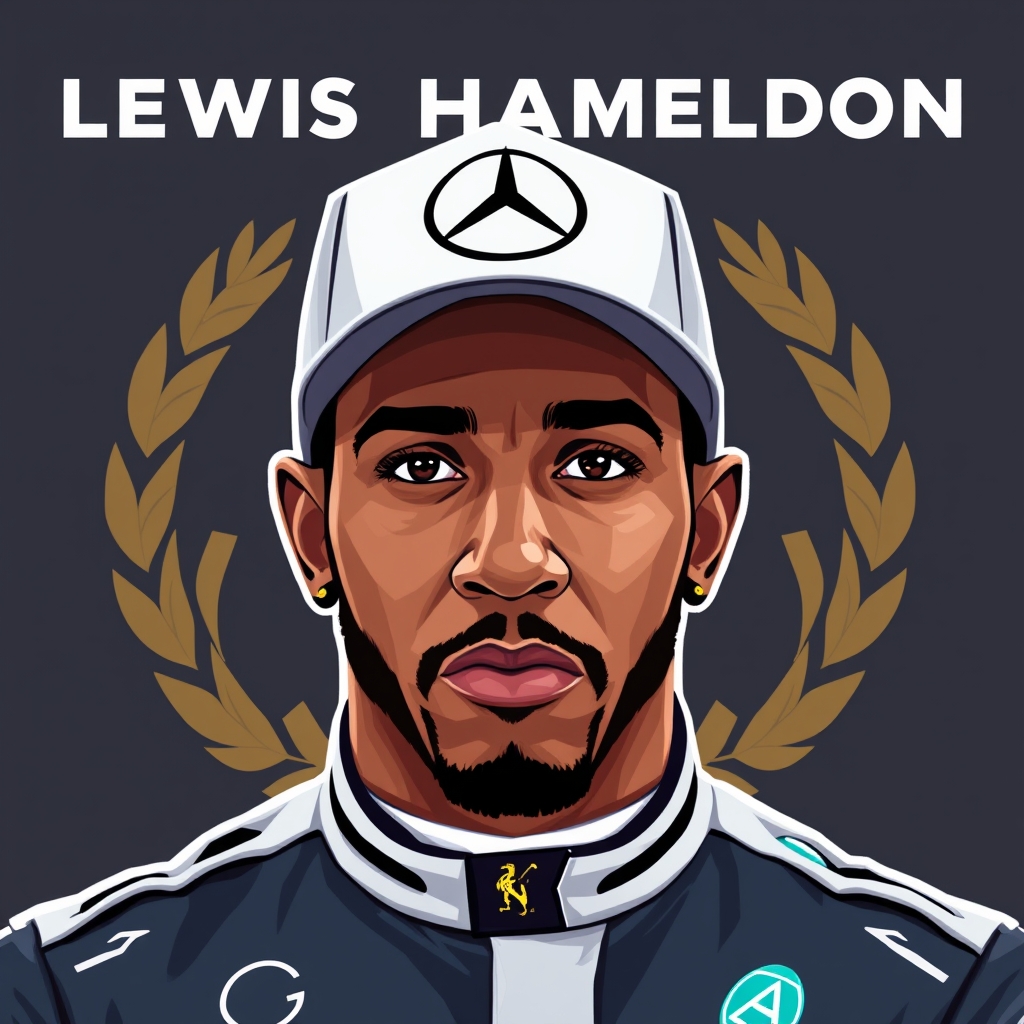
Lewis Hamilton
VS
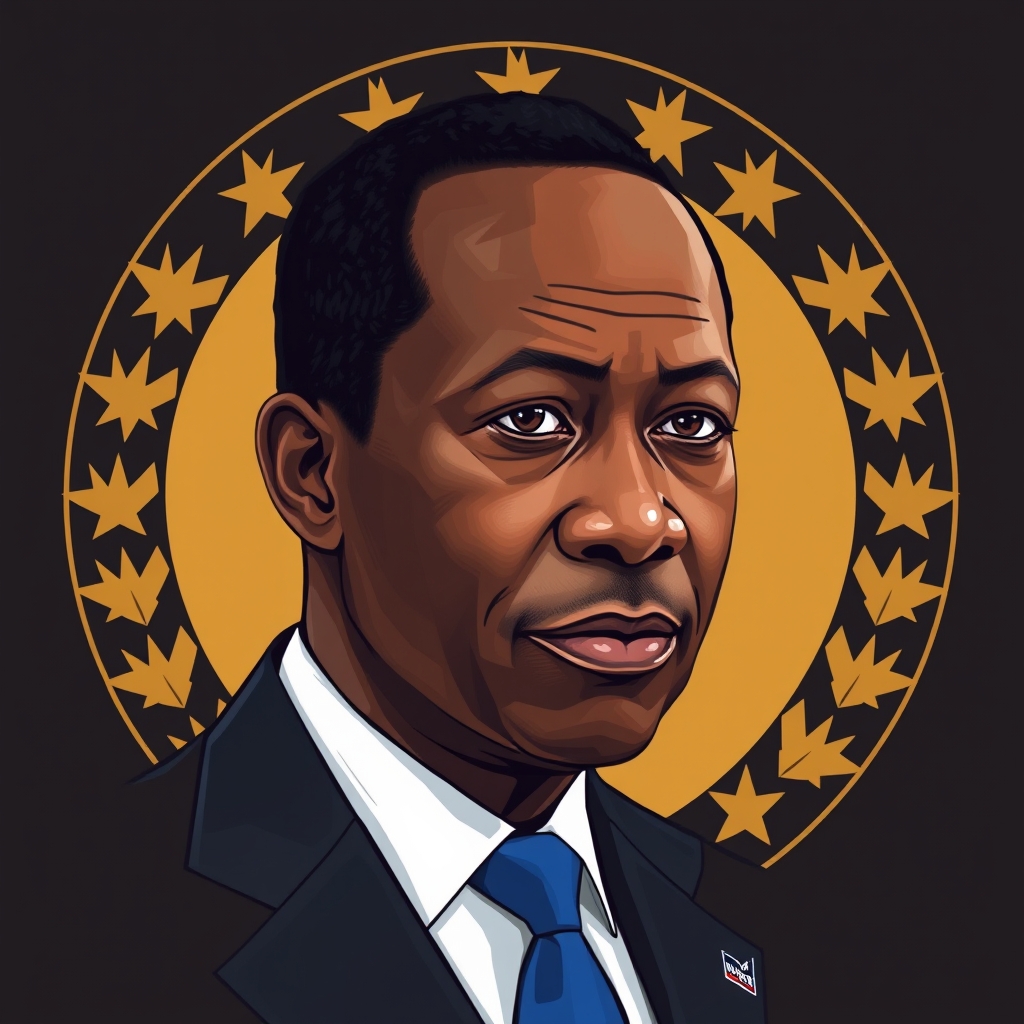
Paul Kagame
Rwanda's hosting of a Formula One Grand Prix has drawn criticism due to the country's human rights record and its alleged involvement in the conflict in the Democratic Republic of Congo.
Lewis Hamilton has used the spotlight to call for freedom for Palestine and the DR Congo, while Rwandan President Paul Kagame defends the race as a positive development for Africa.
*AI-generated summary of publicly available data. This is not an official statement of any party.
*AI-generated summary of publicly available statements and reporting. This is not an official statement of this party.
Supporters of Lewis Hamilton argue that using a global sporting stage to speak for Palestine and the DR Congo reflects a moral duty, contending that cultural events should not lend prestige to governments facing rights concerns.
Supporters of Lewis Hamilton argue that using a global sporting stage to call for freedom in Palestine and the DR Congo upholds a moral duty to affected communities, prioritizing conscience over prestige.
Supporters of Lewis Hamilton counter that a single imported motorsport spectacle, staged at a circuit built to foreign specifications, reflects global racing culture rather than African heritage.
Supporters of Lewis Hamilton argue that hosting a Grand Prix in Rwanda lends international legitimacy to a government facing credible human rights and DRC conflict allegations, and they maintain that legal accountability should precede celebration.
Supporters of Lewis Hamilton argue that hosting a Grand Prix lends international legitimacy to a government facing credible human rights and DRC conflict allegations, and that legal accountability should precede ceremonial prestige.
Supporters of Lewis Hamilton counter that legal authority to host events doesn't resolve the legitimacy question, arguing that sovereign hosting rights and human rights scrutiny are separate legal matters, and that unresolved allegations still warrant examination before sport len.
Supporters of Lewis Hamilton argue that Rwanda's Grand Prix is a reputational shield, and that Hamilton's Palestine and DR Congo statements exploit the sport's visibility to impose costs Kagame cannot easily dismiss.
Supporters of Lewis Hamilton argue that his platform pressures sponsors and F1 to weigh reputational costs against Rwanda's hosting fees, betting that public scrutiny shifts Kagame's incentives more than quiet diplomacy would.
Supporters of Lewis Hamilton counter that Kagame needs the Grand Prix's global legitimacy more than Hamilton needs the podium, so a star who can withhold that spotlight holds real leverage, not mere moral display.
Supporters of Lewis Hamilton argue that using a global platform to demand freedom for Palestine and the DR Congo is a moral duty, insisting that sporting spectacle must not eclipse accountability for human rights.
Supporters of Lewis Hamilton argue that using a sports platform to call for freedom in Palestine and the DR Congo is a moral duty, insisting that hosting a Grand Prix should not eclipse accountability for human rights.
Supporters of Lewis Hamilton counter that moral standing isn't a national privilege—they argue that planetary boundaries and human rights don't stop at borders, so a global public figure may rightly speak for shared ecological and ethical obligations.
Supporters of Lewis Hamilton invoke the moral duty of faith to speak for the oppressed, arguing that a sporting stage should not lend legitimacy to a government accused of abuses in the DRC.
Supporters of Lewis Hamilton argue that hosting a Grand Prix lends moral legitimacy to a government accused of grave abuses, and they invoke the principle that sport should not become a blessing bestowed on rulers who deny their people justice.
Supporters of Lewis Hamilton counter that stewardship cannot be claimed while religious freedom and worship are constrained, arguing Scripture ties the good of a nation to how it treats believers and the faithful.
*AI-generated summary of publicly available statements and reporting. This is not an official statement of this party.
Supporters of Paul Kagame argue that Rwanda’s Grand Prix is a cultural milestone for Africa, showcasing the continent’s capacity to host global events and shifting narratives away from conflict.
Supporters of Paul Kagame argue that the race is a cultural milestone showcasing African modernity and hospitality, and that outside critics imposing their standards miss how such events build national pride and global standing.
Supporters of Paul Kagame counter that sporting and cultural platforms have long served state prestige and national branding, so insisting athletes moralize about foreign governments imposes a selective standard on African hosts that global sports rarely apply to Western nations.
Supporters of Paul Kagame argue that Rwanda holds sovereign legal authority to host international events, and that criticism of the race relies on unproven allegations rather than adjudicated findings.
Supporters of Paul Kagame argue that Rwanda holds sovereign legal authority to host the Grand Prix, and that foreign critics invoking human rights lack standing to override that decision.
Supporters of Paul Kagame counter that no court or UN tribunal has convicted the Rwandan government of the alleged violations, and they argue that unproven allegations cannot legally bar a sovereign state from hosting an FIA-sanctioned event.
Supporters of Paul Kagame argue that hosting the Grand Prix is a calculated play for investment and continental prestige, and that outsiders like Lewis Hamilton who demand change from the podium offer moral display, not leverage.
Supporters of Paul Kagame argue that staging the Grand Prix converts international scrutiny into leverage, trading symbolic criticism for investment and visibility that strengthen the state—pragmatism over moral posturing.
Supporters of Paul Kagame counter that visibility cuts both ways: Hamilton's platform depends on the same F1 calendar and sponsors that host governments can leverage, so public criticism invites quiet pressure where it hurts.
Supporters of Paul Kagame argue that outsiders like Lewis Hamilton lack standing to impose moral judgments, maintaining that Rwanda’s sovereignty and its people’s voluntary choices—not foreign celebrities’ protests—should decide the nation’s path.
Supporters of Paul Kagame argue that moral critiques of Rwanda’s Grand Prix are selectively applied, since foreign investors and sports bodies willingly partner with the government and those voluntary exchanges benefit ordinary Rwandans.
Supporters of Paul Kagame counter that moral duty lies with those delivering stability and development, arguing that external platform-driven criticism overlooks a government's accountability to its own citizens first.
Supporters of Paul Kagame argue that welcoming the race reflects a moral duty of stewardship, framing development and unity as a scriptural good, and they contend that outside condemnation overlooks a nation's own account.
Supporters of Paul Kagame frame the Grand Prix as a moral good, arguing that hosting it advances African development and dignity, and they maintain that outside critics lack standing to judge Rwanda's sovereignty.
Supporters of Paul Kagame counter that faith also commands order, stability, and protection of the innocent, and they argue that Rwanda’s reconstruction and peace efforts reflect a moral duty that critics overlook.
AI-generated summary of publicly available statements and reporting. This is not an official statement of this party.
Supporters of Lewis Hamilton argue that using a global sporting stage to speak for Palestine and the DR Congo reflects a moral duty, contending that cultural events should not lend prestige to governments facing rights concerns.
Supporters of Lewis Hamilton argue that using a global sporting stage to call for freedom in Palestine and the DR Congo upholds a moral duty to affected communities, prioritizing conscience over prestige.
Supporters of Lewis Hamilton counter that a single imported motorsport spectacle, staged at a circuit built to foreign specifications, reflects global racing culture rather than African heritage.
Supporters of Lewis Hamilton argue that hosting a Grand Prix in Rwanda lends international legitimacy to a government facing credible human rights and DRC conflict allegations, and they maintain that legal accountability should precede celebration.
Supporters of Lewis Hamilton argue that hosting a Grand Prix lends international legitimacy to a government facing credible human rights and DRC conflict allegations, and that legal accountability should precede ceremonial prestige.
Supporters of Lewis Hamilton counter that legal authority to host events doesn't resolve the legitimacy question, arguing that sovereign hosting rights and human rights scrutiny are separate legal matters, and that unresolved allegations still warrant examination before sport len.
Supporters of Lewis Hamilton argue that Rwanda's Grand Prix is a reputational shield, and that Hamilton's Palestine and DR Congo statements exploit the sport's visibility to impose costs Kagame cannot easily dismiss.
Supporters of Lewis Hamilton argue that his platform pressures sponsors and F1 to weigh reputational costs against Rwanda's hosting fees, betting that public scrutiny shifts Kagame's incentives more than quiet diplomacy would.
Supporters of Lewis Hamilton counter that Kagame needs the Grand Prix's global legitimacy more than Hamilton needs the podium, so a star who can withhold that spotlight holds real leverage, not mere moral display.
Supporters of Lewis Hamilton argue that using a global platform to demand freedom for Palestine and the DR Congo is a moral duty, insisting that sporting spectacle must not eclipse accountability for human rights.
Supporters of Lewis Hamilton argue that using a sports platform to call for freedom in Palestine and the DR Congo is a moral duty, insisting that hosting a Grand Prix should not eclipse accountability for human rights.
Supporters of Lewis Hamilton counter that moral standing isn't a national privilege—they argue that planetary boundaries and human rights don't stop at borders, so a global public figure may rightly speak for shared ecological and ethical obligations.
Supporters of Lewis Hamilton invoke the moral duty of faith to speak for the oppressed, arguing that a sporting stage should not lend legitimacy to a government accused of abuses in the DRC.
Supporters of Lewis Hamilton argue that hosting a Grand Prix lends moral legitimacy to a government accused of grave abuses, and they invoke the principle that sport should not become a blessing bestowed on rulers who deny their people justice.
Supporters of Lewis Hamilton counter that stewardship cannot be claimed while religious freedom and worship are constrained, arguing Scripture ties the good of a nation to how it treats believers and the faithful.
Supporters of Paul Kagame argue that Rwanda’s Grand Prix is a cultural milestone for Africa, showcasing the continent’s capacity to host global events and shifting narratives away from conflict.
Supporters of Paul Kagame argue that the race is a cultural milestone showcasing African modernity and hospitality, and that outside critics imposing their standards miss how such events build national pride and global standing.
Supporters of Paul Kagame counter that sporting and cultural platforms have long served state prestige and national branding, so insisting athletes moralize about foreign governments imposes a selective standard on African hosts that global sports rarely apply to Western nations.
Supporters of Paul Kagame argue that Rwanda holds sovereign legal authority to host international events, and that criticism of the race relies on unproven allegations rather than adjudicated findings.
Supporters of Paul Kagame argue that Rwanda holds sovereign legal authority to host the Grand Prix, and that foreign critics invoking human rights lack standing to override that decision.
Supporters of Paul Kagame counter that no court or UN tribunal has convicted the Rwandan government of the alleged violations, and they argue that unproven allegations cannot legally bar a sovereign state from hosting an FIA-sanctioned event.
Supporters of Paul Kagame argue that hosting the Grand Prix is a calculated play for investment and continental prestige, and that outsiders like Lewis Hamilton who demand change from the podium offer moral display, not leverage.
Supporters of Paul Kagame argue that staging the Grand Prix converts international scrutiny into leverage, trading symbolic criticism for investment and visibility that strengthen the state—pragmatism over moral posturing.
Supporters of Paul Kagame counter that visibility cuts both ways: Hamilton's platform depends on the same F1 calendar and sponsors that host governments can leverage, so public criticism invites quiet pressure where it hurts.
Supporters of Paul Kagame argue that outsiders like Lewis Hamilton lack standing to impose moral judgments, maintaining that Rwanda’s sovereignty and its people’s voluntary choices—not foreign celebrities’ protests—should decide the nation’s path.
Supporters of Paul Kagame argue that moral critiques of Rwanda’s Grand Prix are selectively applied, since foreign investors and sports bodies willingly partner with the government and those voluntary exchanges benefit ordinary Rwandans.
Supporters of Paul Kagame counter that moral duty lies with those delivering stability and development, arguing that external platform-driven criticism overlooks a government's accountability to its own citizens first.
Supporters of Paul Kagame argue that welcoming the race reflects a moral duty of stewardship, framing development and unity as a scriptural good, and they contend that outside condemnation overlooks a nation's own account.
Supporters of Paul Kagame frame the Grand Prix as a moral good, arguing that hosting it advances African development and dignity, and they maintain that outside critics lack standing to judge Rwanda's sovereignty.
Supporters of Paul Kagame counter that faith also commands order, stability, and protection of the innocent, and they argue that Rwanda’s reconstruction and peace efforts reflect a moral duty that critics overlook.
Rwanda hosts a controversial Formula One Grand Prix, drawing attention to human rights issues.