Luis de la Fuente
VS
Yamal and Vinicius
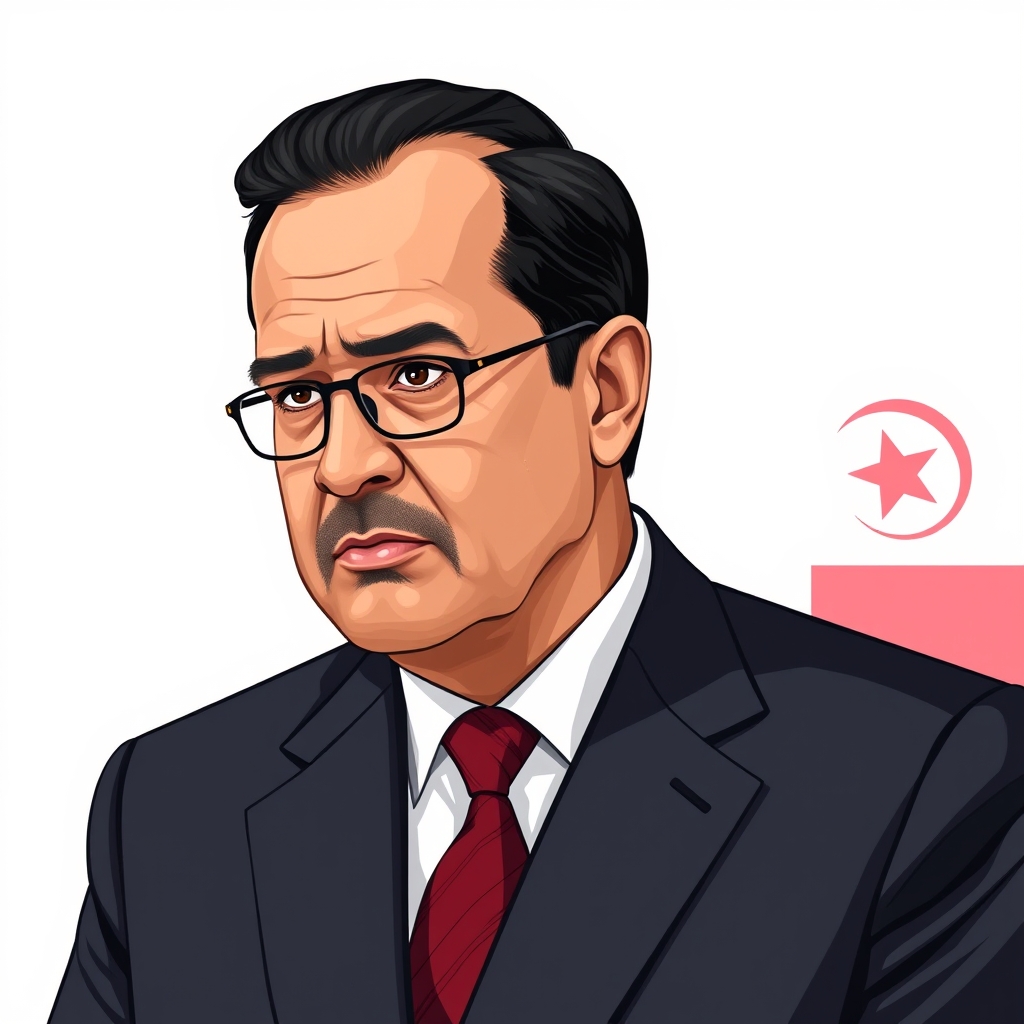

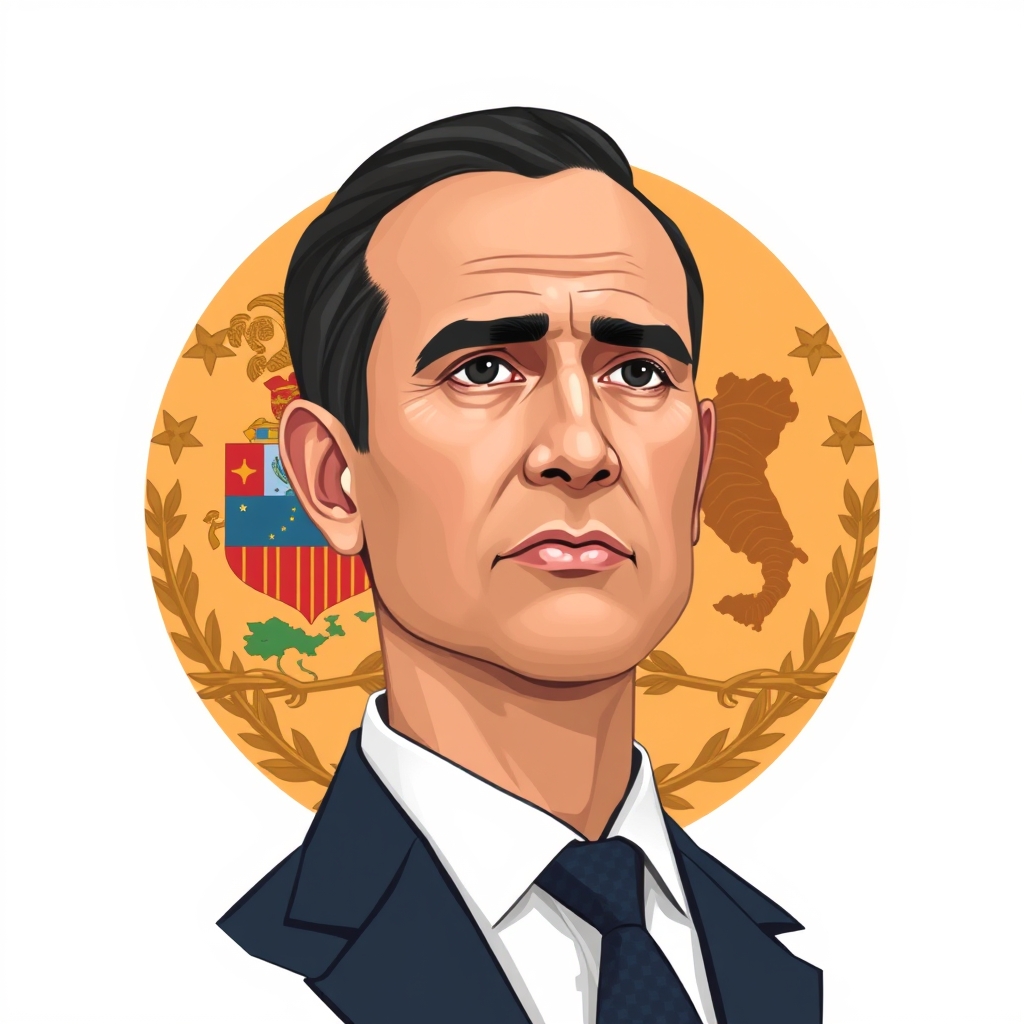
Spain coach Luis de la Fuente denies that racism is a problem in Spain, while players Lamine Yamal and Vinicius Junior have publicly stated they face racist abuse.
The issue has also led to FIFA punishment for Spain.
*AI-generated summary of publicly available data. This is not an official statement of any party.
*AI-generated summary of publicly available statements and reporting. This is not an official statement of this party.
Supporters of Luis de la Fuente frame Spain's football culture as welcoming, treating the national team's diverse squad as proof that the sport unites across backgrounds.
Supporters of Luis de la Fuente frame his denial through cultural pride, contending that Spain's football culture is welcoming and that isolated incidents are misrepresented as systemic.
Supporters of Luis de la Fuente counter that Spain's football culture, rooted in regional and local identity, treats heated stadium exchanges as rivalry rather than racial exclusion, so outside judgments misread the cultural context.
Supporters of Luis de la Fuente argue that isolated incidents should not be treated as proof of systemic racism, and they point to FIFA's disciplinary process as the proper legal channel for adjudicating abuse claims rather than public accusations.
Supporters of Luis de la Fuente argue that isolated incidents, not systemic racism, should be judged on verified legal evidence, and they maintain that FIFA sanctions address specific fan conduct rather than establishing broader institutional liability.
Supporters of Luis de la Fuente counter that a FIFA disciplinary ruling binds the federation, not the players, so it cannot convert their accounts into admissible evidence against him.
Supporters of Luis de la Fuente argue that a national coach protecting the team’s public image and institutional standing outweighs validating player complaints, framing denial as loyalty to Spain’s reputation.
Supporters of Luis de la Fuente argue that denying racism protects Spain's institutional standing and shields the squad from external scrutiny, since conceding the point invites FIFA sanctions and hands rivals leverage.
Supporters of Luis de la Fuente counter that a coach protecting his squad's standing is standard institutional strategy, and that treating FIFA's sanction as the lone credible verdict conveniently ignores who controls the disciplinary narrative.
Supporters of Luis de la Fuente argue that denying racism while Yamal and Vinicius report abuse and FIFA has punished Spain is a moral failure, since dismissing victims' testimony enables harm to continue.
Supporters of Luis de la Fuente argue that denying racism while players report abuse and FIFA sanctions Spain risks normalizing harm, failing a moral duty to protect players and uphold the integrity of the sport.
Supporters of Luis de la Fuente counter that a coach's duty of care toward his own players carries moral weight too, and that treating unverified testimony as settled guilt risks condemning individuals before any fair process concludes.
Supporters of Luis de la Fuente argue that Spain's religious and cultural heritage, rooted in traditions that long honored the dignity of every person, should not be reduced to isolated incidents, and they maintain that the coach's defense reflects a nation's inherited moral orde.
Supporters of Luis de la Fuente argue that defending Spain's national institutions and inherited traditions is a matter of loyalty, and they maintain that a coach's public defense of his country's character reflects a duty of reverence toward the community he serves.
Supporters of Luis de la Fuente counter that the Ninth Commandment guards formal testimony before a tribunal, not every reported perception, and that a coach may await verified facts without bearing false witness.
*AI-generated summary of publicly available statements and reporting. This is not an official statement of this party.
Supporters of Yamal and Vinicius argue that denying racism in Spanish football erases the lived cultural experience of Black players, and that FIFA's punishment of Spain is evidence their accounts deserve recognition over official denial.
Supporters of Yamal and Vinicius argue that denying racism erases the players' lived experience, and they see the players' testimony as evidence that Spanish football must confront its cultural blind spots.
Supporters of Yamal and Vinicius counter that a squad's diversity doesn't erase the cultural pressures players face, arguing that belonging isn't proven by a roster but by whether distinct identities are genuinely respected.
Supporters of Yamal and Vinicius argue that FIFA's punishment of Spain supplies the legal record needed to treat the players' accounts as credible evidence, not opinion.
Supporters of Yamal and Vinicius argue that FIFA's disciplinary action against Spain gives legal weight to the players' accounts of racist abuse, and they maintain that a coach's denial cannot override formally sanctioned findings.
Supporters of Yamal and Vinicius counter that FIFA's disciplinary process has repeatedly failed to sanction proven abuse, so exhausting that channel before speaking publicly would leave victims without any effective legal remedy.
Supporters of Yamal and Vinicius argue that De la Fuente's denial is a power play to shield Spanish football's reputation, and that FIFA's punishment, not the coach's word, is the credible verdict.
Supporters of Yamal and Vinicius argue that De la Fuente's denial is a defensive move to shield Spanish football's reputation and his own position, and they point to FIFA's punishment as proof that the players' accounts carry more weight than the coach's.
Supporters of Yamal and Vinicius counter that shielding institutional reputation at players' expense is a losing trade, since the talent that wins matches holds the real leverage and can withhold it.
Supporters of Yamal and Vinicius argue the players' firsthand testimony of racist abuse carries moral weight that a coach's denial cannot dismiss, and that FIFA's punishment of Spain corroborates their account.
Supporters of Yamal and Vinicius argue that denying racism despite the players' own testimony and FIFA's punishment is morally wrong, since it dismisses the lived experience of those who face the abuse.
Supporters of Yamal and Vinicius counter that moral authority rests on listening to victims, arguing that FIFA's punishment of Spain validates the players' testimony and that dismissing it compounds the harm.
Supporters of Yamal and Vinicius appeal to the moral duty of bearing true witness, arguing that Scripture condemns false testimony and that a coach who denies their lived experience of racist abuse wrongs the players and the truth itself.
Supporters of Yamal and Vinicius invoke the moral duty to bear witness to truth, arguing that denying racism contradicts the call to uphold dignity and justice for every person.
Supporters of Yamal and Vinicius counter that the gospel itself judges inherited custom, noting that scripture warns against honoring tradition while neglecting justice, so appeals to a nation's moral order cannot shield the coach's defense.
AI-generated summary of publicly available statements and reporting. This is not an official statement of this party.
Supporters of Luis de la Fuente frame Spain's football culture as welcoming, treating the national team's diverse squad as proof that the sport unites across backgrounds.
Supporters of Luis de la Fuente frame his denial through cultural pride, contending that Spain's football culture is welcoming and that isolated incidents are misrepresented as systemic.
Supporters of Luis de la Fuente counter that Spain's football culture, rooted in regional and local identity, treats heated stadium exchanges as rivalry rather than racial exclusion, so outside judgments misread the cultural context.
Supporters of Luis de la Fuente argue that isolated incidents should not be treated as proof of systemic racism, and they point to FIFA's disciplinary process as the proper legal channel for adjudicating abuse claims rather than public accusations.
Supporters of Luis de la Fuente argue that isolated incidents, not systemic racism, should be judged on verified legal evidence, and they maintain that FIFA sanctions address specific fan conduct rather than establishing broader institutional liability.
Supporters of Luis de la Fuente counter that a FIFA disciplinary ruling binds the federation, not the players, so it cannot convert their accounts into admissible evidence against him.
Supporters of Luis de la Fuente argue that a national coach protecting the team’s public image and institutional standing outweighs validating player complaints, framing denial as loyalty to Spain’s reputation.
Supporters of Luis de la Fuente argue that denying racism protects Spain's institutional standing and shields the squad from external scrutiny, since conceding the point invites FIFA sanctions and hands rivals leverage.
Supporters of Luis de la Fuente counter that a coach protecting his squad's standing is standard institutional strategy, and that treating FIFA's sanction as the lone credible verdict conveniently ignores who controls the disciplinary narrative.
Supporters of Luis de la Fuente argue that denying racism while Yamal and Vinicius report abuse and FIFA has punished Spain is a moral failure, since dismissing victims' testimony enables harm to continue.
Supporters of Luis de la Fuente argue that denying racism while players report abuse and FIFA sanctions Spain risks normalizing harm, failing a moral duty to protect players and uphold the integrity of the sport.
Supporters of Luis de la Fuente counter that a coach's duty of care toward his own players carries moral weight too, and that treating unverified testimony as settled guilt risks condemning individuals before any fair process concludes.
Supporters of Luis de la Fuente argue that Spain's religious and cultural heritage, rooted in traditions that long honored the dignity of every person, should not be reduced to isolated incidents, and they maintain that the coach's defense reflects a nation's inherited moral orde.
Supporters of Luis de la Fuente argue that defending Spain's national institutions and inherited traditions is a matter of loyalty, and they maintain that a coach's public defense of his country's character reflects a duty of reverence toward the community he serves.
Supporters of Luis de la Fuente counter that the Ninth Commandment guards formal testimony before a tribunal, not every reported perception, and that a coach may await verified facts without bearing false witness.
Supporters of Yamal and Vinicius argue that denying racism in Spanish football erases the lived cultural experience of Black players, and that FIFA's punishment of Spain is evidence their accounts deserve recognition over official denial.
Supporters of Yamal and Vinicius argue that denying racism erases the players' lived experience, and they see the players' testimony as evidence that Spanish football must confront its cultural blind spots.
Supporters of Yamal and Vinicius counter that a squad's diversity doesn't erase the cultural pressures players face, arguing that belonging isn't proven by a roster but by whether distinct identities are genuinely respected.
Supporters of Yamal and Vinicius argue that FIFA's punishment of Spain supplies the legal record needed to treat the players' accounts as credible evidence, not opinion.
Supporters of Yamal and Vinicius argue that FIFA's disciplinary action against Spain gives legal weight to the players' accounts of racist abuse, and they maintain that a coach's denial cannot override formally sanctioned findings.
Supporters of Yamal and Vinicius counter that FIFA's disciplinary process has repeatedly failed to sanction proven abuse, so exhausting that channel before speaking publicly would leave victims without any effective legal remedy.
Supporters of Yamal and Vinicius argue that De la Fuente's denial is a power play to shield Spanish football's reputation, and that FIFA's punishment, not the coach's word, is the credible verdict.
Supporters of Yamal and Vinicius argue that De la Fuente's denial is a defensive move to shield Spanish football's reputation and his own position, and they point to FIFA's punishment as proof that the players' accounts carry more weight than the coach's.
Supporters of Yamal and Vinicius counter that shielding institutional reputation at players' expense is a losing trade, since the talent that wins matches holds the real leverage and can withhold it.
Supporters of Yamal and Vinicius argue the players' firsthand testimony of racist abuse carries moral weight that a coach's denial cannot dismiss, and that FIFA's punishment of Spain corroborates their account.
Supporters of Yamal and Vinicius argue that denying racism despite the players' own testimony and FIFA's punishment is morally wrong, since it dismisses the lived experience of those who face the abuse.
Supporters of Yamal and Vinicius counter that moral authority rests on listening to victims, arguing that FIFA's punishment of Spain validates the players' testimony and that dismissing it compounds the harm.
Supporters of Yamal and Vinicius appeal to the moral duty of bearing true witness, arguing that Scripture condemns false testimony and that a coach who denies their lived experience of racist abuse wrongs the players and the truth itself.
Supporters of Yamal and Vinicius invoke the moral duty to bear witness to truth, arguing that denying racism contradicts the call to uphold dignity and justice for every person.
Supporters of Yamal and Vinicius counter that the gospel itself judges inherited custom, noting that scripture warns against honoring tradition while neglecting justice, so appeals to a nation's moral order cannot shield the coach's defense.
Yamal and Vinicius have publicly said they face racist abuse in Spain, which has faced FIFA punishment over the issue.