Lula
VS
Rubio
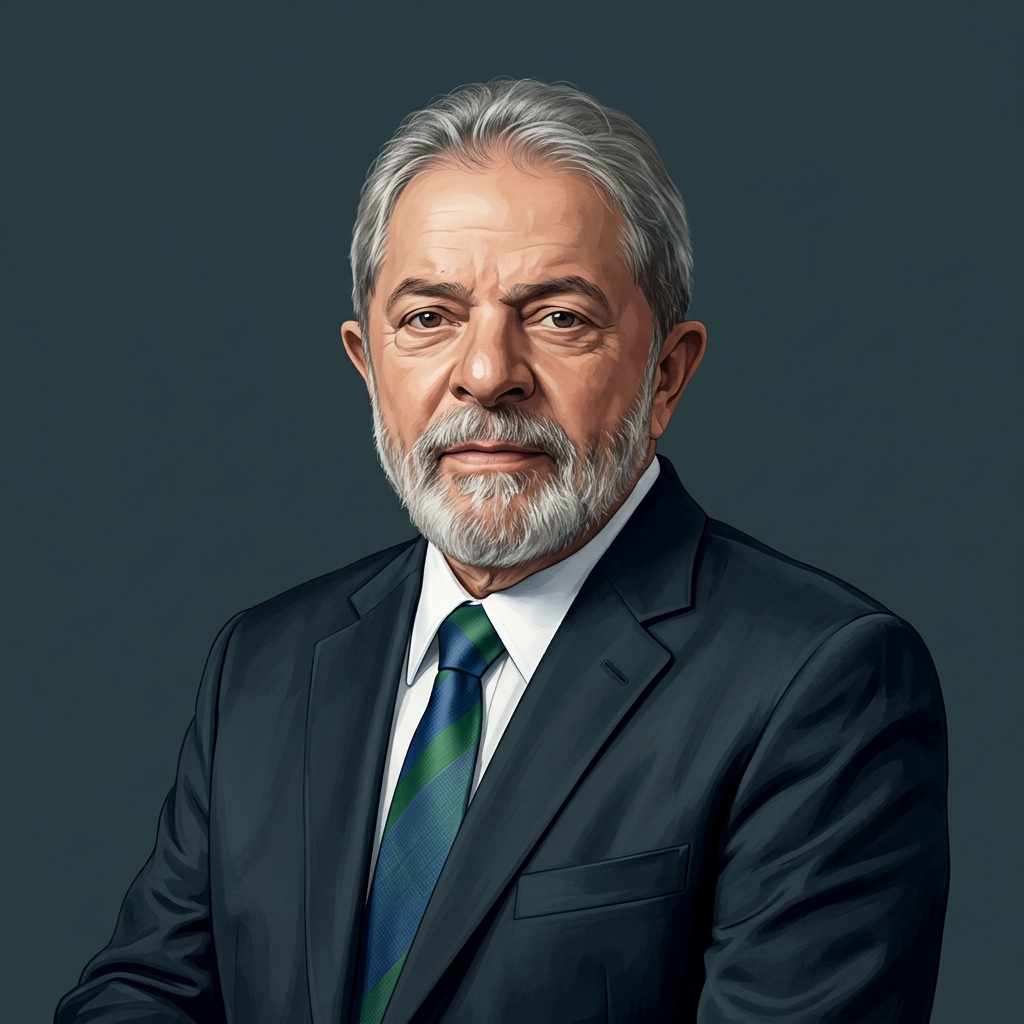
Luiz Inácio Lula da Silva is the President of Brazil, a leftist leader who has been a prominent figure in Latin American politics.
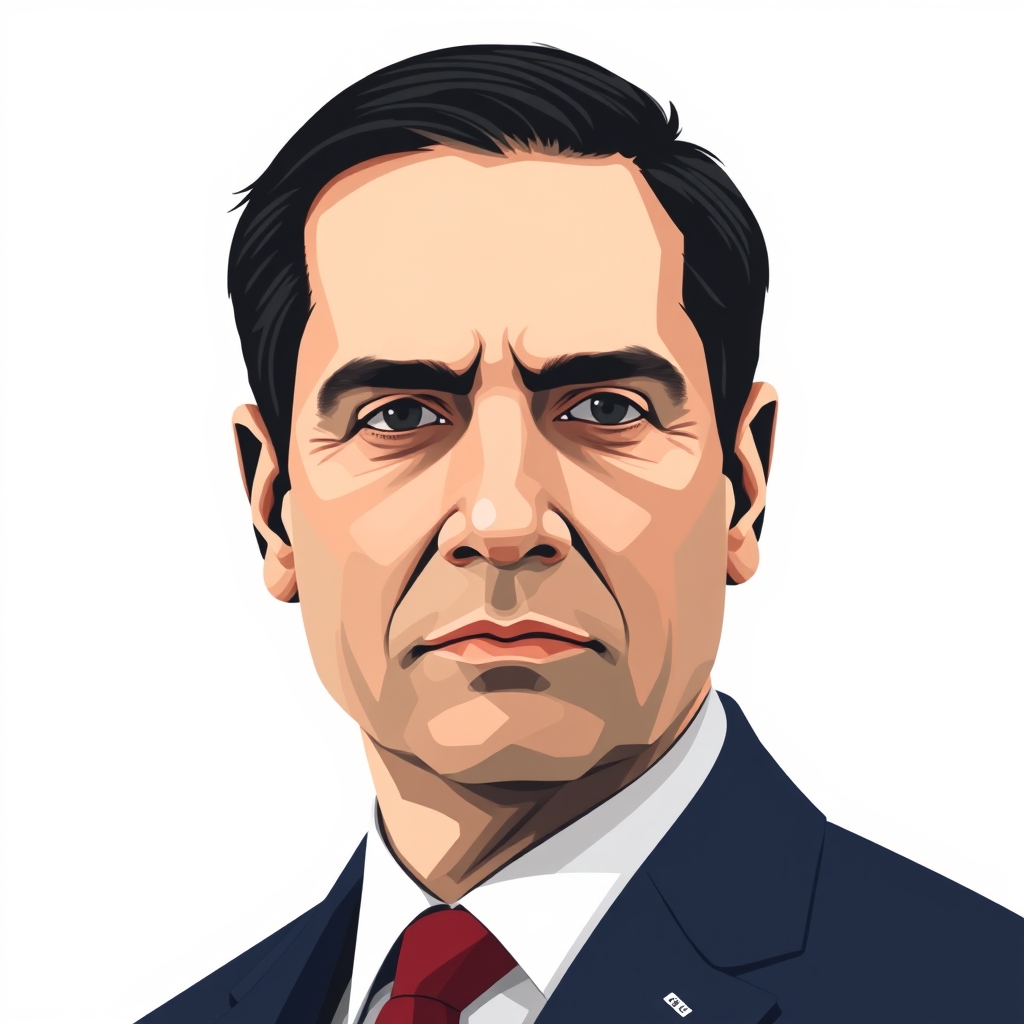
Marco Rubio is the United States Secretary of State, a Republican politician known for his hardline stance on issues such as Cuba and Venezuela.
The two have clashed over U.S. policy toward Latin America, with Lula accusing Rubio of being an 'enemy of Latin America' and a 'frustrated Latin American.'
The conflict intensified after the Trump administration imposed 25% tariffs on most Brazilian imports, which Lula condemned as an attack on Brazil's sovereignty.
Lula has claimed that Rubio acted against an understanding he had reached with President Donald Trump, and that Brazil learned about the tariffs through the media.
In response, Lula has sought to bypass Rubio by appealing directly to Trump, viewing the president as a potential ally in the dispute.
Brazil's Foreign Minister Mauro Vieira has also accused Rubio of attacking Lula, further escalating the diplomatic rift.
*AI-generated summary of publicly available data. This is not an official statement of any party.
*AI-generated summary of publicly available statements and reporting. This is not an official statement of this party.
Supporters of Lula argue that his push to reach Trump directly reflects a cultural conviction that Latin American dignity must not be filtered through a U.S. official they see as dismissive of the region’s history.
Supporters of Lula argue that Rubio’s hardline stance dismisses Latin America’s cultural sovereignty, reflecting a historical pattern of U.S. condescension; they maintain direct talks with Trump honor Brazil’s regional leadership and diplomatic dignity.
Supporters of Lula counter that Brazil’s diplomatic tradition values direct presidential dialogue over bureaucratic gatekeeping, citing past summits where heads of state bypassed lower officials to advance regional trust.
Supporters of Lula argue that bypassing Rubio is legally sound, as direct presidential diplomacy is permitted under international norms; they maintain Rubio’s policy stances, if hostile to regional sovereignty, justify this channel, which they see as lawful and prudent.
Supporters of Lula argue that bypassing Rubio is a lawful exercise of presidential diplomacy, as direct heads-of-state communication is standard practice under international law and not a treaty violation.
Supporters of Lula counter that direct presidential diplomacy is lawful and consistent with past U.S. practice, as the Constitution grants the President plenary foreign affairs authority, not the Secretary of State.
Supporters of Lula argue that bypassing Rubio is a pragmatic power play, recognizing that real influence flows through Trump, not his subordinates, and that neutralizing a hostile gatekeeper secures Brazil's leverage.
Supporters of Lula argue he is bypassing Rubio to reach Trump directly, seeing the Secretary as a weak link whose anti-Latin America stance threatens Brazilian leverage, while real power rests with the President.
Supporters of Lula counter that the direct channel to Trump is not weakness but strategic necessity, bypassing Rubio’s moralizing to secure tangible trade and security gains. They argue Brazil’s leverage lies in playing both hemispheres, not kneeling to Washington’s script.
Supporters of Lula argue that bypassing Rubio reflects a moral duty to defend Latin American sovereignty against dismissive US policy, viewing direct dialogue with Trump as a principled path to mutual respect.
Supporters of Lula argue that direct dialogue between sovereign leaders reflects a moral duty to uphold mutual respect, viewing Rubio’s stance as dismissive of Latin American dignity and cooperation.
Supporters of Lula counter that moral consistency demands prioritizing human dignity over institutional formality, and that engaging directly with civil society reflects a higher respect for democratic will than diplomatic protocol.
Supporters of Lula argue that bypassing Rubio reflects a moral duty to treat Latin American nations as equals, citing scripture’s call to honor the dignity of all peoples.
Supporters of Lula argue that bypassing Rubio reflects a moral duty to protect Latin American sovereignty, viewing Rubio’s stance as contrary to the scriptural call for just stewardship over one’s neighbors.
Supporters of Lula counter that divine law, not rigid institutions, governs justice among nations, and that Rubio’s moral order ignores the sacred duty to uplift the oppressed, as scripture commands.
*AI-generated summary of publicly available statements and reporting. This is not an official statement of this party.
Supporters of Rubio argue that Lula’s attempt to bypass the Secretary of State reflects a disregard for the institutional respect that shapes U.S.–Brazil ties, framing Rubio’s firm stance as a defense of shared hemispheric values rather than hostility.
Supporters of Rubio argue that Lula’s bypass attempt reflects a cultural clash over sovereignty, as Rubio’s policies prioritize national identity and borders over regional bloc solidarity.
Supporters of Rubio counter that cultural dignity is best preserved through direct, respectful engagement with U.S. institutions, not by bypassing a duly appointed Secretary of State, whose own heritage reflects shared hemispheric values.
Supporters of Rubio argue that bypassing the Secretary of State undermines established diplomatic protocol, as Lula’s direct appeal to Trump disregards the legal hierarchy of U.S. foreign policy.
Supporters of Rubio argue that his legal authority as Secretary of State obligates him to enforce U.S. policy uniformly, and Lula’s attempt to bypass him undermines diplomatic protocol and treaty-based processes.
Supporters of Rubio counter that bypassing the Secretary of State violates the U.S. Logan Act’s spirit and federal protocol, which vests foreign policy execution in the State Department, making Lula’s direct channel legally dubious under domestic law.
Supporters of Rubio argue that Lula’s end-run to Trump is a transparent power play, exposing Brazil’s weakness in a hierarchy where Washington holds the leverage.
Supporters of Rubio argue that Lula’s end-run to Trump is a transparent power play, not diplomacy: it seeks to isolate a secretary who enforces leverage, not favors.
Supporters of Rubio counter that bypassing a sitting Secretary of State signals weakness, not pragmatism, and hands Trump’s inner circle a reason to test Brazil’s loyalty.
Supporters of Rubio argue that his firm stance on Latin America reflects moral consistency, not hostility, and that bypassing a nation’s elected diplomat undermines the respect owed to institutional process.
Supporters of Rubio argue that his blunt defense of US sovereignty in Latin America is a moral duty, not prejudice, citing his push for democratic accountability over autocratic deference as principled, not anti-regional.
Supporters of Rubio counter that Lula’s bypass signals moral evasion, not sovereignty, as it abandons the hemisphere’s shared democratic forum for a personalist bargain.
Supporters of Rubio argue that his defense of traditional alliances and moral order in Latin America reflects a principled stance, not hostility, and that Lula’s bypass attempt undermines the region’s respect for established diplomatic institutions.
Supporters of Rubio argue that his defense of traditional alliances and moral order reflects a principled, faith-informed duty to protect hemispheric stability.
Supporters of Rubio counter that honoring dignity does not mean disregarding the constitutional order, for scripture also commands respect for established authority and lawful process.
AI-generated summary of publicly available statements and reporting. This is not an official statement of this party.
Supporters of Lula argue that his push to reach Trump directly reflects a cultural conviction that Latin American dignity must not be filtered through a U.S. official they see as dismissive of the region’s history.
Supporters of Lula argue that Rubio’s hardline stance dismisses Latin America’s cultural sovereignty, reflecting a historical pattern of U.S. condescension; they maintain direct talks with Trump honor Brazil’s regional leadership and diplomatic dignity.
Supporters of Lula counter that Brazil’s diplomatic tradition values direct presidential dialogue over bureaucratic gatekeeping, citing past summits where heads of state bypassed lower officials to advance regional trust.
Supporters of Lula argue that bypassing Rubio is legally sound, as direct presidential diplomacy is permitted under international norms; they maintain Rubio’s policy stances, if hostile to regional sovereignty, justify this channel, which they see as lawful and prudent.
Supporters of Lula argue that bypassing Rubio is a lawful exercise of presidential diplomacy, as direct heads-of-state communication is standard practice under international law and not a treaty violation.
Supporters of Lula counter that direct presidential diplomacy is lawful and consistent with past U.S. practice, as the Constitution grants the President plenary foreign affairs authority, not the Secretary of State.
Supporters of Lula argue that bypassing Rubio is a pragmatic power play, recognizing that real influence flows through Trump, not his subordinates, and that neutralizing a hostile gatekeeper secures Brazil's leverage.
Supporters of Lula argue he is bypassing Rubio to reach Trump directly, seeing the Secretary as a weak link whose anti-Latin America stance threatens Brazilian leverage, while real power rests with the President.
Supporters of Lula counter that the direct channel to Trump is not weakness but strategic necessity, bypassing Rubio’s moralizing to secure tangible trade and security gains. They argue Brazil’s leverage lies in playing both hemispheres, not kneeling to Washington’s script.
Supporters of Lula argue that bypassing Rubio reflects a moral duty to defend Latin American sovereignty against dismissive US policy, viewing direct dialogue with Trump as a principled path to mutual respect.
Supporters of Lula argue that direct dialogue between sovereign leaders reflects a moral duty to uphold mutual respect, viewing Rubio’s stance as dismissive of Latin American dignity and cooperation.
Supporters of Lula counter that moral consistency demands prioritizing human dignity over institutional formality, and that engaging directly with civil society reflects a higher respect for democratic will than diplomatic protocol.
Supporters of Lula argue that bypassing Rubio reflects a moral duty to treat Latin American nations as equals, citing scripture’s call to honor the dignity of all peoples.
Supporters of Lula argue that bypassing Rubio reflects a moral duty to protect Latin American sovereignty, viewing Rubio’s stance as contrary to the scriptural call for just stewardship over one’s neighbors.
Supporters of Lula counter that divine law, not rigid institutions, governs justice among nations, and that Rubio’s moral order ignores the sacred duty to uplift the oppressed, as scripture commands.
Supporters of Rubio argue that Lula’s attempt to bypass the Secretary of State reflects a disregard for the institutional respect that shapes U.S.–Brazil ties, framing Rubio’s firm stance as a defense of shared hemispheric values rather than hostility.
Supporters of Rubio argue that Lula’s bypass attempt reflects a cultural clash over sovereignty, as Rubio’s policies prioritize national identity and borders over regional bloc solidarity.
Supporters of Rubio counter that cultural dignity is best preserved through direct, respectful engagement with U.S. institutions, not by bypassing a duly appointed Secretary of State, whose own heritage reflects shared hemispheric values.
Supporters of Rubio argue that bypassing the Secretary of State undermines established diplomatic protocol, as Lula’s direct appeal to Trump disregards the legal hierarchy of U.S. foreign policy.
Supporters of Rubio argue that his legal authority as Secretary of State obligates him to enforce U.S. policy uniformly, and Lula’s attempt to bypass him undermines diplomatic protocol and treaty-based processes.
Supporters of Rubio counter that bypassing the Secretary of State violates the U.S. Logan Act’s spirit and federal protocol, which vests foreign policy execution in the State Department, making Lula’s direct channel legally dubious under domestic law.
Supporters of Rubio argue that Lula’s end-run to Trump is a transparent power play, exposing Brazil’s weakness in a hierarchy where Washington holds the leverage.
Supporters of Rubio argue that Lula’s end-run to Trump is a transparent power play, not diplomacy: it seeks to isolate a secretary who enforces leverage, not favors.
Supporters of Rubio counter that bypassing a sitting Secretary of State signals weakness, not pragmatism, and hands Trump’s inner circle a reason to test Brazil’s loyalty.
Supporters of Rubio argue that his firm stance on Latin America reflects moral consistency, not hostility, and that bypassing a nation’s elected diplomat undermines the respect owed to institutional process.
Supporters of Rubio argue that his blunt defense of US sovereignty in Latin America is a moral duty, not prejudice, citing his push for democratic accountability over autocratic deference as principled, not anti-regional.
Supporters of Rubio counter that Lula’s bypass signals moral evasion, not sovereignty, as it abandons the hemisphere’s shared democratic forum for a personalist bargain.
Supporters of Rubio argue that his defense of traditional alliances and moral order in Latin America reflects a principled stance, not hostility, and that Lula’s bypass attempt undermines the region’s respect for established diplomatic institutions.
Supporters of Rubio argue that his defense of traditional alliances and moral order reflects a principled, faith-informed duty to protect hemispheric stability.
Supporters of Rubio counter that honoring dignity does not mean disregarding the constitutional order, for scripture also commands respect for established authority and lawful process.
Brazil’s Lula is seeking to establish direct contact with Trump to bypass Rubio, who he called “anti-Latin America” Read Full Article at RT.com
Lula da Silva criticized U.S. Secretary of State Marco Rubio, calling him a 'frustrated Latin American.'
Lula claimed Rubio acted against an understanding he had reached with President Trump, and said Brazil learned about the tariffs through the media.
Brazil's Foreign Minister Mauro Vieira accused U.S. Secretary of State Marco Rubio of 'attacking' President Lula da Silva.
Brazilian President Lula da Silva launched a sharp defense of Brazil's sovereignty while condemning new U.S. tariffs imposed by President Trump.