Lula
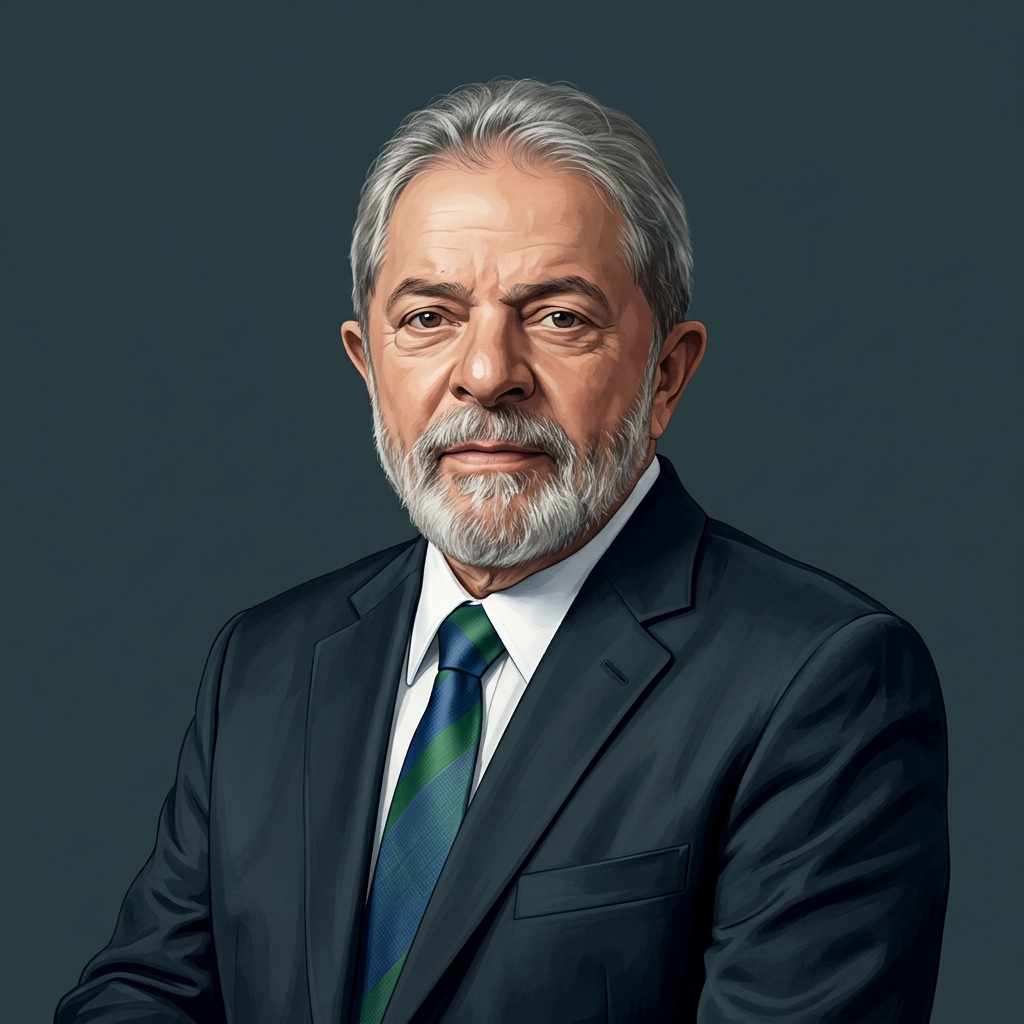
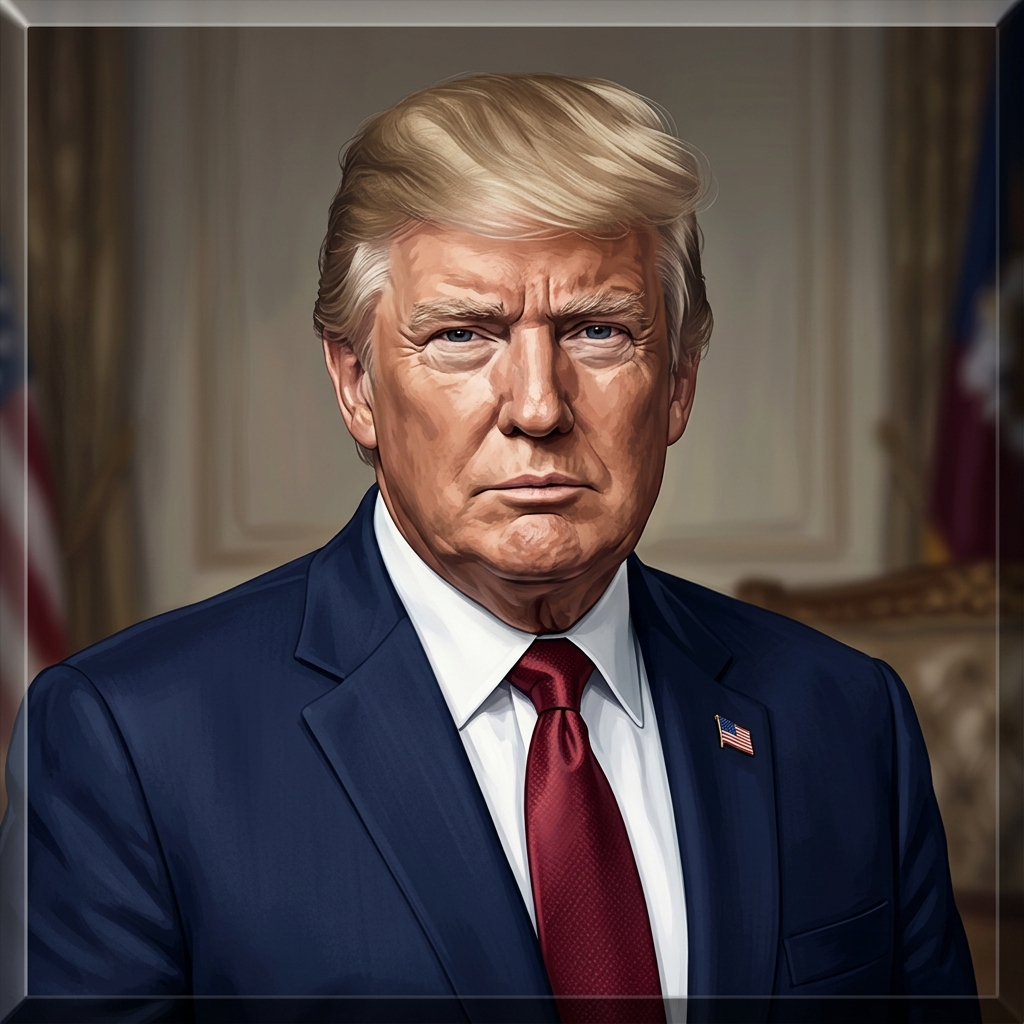
VS
Trump
Luiz Inácio Lula da Silva is the president of Brazil, a former union leader who was jailed on graft charges in 2018 before his convictions were overturned and who returned to office after a remarkable political comeback.
Donald Trump is the president of the United States, who has also staged a political comeback and whose administration has imposed tariffs on Brazilian exports such as coffee and beef.
The two leaders have conflicting interests over the role of external actors in Brazil's electoral process.
Lula has accused Trump of interfering in Brazil's election and warned against foreign interference in his UN address, while Trump has asserted US power in Latin America in his own UN speech.
Lula has also said he will confront Trump at the UN over the interference allegations.
The dispute unfolds against a backdrop of US tariffs that have hit Brazilian exports and strained relations between the two countries.
Lula has frequently criticised Trump, and in a September 2025 interview he said he had no relationship with Trump, while the two later met in Washington in May 2026 to discuss cooperation against organized crime and tariffs.
*AI-generated summary of publicly available data. This is not an official statement of any party.
*AI-generated summary of publicly available statements and reporting. This is not an official statement of this party.
Supporters of Lula argue that Brazil's elections express a distinct national identity, and that outside powers asserting influence over the vote disrespect Brazilian sovereignty and self-determination.
Supporters of Lula argue that Brazil's electoral process reflects its own cultural identity, and that outside powers have no standing to shape a sovereign nation's political life.
Supporters of Lula counter that hemispheric cultural heritage cannot be invoked to justify outside pressure on Brazil's vote, since sovereignty itself is the core of that heritage.
Supporters of Lula argue that national sovereignty and international law bar foreign interference in Brazil's election, citing the UN Charter's non-intervention principle.
Supporters of Lula argue that sovereignty and international law bar foreign leaders from intervening in Brazil's elections, and that Trump's assertions of US power in Latin America cross that legal line.
Supporters of Lula counter that sovereignty is itself a legal norm, and that regional stability claims cannot override the non-intervention principles enshrined in the UN Charter and OAS Charter.
Supporters of Lula argue his sovereignty warning is pragmatic positioning: by casting Trump as the meddler, he rallies domestic legitimacy and limits Washington's leverage over Brazil's election.
Supporters of Lula argue that sovereignty at the UN is leverage, not principle—warning off Trump's power play protects Brazil's bargaining room and keeps outside actors from tilting the election.
Supporters of Lula counter that leverage cuts both ways: US saber-rattling before Brazil's vote hands Lula a nationalist card, letting him cast foreign pressure as the real threat and rally swing voters against Washington's preferred outcome.
Supporters of Lula argue that sovereignty and the UN Charter's principle of non-interference make foreign meddling in Brazil's election a moral violation, and that only Brazilians may choose their leaders.
Supporters of Lula invoke sovereignty and international law, arguing that the UN Charter bars outside powers from meddling in another nation's elections and that Brazil's voters alone hold the moral right to choose their leaders.
Supporters of Lula counter that sovereignty cannot justify ignoring human rights, arguing that regional interests must yield to universal moral duties and multilateral cooperation.
Supporters of Lula invoke sovereignty as a moral and scriptural principle, arguing that a nation's electoral will reflects God-given human dignity and must be shielded from foreign interference.
Supporters of Lula invoke national sovereignty as a moral good, arguing that a people's self-determination reflects a God-given dignity that no outside power should override at the ballot.
Supporters of Lula invoke liberation theology, countering that scripture calls nations to defend the poor and oppressed, not impose moral order abroad; sovereignty and solidarity with the marginalized, they argue, better reflect divine law.
*AI-generated summary of publicly available statements and reporting. This is not an official statement of this party.
Supporters of Trump argue that US leadership in Latin America upholds a shared hemispheric cultural heritage and regional stability, and they maintain that Trump's UN address affirms sovereign strength rather than interference in Brazil's election.
Supporters of Trump argue that asserting US influence in Latin America preserves cultural and historical ties across the hemisphere, maintaining that regional stability depends on resisting outside interference in shared traditions.
Supporters of Trump counter that preserving Brazil's sovereignty requires aligning with Western democratic traditions, not ceding cultural ground to movements they view as hostile to those inherited values.
Supporters of Trump argue that US power in Latin America is lawful and necessary, maintaining that sovereignty claims cannot shield a nation from scrutiny when regional stability and American interests are at stake.
Supporters of Trump argue that US power in Latin America is lawful and necessary, and that sovereignty claims cannot shield states from accountability for shared regional security concerns.
Supporters of Trump counter that sovereignty shields only legitimate elections, and that the UN Charter's non-intervention principle cannot be invoked to bar scrutiny of a process they argue was tainted by judicial overreach.
Supporters of Trump argue that US power in Latin America is leverage, not interference: they maintain that Brazil's election outcome matters to US interests, so signaling strength at the UN is a pragmatic bid to shape incentives before votes are cast.
Supporters of Trump argue that US power in Latin America serves stability and trade, not interference, and that Lula’s sovereignty rhetoric masks his own regional ambitions.
Supporters of Trump counter that Lula's sovereignty framing masks weakness: by branding Washington a meddler, he invites the very scrutiny he claims to resist, handing Trump leverage to expose Brazil's dependence and dictate terms.
Supporters of Trump argue that sovereign nations have a moral right to assert their regional interests, and that a strong US posture in Latin America protects freedom and prosperity against outside influence.
Supporters of Trump argue that sovereign nations prosper through free exchange and that US engagement in Latin America advances mutual growth, not coercion. They maintain that open markets, not isolation, best serve Brazil's people.
Supporters of Trump counter that shielding a Brazilian election from outside scrutiny is not moral if it lets a corrupt regime steal the vote; they argue defending a free people's choice outweighs sovereignty claims.
Supporters of Trump argue that nations, like families, answer to moral order and tradition, and that America's role in Latin America reflects a duty to defend those foundations against outside interference.
Supporters of Trump argue that nations, under God, have a duty to defend their sovereignty and regional order, and they frame US strength in Latin America as a check against outside interference.
Supporters of Trump counter that sovereignty, as a God-given trust, obligates nations to defend religious liberty, and that Brazil's suppression of Christian expression invites outside scrutiny.
AI-generated summary of publicly available statements and reporting. This is not an official statement of this party.
Supporters of Lula argue that Brazil's elections express a distinct national identity, and that outside powers asserting influence over the vote disrespect Brazilian sovereignty and self-determination.
Supporters of Lula argue that Brazil's electoral process reflects its own cultural identity, and that outside powers have no standing to shape a sovereign nation's political life.
Supporters of Lula counter that hemispheric cultural heritage cannot be invoked to justify outside pressure on Brazil's vote, since sovereignty itself is the core of that heritage.
Supporters of Lula argue that national sovereignty and international law bar foreign interference in Brazil's election, citing the UN Charter's non-intervention principle.
Supporters of Lula argue that sovereignty and international law bar foreign leaders from intervening in Brazil's elections, and that Trump's assertions of US power in Latin America cross that legal line.
Supporters of Lula counter that sovereignty is itself a legal norm, and that regional stability claims cannot override the non-intervention principles enshrined in the UN Charter and OAS Charter.
Supporters of Lula argue his sovereignty warning is pragmatic positioning: by casting Trump as the meddler, he rallies domestic legitimacy and limits Washington's leverage over Brazil's election.
Supporters of Lula argue that sovereignty at the UN is leverage, not principle—warning off Trump's power play protects Brazil's bargaining room and keeps outside actors from tilting the election.
Supporters of Lula counter that leverage cuts both ways: US saber-rattling before Brazil's vote hands Lula a nationalist card, letting him cast foreign pressure as the real threat and rally swing voters against Washington's preferred outcome.
Supporters of Lula argue that sovereignty and the UN Charter's principle of non-interference make foreign meddling in Brazil's election a moral violation, and that only Brazilians may choose their leaders.
Supporters of Lula invoke sovereignty and international law, arguing that the UN Charter bars outside powers from meddling in another nation's elections and that Brazil's voters alone hold the moral right to choose their leaders.
Supporters of Lula counter that sovereignty cannot justify ignoring human rights, arguing that regional interests must yield to universal moral duties and multilateral cooperation.
Supporters of Lula invoke sovereignty as a moral and scriptural principle, arguing that a nation's electoral will reflects God-given human dignity and must be shielded from foreign interference.
Supporters of Lula invoke national sovereignty as a moral good, arguing that a people's self-determination reflects a God-given dignity that no outside power should override at the ballot.
Supporters of Lula invoke liberation theology, countering that scripture calls nations to defend the poor and oppressed, not impose moral order abroad; sovereignty and solidarity with the marginalized, they argue, better reflect divine law.
Supporters of Trump argue that US leadership in Latin America upholds a shared hemispheric cultural heritage and regional stability, and they maintain that Trump's UN address affirms sovereign strength rather than interference in Brazil's election.
Supporters of Trump argue that asserting US influence in Latin America preserves cultural and historical ties across the hemisphere, maintaining that regional stability depends on resisting outside interference in shared traditions.
Supporters of Trump counter that preserving Brazil's sovereignty requires aligning with Western democratic traditions, not ceding cultural ground to movements they view as hostile to those inherited values.
Supporters of Trump argue that US power in Latin America is lawful and necessary, maintaining that sovereignty claims cannot shield a nation from scrutiny when regional stability and American interests are at stake.
Supporters of Trump argue that US power in Latin America is lawful and necessary, and that sovereignty claims cannot shield states from accountability for shared regional security concerns.
Supporters of Trump counter that sovereignty shields only legitimate elections, and that the UN Charter's non-intervention principle cannot be invoked to bar scrutiny of a process they argue was tainted by judicial overreach.
Supporters of Trump argue that US power in Latin America is leverage, not interference: they maintain that Brazil's election outcome matters to US interests, so signaling strength at the UN is a pragmatic bid to shape incentives before votes are cast.
Supporters of Trump argue that US power in Latin America serves stability and trade, not interference, and that Lula’s sovereignty rhetoric masks his own regional ambitions.
Supporters of Trump counter that Lula's sovereignty framing masks weakness: by branding Washington a meddler, he invites the very scrutiny he claims to resist, handing Trump leverage to expose Brazil's dependence and dictate terms.
Supporters of Trump argue that sovereign nations have a moral right to assert their regional interests, and that a strong US posture in Latin America protects freedom and prosperity against outside influence.
Supporters of Trump argue that sovereign nations prosper through free exchange and that US engagement in Latin America advances mutual growth, not coercion. They maintain that open markets, not isolation, best serve Brazil's people.
Supporters of Trump counter that shielding a Brazilian election from outside scrutiny is not moral if it lets a corrupt regime steal the vote; they argue defending a free people's choice outweighs sovereignty claims.
Supporters of Trump argue that nations, like families, answer to moral order and tradition, and that America's role in Latin America reflects a duty to defend those foundations against outside interference.
Supporters of Trump argue that nations, under God, have a duty to defend their sovereignty and regional order, and they frame US strength in Latin America as a check against outside interference.
Supporters of Trump counter that sovereignty, as a God-given trust, obligates nations to defend religious liberty, and that Brazil's suppression of Christian expression invites outside scrutiny.
Brazilian President Lula da Silva warns against foreign interference in Brazil's election during his UN address.
US President Donald Trump asserts US power in Latin America during his own UN address.
In an exclusive interview with CNN's Christiane Amanpour, Lula said Trump does not have the right to govern other countries and accused him of interfering in Brazil's election.
Lula visited Washington to meet with Trump, seeking to avert new US trade tariffs and discussing cooperation in the fight against organized crime and tariffs.
In an interview, Brazilian President Lula said he had no relationship with Donald Trump and criticised the US tariffs that had hit Brazilian exports like coffee and beef, saying they would become more expensive.