Macron
VS
Russia
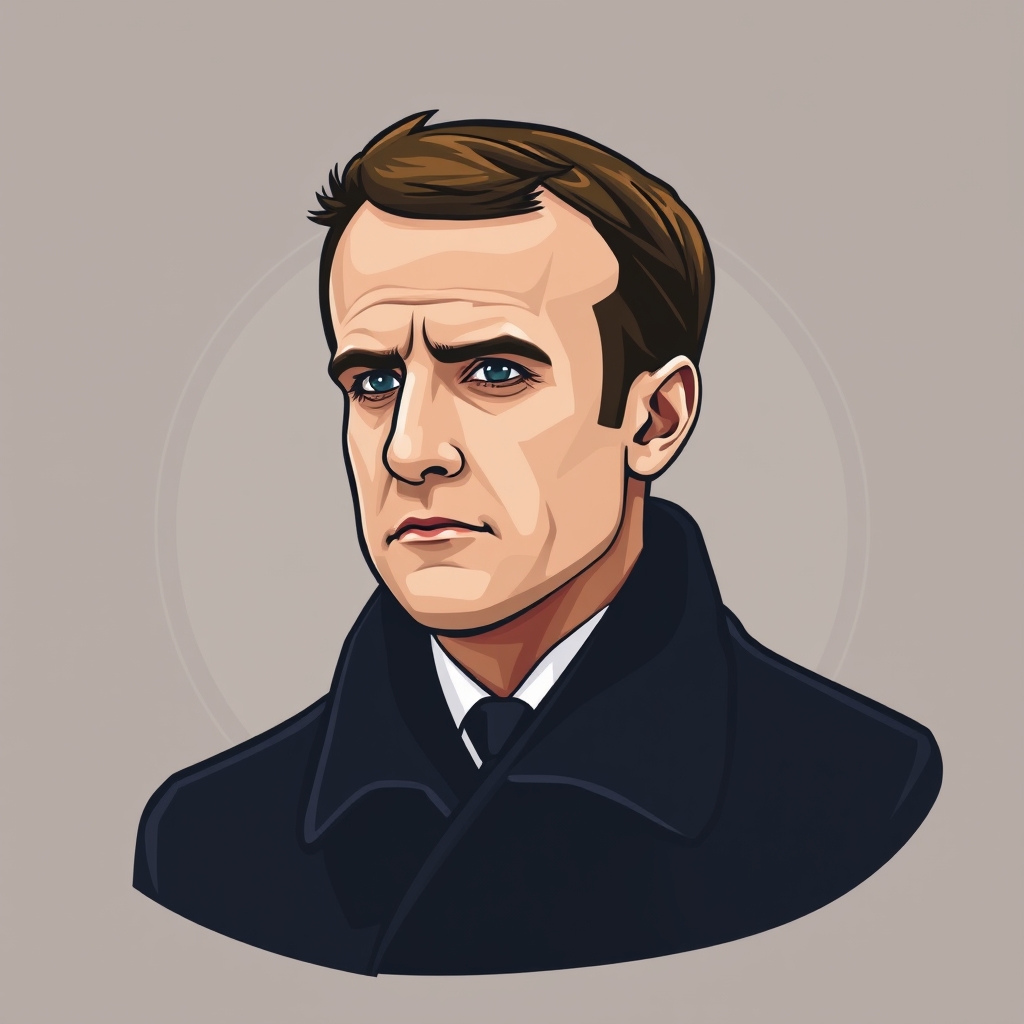
Emmanuel Macron is the President of France, a European Union and NATO member state.
Russia is a major European power led by President Vladimir Putin.
Since Russia's full-scale invasion of Ukraine in February 2022, Macron has been a prominent European voice on the war, engaging in diplomatic outreach to Moscow while also supporting Ukraine and European security measures.
The two sides have conflicting interests over Russia's war in Ukraine and its consequences for Europe.
Macron has accused Russia of waging hybrid attacks against Europe and has ordered measures to protect France's critical infrastructure and defence industry sites.
Russia has criticized Macron's rhetoric, including calling Putin an 'ogre,' which Moscow described as a vulgar insult against Russia and its people.
The dispute is part of broader tensions between Russia and European states over the war in Ukraine, sanctions, and European security.
Macron has also called for a united G7 to increase pressure on Russia's oil and gas revenues and has said the United States must apply pressure on Russia and Putin to find a resolution.
*AI-generated summary of publicly available data. This is not an official statement of any party.
*AI-generated summary of publicly available statements and reporting. This is not an official statement of this party.
Supporters of Macron argue that protecting France's inherited institutions and way of life requires defending critical infrastructure from foreign hybrid attacks, framing sovereignty as a duty owed to the nation's cultural continuity.
Supporters of Macron argue that safeguarding France's critical infrastructure and defence sites is a duty of cultural continuity, preserving the nation's inherited institutions and way of life against foreign disruption.
Supporters of Macron counter that France's cultural diplomacy is transparent and rooted in shared European values, while Russia's influence operations rely on covert funding and disinformation that undermine sovereign institutions.
Supporters of Macron argue that international law obligates states to defend critical infrastructure from foreign hybrid attacks, and that France's protective measures are a lawful exercise of sovereignty, not escalation.
Supporters of Macron argue that international law permits France to harden defenses against hybrid attacks, viewing sovereignty as a state's lawful right to protect its own infrastructure without external interference.
Supporters of Macron counter that French law permits precautionary security measures on credible threat assessments, not proof of an attack, so guarding infrastructure requires no prior attribution of guilt.
Supporters of Macron argue that naming Russian hybrid attacks justifies hard security spending and rallies allies behind French leadership, since visible threats, real or amplified, are what move budgets and voters.
Supporters of Macron argue that naming Russian hybrid attacks as intensifying lets him justify hardened security and a stronger defense posture, converting an external threat into domestic leverage for his agenda.
Supporters of Macron counter that Moscow's own troop buildups and hybrid attacks supply the threat, so the Élysée merely names what European capitals already see; a fabricated menace would collapse the moment allies compared notes.
Supporters of Macron argue that defending critical infrastructure is a moral duty, since protecting citizens and industry from hybrid attacks upholds the rule of law and democratic security.
Supporters of Macron argue that protecting critical infrastructure and defence sites is a moral duty, since safeguarding citizens and democratic institutions from intensifying Russian hybrid attacks upholds sovereignty and the rule of law.
Supporters of Macron counter that a nation under repeated hybrid attack has a moral duty to defend its citizens, and that demanding perfect transparency before acting only rewards the aggressor.
Supporters of Macron frame the defense of France's inherited Christian heritage and national sanctuary as a moral duty, arguing that protecting critical infrastructure and defense sites guards the cultural continuity and social order their faith tradition commands them to preserv.
Supporters of Macron argue that defending France's Christian-rooted heritage and social order requires safeguarding critical infrastructure from Russian hybrid attacks, framing protection as a duty of legitimate authority.
Supporters of Macron counter that sovereignty cannot shield a nation invoking spiritual authority to justify aggression, since religious tradition itself condemns unprovoked war against a neighbor.
*AI-generated summary of publicly available statements and reporting. This is not an official statement of this party.
Supporters of Russia argue that Macron's charge of hybrid attacks echoes a long Cold War pattern of Western powers branding rivals' influence as subversion while shielding their own cultural reach.
Supporters of Russia frame Macron's warnings as a cultural revival of Cold War-era Russophobia, arguing France historically scapegoats Moscow to justify Western military buildup and unity.
Supporters of Russia counter that sovereignty talk masks a cultural double standard: France's own historical spheres of influence are framed as destiny, while Russia's ties to neighboring peoples are cast as hybrid aggression.
Supporters of Russia argue Macron's hybrid-war claim lacks evidence, so invoking emergency security powers to guard infrastructure exceeds legal necessity and presumes guilt before proof.
Supporters of Russia reject Macron's hybrid-attack claim as legally unfounded, arguing that no evidence or due-process forum has substantiated it, and that sovereignty bars France from treating unproven attribution as grounds for action against Russia.
Supporters of Russia counter that international law also protects the sovereign equality of states, and that France's unilateral measures, absent Security Council authorization, exceed lawful self-defense under Article 51.
Supporters of Russia argue Macron's warning is a bid to rally domestic support and justify higher defense spending, since a visible external threat serves the Élysée's interests.
Supporters of Russia argue Macron manufactures a hybrid-threat narrative to justify EU rearmament and centralize power, casting routine espionage as "Russian aggression" to distract from domestic weakness.
Supporters of Russia counter that threat-naming is itself a power play: by branding hybrid attacks, Paris justifies budgets and rallies allies, yet the same logic invites Moscow to mirror the escalation—so the label serves French leadership more than French security.
Supporters of Russia argue that Macron's claims of hybrid attacks serve to justify expanded surveillance and military spending, and they maintain that such accusations lack transparent, independent evidence.
Supporters of Russia argue that Macron's hybrid-attack claims serve to justify NATO's military buildup, and that France, not Russia, is escalating tensions by framing routine defense cooperation as aggression.
Supporters of Russia counter that France's moral claim rings hollow, since the same rule-of-law states wage hybrid warfare abroad while lecturing others, and true morality means opposing all covert interference, not only the kind that targets Paris.
Supporters of Russia invoke the principle of sovereignty, arguing that Macron's warnings serve to justify NATO expansion and that nations retain moral authority to defend their own spiritual and territorial integrity against foreign encroachment.
Supporters of Russia invoke the principle of non-interference in sovereign affairs, arguing that Macron's warnings serve Western interests; they maintain that accusations of hybrid attacks lack religious or moral warrant.
Supporters of Russia counter that true Christian guardianship lies in the Orthodox tradition of Holy Rus, not France's secular state, which they say has abandoned scriptural fidelity for worldly power.
AI-generated summary of publicly available statements and reporting. This is not an official statement of this party.
Supporters of Macron argue that protecting France's inherited institutions and way of life requires defending critical infrastructure from foreign hybrid attacks, framing sovereignty as a duty owed to the nation's cultural continuity.
Supporters of Macron argue that safeguarding France's critical infrastructure and defence sites is a duty of cultural continuity, preserving the nation's inherited institutions and way of life against foreign disruption.
Supporters of Macron counter that France's cultural diplomacy is transparent and rooted in shared European values, while Russia's influence operations rely on covert funding and disinformation that undermine sovereign institutions.
Supporters of Macron argue that international law obligates states to defend critical infrastructure from foreign hybrid attacks, and that France's protective measures are a lawful exercise of sovereignty, not escalation.
Supporters of Macron argue that international law permits France to harden defenses against hybrid attacks, viewing sovereignty as a state's lawful right to protect its own infrastructure without external interference.
Supporters of Macron counter that French law permits precautionary security measures on credible threat assessments, not proof of an attack, so guarding infrastructure requires no prior attribution of guilt.
Supporters of Macron argue that naming Russian hybrid attacks justifies hard security spending and rallies allies behind French leadership, since visible threats, real or amplified, are what move budgets and voters.
Supporters of Macron argue that naming Russian hybrid attacks as intensifying lets him justify hardened security and a stronger defense posture, converting an external threat into domestic leverage for his agenda.
Supporters of Macron counter that Moscow's own troop buildups and hybrid attacks supply the threat, so the Élysée merely names what European capitals already see; a fabricated menace would collapse the moment allies compared notes.
Supporters of Macron argue that defending critical infrastructure is a moral duty, since protecting citizens and industry from hybrid attacks upholds the rule of law and democratic security.
Supporters of Macron argue that protecting critical infrastructure and defence sites is a moral duty, since safeguarding citizens and democratic institutions from intensifying Russian hybrid attacks upholds sovereignty and the rule of law.
Supporters of Macron counter that a nation under repeated hybrid attack has a moral duty to defend its citizens, and that demanding perfect transparency before acting only rewards the aggressor.
Supporters of Macron frame the defense of France's inherited Christian heritage and national sanctuary as a moral duty, arguing that protecting critical infrastructure and defense sites guards the cultural continuity and social order their faith tradition commands them to preserv.
Supporters of Macron argue that defending France's Christian-rooted heritage and social order requires safeguarding critical infrastructure from Russian hybrid attacks, framing protection as a duty of legitimate authority.
Supporters of Macron counter that sovereignty cannot shield a nation invoking spiritual authority to justify aggression, since religious tradition itself condemns unprovoked war against a neighbor.
Supporters of Russia argue that Macron's charge of hybrid attacks echoes a long Cold War pattern of Western powers branding rivals' influence as subversion while shielding their own cultural reach.
Supporters of Russia frame Macron's warnings as a cultural revival of Cold War-era Russophobia, arguing France historically scapegoats Moscow to justify Western military buildup and unity.
Supporters of Russia counter that sovereignty talk masks a cultural double standard: France's own historical spheres of influence are framed as destiny, while Russia's ties to neighboring peoples are cast as hybrid aggression.
Supporters of Russia argue Macron's hybrid-war claim lacks evidence, so invoking emergency security powers to guard infrastructure exceeds legal necessity and presumes guilt before proof.
Supporters of Russia reject Macron's hybrid-attack claim as legally unfounded, arguing that no evidence or due-process forum has substantiated it, and that sovereignty bars France from treating unproven attribution as grounds for action against Russia.
Supporters of Russia counter that international law also protects the sovereign equality of states, and that France's unilateral measures, absent Security Council authorization, exceed lawful self-defense under Article 51.
Supporters of Russia argue Macron's warning is a bid to rally domestic support and justify higher defense spending, since a visible external threat serves the Élysée's interests.
Supporters of Russia argue Macron manufactures a hybrid-threat narrative to justify EU rearmament and centralize power, casting routine espionage as "Russian aggression" to distract from domestic weakness.
Supporters of Russia counter that threat-naming is itself a power play: by branding hybrid attacks, Paris justifies budgets and rallies allies, yet the same logic invites Moscow to mirror the escalation—so the label serves French leadership more than French security.
Supporters of Russia argue that Macron's claims of hybrid attacks serve to justify expanded surveillance and military spending, and they maintain that such accusations lack transparent, independent evidence.
Supporters of Russia argue that Macron's hybrid-attack claims serve to justify NATO's military buildup, and that France, not Russia, is escalating tensions by framing routine defense cooperation as aggression.
Supporters of Russia counter that France's moral claim rings hollow, since the same rule-of-law states wage hybrid warfare abroad while lecturing others, and true morality means opposing all covert interference, not only the kind that targets Paris.
Supporters of Russia invoke the principle of sovereignty, arguing that Macron's warnings serve to justify NATO expansion and that nations retain moral authority to defend their own spiritual and territorial integrity against foreign encroachment.
Supporters of Russia invoke the principle of non-interference in sovereign affairs, arguing that Macron's warnings serve Western interests; they maintain that accusations of hybrid attacks lack religious or moral warrant.
Supporters of Russia counter that true Christian guardianship lies in the Orthodox tradition of Holy Rus, not France's secular state, which they say has abandoned scriptural fidelity for worldly power.
The French president says he has tasked the government with protecting critical infrastructure and defence industry sites.
Russia's foreign ministry spokesperson described Macron's comments calling Putin an 'ogre' as vulgar insults against Russia and its people.
French President Emmanuel Macron said he does not believe Putin is willing to reach a resolution and insisted the United States must apply pressure on Russia, including through more sanctions.
In February 2022, Russian President Vladimir Putin launched a war against Ukraine, prompting a major European response and shaping Macron's subsequent diplomacy and security policies.