Maduro
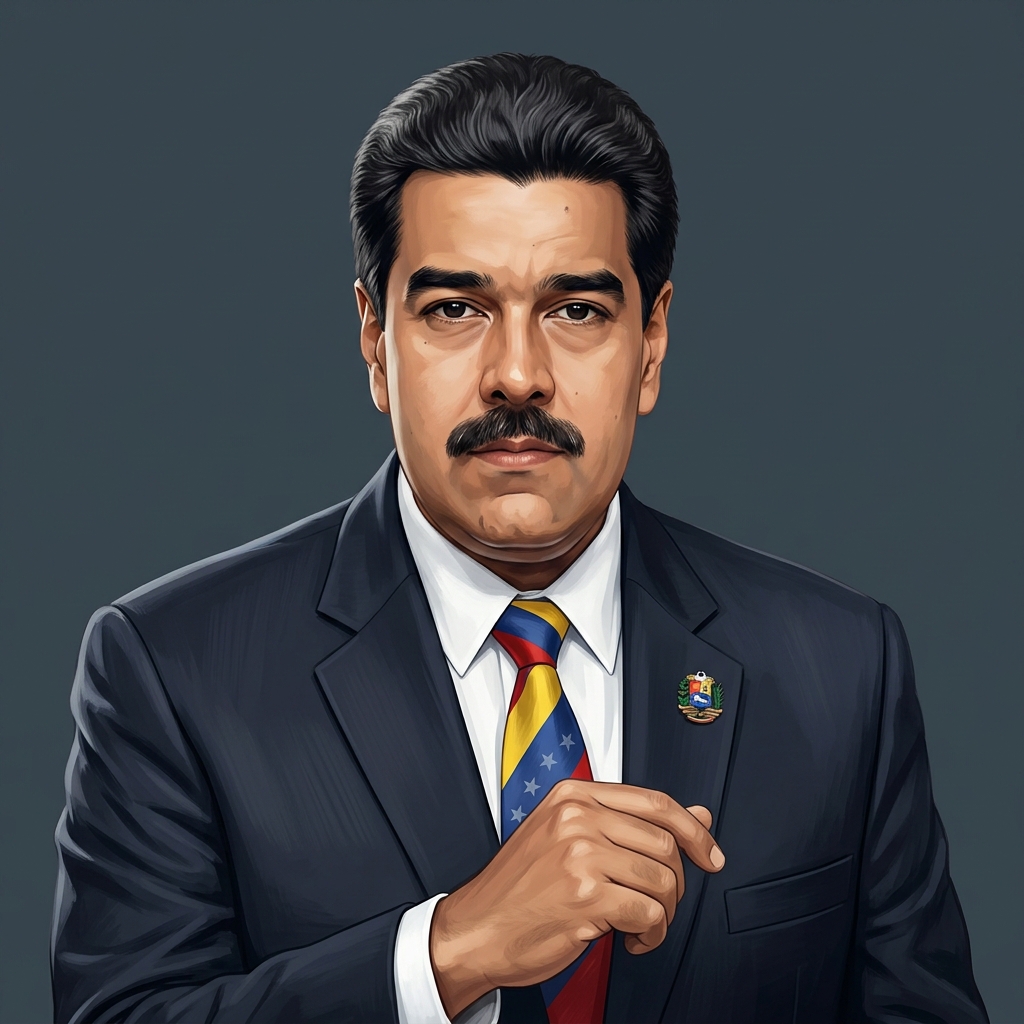
VS
Prosecutors
?
No actors in this side.
No actors in this side.
Nicolas Maduro and his wife have been charged with leading a state-sponsored repression campaign that tortured scores of victims during his presidency from 2013 to 2026.
Maduro has pleaded not guilty to these charges.
*AI-generated summary of publicly available data. This is not an official statement of any party.
*AI-generated summary of publicly available statements and reporting. This is not an official statement of this party.
Supporters of Maduro argue the charges are a foreign-backed cultural assault on Venezuela's sovereignty, framing his not-guilty plea as a defense of national identity against outside interference.
Supporters of Maduro argue the charges amount to foreign prosecutors imposing outside legal norms on Venezuela's sovereign institutions, and that only Venezuelans may judge their own leaders' conduct.
Supporters of Maduro counter that sovereignty and national dignity matter more than foreign courts, arguing Venezuela's cultural tradition rejects outside judgment of its internal affairs.
Supporters of Maduro argue that a plea of not guilty means the prosecution must still prove its torture charges in court, and that due process and the presumption of innocence apply to every accused, however contested the case.
Supporters of Maduro argue his not-guilty plea reflects a lawful defense: absent due process, universal jurisdiction claims by foreign prosecutors lack standing, and they maintain sovereignty bars such charges.
Supporters of Maduro counter that Venezuelan courts already adjudicated these claims and found no state responsibility, so demanding foreign prosecution ignores the legal finality and sovereignty of domestic judicial rulings.
Supporters of Maduro argue the charges are a political weapon, not justice: prosecutors target him because he still commands loyalty, and power, not evidence, drives the case.
Supporters of Maduro argue the charges are a political weapon, not justice: prosecutors target him because power, not evidence, drives the case.
Supporters of Maduro counter that a not-guilty plea costs nothing while prosecutors still must prove intent in court; in their view, the repression claim is the opposition's own power play, and state control of institutions, not evidence, decides outcomes.
Supporters of Maduro argue that pleading not guilty upholds the presumption of innocence, insisting the torture charges are politically motivated and lack verified evidence.
Supporters of Maduro argue that pleading not guilty affirms his moral standing, insisting the charges are politically motivated and that due process, not accusation, must establish guilt.
Supporters of Maduro counter that moral duty cuts both ways: prosecutorial powers have historically shielded allied states while selective tribunals target sovereignty, so they argue accountability demands impartial courts, not unilateral indictments.
Supporters of Maduro invoke faith and national sovereignty, arguing that his not-guilty plea reflects a moral order where judgment belongs to God alone, not foreign prosecutors.
Supporters of Maduro invoke faith and sovereignty, arguing that scripture commands deference to governing authorities and that judgment belongs to God alone, so the charges amount to a political trial against a legitimately elected president.
Supporters of Maduro counter that judgment belongs to God alone, citing Romans 12:19, and that earthly prosecutors, however sincere, risk usurping divine authority when they equate legal duty with sacred obligation.
*AI-generated summary of publicly available statements and reporting. This is not an official statement of this party.
Supporters of Prosecutors argue that a culture of impunity in Venezuela let state violence go unchecked for over a decade, and that this trial is a necessary reckoning for that history.
Supporters of Prosecutors argue that a culture of impunity shielded Venezuelan state violence for years, so they see these charges as a precedent-setting reckoning—history's pattern of unaccountable rulers finally facing judgment.
Supporters of Prosecutors counter that sovereignty does not shield leaders from accountability for crimes against their own people, arguing that Venezuelan victims' testimony—not foreign powers—anchors the case.
Supporters of Prosecutors argue that a not-guilty plea does not erase documented evidence of state-sponsored torture, and that legal accountability must proceed regardless of a defendant's office or denial.
Supporters of Prosecutors argue that a not-guilty plea does not erase documented evidence of state-sponsored torture, and that fair legal process exists precisely to test such charges in court.
Supporters of Prosecutors counter that the presumption of innocence does not bar prosecution, since due process is exactly the mechanism by which torture charges get proven in court.
Supporters of Prosecutors argue that Maduro's not-guilty plea is a predictable power play, and that the evidence of a state-run repression apparatus matters more than any courtroom denial.
Supporters of the Prosecutors argue that Maduro's not-guilty plea is a predictable power play—defendants with state machinery rarely concede—so they treat the plea as evidence of impunity, not innocence.
Supporters of Prosecutors counter that Maduro's loyalty claim cuts both ways: the same power that shields him also ensures evidence surfaces only when defectors defect, making the timing a signal of weakening control, not innocence.
Supporters of Prosecutors argue that torture victims deserve accountability, and that Maduro's not-guilty plea cannot erase the moral duty to answer for state-sponsored repression under international human rights law.
Supporters of the Prosecutors argue that victims of state repression deserve justice, and that no leader, however powerful, should stand above international human rights law.
Supporters of Prosecutors counter that the presumption of innocence cannot shield a head of state from accountability when torture allegations implicate universal human rights, which transcend national politics.
Supporters of Prosecutors invoke the moral duty to protect the innocent, arguing that a leader's professed faith rings hollow if the vulnerable are tortured under his watch and that justice for victims is a sacred obligation.
Supporters of Prosecutors argue that a ruler's authority is answerable to a moral law higher than the state, citing longstanding religious teaching that the powerful are judged for cruelty inflicted on the vulnerable.
Supporters of Prosecutors counter that Romans 13 binds rulers to God-ordained justice, so invoking divine judgment cannot exempt a leader from earthly accountability for crimes.
AI-generated summary of publicly available statements and reporting. This is not an official statement of this party.
Supporters of Maduro argue the charges are a foreign-backed cultural assault on Venezuela's sovereignty, framing his not-guilty plea as a defense of national identity against outside interference.
Supporters of Maduro argue the charges amount to foreign prosecutors imposing outside legal norms on Venezuela's sovereign institutions, and that only Venezuelans may judge their own leaders' conduct.
Supporters of Maduro counter that sovereignty and national dignity matter more than foreign courts, arguing Venezuela's cultural tradition rejects outside judgment of its internal affairs.
Supporters of Maduro argue that a plea of not guilty means the prosecution must still prove its torture charges in court, and that due process and the presumption of innocence apply to every accused, however contested the case.
Supporters of Maduro argue his not-guilty plea reflects a lawful defense: absent due process, universal jurisdiction claims by foreign prosecutors lack standing, and they maintain sovereignty bars such charges.
Supporters of Maduro counter that Venezuelan courts already adjudicated these claims and found no state responsibility, so demanding foreign prosecution ignores the legal finality and sovereignty of domestic judicial rulings.
Supporters of Maduro argue the charges are a political weapon, not justice: prosecutors target him because he still commands loyalty, and power, not evidence, drives the case.
Supporters of Maduro argue the charges are a political weapon, not justice: prosecutors target him because power, not evidence, drives the case.
Supporters of Maduro counter that a not-guilty plea costs nothing while prosecutors still must prove intent in court; in their view, the repression claim is the opposition's own power play, and state control of institutions, not evidence, decides outcomes.
Supporters of Maduro argue that pleading not guilty upholds the presumption of innocence, insisting the torture charges are politically motivated and lack verified evidence.
Supporters of Maduro argue that pleading not guilty affirms his moral standing, insisting the charges are politically motivated and that due process, not accusation, must establish guilt.
Supporters of Maduro counter that moral duty cuts both ways: prosecutorial powers have historically shielded allied states while selective tribunals target sovereignty, so they argue accountability demands impartial courts, not unilateral indictments.
Supporters of Maduro invoke faith and national sovereignty, arguing that his not-guilty plea reflects a moral order where judgment belongs to God alone, not foreign prosecutors.
Supporters of Maduro invoke faith and sovereignty, arguing that scripture commands deference to governing authorities and that judgment belongs to God alone, so the charges amount to a political trial against a legitimately elected president.
Supporters of Maduro counter that judgment belongs to God alone, citing Romans 12:19, and that earthly prosecutors, however sincere, risk usurping divine authority when they equate legal duty with sacred obligation.
Supporters of Prosecutors argue that a culture of impunity in Venezuela let state violence go unchecked for over a decade, and that this trial is a necessary reckoning for that history.
Supporters of Prosecutors argue that a culture of impunity shielded Venezuelan state violence for years, so they see these charges as a precedent-setting reckoning—history's pattern of unaccountable rulers finally facing judgment.
Supporters of Prosecutors counter that sovereignty does not shield leaders from accountability for crimes against their own people, arguing that Venezuelan victims' testimony—not foreign powers—anchors the case.
Supporters of Prosecutors argue that a not-guilty plea does not erase documented evidence of state-sponsored torture, and that legal accountability must proceed regardless of a defendant's office or denial.
Supporters of Prosecutors argue that a not-guilty plea does not erase documented evidence of state-sponsored torture, and that fair legal process exists precisely to test such charges in court.
Supporters of Prosecutors counter that the presumption of innocence does not bar prosecution, since due process is exactly the mechanism by which torture charges get proven in court.
Supporters of Prosecutors argue that Maduro's not-guilty plea is a predictable power play, and that the evidence of a state-run repression apparatus matters more than any courtroom denial.
Supporters of the Prosecutors argue that Maduro's not-guilty plea is a predictable power play—defendants with state machinery rarely concede—so they treat the plea as evidence of impunity, not innocence.
Supporters of Prosecutors counter that Maduro's loyalty claim cuts both ways: the same power that shields him also ensures evidence surfaces only when defectors defect, making the timing a signal of weakening control, not innocence.
Supporters of Prosecutors argue that torture victims deserve accountability, and that Maduro's not-guilty plea cannot erase the moral duty to answer for state-sponsored repression under international human rights law.
Supporters of the Prosecutors argue that victims of state repression deserve justice, and that no leader, however powerful, should stand above international human rights law.
Supporters of Prosecutors counter that the presumption of innocence cannot shield a head of state from accountability when torture allegations implicate universal human rights, which transcend national politics.
Supporters of Prosecutors invoke the moral duty to protect the innocent, arguing that a leader's professed faith rings hollow if the vulnerable are tortured under his watch and that justice for victims is a sacred obligation.
Supporters of Prosecutors argue that a ruler's authority is answerable to a moral law higher than the state, citing longstanding religious teaching that the powerful are judged for cruelty inflicted on the vulnerable.
Supporters of Prosecutors counter that Romans 13 binds rulers to God-ordained justice, so invoking divine judgment cannot exempt a leader from earthly accountability for crimes.