MAGA loyalists
VS
MAGA critics
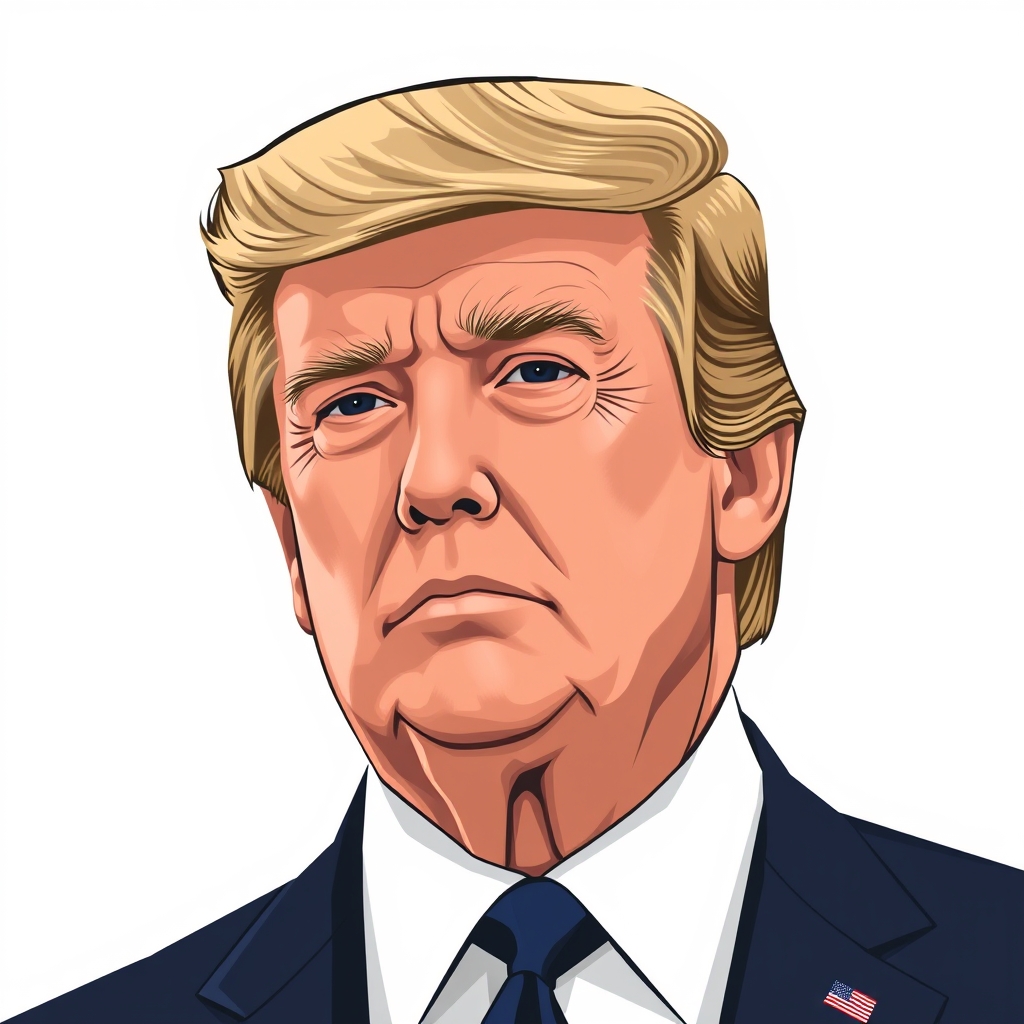
The article examines whether the MAGA movement can survive beyond Trump's second term, focusing on internal divisions over issues such as the Epstein files and the war on Iran.
It explores the cracks forming within MAGA and the debate over its future direction.
*AI-generated summary of publicly available data. This is not an official statement of any party.
*AI-generated summary of publicly available statements and reporting. This is not an official statement of this party.
Supporters of MAGA loyalists argue the movement is a cultural inheritance, not one man's vehicle; they point to past movements that outlived founders and insist the fracture is a passing test of loyalty.
Supporters of MAGA loyalists argue the movement is a cultural inheritance, not a man—citing past movements that outlived founders—so its identity and grievances endure beyond Trump's second term.
Supporters of MAGA loyalists counter that the movement draws on a deep cultural tradition of populist revolt, not one man; they note past movements outlived their founders once that identity took root.
Supporters of MAGA loyalists argue that loyalty to Trump is the movement's binding legal and political contract, so any faction breaking ranks over the Epstein files or the Iran war forfeits its claim to the MAGA name.
Supporters of MAGA loyalists argue that loyalty to Trump remains the movement's binding legal and political authority, so internal dissent over Epstein files or Iran is defection, not debate.
Supporters of MAGA loyalists counter that the Epstein files prove nothing legally against the movement, since no court has tied them to the coalition; they argue voters, not prosecutors, decide its survival.
Supporters of MAGA loyalists argue the movement outlasts Trump because its real currency is loyalty and grievance, not one man; they maintain that purging critics and enforcing discipline is how any coalition survives a succession fight.
Supporters of MAGA loyalists argue the movement's survival hinges on loyalty to Trump, not ideology; they see Epstein and Iran disputes as tests of whether critics will subordinate principle to the leader's power.
Supporters of MAGA loyalists counter that loyalty was never about shared principle—it was a bargain: protection and power in exchange for deference, and Trump still holds the leverage that keeps that bargain intact.
Supporters of MAGA loyalists argue that the movement's moral foundation rests on loyalty to Trump personally, so any effort to chart a post-Trump future betrays the base that built it.
Supporters of MAGA loyalists argue that loyalty to Trump's movement, not globalist institutions, is the only moral course, and that internal critics who invoke international norms are betraying the cause.
Supporters of MAGA loyalists counter that loyalty to one leader is itself a moral principle—gratitude and allegiance to the person who fought for them—not a flaw, and that critics mistake devotion for emptiness.
Supporters of MAGA loyalists argue the movement is a providential cause rooted in faith and family, not one man, and that its covenant with religious conservatives endures beyond Trump's second term.
Supporters of MAGA loyalists argue that the movement's covenant rests on restoring a divinely ordered nation, so its survival depends on fidelity to that founding mission rather than any single leader.
Supporters of MAGA loyalists counter that faith communities have always endured through imperfect leaders, and they argue that repentance, not political rupture, is the proper religious response to scandal.
*AI-generated summary of publicly available statements and reporting. This is not an official statement of this party.
Supporters of MAGA critics argue that a movement built on one leader's persona lacks the inherited institutions and shared traditions needed to outlast him, so its post-Trump future remains uncertain.
Supporters of MAGA critics argue the movement lacks a durable cultural foundation beyond Trump, pointing to internal fractures over the Epstein files and the Iran war as evidence that personality, not shared tradition, holds the coalition together.
Supporters of MAGA critics counter that movements outliving founders still carried a shared creed, while this one's identity stays fused to a single figure.
Supporters of MAGA critics argue that the movement's post-Trump survival hinges on legal accountability, citing the Epstein files as evidence that unresolved rule-of-law questions will fracture the coalition.
Supporters of MAGA critics argue that the movement's internal fractures—over the Epstein files and the Iran war—show it lacks a lawful, coherent governing doctrine able to outlast Trump.
Supporters of MAGA critics counter that no personal loyalty oath carries legal force, so defection over the Epstein files or Iran is dissent, not breach of contract; the MAGA name belongs to voters, not one leader.
Supporters of MAGA critics argue that Trump's second term exposes a movement built on one man's leverage, not shared principle—so Epstein files and the Iran war split loyalists once his incentives no longer align with theirs.
Supporters of MAGA critics argue that internal splits over the Epstein files and the Iran war reveal the movement's real fault lines: loyalty to Trump, not shared principle, holds it together, so it cannot outlast him.
Supporters of MAGA critics counter that loyalty flows from Trump's personal brand and largesse, not an institution; without him to reward and punish, discipline collapses and rivals defect, since grievance alone funds no coalition.
Supporters of MAGA critics argue that a movement bound to one leader's persona, not durable principles, cannot outlast him—and that its internal splits over Epstein and Iran show the coalition was always personality, not policy.
Supporters of MAGA critics argue that a movement trading its anti-interventionist and transparency principles for loyalty to one leader forfeits its moral credibility, making its survival past Trump unlikely.
Supporters of MAGA critics counter that loyalty to one man is not a moral foundation at all—a movement built on personal fealty, not principles, betrays the voters it claims to serve.
Supporters of MAGA critics argue the movement’s fractures over the Epstein files and the Iran war reveal a doctrinal drift from its professed moral foundations, contending that a coalition built on faith cannot outlast its namesake without repentance and renewal.
Supporters of MAGA critics argue the movement has fractured into a personality cult, abandoning the faith-based moral principles that once grounded it, and cannot survive Trump.
Critics of MAGA counter that scripture warns against binding faith to any political covenant or mortal leader, since such loyalty risks idolatry that no party or movement can rightly claim.
AI-generated summary of publicly available statements and reporting. This is not an official statement of this party.
Supporters of MAGA loyalists argue the movement is a cultural inheritance, not one man's vehicle; they point to past movements that outlived founders and insist the fracture is a passing test of loyalty.
Supporters of MAGA loyalists argue the movement is a cultural inheritance, not a man—citing past movements that outlived founders—so its identity and grievances endure beyond Trump's second term.
Supporters of MAGA loyalists counter that the movement draws on a deep cultural tradition of populist revolt, not one man; they note past movements outlived their founders once that identity took root.
Supporters of MAGA loyalists argue that loyalty to Trump is the movement's binding legal and political contract, so any faction breaking ranks over the Epstein files or the Iran war forfeits its claim to the MAGA name.
Supporters of MAGA loyalists argue that loyalty to Trump remains the movement's binding legal and political authority, so internal dissent over Epstein files or Iran is defection, not debate.
Supporters of MAGA loyalists counter that the Epstein files prove nothing legally against the movement, since no court has tied them to the coalition; they argue voters, not prosecutors, decide its survival.
Supporters of MAGA loyalists argue the movement outlasts Trump because its real currency is loyalty and grievance, not one man; they maintain that purging critics and enforcing discipline is how any coalition survives a succession fight.
Supporters of MAGA loyalists argue the movement's survival hinges on loyalty to Trump, not ideology; they see Epstein and Iran disputes as tests of whether critics will subordinate principle to the leader's power.
Supporters of MAGA loyalists counter that loyalty was never about shared principle—it was a bargain: protection and power in exchange for deference, and Trump still holds the leverage that keeps that bargain intact.
Supporters of MAGA loyalists argue that the movement's moral foundation rests on loyalty to Trump personally, so any effort to chart a post-Trump future betrays the base that built it.
Supporters of MAGA loyalists argue that loyalty to Trump's movement, not globalist institutions, is the only moral course, and that internal critics who invoke international norms are betraying the cause.
Supporters of MAGA loyalists counter that loyalty to one leader is itself a moral principle—gratitude and allegiance to the person who fought for them—not a flaw, and that critics mistake devotion for emptiness.
Supporters of MAGA loyalists argue the movement is a providential cause rooted in faith and family, not one man, and that its covenant with religious conservatives endures beyond Trump's second term.
Supporters of MAGA loyalists argue that the movement's covenant rests on restoring a divinely ordered nation, so its survival depends on fidelity to that founding mission rather than any single leader.
Supporters of MAGA loyalists counter that faith communities have always endured through imperfect leaders, and they argue that repentance, not political rupture, is the proper religious response to scandal.
Supporters of MAGA critics argue that a movement built on one leader's persona lacks the inherited institutions and shared traditions needed to outlast him, so its post-Trump future remains uncertain.
Supporters of MAGA critics argue the movement lacks a durable cultural foundation beyond Trump, pointing to internal fractures over the Epstein files and the Iran war as evidence that personality, not shared tradition, holds the coalition together.
Supporters of MAGA critics counter that movements outliving founders still carried a shared creed, while this one's identity stays fused to a single figure.
Supporters of MAGA critics argue that the movement's post-Trump survival hinges on legal accountability, citing the Epstein files as evidence that unresolved rule-of-law questions will fracture the coalition.
Supporters of MAGA critics argue that the movement's internal fractures—over the Epstein files and the Iran war—show it lacks a lawful, coherent governing doctrine able to outlast Trump.
Supporters of MAGA critics counter that no personal loyalty oath carries legal force, so defection over the Epstein files or Iran is dissent, not breach of contract; the MAGA name belongs to voters, not one leader.
Supporters of MAGA critics argue that Trump's second term exposes a movement built on one man's leverage, not shared principle—so Epstein files and the Iran war split loyalists once his incentives no longer align with theirs.
Supporters of MAGA critics argue that internal splits over the Epstein files and the Iran war reveal the movement's real fault lines: loyalty to Trump, not shared principle, holds it together, so it cannot outlast him.
Supporters of MAGA critics counter that loyalty flows from Trump's personal brand and largesse, not an institution; without him to reward and punish, discipline collapses and rivals defect, since grievance alone funds no coalition.
Supporters of MAGA critics argue that a movement bound to one leader's persona, not durable principles, cannot outlast him—and that its internal splits over Epstein and Iran show the coalition was always personality, not policy.
Supporters of MAGA critics argue that a movement trading its anti-interventionist and transparency principles for loyalty to one leader forfeits its moral credibility, making its survival past Trump unlikely.
Supporters of MAGA critics counter that loyalty to one man is not a moral foundation at all—a movement built on personal fealty, not principles, betrays the voters it claims to serve.
Supporters of MAGA critics argue the movement’s fractures over the Epstein files and the Iran war reveal a doctrinal drift from its professed moral foundations, contending that a coalition built on faith cannot outlast its namesake without repentance and renewal.
Supporters of MAGA critics argue the movement has fractured into a personality cult, abandoning the faith-based moral principles that once grounded it, and cannot survive Trump.
Critics of MAGA counter that scripture warns against binding faith to any political covenant or mortal leader, since such loyalty risks idolatry that no party or movement can rightly claim.
From the Epstein files to the war on Iran, Josh Rushing examines the cracks forming within MAGA in Trump's second term.