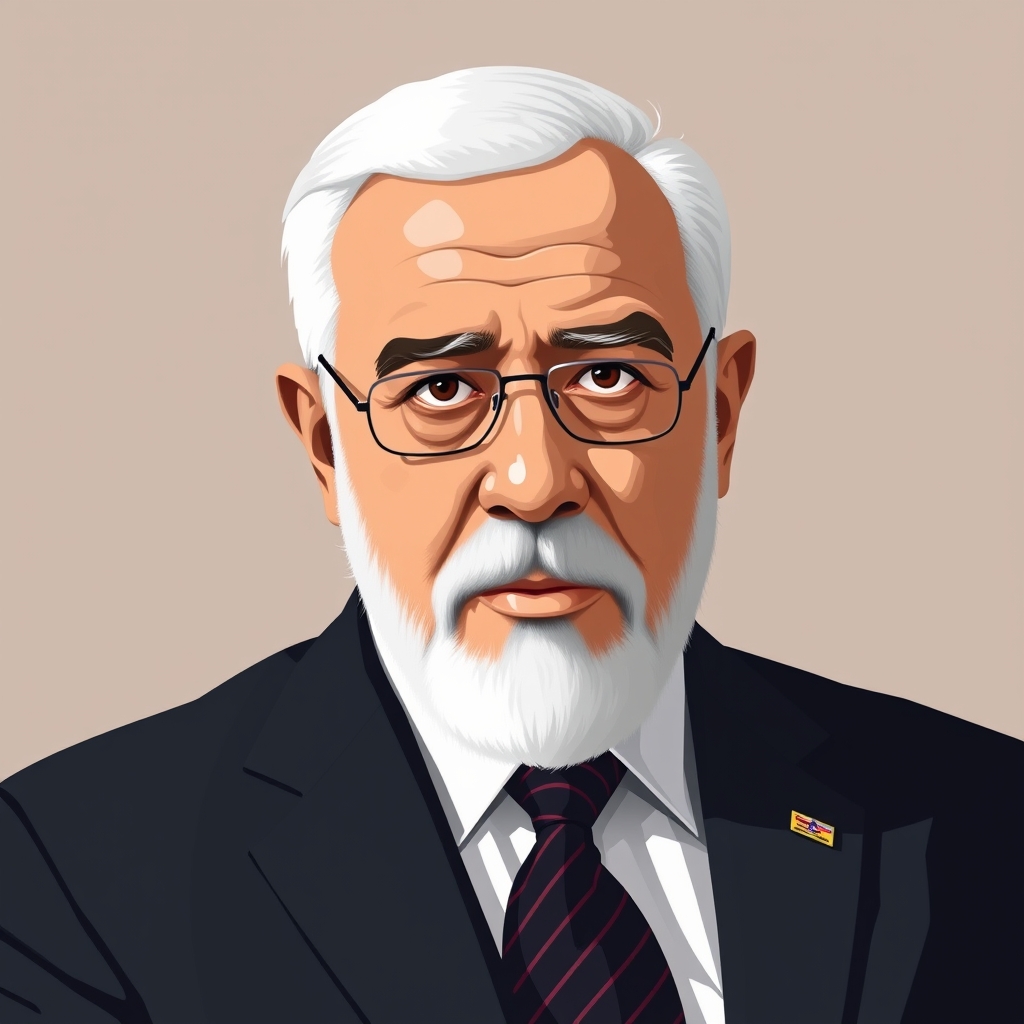
Mahmoud Abbas
VS
US and Israel
Mahmoud Abbas is the President of the Palestinian Authority (PA), the governing body of the Palestinian territories, and heads the secular Arab nationalist Fatah movement.
The United States and Israel are the two parties whose policies and actions shape the diplomatic and security environment in which Abbas operates.
The US is a key mediator in the Israeli-Palestinian peace process and a major ally of Israel, while Israel is the state whose conflict with the Palestinians is at the center of Abbas's political agenda.
The conflict between Abbas and the US and Israel centers on competing narratives and policy approaches to the Israeli-Palestinian issue.
Abbas has repeatedly criticized US and Israeli actions, including what he calls Israel's genocide in Gaza, and has sought international recognition for Palestinian self-determination and a two-state solution.
The US and Israel have accused Abbas and his predecessors of undermining peace efforts and inciting violence, and the US has taken steps such as denying Abbas an entry visa to address the UN General Assembly in person, forcing him to speak virtually for the second consecutive year.
The stakes include the future of Palestinian leadership, the viability of a two-state solution, and the role of international institutions like the UN in mediating the conflict.
Abbas's ability to govern and represent Palestinians is constrained by US and Israeli policies, while the US and Israel view his leadership as part of the problem rather than the solution.
*AI-generated summary of publicly available data. This is not an official statement of any party.
*AI-generated summary of publicly available statements and reporting. This is not an official statement of this party.
Supporters of Mahmoud Abbas argue that recognition of Palestinian self-determination is a matter of cultural identity and historical continuity, and they point to his UN appeal as evidence that statehood is a national right, not a concession.
Supporters of Mahmoud Abbas argue that Palestinian cultural identity and national heritage deserve recognition through self-determination, and they maintain that the two-state solution is the path to preserving that identity.
Supporters of Mahmoud Abbas counter that international appeals uphold Palestinian cultural identity and self-determination when direct talks have stalled, citing the UN as the legitimate arena for that claim.
Supporters of Mahmoud Abbas argue that international law, including UN resolutions, affirms Palestinian self-determination, so they maintain the two-state solution is a legal right, not a concession.
Supporters of Mahmoud Abbas argue that international law and UN resolutions recognize Palestinian self-determination, so his UN appeal rests on legal legitimacy, not politics.
Supporters of Mahmoud Abbas counter that Oslo is not a perpetual veto: the accords lack a statehood prohibition, and UN membership bids are a lawful avenue under the Charter when bilateral talks stall.
Supporters of Mahmoud Abbas argue that his UN appeal is leverage: by framing statehood as self-determination, he pressures the US and Israel while positioning the two-state solution as the only path that preserves Palestinian institutional relevance.
Supporters of Mahmoud Abbas argue that his UN appeal is pragmatic leverage: by casting the US as a biased broker, he pressures wavering states to back the two-state solution and isolates Israel diplomatically.
Supporters of Mahmoud Abbas counter that his UN appeals are the only leverage left to a leader Israel and the US have frozen out of negotiations, so the rhetoric is itself the instrument.
Supporters of Mahmoud Abbas argue that international law and UN resolutions affirm Palestinian self-determination, so nations have a moral duty to back the two-state solution rather than shield Israel from accountability.
Supporters of Mahmoud Abbas argue that international law and UN resolutions affirm Palestinian self-determination, so nations have a moral duty to back the two-state solution rather than shield Israel from accountability.
Supporters of Mahmoud Abbas counter that moral accountability cuts both ways: they argue an occupation denying Palestinians statehood for decades, per UN resolutions, cannot claim the moral high ground.
Supporters of Mahmoud Abbas argue that a Palestinian state fulfills a religious and historical birthright rooted in inherited tradition, and maintain that nations have a moral duty to uphold the two-state solution.
Supporters of Mahmoud Abbas invoke inherited religious and communal ties to the land, arguing that a two-state solution preserves sacred sites and the continuity of Palestinian communal life.
Supporters of Mahmoud Abbas counter that religious covenant cannot nullify the rights of those already living on the land, noting that the Abbas-backed 2002 Arab Peace Initiative offered full recognition of Israel within 1967 lines.
*AI-generated summary of publicly available statements and reporting. This is not an official statement of this party.
Supporters of the US and Israel argue that Abbas's UN appeals echo a long pattern of Palestinian leaders seeking statehood through international pressure rather than direct negotiation, and they maintain that durable self-determination requires talks, not unilateral gestures.
Supporters of the US and Israel argue that Abbas's UN appeal ignores a long history of rejected partition offers, and that Palestinian culture must first embrace coexistence over rejectionism before statehood can follow.
Supporters of US and Israel counter that Abbas's UN appeal bypasses direct negotiation, and they argue that unilateral recognition hardens cultural narratives rather than resolving them, since durable statehood has historically emerged from bilateral agreement, not symbolic votes.
Supporters of US and Israel argue that Abbas's UN appeal bypasses direct bilateral negotiations, the legally established framework under Oslo, and that unilateral statehood bids breach those signed accords.
Supporters of the US and Israel argue that Palestinian statehood must emerge through direct bilateral negotiations, not unilateral UN declarations, citing the Oslo Accords as the binding legal framework both parties agreed to.
Supporters of the US and Israel counter that UN resolutions like 242 frame the two-state outcome as a negotiated settlement, not an automatic legal entitlement, so borders and statehood remain subject to direct talks.
Supporters of US and Israel argue Abbas's UN appeal is theater: he controls no territory, avoids elections, and offers rhetoric where leverage is needed.
Supporters of the US and Israel argue that Abbas's UN appeal is theater: with Hamas holding Gaza and rejecting Israel's existence, they maintain no Palestinian partner can deliver a durable two-state deal.
Supporters of US and Israel counter that the UN appeal is a bid for relevance, not leverage: it hands Washington the veto, lets Israel stall, and rewards the PLO with symbolism while settlements and facts on the ground continue.
Supporters of US and Israel argue that Abbas's UN rhetoric sidesteps moral accountability, since past Palestinian leadership rejected statehood offers and embraced violence.
Supporters of US and Israel argue that Abbas's UN appeal ignores history: Israel withdrew from Gaza in 2005, yet Hamas seized it in 2007, showing that territory ceded without security guarantees becomes a launching pad, not a peace.
Supporters of the US and Israel counter that the moral duty runs to direct negotiations, not UN resolutions—past unilateral bids stalled peace, so accountability means pressuring both parties to the table, not rewarding one side's end-run.
Supporters of US and Israel argue that scripture affirms the Jewish people's ancestral claim to the land, so they maintain that Palestinian statehood proposals at the UN must not override what they view as a divinely rooted covenant.
Supporters of US and Israel argue that scripture affirms Israel's ancestral claim to the land, and they maintain that Abbas's push at the UN ignores this biblical covenant.
Supporters of US and Israel counter that scripture ties the land covenant to Israel, citing Genesis, and argue that no inherited tradition grants Palestinians a religious birthright to a state.
AI-generated summary of publicly available statements and reporting. This is not an official statement of this party.
Supporters of Mahmoud Abbas argue that recognition of Palestinian self-determination is a matter of cultural identity and historical continuity, and they point to his UN appeal as evidence that statehood is a national right, not a concession.
Supporters of Mahmoud Abbas argue that Palestinian cultural identity and national heritage deserve recognition through self-determination, and they maintain that the two-state solution is the path to preserving that identity.
Supporters of Mahmoud Abbas counter that international appeals uphold Palestinian cultural identity and self-determination when direct talks have stalled, citing the UN as the legitimate arena for that claim.
Supporters of Mahmoud Abbas argue that international law, including UN resolutions, affirms Palestinian self-determination, so they maintain the two-state solution is a legal right, not a concession.
Supporters of Mahmoud Abbas argue that international law and UN resolutions recognize Palestinian self-determination, so his UN appeal rests on legal legitimacy, not politics.
Supporters of Mahmoud Abbas counter that Oslo is not a perpetual veto: the accords lack a statehood prohibition, and UN membership bids are a lawful avenue under the Charter when bilateral talks stall.
Supporters of Mahmoud Abbas argue that his UN appeal is leverage: by framing statehood as self-determination, he pressures the US and Israel while positioning the two-state solution as the only path that preserves Palestinian institutional relevance.
Supporters of Mahmoud Abbas argue that his UN appeal is pragmatic leverage: by casting the US as a biased broker, he pressures wavering states to back the two-state solution and isolates Israel diplomatically.
Supporters of Mahmoud Abbas counter that his UN appeals are the only leverage left to a leader Israel and the US have frozen out of negotiations, so the rhetoric is itself the instrument.
Supporters of Mahmoud Abbas argue that international law and UN resolutions affirm Palestinian self-determination, so nations have a moral duty to back the two-state solution rather than shield Israel from accountability.
Supporters of Mahmoud Abbas argue that international law and UN resolutions affirm Palestinian self-determination, so nations have a moral duty to back the two-state solution rather than shield Israel from accountability.
Supporters of Mahmoud Abbas counter that moral accountability cuts both ways: they argue an occupation denying Palestinians statehood for decades, per UN resolutions, cannot claim the moral high ground.
Supporters of Mahmoud Abbas argue that a Palestinian state fulfills a religious and historical birthright rooted in inherited tradition, and maintain that nations have a moral duty to uphold the two-state solution.
Supporters of Mahmoud Abbas invoke inherited religious and communal ties to the land, arguing that a two-state solution preserves sacred sites and the continuity of Palestinian communal life.
Supporters of Mahmoud Abbas counter that religious covenant cannot nullify the rights of those already living on the land, noting that the Abbas-backed 2002 Arab Peace Initiative offered full recognition of Israel within 1967 lines.
Supporters of the US and Israel argue that Abbas's UN appeals echo a long pattern of Palestinian leaders seeking statehood through international pressure rather than direct negotiation, and they maintain that durable self-determination requires talks, not unilateral gestures.
Supporters of the US and Israel argue that Abbas's UN appeal ignores a long history of rejected partition offers, and that Palestinian culture must first embrace coexistence over rejectionism before statehood can follow.
Supporters of US and Israel counter that Abbas's UN appeal bypasses direct negotiation, and they argue that unilateral recognition hardens cultural narratives rather than resolving them, since durable statehood has historically emerged from bilateral agreement, not symbolic votes.
Supporters of US and Israel argue that Abbas's UN appeal bypasses direct bilateral negotiations, the legally established framework under Oslo, and that unilateral statehood bids breach those signed accords.
Supporters of the US and Israel argue that Palestinian statehood must emerge through direct bilateral negotiations, not unilateral UN declarations, citing the Oslo Accords as the binding legal framework both parties agreed to.
Supporters of the US and Israel counter that UN resolutions like 242 frame the two-state outcome as a negotiated settlement, not an automatic legal entitlement, so borders and statehood remain subject to direct talks.
Supporters of US and Israel argue Abbas's UN appeal is theater: he controls no territory, avoids elections, and offers rhetoric where leverage is needed.
Supporters of the US and Israel argue that Abbas's UN appeal is theater: with Hamas holding Gaza and rejecting Israel's existence, they maintain no Palestinian partner can deliver a durable two-state deal.
Supporters of US and Israel counter that the UN appeal is a bid for relevance, not leverage: it hands Washington the veto, lets Israel stall, and rewards the PLO with symbolism while settlements and facts on the ground continue.
Supporters of US and Israel argue that Abbas's UN rhetoric sidesteps moral accountability, since past Palestinian leadership rejected statehood offers and embraced violence.
Supporters of US and Israel argue that Abbas's UN appeal ignores history: Israel withdrew from Gaza in 2005, yet Hamas seized it in 2007, showing that territory ceded without security guarantees becomes a launching pad, not a peace.
Supporters of the US and Israel counter that the moral duty runs to direct negotiations, not UN resolutions—past unilateral bids stalled peace, so accountability means pressuring both parties to the table, not rewarding one side's end-run.
Supporters of US and Israel argue that scripture affirms the Jewish people's ancestral claim to the land, so they maintain that Palestinian statehood proposals at the UN must not override what they view as a divinely rooted covenant.
Supporters of US and Israel argue that scripture affirms Israel's ancestral claim to the land, and they maintain that Abbas's push at the UN ignores this biblical covenant.
Supporters of US and Israel counter that scripture ties the land covenant to Israel, citing Genesis, and argue that no inherited tradition grants Palestinians a religious birthright to a state.
Palestinian President Mahmoud Abbas urged nations to support the two-state solution and called for Palestinian self-determination, criticizing the US and Israel.
The United States denied Palestinian President Mahmoud Abbas an entry visa to attend the UN General Assembly in New York, forcing him to address the assembly virtually for the second year in a row.
A Congressional Research Service report stated that PA President Mahmoud Abbas heads the secular Arab nationalist Fatah and that he has continued to incite Palestinians to violence against Israelis, reflecting ongoing US criticism.
In a virtual address to the UN General Assembly, Abbas condemned what he called Israel's genocide in Gaza and reiterated that Palestinians will not abandon their rights.
Palestinian leader Mahmoud Abbas told the Turkish parliament that 'America is the plague, and the plague is America,' signaling a sharp deterioration in his rhetoric toward the United States.