Mahmoud Khalil
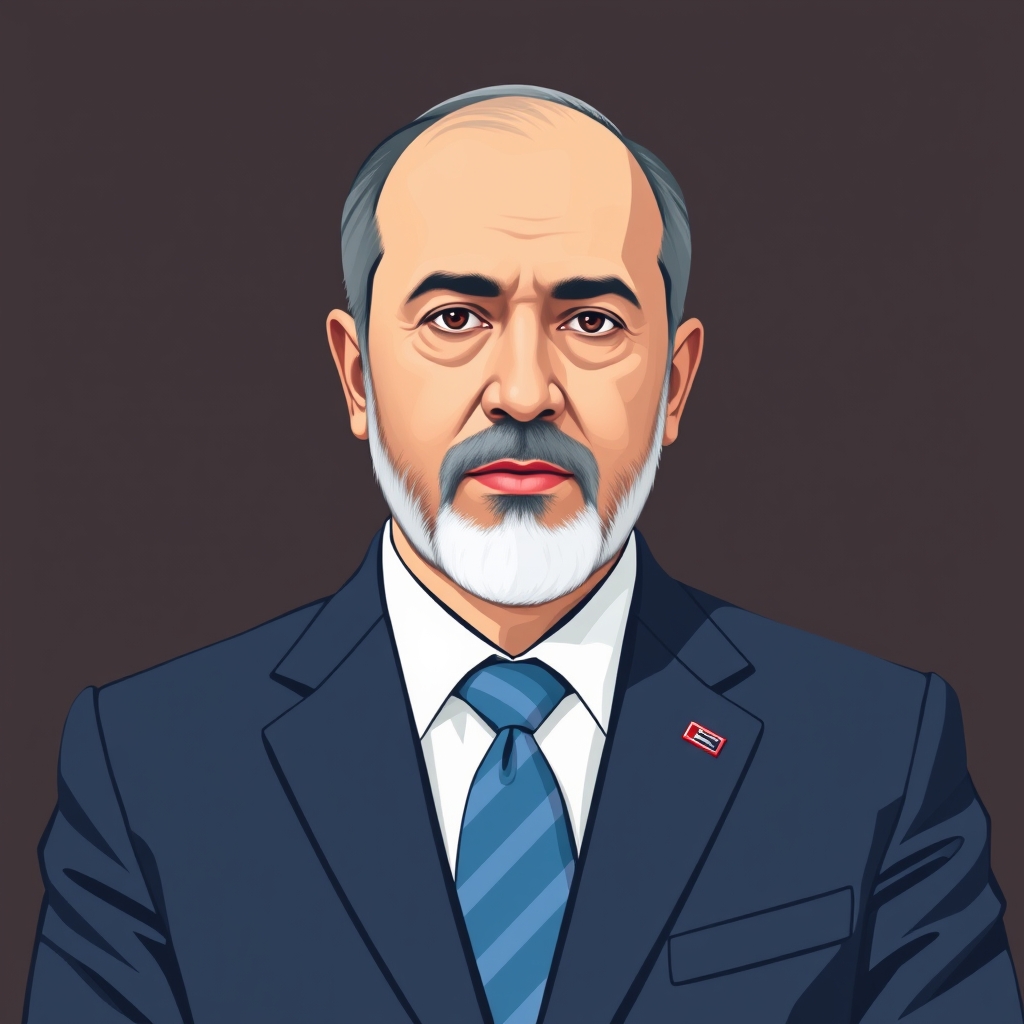
VS
Columbia University


Mahmoud Khalil is a Palestinian, Muslim, U.S. lawful permanent resident and former Columbia University graduate student who was active in pro-Palestinian advocacy on campus.
Columbia University is a private Ivy League institution in New York City that Khalil attended as a graduate student.
Khalil filed a federal discrimination lawsuit against Columbia University and a dean, alleging that the university showed "deliberate indifference" and failed to respond to "persistent and coordinated harassment" directed at him and other pro-Palestinian activists.
The lawsuit accuses the university of failing to protect pro-Palestinian students from harassment and doxxing, and it seeks to end the university's alleged hostile environment for pro-Palestinian affiliates.
The case centers on whether Columbia met its obligations to protect pro-Palestinian students from harassment and doxxing, and it seeks changes to the university's practices.
The lawsuit was filed in federal court and was reported on September 14, 2026.
*AI-generated summary of publicly available data. This is not an official statement of any party.
*AI-generated summary of publicly available statements and reporting. This is not an official statement of this party.
Supporters of Mahmoud Khalil argue his lawsuit reflects a cultural double standard, contending Columbia tolerated dissent from other groups but penalized Palestinian activism, echoing historic patterns of silencing marginalized voices.
Supporters of Mahmoud Khalil frame his lawsuit as a cultural test of whether universities protect dissident speech equally, arguing precedent shows institutions historically police marginalized voices.
Supporters of Mahmoud Khalil counter that campuses have always been reshaped by student protest, from civil rights to Vietnam, and that invoking "inherited norms" to silence dissent ignores whose voices those norms historically excluded.
Supporters of Mahmoud Khalil argue his discrimination suit alleges Columbia and a dean treated him unequally because of his Palestinian activism, citing the September 14, 2026 filing as the legal basis for that claim.
Supporters of Mahmoud Khalil argue his discrimination lawsuit rests on a legal claim: that Columbia and a dean treated him differently due to his activism, a protected basis under anti-discrimination law.
Supporters of Mahmoud Khalil counter that Title VI claims turn on whether protected status (national origin, shared ancestry) was a motivating factor, not on deference to academic discretion, citing the case's allegations of disparate treatment.
Supporters of Mahmoud Khalil argue the lawsuit is leverage: Columbia answers to donors and trustees, so forcing discovery exposes whose interests actually steered his treatment.
Supporters of Mahmoud Khalil argue the lawsuit is leverage: Columbia answers to donors, trustees, and Congress, so forcing discovery exposes whose pressure really drove his treatment.
Supporters of Mahmoud Khalil counter that Columbia selectively enforces rules to protect donors, making institutional authority a shield for power, not principle.
Supporters of Mahmoud Khalil argue Columbia abandoned its stated values by allegedly treating his activism differently, and that a university's moral duty is to protect all students' speech equally.
Supporters of Mahmoud Khalil argue that universities have a moral duty to protect student activism rather than punish it, so Columbia's treatment of his advocacy reflects a failure of institutional conscience.
Supporters of Mahmoud Khalil counter that evenhanded rules lose moral authority when selectively enforced against pro-Palestinian speech, making the university's claim to neutral governance ring hollow.
Supporters of Mahmoud Khalil argue his discrimination lawsuit reflects a religious and moral duty to pursue justice, citing scripture's call to defend the oppressed and uphold equal treatment under the law.
Supporters of Mahmoud Khalil argue his lawsuit reflects a moral and scriptural call for justice, insisting that religious conscience and peaceful activism should never be punished by an institution.
Supporters of Mahmoud Khalil counter that faith traditions bind institutions to a higher law of justice and mercy, so governance claims cannot shield disciplinary actions from moral scrutiny.
*AI-generated summary of publicly available statements and reporting. This is not an official statement of this party.
Supporters of Columbia University argue that institutional order and precedent must be upheld, and that a university's duty to preserve campus stability and inherited academic norms outweighs claims pressed by individual activists.
Supporters of Columbia University argue that universities must preserve institutional order and academic tradition, and that a lawsuit challenging a dean's authority risks undermining the cultural continuity that holds a campus community together.
Supporters of Columbia University counter that a university's cultural continuity depends on equal rules for all, and that enforcing conduct codes against any group preserves the shared institutional trust that selective tolerance would erode.
Supporters of Columbia University argue the discrimination claim lacks legal merit, maintaining the case involves discretionary academic decisions rather than unlawful bias tied to protected status.
Supporters of Columbia University argue the lawsuit lacks legal merit, maintaining the university acted within its lawful authority and that no evidence shows discriminatory intent under applicable civil rights statutes.
Supporters of Columbia University counter that the suit's own filing describes enforcement actions tied to policy violations, not protected speech, so the September 14, 2026 claim fails to establish unequal treatment under the law.
Supporters of Columbia University argue the lawsuit is leverage, not justice: Khalil’s activism drew scrutiny, and the university is defending institutional authority and donor interests, not discriminating.
Columbia's backers argue the university must protect institutional autonomy and donor ties, and that Khalil's suit is leverage, not law—an attempt to make activism costlier than compliance.
Supporters of Columbia University counter that discovery is itself the leverage: exposing donor and trustee deliberations chills private counsel, so the institution settles to protect its patrons, not Khalil.
Supporters of Columbia University argue that the university must apply its conduct rules evenhandedly to all activists, and that courts should not override an institution's moral authority to govern its own campus.
Supporters of Columbia University argue the institution must apply conduct rules equally to all students, and that adjudicating activism through courts rather than campus processes risks undermining fair, consistent enforcement.
Supporters of Columbia University counter that a university's moral duty includes protecting all students from harassment, and that free speech does not shield conduct that intimidates or targets others.
Supporters of Columbia University argue that religious institutions must uphold their own governance and standards, and that a university’s internal disciplinary decisions deserve deference rather than court intervention.
Supporters of Columbia University argue that religious institutions must uphold their own moral and doctrinal standards, and that a university's faith-based heritage justifies its disciplinary decisions.
Supporters of Columbia University counter that religious duty cannot override an institution's own governing covenant, arguing that scripture also commands obedience to lawful authority and that courts, not campus tribunals, settle such claims.
AI-generated summary of publicly available statements and reporting. This is not an official statement of this party.
Supporters of Mahmoud Khalil argue his lawsuit reflects a cultural double standard, contending Columbia tolerated dissent from other groups but penalized Palestinian activism, echoing historic patterns of silencing marginalized voices.
Supporters of Mahmoud Khalil frame his lawsuit as a cultural test of whether universities protect dissident speech equally, arguing precedent shows institutions historically police marginalized voices.
Supporters of Mahmoud Khalil counter that campuses have always been reshaped by student protest, from civil rights to Vietnam, and that invoking "inherited norms" to silence dissent ignores whose voices those norms historically excluded.
Supporters of Mahmoud Khalil argue his discrimination suit alleges Columbia and a dean treated him unequally because of his Palestinian activism, citing the September 14, 2026 filing as the legal basis for that claim.
Supporters of Mahmoud Khalil argue his discrimination lawsuit rests on a legal claim: that Columbia and a dean treated him differently due to his activism, a protected basis under anti-discrimination law.
Supporters of Mahmoud Khalil counter that Title VI claims turn on whether protected status (national origin, shared ancestry) was a motivating factor, not on deference to academic discretion, citing the case's allegations of disparate treatment.
Supporters of Mahmoud Khalil argue the lawsuit is leverage: Columbia answers to donors and trustees, so forcing discovery exposes whose interests actually steered his treatment.
Supporters of Mahmoud Khalil argue the lawsuit is leverage: Columbia answers to donors, trustees, and Congress, so forcing discovery exposes whose pressure really drove his treatment.
Supporters of Mahmoud Khalil counter that Columbia selectively enforces rules to protect donors, making institutional authority a shield for power, not principle.
Supporters of Mahmoud Khalil argue Columbia abandoned its stated values by allegedly treating his activism differently, and that a university's moral duty is to protect all students' speech equally.
Supporters of Mahmoud Khalil argue that universities have a moral duty to protect student activism rather than punish it, so Columbia's treatment of his advocacy reflects a failure of institutional conscience.
Supporters of Mahmoud Khalil counter that evenhanded rules lose moral authority when selectively enforced against pro-Palestinian speech, making the university's claim to neutral governance ring hollow.
Supporters of Mahmoud Khalil argue his discrimination lawsuit reflects a religious and moral duty to pursue justice, citing scripture's call to defend the oppressed and uphold equal treatment under the law.
Supporters of Mahmoud Khalil argue his lawsuit reflects a moral and scriptural call for justice, insisting that religious conscience and peaceful activism should never be punished by an institution.
Supporters of Mahmoud Khalil counter that faith traditions bind institutions to a higher law of justice and mercy, so governance claims cannot shield disciplinary actions from moral scrutiny.
Supporters of Columbia University argue that institutional order and precedent must be upheld, and that a university's duty to preserve campus stability and inherited academic norms outweighs claims pressed by individual activists.
Supporters of Columbia University argue that universities must preserve institutional order and academic tradition, and that a lawsuit challenging a dean's authority risks undermining the cultural continuity that holds a campus community together.
Supporters of Columbia University counter that a university's cultural continuity depends on equal rules for all, and that enforcing conduct codes against any group preserves the shared institutional trust that selective tolerance would erode.
Supporters of Columbia University argue the discrimination claim lacks legal merit, maintaining the case involves discretionary academic decisions rather than unlawful bias tied to protected status.
Supporters of Columbia University argue the lawsuit lacks legal merit, maintaining the university acted within its lawful authority and that no evidence shows discriminatory intent under applicable civil rights statutes.
Supporters of Columbia University counter that the suit's own filing describes enforcement actions tied to policy violations, not protected speech, so the September 14, 2026 claim fails to establish unequal treatment under the law.
Supporters of Columbia University argue the lawsuit is leverage, not justice: Khalil’s activism drew scrutiny, and the university is defending institutional authority and donor interests, not discriminating.
Columbia's backers argue the university must protect institutional autonomy and donor ties, and that Khalil's suit is leverage, not law—an attempt to make activism costlier than compliance.
Supporters of Columbia University counter that discovery is itself the leverage: exposing donor and trustee deliberations chills private counsel, so the institution settles to protect its patrons, not Khalil.
Supporters of Columbia University argue that the university must apply its conduct rules evenhandedly to all activists, and that courts should not override an institution's moral authority to govern its own campus.
Supporters of Columbia University argue the institution must apply conduct rules equally to all students, and that adjudicating activism through courts rather than campus processes risks undermining fair, consistent enforcement.
Supporters of Columbia University counter that a university's moral duty includes protecting all students from harassment, and that free speech does not shield conduct that intimidates or targets others.
Supporters of Columbia University argue that religious institutions must uphold their own governance and standards, and that a university’s internal disciplinary decisions deserve deference rather than court intervention.
Supporters of Columbia University argue that religious institutions must uphold their own moral and doctrinal standards, and that a university's faith-based heritage justifies its disciplinary decisions.
Supporters of Columbia University counter that religious duty cannot override an institution's own governing covenant, arguing that scripture also commands obedience to lawful authority and that courts, not campus tribunals, settle such claims.
Pro-Palestinian activist Mahmoud Khalil returned to Columbia University for the first time since his US detention.
An appeals court decision would allow for Khalil's removal from the US.
Khalil's lawyers seek to overturn the appeals court decision at the US Supreme Court.
Mahmoud Khalil sues Columbia University and its dean for alleged institutional racism targeting pro-Palestine students.
Activist and former Columbia University student Mahmoud Khalil is filing a lawsuit against the university and a dean.
Mahmoud Khalil filed a federal discrimination lawsuit against Columbia University and a dean, alleging the university showed 'deliberate indifference' and failed to respond to 'persistent and coordinated harassment' against him and other pro-Palestinian activists.
The lawsuit alleges that Columbia failed to protect pro-Palestinian students from harassment and doxxing and seeks to end the university's alleged hostile environment for pro-Palestinian affiliates.
A complaint was filed in the United States District Court in which Mahmoud Khalil, described as a Palestinian, Muslim, U.S. lawful permanent resident, and former Columbia University graduate student, was the plaintiff.