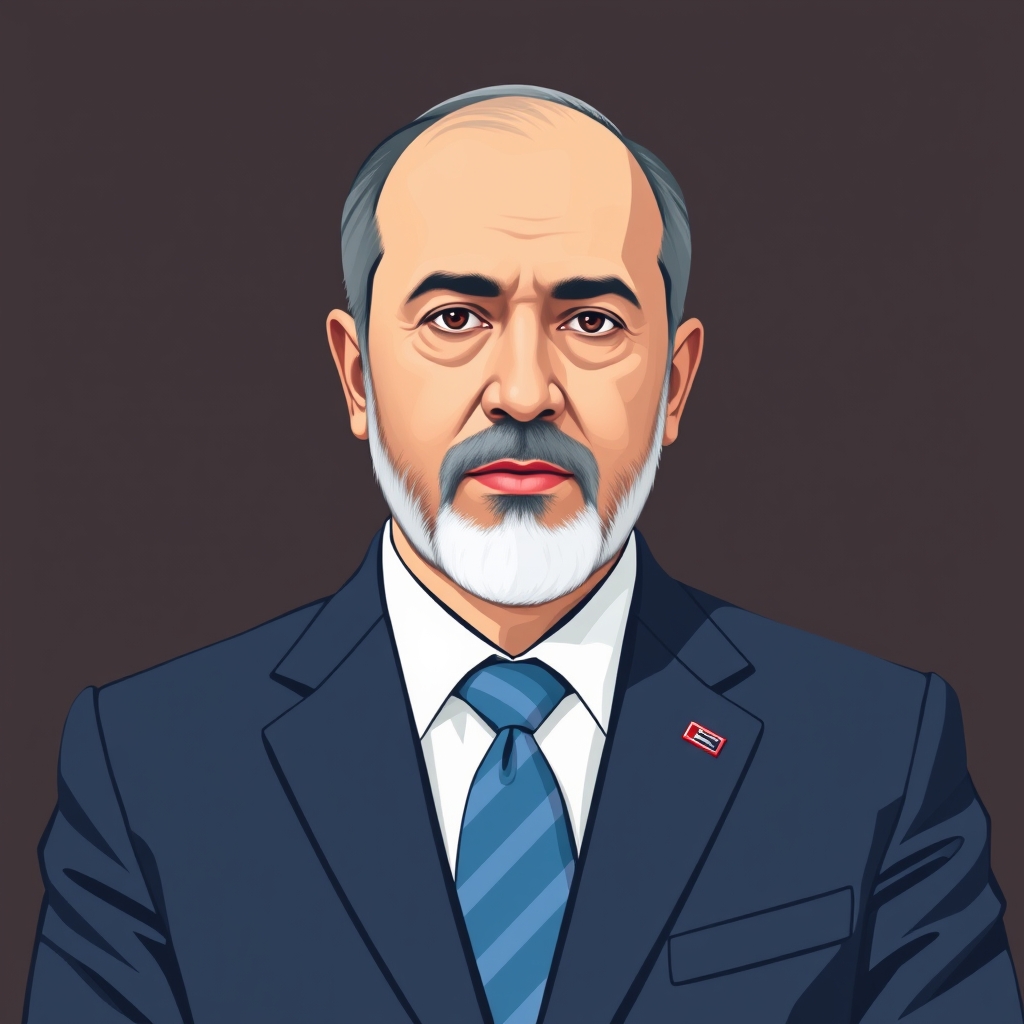
Mahmoud Khalil
VS
US immigration agents

Mahmoud Khalil returned to Columbia University to discuss his memoir about his arrest and detention by US immigration agents.
He credits Palestinian activism with reshaping US politics, highlighting tensions over immigration enforcement and political speech.
*AI-generated summary of publicly available data. This is not an official statement of any party.
*AI-generated summary of publicly available statements and reporting. This is not an official statement of this party.
Supporters of Mahmoud Khalil argue his return to Columbia reflects a cultural shift: they maintain that Palestinian activism has reshaped US political discourse, and view his memoir as evidence that immigrant voices can challenge enforcement power.
Supporters of Mahmoud Khalil argue his return to Columbia shows that campus activism, once cast as a threat, has become part of America's political tradition, echoing earlier student movements that reshaped US politics.
Supporters of Mahmoud Khalil counter that campus free speech and protest are themselves long-standing American civic traditions, and challenging enforcement is how those traditions stay alive.
Supporters of Mahmoud Khalil argue that immigration enforcement was used to punish protected political speech, and they maintain that lawful residency status should not hinge on a noncitizen's activism or criticism of US policy.
Supporters of Mahmoud Khalil argue that detaining a lawful permanent resident over his protected political speech violates due process and First Amendment guarantees, framing the arrest as unlawful retaliation rather than legitimate immigration enforcement.
Supporters of Mahmoud Khalil counter that the government's immigration authority is not boundless, arguing that removal based on protected political speech raises serious First Amendment concerns that courts must review rather than defer to enforcement discretion.
Supporters of Mahmoud Khalil argue his Columbia memoir launch is itself the play: converting detention into visibility, they maintain that publicity and institutional access, not legal argument alone, are the leverage that shifts US politics.
Supporters of Mahmoud Khalil argue that his Columbia return is a calculated power move, converting detention into political capital and casting immigration enforcement as a lever used to punish speech.
Supporters of Mahmoud Khalil counter that the deterrence claim misreads incentives: making visa status a lever against speech hands the government a weapon any future administration can turn on its own allies, so the precedent costs more than it deters.
Supporters of Mahmoud Khalil argue that detaining a lawful resident for political speech violates moral limits on immigration enforcement, which should never be used to punish protected activism.
Supporters of Mahmoud Khalil argue that detaining a student for his political speech is a moral wrong, holding that immigration enforcement should not be used to punish protected activism.
Supporters of Mahmoud Khalil counter that treating lawful speech as grounds for detention makes enforcement a political act, arguing that a moral duty to enforce law cannot justify punishing protected expression.
Supporters of Mahmoud Khalil frame his detention as a conscience-and-faith matter, arguing that immigration enforcement should not penalize religiously grounded advocacy for Palestinian rights.
Supporters of Mahmoud Khalil argue that his detention raises a moral question about conscience, contending that immigration enforcement should not penalize political speech rooted in religious and ethical convictions.
Supporters of Mahmoud Khalil counter that the biblical mandate to obey authorities is paired with the call to welcome the stranger, and they argue that invoking scripture to justify removing a lawful resident for his political speech strains that tradition.
*AI-generated summary of publicly available statements and reporting. This is not an official statement of this party.
Supporters of US immigration agents argue that enforcing immigration law upholds the nation's inherited sovereign order, and they contend that campuses hosting figures who challenge enforcement risk eroding the shared civic traditions that bind the country.
Supporters of US immigration agents argue that immigration enforcement protects the cultural continuity and social order of established communities, maintaining that sovereign borders and shared civic norms are inherited institutions worth preserving.
Supporters of US immigration agents counter that cultural continuity rests on shared civic norms, not activism, arguing that a memoir’s influence doesn’t override the enforcement power a nation’s inherited laws grant it.
Supporters of US immigration agents argue that enforcement actions against Khalil rest on valid legal authority over immigration status, and that enforcing the law is not itself a restriction on political speech.
Supporters of US immigration agents argue that enforcement actions against Khalil were lawful exercises of statutory immigration authority, not political retaliation, and that visa holders remain subject to removal under the law.
Supporters of US immigration agents counter that immigration law grants the executive broad statutory authority to remove noncitizens whose presence is deemed contrary to national interest, and that this authority operates independently of protected speech.
Supporters of US immigration agents argue that enforcement against Khalil is a calculated message: visa status is leverage, and treating activism as grounds for removal deters others, whatever the speech costs.
Supporters of US immigration agents argue that enforcement against Khalil is a calculated signal: visa privileges are leverage, and demonstrating that political activism carries immigration consequences deters others, preserving the state's power to control who stays.
Supporters of US immigration agents counter that visibility cuts both ways: they argue enforcement thrives on public spectacle, and each headline Khalil generates hands agents the political cover to justify detention and removal as deterrence.
Supporters of US immigration agents argue that enforcing immigration law is a moral duty, not a political act, and maintain that no one's speech places them above the legal process.
Supporters of US immigration agents argue that enforcement is a moral duty: immigration law applies equally to everyone, and no one's political speech places them above the legal process.
Supporters of US immigration agents counter that a lawful resident's status is a privilege conditioned on conduct, so enforcement against those deemed a security risk reflects a moral duty to protect the community rather than punishment for speech.
Supporters of US immigration agents invoke the biblical mandate that governing authorities are ordained to restrain wrongdoing, arguing that enforcing immigration law is a moral duty rather than persecution of speech.
Supporters of US immigration agents argue that enforcing immigration law is a moral duty under Romans 13, which holds governing authorities as God's servants for order, and that upholding lawful process is itself a religious obligation.
Supporters of US immigration agents counter that religious conscience does not exempt anyone from the law, citing Romans 13's call to submit to governing authorities—so enforcement is framed as upholding justice, not penalizing faith.
AI-generated summary of publicly available statements and reporting. This is not an official statement of this party.
Supporters of Mahmoud Khalil argue his return to Columbia reflects a cultural shift: they maintain that Palestinian activism has reshaped US political discourse, and view his memoir as evidence that immigrant voices can challenge enforcement power.
Supporters of Mahmoud Khalil argue his return to Columbia shows that campus activism, once cast as a threat, has become part of America's political tradition, echoing earlier student movements that reshaped US politics.
Supporters of Mahmoud Khalil counter that campus free speech and protest are themselves long-standing American civic traditions, and challenging enforcement is how those traditions stay alive.
Supporters of Mahmoud Khalil argue that immigration enforcement was used to punish protected political speech, and they maintain that lawful residency status should not hinge on a noncitizen's activism or criticism of US policy.
Supporters of Mahmoud Khalil argue that detaining a lawful permanent resident over his protected political speech violates due process and First Amendment guarantees, framing the arrest as unlawful retaliation rather than legitimate immigration enforcement.
Supporters of Mahmoud Khalil counter that the government's immigration authority is not boundless, arguing that removal based on protected political speech raises serious First Amendment concerns that courts must review rather than defer to enforcement discretion.
Supporters of Mahmoud Khalil argue his Columbia memoir launch is itself the play: converting detention into visibility, they maintain that publicity and institutional access, not legal argument alone, are the leverage that shifts US politics.
Supporters of Mahmoud Khalil argue that his Columbia return is a calculated power move, converting detention into political capital and casting immigration enforcement as a lever used to punish speech.
Supporters of Mahmoud Khalil counter that the deterrence claim misreads incentives: making visa status a lever against speech hands the government a weapon any future administration can turn on its own allies, so the precedent costs more than it deters.
Supporters of Mahmoud Khalil argue that detaining a lawful resident for political speech violates moral limits on immigration enforcement, which should never be used to punish protected activism.
Supporters of Mahmoud Khalil argue that detaining a student for his political speech is a moral wrong, holding that immigration enforcement should not be used to punish protected activism.
Supporters of Mahmoud Khalil counter that treating lawful speech as grounds for detention makes enforcement a political act, arguing that a moral duty to enforce law cannot justify punishing protected expression.
Supporters of Mahmoud Khalil frame his detention as a conscience-and-faith matter, arguing that immigration enforcement should not penalize religiously grounded advocacy for Palestinian rights.
Supporters of Mahmoud Khalil argue that his detention raises a moral question about conscience, contending that immigration enforcement should not penalize political speech rooted in religious and ethical convictions.
Supporters of Mahmoud Khalil counter that the biblical mandate to obey authorities is paired with the call to welcome the stranger, and they argue that invoking scripture to justify removing a lawful resident for his political speech strains that tradition.
Supporters of US immigration agents argue that enforcing immigration law upholds the nation's inherited sovereign order, and they contend that campuses hosting figures who challenge enforcement risk eroding the shared civic traditions that bind the country.
Supporters of US immigration agents argue that immigration enforcement protects the cultural continuity and social order of established communities, maintaining that sovereign borders and shared civic norms are inherited institutions worth preserving.
Supporters of US immigration agents counter that cultural continuity rests on shared civic norms, not activism, arguing that a memoir’s influence doesn’t override the enforcement power a nation’s inherited laws grant it.
Supporters of US immigration agents argue that enforcement actions against Khalil rest on valid legal authority over immigration status, and that enforcing the law is not itself a restriction on political speech.
Supporters of US immigration agents argue that enforcement actions against Khalil were lawful exercises of statutory immigration authority, not political retaliation, and that visa holders remain subject to removal under the law.
Supporters of US immigration agents counter that immigration law grants the executive broad statutory authority to remove noncitizens whose presence is deemed contrary to national interest, and that this authority operates independently of protected speech.
Supporters of US immigration agents argue that enforcement against Khalil is a calculated message: visa status is leverage, and treating activism as grounds for removal deters others, whatever the speech costs.
Supporters of US immigration agents argue that enforcement against Khalil is a calculated signal: visa privileges are leverage, and demonstrating that political activism carries immigration consequences deters others, preserving the state's power to control who stays.
Supporters of US immigration agents counter that visibility cuts both ways: they argue enforcement thrives on public spectacle, and each headline Khalil generates hands agents the political cover to justify detention and removal as deterrence.
Supporters of US immigration agents argue that enforcing immigration law is a moral duty, not a political act, and maintain that no one's speech places them above the legal process.
Supporters of US immigration agents argue that enforcement is a moral duty: immigration law applies equally to everyone, and no one's political speech places them above the legal process.
Supporters of US immigration agents counter that a lawful resident's status is a privilege conditioned on conduct, so enforcement against those deemed a security risk reflects a moral duty to protect the community rather than punishment for speech.
Supporters of US immigration agents invoke the biblical mandate that governing authorities are ordained to restrain wrongdoing, arguing that enforcing immigration law is a moral duty rather than persecution of speech.
Supporters of US immigration agents argue that enforcing immigration law is a moral duty under Romans 13, which holds governing authorities as God's servants for order, and that upholding lawful process is itself a religious obligation.
Supporters of US immigration agents counter that religious conscience does not exempt anyone from the law, citing Romans 13's call to submit to governing authorities—so enforcement is framed as upholding justice, not penalizing faith.