Malawi opposition
VS
President Peter Mutharika
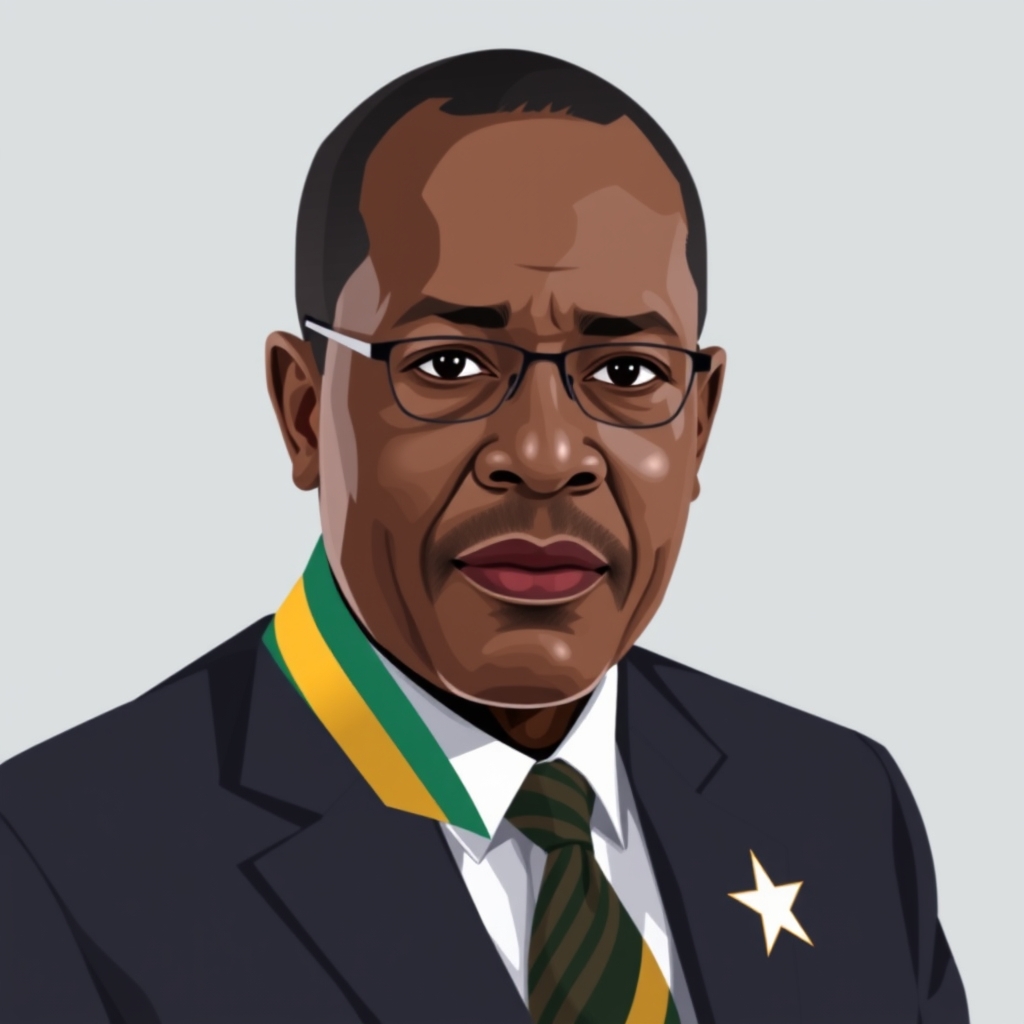
Malawi's opposition is demanding answers over President Peter Mutharika's extended stay abroad, reportedly his fifth visit to South Africa this year.
The dispute centers on the president's absence from the country and the opposition's calls for accountability.
*AI-generated summary of publicly available data. This is not an official statement of any party.
*AI-generated summary of publicly available statements and reporting. This is not an official statement of this party.
Supporters of the Malawi opposition argue that a president's prolonged absence from the country erodes the cultural expectation that leaders remain present with the people they serve, and they point to the fifth South Africa trip this year as evidence of a troubling disconnect.
Supporters of Malawi's opposition argue that a president's prolonged absence abroad erodes the cultural expectation that leaders remain present among the people they serve.
Supporters of the Malawi opposition counter that foreign travel is no substitute for cultural stewardship at home, arguing that a leader's standing rests on tending to citizens' daily needs rather than seeking partnerships abroad.
Supporters of Malawi opposition argue the constitution requires the president to account for absences, and they cite the fifth South Africa trip this year as grounds for legal scrutiny of the office's accountability duties.
Supporters of the Malawi opposition argue that the constitution requires the president to account for his absence, and they point to his fifth South Africa trip this year as evidence that legal transparency obligations are being unmet.
Supporters of the Malawi opposition counter that the presidency's foreign travel is funded by public resources, so they argue the constitutional power to travel does not remove the legal duty of accountability to Parliament for how those funds are spent.
Supporters of Malawi opposition argue that repeated absences are a power signal: a president abroad cedes leverage, so they press the accountability question to expose who actually governs.
Supporters of Malawi opposition argue that Mutharika’s fifth South Africa trip this year is less about health than power: absence lets him dodge scrutiny while rivals jockey, so they demand accountability as leverage.
Supporters of the Malawi opposition counter that a fifth South Africa trip yields no documented agreements, arguing the travel serves factional survival rather than state interests—and that rivals who name this cost are simply reading the incentive.
Supporters of the Malawi opposition argue that a president owes the public honesty about absences funded by taxpayers, and they maintain that repeated unexplained trips abroad raise fairness concerns about accountability.
Supporters of the Malawi opposition argue that a president owes citizens transparency about prolonged absences abroad, and they frame the lack of answers over Peter Mutharika's fifth South Africa trip this year as a moral failure of accountability.
Supporters of the Malawi opposition counter that a leader's moral duty is to be visibly accountable to citizens, and that public suspicion is a reasonable response when absence goes unexplained.
Supporters of the Malawi opposition invoke the duty of stewardship, arguing that a leader entrusted with authority is morally bound to remain present with the people, and they cite the president's fifth South Africa trip this year as evidence that this trust is being neglected.
Supporters of the Malawi opposition invoke the duty of stewardship, arguing that a president's prolonged absence from the country he was entrusted to lead raises moral questions of accountability before the people.
Supporters of the Malawi opposition counter that Romans 13 obliges the ruler to serve as God's minister for the good of the people, so costly travel without visible benefit to citizens invites legitimate scrutiny rather than being shielded from judgment.
*AI-generated summary of publicly available statements and reporting. This is not an official statement of this party.
Supporters of President Peter Mutharika argue that travel abroad reflects a long-standing cultural expectation that leaders seek external partnerships, and they maintain that such trips are normal statecraft rather than neglect.
Supporters of President Peter Mutharika argue that foreign travel reflects established cultural norms of seeking outside counsel and care, and they frame his South Africa visits as consistent with that precedent rather than as neglect of duty.
Supporters of President Peter Mutharika counter that international travel reflects the cultural duty of a leader to secure partnerships abroad, and they note that past Malawian presidents likewise traveled for diplomacy while governing from afar.
Supporters of President Peter Mutharika argue that his travel abroad falls within the constitutional powers of the presidency, and that opponents citing his fifth South Africa visit this year have shown no legal provision requiring disclosure of travel details.
Supporters of President Peter Mutharika argue the opposition's demands lack a legal basis, maintaining that the constitution sets no limit on presidential travel and that the president remains lawfully in office while abroad.
Supporters of President Peter Mutharika counter that the constitution sets no fixed limit on foreign travel and leaves accountability to the courts, so they argue the cited trips do not by themselves establish any legal breach of the office's duties.
Supporters of President Peter Mutharika argue that travel abroad is a governing tool, not an absence—they maintain that the opposition's outcry is mere positioning, and that the president's fifth South Africa visit serves state interests his rivals prefer to ignore.
Supporters of President Peter Mutharika argue that his South Africa trips secure medical care and diplomatic leverage, and that the opposition's accountability demands are tactics to weaken him, not genuine concern.
Supporters of President Peter Mutharika counter that travel is itself the leverage—trips secure the donor and trade deals that fund the state—so the accountability push reads as positioning by rivals angling for the chair, not a real governance gap.
Supporters of President Peter Mutharika argue that a leader's duty to citizens isn't measured by physical presence alone, and that he deserves good-faith presumption rather than public suspicion.
Supporters of President Peter Mutharika argue that medical travel abroad reflects a moral duty of care owed to a leader's health, and that demanding a public accounting of his medical trips risks intruding on personal dignity rather than serving accountability.
Supporters of President Peter Mutharika counter that state travel is a sovereign duty, not a private matter, and that demanding disclosure of every trip risks undermining Malawi's diplomatic engagements and the president's constitutional mandate to represent the nation abroad.
Supporters of President Peter Mutharika maintain that his travels abroad warrant patience rather than condemnation, invoking scriptural counsel against judging motives hastily and citing Romans 13's call to respect established authority.
Supporters of President Peter Mutharika maintain that his travel abroad, including a fifth visit to South Africa this year, aligns with scriptural respect for governing authorities, and they argue that calls for accountability should be pursued with honesty and goodwill rather th.
Supporters of President Peter Mutharika counter that stewardship also means seeking the expertise and partnerships abroad needed to serve Malawians at home, invoking the biblical parable of the talents to argue that faithful leadership multiplies resources rather than merely rema.
AI-generated summary of publicly available statements and reporting. This is not an official statement of this party.
Supporters of the Malawi opposition argue that a president's prolonged absence from the country erodes the cultural expectation that leaders remain present with the people they serve, and they point to the fifth South Africa trip this year as evidence of a troubling disconnect.
Supporters of Malawi's opposition argue that a president's prolonged absence abroad erodes the cultural expectation that leaders remain present among the people they serve.
Supporters of the Malawi opposition counter that foreign travel is no substitute for cultural stewardship at home, arguing that a leader's standing rests on tending to citizens' daily needs rather than seeking partnerships abroad.
Supporters of Malawi opposition argue the constitution requires the president to account for absences, and they cite the fifth South Africa trip this year as grounds for legal scrutiny of the office's accountability duties.
Supporters of the Malawi opposition argue that the constitution requires the president to account for his absence, and they point to his fifth South Africa trip this year as evidence that legal transparency obligations are being unmet.
Supporters of the Malawi opposition counter that the presidency's foreign travel is funded by public resources, so they argue the constitutional power to travel does not remove the legal duty of accountability to Parliament for how those funds are spent.
Supporters of Malawi opposition argue that repeated absences are a power signal: a president abroad cedes leverage, so they press the accountability question to expose who actually governs.
Supporters of Malawi opposition argue that Mutharika’s fifth South Africa trip this year is less about health than power: absence lets him dodge scrutiny while rivals jockey, so they demand accountability as leverage.
Supporters of the Malawi opposition counter that a fifth South Africa trip yields no documented agreements, arguing the travel serves factional survival rather than state interests—and that rivals who name this cost are simply reading the incentive.
Supporters of the Malawi opposition argue that a president owes the public honesty about absences funded by taxpayers, and they maintain that repeated unexplained trips abroad raise fairness concerns about accountability.
Supporters of the Malawi opposition argue that a president owes citizens transparency about prolonged absences abroad, and they frame the lack of answers over Peter Mutharika's fifth South Africa trip this year as a moral failure of accountability.
Supporters of the Malawi opposition counter that a leader's moral duty is to be visibly accountable to citizens, and that public suspicion is a reasonable response when absence goes unexplained.
Supporters of the Malawi opposition invoke the duty of stewardship, arguing that a leader entrusted with authority is morally bound to remain present with the people, and they cite the president's fifth South Africa trip this year as evidence that this trust is being neglected.
Supporters of the Malawi opposition invoke the duty of stewardship, arguing that a president's prolonged absence from the country he was entrusted to lead raises moral questions of accountability before the people.
Supporters of the Malawi opposition counter that Romans 13 obliges the ruler to serve as God's minister for the good of the people, so costly travel without visible benefit to citizens invites legitimate scrutiny rather than being shielded from judgment.
Supporters of President Peter Mutharika argue that travel abroad reflects a long-standing cultural expectation that leaders seek external partnerships, and they maintain that such trips are normal statecraft rather than neglect.
Supporters of President Peter Mutharika argue that foreign travel reflects established cultural norms of seeking outside counsel and care, and they frame his South Africa visits as consistent with that precedent rather than as neglect of duty.
Supporters of President Peter Mutharika counter that international travel reflects the cultural duty of a leader to secure partnerships abroad, and they note that past Malawian presidents likewise traveled for diplomacy while governing from afar.
Supporters of President Peter Mutharika argue that his travel abroad falls within the constitutional powers of the presidency, and that opponents citing his fifth South Africa visit this year have shown no legal provision requiring disclosure of travel details.
Supporters of President Peter Mutharika argue the opposition's demands lack a legal basis, maintaining that the constitution sets no limit on presidential travel and that the president remains lawfully in office while abroad.
Supporters of President Peter Mutharika counter that the constitution sets no fixed limit on foreign travel and leaves accountability to the courts, so they argue the cited trips do not by themselves establish any legal breach of the office's duties.
Supporters of President Peter Mutharika argue that travel abroad is a governing tool, not an absence—they maintain that the opposition's outcry is mere positioning, and that the president's fifth South Africa visit serves state interests his rivals prefer to ignore.
Supporters of President Peter Mutharika argue that his South Africa trips secure medical care and diplomatic leverage, and that the opposition's accountability demands are tactics to weaken him, not genuine concern.
Supporters of President Peter Mutharika counter that travel is itself the leverage—trips secure the donor and trade deals that fund the state—so the accountability push reads as positioning by rivals angling for the chair, not a real governance gap.
Supporters of President Peter Mutharika argue that a leader's duty to citizens isn't measured by physical presence alone, and that he deserves good-faith presumption rather than public suspicion.
Supporters of President Peter Mutharika argue that medical travel abroad reflects a moral duty of care owed to a leader's health, and that demanding a public accounting of his medical trips risks intruding on personal dignity rather than serving accountability.
Supporters of President Peter Mutharika counter that state travel is a sovereign duty, not a private matter, and that demanding disclosure of every trip risks undermining Malawi's diplomatic engagements and the president's constitutional mandate to represent the nation abroad.
Supporters of President Peter Mutharika maintain that his travels abroad warrant patience rather than condemnation, invoking scriptural counsel against judging motives hastily and citing Romans 13's call to respect established authority.
Supporters of President Peter Mutharika maintain that his travel abroad, including a fifth visit to South Africa this year, aligns with scriptural respect for governing authorities, and they argue that calls for accountability should be pursued with honesty and goodwill rather th.
Supporters of President Peter Mutharika counter that stewardship also means seeking the expertise and partnerships abroad needed to serve Malawians at home, invoking the biblical parable of the talents to argue that faithful leadership multiplies resources rather than merely rema.
This is President Peter Mutharika's fifth visit to South Africa this year.