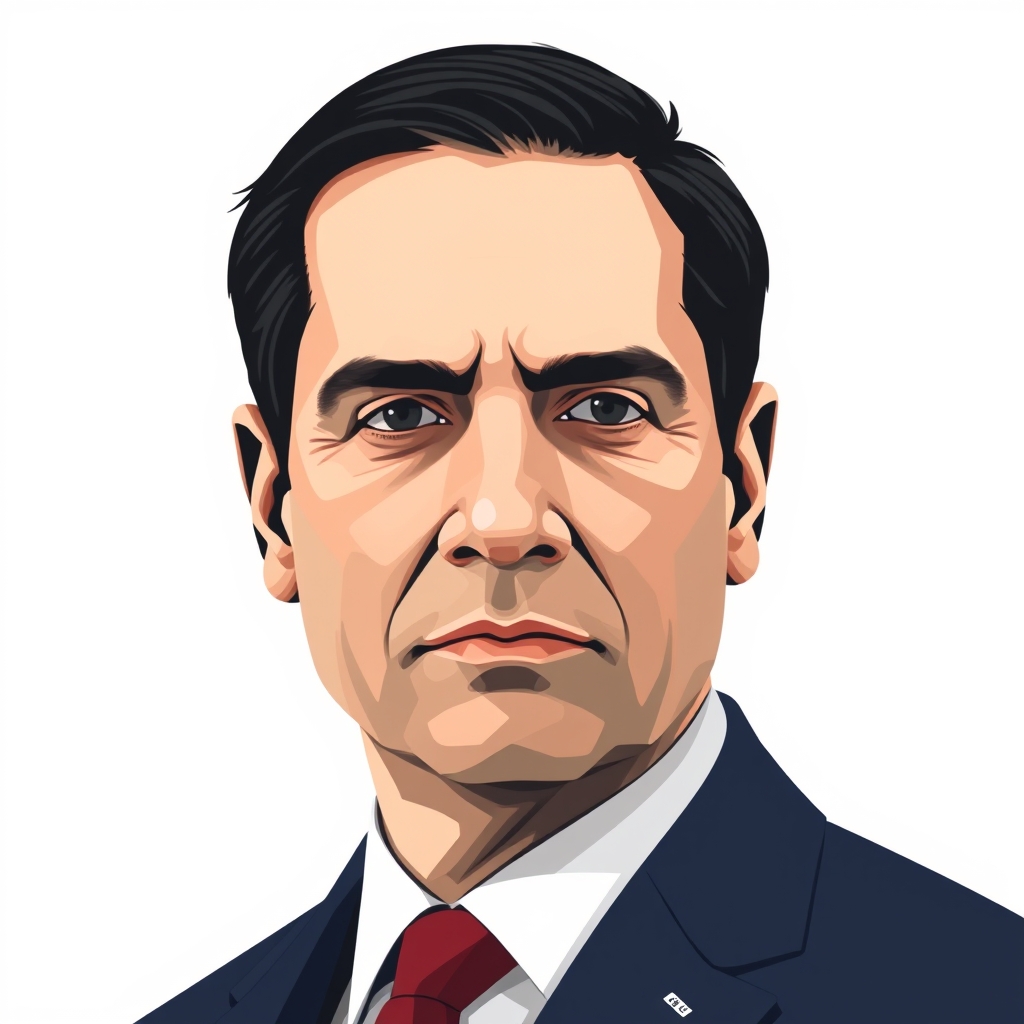
Marco Rubio
VS
Accusers of US
?
No actors in this side.
No actors in this side.
US Secretary of State Marco Rubio denies accusations that the US withheld intelligence from Ukraine, while President Zelensky prepares for talks with US envoys in Oslo.
The dispute centers on whether US intelligence support was restricted, affecting Ukrainian defense.
*AI-generated summary of publicly available data. This is not an official statement of any party.
*AI-generated summary of publicly available statements and reporting. This is not an official statement of this party.
Supporters of Marco Rubio argue that institutional trust and diplomatic discretion preserve alliances better than public accusation, maintaining that private channels like the Oslo talks, not open disputes, are how allies resolve intelligence concerns.
Supporters of Marco Rubio argue that trust between allied governments is built on established diplomatic channels, and that preserving that institutional confidence matters more than public disputes over intelligence sharing.
Supporters of Marco Rubio counter that shared values are not abstract; they are rooted in enduring national traditions and institutions, and they argue that stable alliances grow from cultural continuity and mutual respect for sovereignty rather than shifting ideological alignmen.
Supporters of Marco Rubio argue that denying withheld intelligence is a legal matter of accountability, maintaining that unverified accusations against the Secretary of State lack evidentiary basis and that the Oslo talks should proceed on documented facts, not unproven claims.
Supporters of Marco Rubio argue that absent legal proof of a formal intelligence-sharing restriction, the denial stands, and they maintain that accusations of withholding must meet evidentiary standards before being treated as fact.
Supporters of Marco Rubio counter that intelligence-sharing arrangements are governed by classified legal frameworks, so disclosure is barred regardless of verification concerns, and they argue accountability is properly tested through authorized oversight channels, not public re.
Supporters of Marco Rubio argue that denying the intelligence claim costs him little while the Oslo talks give Washington leverage, since Ukraine needs US support more than it needs this dispute settled.
Supporters of Marco Rubio argue the intelligence dispute is leverage, not betrayal: they maintain that denying withheld support preserves US bargaining power ahead of the Oslo talks, where concessions matter more than accusations.
Supporters of Marco Rubio counter that citing Oslo as proof of withheld aid confuses negotiation leverage with coercion, since public appropriations records show disbursements continued; they argue pressure and supply aren't mutually exclusive.
Supporters of Marco Rubio argue that denying withheld intelligence is a matter of integrity: they maintain that accusing the US without evidence is unfair, and that Zelensky's Oslo talks show diplomacy, not blame, is the proper path.
Supporters of Marco Rubio argue that denying withheld intelligence is a matter of integrity, holding that public trust in US commitments requires officials to rebut unverified accusations with evidence rather than concede to rumor.
Supporters of Marco Rubio counter that caution in sharing intelligence reflects a moral duty to avoid escalation that could endanger far more civilians, so restraint is framed as responsible stewardship rather than betrayal.
Supporters of Marco Rubio argue that honoring commitments to allies reflects a moral duty rooted in religious conviction, and they maintain that unverified accusations against US intelligence sharing undermine the trust and order that stable partnerships require.
Supporters of Marco Rubio argue that honoring commitments to allies reflects a moral duty rooted in religious conviction, and they maintain that the US kept its word on intelligence sharing with Ukraine.
Supporters of Marco Rubio counter that prudential statecraft, not disclosure, is the deeper moral duty, citing scripture's caution against casting pearls before swine as grounds that guarding sensitive intelligence from uncertain hands honors good faith rather than betraying it.
*AI-generated summary of publicly available statements and reporting. This is not an official statement of this party.
Supporters of Accusers of US argue that doubts about US reliability reflect a deeper cultural rift, maintaining that Ukraine's survival depends on allies who share its values rather than on transactional partners.
Supporters of Accusers of US argue that doubt cast on Ukraine’s accounts of restricted US intelligence reflects a cultural divide over whose wartime testimony and national narrative deserve trust.
Supporters of Accusers of US counter that quiet diplomacy erases a nation's own account of events, arguing that cultural memory and public truth-telling, not closed talks, are what preserve a people's identity.
Supporters of Accusers of US argue that legal accountability requires disclosure of the intelligence-sharing terms, contending that Rubio's denial cannot be verified without documented records of what support was actually restricted.
Supporters of Accusers of US argue that Rubio's denial lacks documentary proof, and that only disclosure of the intelligence-sharing record could settle whether support was restricted.
Supporters of Accusers of US counter that legal accountability cuts both ways: if unverified claims lack evidentiary basis, so does withholding material intelligence from review, and they argue transparency obligations, not secrecy, should govern the Oslo record.
Supporters of Accusers of US argue that Rubio's denial is a tactical cover, maintaining that intelligence was quietly throttled to pressure Kyiv into concessions, and they cite the Oslo talks as proof leverage—not trust—drives Washington.
Supporters of Accusers of US argue that Rubio’s denial is a tactical cover, maintaining that Washington’s leverage over Kyiv depends on keeping intelligence conditional—so a public refusal signals bargaining power, not innocence.
Supporters of Accusers of US counter that leverage cuts both ways: if Washington's backing is Ukraine's lifeline, Moscow knows a settlement freezing the front preserves gains without conceding anything, so Oslo hands the Kremlin a veto, not Rubio a win.
Supporters of Accusers of US argue that withholding intelligence from a defending ally is a moral betrayal, insisting that if reports of restricted support are true, Ukraine's defense and civilian lives were needlessly endangered.
Supporters of Accusers of US argue that withholding intelligence from a partner defending itself is a moral failure, and they point to Zelensky's Oslo talks as evidence that trust must be rebuilt.
Supporters of Accusers of US counter that demanding evidence before acknowledging harm inverts moral duty: they argue that withholding intelligence while insisting on silence lets the US avoid accountability, and that fairness requires addressing victims' claims rather than dismi.
Supporters of Accusers of US invoke the moral duty of truthfulness and good faith toward allies, arguing that withholding intelligence from Ukraine would betray a covenant of trust and citing scripture's condemnation of deceit as evidence the denial warrants scrutiny.
Supporters of Accusers of US invoke the duty of honest witness, arguing that withholding intelligence from Ukraine would violate the moral obligation to deal truthfully with an ally and that scripture condemns deception in dealings between nations.
Supporters of Accusers of US counter that Scripture commands justice and the exposure of hidden wrongdoing, citing Ephesians 5:11's call to expose deeds of darkness, and argue that truth-telling before God outranks institutional loyalty.
AI-generated summary of publicly available statements and reporting. This is not an official statement of this party.
Supporters of Marco Rubio argue that institutional trust and diplomatic discretion preserve alliances better than public accusation, maintaining that private channels like the Oslo talks, not open disputes, are how allies resolve intelligence concerns.
Supporters of Marco Rubio argue that trust between allied governments is built on established diplomatic channels, and that preserving that institutional confidence matters more than public disputes over intelligence sharing.
Supporters of Marco Rubio counter that shared values are not abstract; they are rooted in enduring national traditions and institutions, and they argue that stable alliances grow from cultural continuity and mutual respect for sovereignty rather than shifting ideological alignmen.
Supporters of Marco Rubio argue that denying withheld intelligence is a legal matter of accountability, maintaining that unverified accusations against the Secretary of State lack evidentiary basis and that the Oslo talks should proceed on documented facts, not unproven claims.
Supporters of Marco Rubio argue that absent legal proof of a formal intelligence-sharing restriction, the denial stands, and they maintain that accusations of withholding must meet evidentiary standards before being treated as fact.
Supporters of Marco Rubio counter that intelligence-sharing arrangements are governed by classified legal frameworks, so disclosure is barred regardless of verification concerns, and they argue accountability is properly tested through authorized oversight channels, not public re.
Supporters of Marco Rubio argue that denying the intelligence claim costs him little while the Oslo talks give Washington leverage, since Ukraine needs US support more than it needs this dispute settled.
Supporters of Marco Rubio argue the intelligence dispute is leverage, not betrayal: they maintain that denying withheld support preserves US bargaining power ahead of the Oslo talks, where concessions matter more than accusations.
Supporters of Marco Rubio counter that citing Oslo as proof of withheld aid confuses negotiation leverage with coercion, since public appropriations records show disbursements continued; they argue pressure and supply aren't mutually exclusive.
Supporters of Marco Rubio argue that denying withheld intelligence is a matter of integrity: they maintain that accusing the US without evidence is unfair, and that Zelensky's Oslo talks show diplomacy, not blame, is the proper path.
Supporters of Marco Rubio argue that denying withheld intelligence is a matter of integrity, holding that public trust in US commitments requires officials to rebut unverified accusations with evidence rather than concede to rumor.
Supporters of Marco Rubio counter that caution in sharing intelligence reflects a moral duty to avoid escalation that could endanger far more civilians, so restraint is framed as responsible stewardship rather than betrayal.
Supporters of Marco Rubio argue that honoring commitments to allies reflects a moral duty rooted in religious conviction, and they maintain that unverified accusations against US intelligence sharing undermine the trust and order that stable partnerships require.
Supporters of Marco Rubio argue that honoring commitments to allies reflects a moral duty rooted in religious conviction, and they maintain that the US kept its word on intelligence sharing with Ukraine.
Supporters of Marco Rubio counter that prudential statecraft, not disclosure, is the deeper moral duty, citing scripture's caution against casting pearls before swine as grounds that guarding sensitive intelligence from uncertain hands honors good faith rather than betraying it.
Supporters of Accusers of US argue that doubts about US reliability reflect a deeper cultural rift, maintaining that Ukraine's survival depends on allies who share its values rather than on transactional partners.
Supporters of Accusers of US argue that doubt cast on Ukraine’s accounts of restricted US intelligence reflects a cultural divide over whose wartime testimony and national narrative deserve trust.
Supporters of Accusers of US counter that quiet diplomacy erases a nation's own account of events, arguing that cultural memory and public truth-telling, not closed talks, are what preserve a people's identity.
Supporters of Accusers of US argue that legal accountability requires disclosure of the intelligence-sharing terms, contending that Rubio's denial cannot be verified without documented records of what support was actually restricted.
Supporters of Accusers of US argue that Rubio's denial lacks documentary proof, and that only disclosure of the intelligence-sharing record could settle whether support was restricted.
Supporters of Accusers of US counter that legal accountability cuts both ways: if unverified claims lack evidentiary basis, so does withholding material intelligence from review, and they argue transparency obligations, not secrecy, should govern the Oslo record.
Supporters of Accusers of US argue that Rubio's denial is a tactical cover, maintaining that intelligence was quietly throttled to pressure Kyiv into concessions, and they cite the Oslo talks as proof leverage—not trust—drives Washington.
Supporters of Accusers of US argue that Rubio’s denial is a tactical cover, maintaining that Washington’s leverage over Kyiv depends on keeping intelligence conditional—so a public refusal signals bargaining power, not innocence.
Supporters of Accusers of US counter that leverage cuts both ways: if Washington's backing is Ukraine's lifeline, Moscow knows a settlement freezing the front preserves gains without conceding anything, so Oslo hands the Kremlin a veto, not Rubio a win.
Supporters of Accusers of US argue that withholding intelligence from a defending ally is a moral betrayal, insisting that if reports of restricted support are true, Ukraine's defense and civilian lives were needlessly endangered.
Supporters of Accusers of US argue that withholding intelligence from a partner defending itself is a moral failure, and they point to Zelensky's Oslo talks as evidence that trust must be rebuilt.
Supporters of Accusers of US counter that demanding evidence before acknowledging harm inverts moral duty: they argue that withholding intelligence while insisting on silence lets the US avoid accountability, and that fairness requires addressing victims' claims rather than dismi.
Supporters of Accusers of US invoke the moral duty of truthfulness and good faith toward allies, arguing that withholding intelligence from Ukraine would betray a covenant of trust and citing scripture's condemnation of deceit as evidence the denial warrants scrutiny.
Supporters of Accusers of US invoke the duty of honest witness, arguing that withholding intelligence from Ukraine would violate the moral obligation to deal truthfully with an ally and that scripture condemns deception in dealings between nations.
Supporters of Accusers of US counter that Scripture commands justice and the exposure of hidden wrongdoing, citing Ephesians 5:11's call to expose deeds of darkness, and argue that truth-telling before God outranks institutional loyalty.