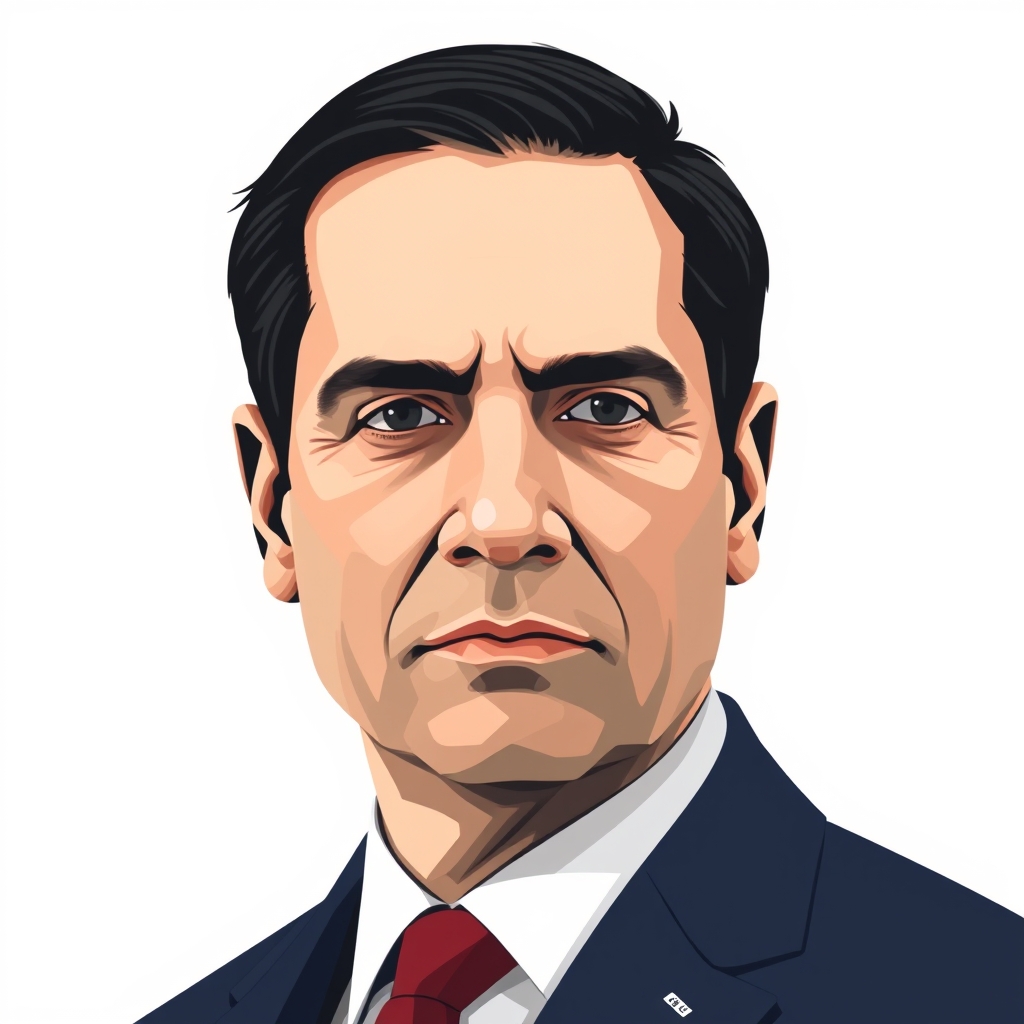
Marco Rubio

VS
Elon Musk
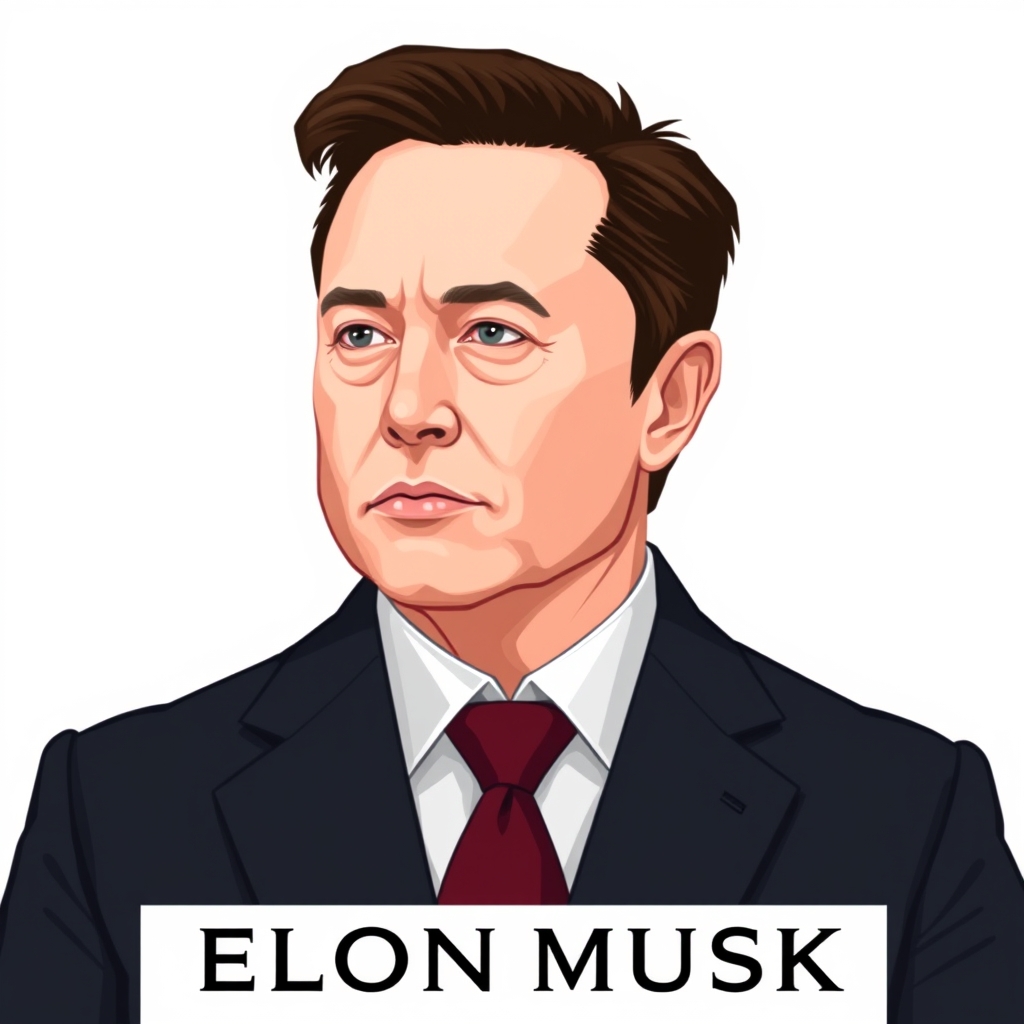
Reports of speed limits on Starlink internet services in Ukraine have raised questions about who controls access.
US Secretary of State Marco Rubio says the decision belongs to Elon Musk, not the White House.
*AI-generated summary of publicly available data. This is not an official statement of any party.
*AI-generated summary of publicly available statements and reporting. This is not an official statement of this party.
Supporters of Marco Rubio argue that Starlink's private ownership makes Musk, not the state, the proper cultural custodian of access decisions, casting this as a boundary between private enterprise and government power.
Supporters of Marco Rubio frame this as a cultural matter of private enterprise over state control, arguing that a company built by one entrepreneur answers to its owner, not the White House.
Supporters of Marco Rubio counter that America's cultural tradition ties enterprise to civic duty, not autonomy, so private control of strategic infrastructure like Starlink sits uneasily with that heritage.
Supporters of Marco Rubio argue that as a private company, SpaceX retains legal authority over Starlink's terms of service, so throttling decisions rest with Elon Musk, not the White House—absolving the administration of responsibility.
Supporters of Marco Rubio argue that control over Starlink access in Ukraine rests legally with Elon Musk as a private decision-maker, not the White House, citing Rubio's October 2026 statement.
Supporters of Marco Rubio counter that Starlink's private contracts do not override sovereign authority, since governments retain legal power to regulate or condition service within their territory regardless of provider terms.
Supporters of Marco Rubio argue that attributing Starlink limits to the White House misreads where power actually sits: the decision rests with Elon Musk, and they maintain that pinning it on the administration lets Musk dodge accountability.
Supporters of Marco Rubio argue that he shields the White House by assigning Starlink control to Musk, letting the administration claim plausible deniability while keeping leverage over a private actor.
Supporters of Marco Rubio counter that Musk’s leverage is only as durable as the state’s willingness to tolerate it—Starlink’s access depends on contracts, spectrum, and regulatory forbearance Washington can revoke, making private power contingent, not sovereign.
Supporters of Marco Rubio argue that attributing Starlink decisions to the White House unfairly shifts moral responsibility onto governments for choices made by a private company, and they maintain that accountability should rest with Elon Musk.
Supporters of Marco Rubio argue that moral accountability for Starlink's limits in Ukraine rests with Elon Musk as the private decision-maker, not the White House, maintaining that blame should follow actual control.
Supporters of Marco Rubio counter that infrastructure serving the public carries moral duties beyond private ownership, so accountability for its terms rests with those wielding that power, not merely with whoever signed a contract.
Supporters of Marco Rubio argue that private ownership carries moral weight: they maintain that Elon Musk, as Starlink's owner, holds legitimate authority over his property, and that respecting lawful ownership reflects a principled, ordered view of society.
Supporters of Marco Rubio argue that private conscience, not state command, governs decisions like Starlink access, and they maintain that moral authority over such choices rests with the individual provider rather than the White House.
Supporters of Marco Rubio counter that earthly stewardship, including Starlink, remains accountable to the sovereign authority God ordains, so private ownership cannot exempt a founder from the state's lawful moral claims.
*AI-generated summary of publicly available statements and reporting. This is not an official statement of this party.
Supporters of Elon Musk argue that private stewardship of Starlink preserves the inherited independence of enterprise from state direction, and they see Rubio's remarks as affirming that cultural tradition.
Supporters of Elon Musk argue that private stewardship over infrastructure like Starlink reflects a durable tradition of decentralized control, preserving independence from state direction.
Supporters of Elon Musk counter that Starlink's global reach makes it a shared cultural utility, not a private fiefdom, and that decisions over who connects should reflect inherited public norms rather than one owner's discretion.
Supporters of Elon Musk argue that as a private company, Starlink retains legal authority over service terms, and they maintain that Rubio's statement confirms the decision rests with the provider, not the White House.
Supporters of Elon Musk argue that as a private company, Starlink answers to its own legal obligations and terms of service, not the White House, pointing to Rubio's statement that the decision rests with Musk.
Supporters of Elon Musk counter that federal contracts and export-control rules can override private terms of service, so Starlink's throttling may fall under government review rather than resting solely with the company.
Supporters of Elon Musk argue that Rubio’s concession confirms Musk, not the White House, holds the leverage—private control over Starlink access is power no state granted and none can easily reclaim.
Supporters of Elon Musk argue that Rubio’s admission confirms Musk alone holds the leverage—not the White House—so any speed limits are his prerogative to set, and critics should direct demands to him rather than expect state control.
Supporters of Elon Musk counter that accountability flows toward whoever actually holds leverage, so critics demanding Musk own a decision made under government pressure are asking him to absorb blame for constraints he didn't set.
Supporters of Elon Musk argue that a private company providing its own infrastructure retains the moral right to set the terms of its service, and they maintain that holding Musk accountable for decisions Rubio attributes to him is fairer than shifting blame to the White House.
Supporters of Elon Musk argue that a private provider should not be conscripted into geopolitical duties, maintaining that moral responsibility for Ukraine's connectivity rests with governments, not one company's owner.
Supporters of Elon Musk counter that a company accepting billions in public contracts and shaping wartime access cannot claim private immunity from moral scrutiny, since public money creates public obligation.
Supporters of Elon Musk argue that stewardship over Starlink rests with its founder, not the state, invoking the principle that private conscience and lawful ownership answer to a higher moral accounting than political pressure from the White House.
Supporters of Elon Musk argue that control over Starlink rests with its owner as a matter of conscience, invoking the principle that giving is a free act, not an obligation the state may commandeer.
Supporters of Elon Musk counter that scripture ties dominion to stewardship for the common good, citing Leviticus 19:18's call to love the neighbor, and argue that ownership serving the public—such as connectivity in wartime—fulfills that duty.
AI-generated summary of publicly available statements and reporting. This is not an official statement of this party.
Supporters of Marco Rubio argue that Starlink's private ownership makes Musk, not the state, the proper cultural custodian of access decisions, casting this as a boundary between private enterprise and government power.
Supporters of Marco Rubio frame this as a cultural matter of private enterprise over state control, arguing that a company built by one entrepreneur answers to its owner, not the White House.
Supporters of Marco Rubio counter that America's cultural tradition ties enterprise to civic duty, not autonomy, so private control of strategic infrastructure like Starlink sits uneasily with that heritage.
Supporters of Marco Rubio argue that as a private company, SpaceX retains legal authority over Starlink's terms of service, so throttling decisions rest with Elon Musk, not the White House—absolving the administration of responsibility.
Supporters of Marco Rubio argue that control over Starlink access in Ukraine rests legally with Elon Musk as a private decision-maker, not the White House, citing Rubio's October 2026 statement.
Supporters of Marco Rubio counter that Starlink's private contracts do not override sovereign authority, since governments retain legal power to regulate or condition service within their territory regardless of provider terms.
Supporters of Marco Rubio argue that attributing Starlink limits to the White House misreads where power actually sits: the decision rests with Elon Musk, and they maintain that pinning it on the administration lets Musk dodge accountability.
Supporters of Marco Rubio argue that he shields the White House by assigning Starlink control to Musk, letting the administration claim plausible deniability while keeping leverage over a private actor.
Supporters of Marco Rubio counter that Musk’s leverage is only as durable as the state’s willingness to tolerate it—Starlink’s access depends on contracts, spectrum, and regulatory forbearance Washington can revoke, making private power contingent, not sovereign.
Supporters of Marco Rubio argue that attributing Starlink decisions to the White House unfairly shifts moral responsibility onto governments for choices made by a private company, and they maintain that accountability should rest with Elon Musk.
Supporters of Marco Rubio argue that moral accountability for Starlink's limits in Ukraine rests with Elon Musk as the private decision-maker, not the White House, maintaining that blame should follow actual control.
Supporters of Marco Rubio counter that infrastructure serving the public carries moral duties beyond private ownership, so accountability for its terms rests with those wielding that power, not merely with whoever signed a contract.
Supporters of Marco Rubio argue that private ownership carries moral weight: they maintain that Elon Musk, as Starlink's owner, holds legitimate authority over his property, and that respecting lawful ownership reflects a principled, ordered view of society.
Supporters of Marco Rubio argue that private conscience, not state command, governs decisions like Starlink access, and they maintain that moral authority over such choices rests with the individual provider rather than the White House.
Supporters of Marco Rubio counter that earthly stewardship, including Starlink, remains accountable to the sovereign authority God ordains, so private ownership cannot exempt a founder from the state's lawful moral claims.
Supporters of Elon Musk argue that private stewardship of Starlink preserves the inherited independence of enterprise from state direction, and they see Rubio's remarks as affirming that cultural tradition.
Supporters of Elon Musk argue that private stewardship over infrastructure like Starlink reflects a durable tradition of decentralized control, preserving independence from state direction.
Supporters of Elon Musk counter that Starlink's global reach makes it a shared cultural utility, not a private fiefdom, and that decisions over who connects should reflect inherited public norms rather than one owner's discretion.
Supporters of Elon Musk argue that as a private company, Starlink retains legal authority over service terms, and they maintain that Rubio's statement confirms the decision rests with the provider, not the White House.
Supporters of Elon Musk argue that as a private company, Starlink answers to its own legal obligations and terms of service, not the White House, pointing to Rubio's statement that the decision rests with Musk.
Supporters of Elon Musk counter that federal contracts and export-control rules can override private terms of service, so Starlink's throttling may fall under government review rather than resting solely with the company.
Supporters of Elon Musk argue that Rubio’s concession confirms Musk, not the White House, holds the leverage—private control over Starlink access is power no state granted and none can easily reclaim.
Supporters of Elon Musk argue that Rubio’s admission confirms Musk alone holds the leverage—not the White House—so any speed limits are his prerogative to set, and critics should direct demands to him rather than expect state control.
Supporters of Elon Musk counter that accountability flows toward whoever actually holds leverage, so critics demanding Musk own a decision made under government pressure are asking him to absorb blame for constraints he didn't set.
Supporters of Elon Musk argue that a private company providing its own infrastructure retains the moral right to set the terms of its service, and they maintain that holding Musk accountable for decisions Rubio attributes to him is fairer than shifting blame to the White House.
Supporters of Elon Musk argue that a private provider should not be conscripted into geopolitical duties, maintaining that moral responsibility for Ukraine's connectivity rests with governments, not one company's owner.
Supporters of Elon Musk counter that a company accepting billions in public contracts and shaping wartime access cannot claim private immunity from moral scrutiny, since public money creates public obligation.
Supporters of Elon Musk argue that stewardship over Starlink rests with its founder, not the state, invoking the principle that private conscience and lawful ownership answer to a higher moral accounting than political pressure from the White House.
Supporters of Elon Musk argue that control over Starlink rests with its owner as a matter of conscience, invoking the principle that giving is a free act, not an obligation the state may commandeer.
Supporters of Elon Musk counter that scripture ties dominion to stewardship for the common good, citing Leviticus 19:18's call to love the neighbor, and argue that ownership serving the public—such as connectivity in wartime—fulfills that duty.
US secretary of state says White House not to blame for reported speed limits on internet services in Ukraine.