Marco Rubio
VS
Iran
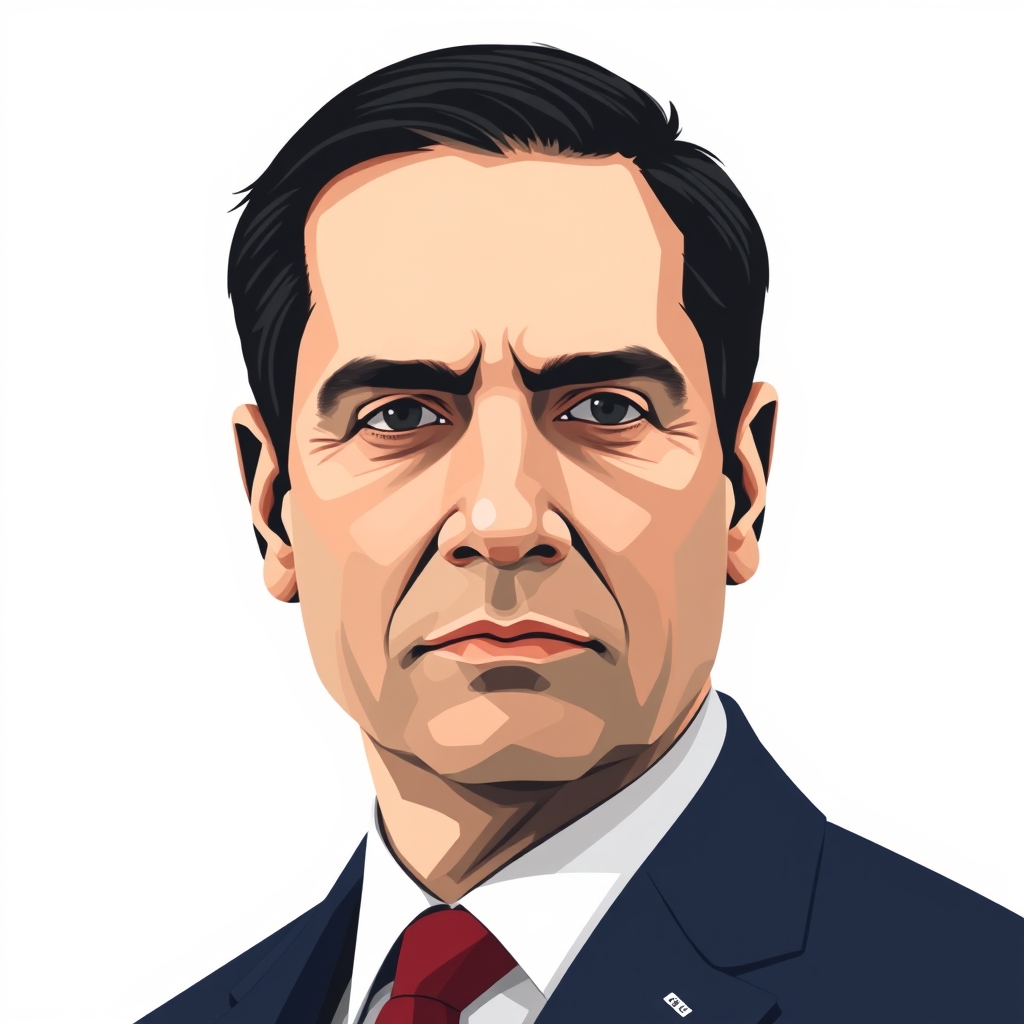
US Secretary of State Marco Rubio delivered remarks framing threats to Western civilisation as comparable to those of antiquity, prompting a critical response from Iran.
The exchange highlights a contested narrative over civilisational conflict and the framing of contemporary geopolitical threats.
*AI-generated summary of publicly available data. This is not an official statement of any party.
*AI-generated summary of publicly available statements and reporting. This is not an official statement of this party.
Supporters of Marco Rubio argue that framing today's threats as civilisational echoes antiquity, casting Iran as heir to historic adversaries—a cultural continuity they say the West must recognise to survive.
Supporters of Marco Rubio frame his antiquity analogy as cultural continuity: they argue Western civilisation faces existential threats today much as it did in the classical past, a precedent they say justifies vigilance.
Supporters of Rubio counter that Iran's regime itself suppresses Nowruz traditions and Persian heritage, so framing the struggle as civilizational defends the culture the regime erodes.
Supporters of Marco Rubio argue his framing is lawful sovereign speech, not an act of war, and that Iran's pushback misreads rhetoric as legal aggression.
Supporters of Marco Rubio argue that sovereignty grants a state the legal right to name existential threats in its own terms, and that Iran's objection is a rhetorical dispute, not a legal one.
Supporters of Marco Rubio counter that UN Charter Article 51 preserves the inherent right of self-defense, so states may lawfully assess and respond to threats without any civilizational judgment.
Supporters of Marco Rubio argue his rhetoric is strategic signaling, framing Iran as an existential threat to justify pressure and alliance cohesion, not mere history.
Supporters of Marco Rubio argue his rhetoric is strategic: framing Iran as an existential civilizational threat rallies allies, justifies pressure, and casts US power as defense, not diplomacy.
Supporters of Marco Rubio counter that sanctions follow Iran's conduct, not rhetoric: the 2018 exit was leverage, and Tehran's regional proxies and enrichment made pressure the only credible tool.
Supporters of Marco Rubio argue that naming threats to Western civilisation is a moral duty, not an anachronism, insisting that free societies must defend their values against regimes that deny them.
Supporters of Marco Rubio argue that naming threats to Western civilisation is a moral duty, not an anachronism, insisting free societies must defend their values against those who would erase them.
Supporters of Marco Rubio counter that Iran's regime executes dissidents and represses women, so moral clarity against such abuses is no dodge but a duty owed to the oppressed.
Supporters of Marco Rubio argue that religious heritage underpins Western civilisation, so threats to it are spiritual as much as political, echoing the existential stakes of antiquity.
Supporters of Marco Rubio argue that religious heritage underpins Western civilisation, so defending it against Iran is a moral duty rooted in inherited faith, not mere politics.
Supporters of Marco Rubio counter that the West's moral framework, rooted in Judeo-Christian dignity of the person, is not a theology of conquest but a defense of religious liberty, which they note Iran's government denies its own citizens.
*AI-generated summary of publicly available statements and reporting. This is not an official statement of this party.
Supporters of Iran argue Rubio's "Western civilisation" framing casts Iran as a civilisational foe, erasing its ancient heritage and reducing a sovereign nation to a threat.
Supporters of Iran argue Rubio's "Western civilisation" framing revives a civilisational clash that ignores older, non-Western traditions; they see it as erasing Iran's heritage.
Supporters of Iran counter that Iran's 2,500-year heritage is a civilisation of poets and scholars, not a monolith of enmity, and that framing it as an eternal adversary misreads a culture shaped by its own continuity.
Supporters of Iran argue Rubio's "civilisational" framing lacks legal basis, since no treaty or UN charter provision authorizes one civilization to judge another's threat to the West.
Supporters of Iran argue that Rubio's framing invokes a civilizational hierarchy that has no basis in international law, which binds states equally regardless of culture or history.
Supporters of Iran counter that Rubio's call for strikes, even as speech, meets the legal threshold for incitement to aggression under international law, so sovereignty shields rhetoric only when it stops short of urging force.
Supporters of Iran argue Rubio's "civilisation" framing is a rhetorical weapon: casting Iran as an existential threat lets Washington justify sanctions and isolation while dodging blame for the 2018 deal exit.
Supporters of Iran read Rubio's "civilisational" framing as a bid to rally Western power against Iran, arguing that casting geopolitics as a clash of civilisations serves to justify pressure and isolate Tehran.
Supporters of Iran counter that Rubio's "existential threat" framing is itself the leverage play: it lets Washington rally Gulf allies and justify sanctions while keeping Tehran boxed in, so the rhetoric serves power, not principle.
Supporters of Iran argue Rubio's "civilisational" framing is a moral dodge, recasting Western geopolitical pressure as a clash of cultures to justify domination rather than address legitimate grievances.
Supporters of Iran argue that Rubio's "civilisational" framing dangerously moralizes geopolitics, casting rival nations as existential threats rather than negotiating partners, and they maintain such rhetoric invites confrontation instead of diplomacy.
Supporters of Iran counter that the moral duty runs both ways: a nation defending its sovereignty against foreign pressure is no less legitimate than one defending its values, and they argue the label of "threat" is applied selectively.
Supporters of Iran argue Rubio's "Western civilisation" framing echoes a crusader theology that divides humanity into sacred and profane, contrary to Quranic teaching that God judges nations by justice, not civilisational lineage.
Supporters of Iran argue that Rubio's civilizational framing echoes a religiously charged clash-of-civilizations doctrine, casting Iran as an existential foe rather than a nation defending its faith and sovereignty.
Supporters of Iran counter that divine law, not Western heritage, governs nations, citing the Quran's assurance that God preserves the faith of believers against empires.
AI-generated summary of publicly available statements and reporting. This is not an official statement of this party.
Supporters of Marco Rubio argue that framing today's threats as civilisational echoes antiquity, casting Iran as heir to historic adversaries—a cultural continuity they say the West must recognise to survive.
Supporters of Marco Rubio frame his antiquity analogy as cultural continuity: they argue Western civilisation faces existential threats today much as it did in the classical past, a precedent they say justifies vigilance.
Supporters of Rubio counter that Iran's regime itself suppresses Nowruz traditions and Persian heritage, so framing the struggle as civilizational defends the culture the regime erodes.
Supporters of Marco Rubio argue his framing is lawful sovereign speech, not an act of war, and that Iran's pushback misreads rhetoric as legal aggression.
Supporters of Marco Rubio argue that sovereignty grants a state the legal right to name existential threats in its own terms, and that Iran's objection is a rhetorical dispute, not a legal one.
Supporters of Marco Rubio counter that UN Charter Article 51 preserves the inherent right of self-defense, so states may lawfully assess and respond to threats without any civilizational judgment.
Supporters of Marco Rubio argue his rhetoric is strategic signaling, framing Iran as an existential threat to justify pressure and alliance cohesion, not mere history.
Supporters of Marco Rubio argue his rhetoric is strategic: framing Iran as an existential civilizational threat rallies allies, justifies pressure, and casts US power as defense, not diplomacy.
Supporters of Marco Rubio counter that sanctions follow Iran's conduct, not rhetoric: the 2018 exit was leverage, and Tehran's regional proxies and enrichment made pressure the only credible tool.
Supporters of Marco Rubio argue that naming threats to Western civilisation is a moral duty, not an anachronism, insisting that free societies must defend their values against regimes that deny them.
Supporters of Marco Rubio argue that naming threats to Western civilisation is a moral duty, not an anachronism, insisting free societies must defend their values against those who would erase them.
Supporters of Marco Rubio counter that Iran's regime executes dissidents and represses women, so moral clarity against such abuses is no dodge but a duty owed to the oppressed.
Supporters of Marco Rubio argue that religious heritage underpins Western civilisation, so threats to it are spiritual as much as political, echoing the existential stakes of antiquity.
Supporters of Marco Rubio argue that religious heritage underpins Western civilisation, so defending it against Iran is a moral duty rooted in inherited faith, not mere politics.
Supporters of Marco Rubio counter that the West's moral framework, rooted in Judeo-Christian dignity of the person, is not a theology of conquest but a defense of religious liberty, which they note Iran's government denies its own citizens.
Supporters of Iran argue Rubio's "Western civilisation" framing casts Iran as a civilisational foe, erasing its ancient heritage and reducing a sovereign nation to a threat.
Supporters of Iran argue Rubio's "Western civilisation" framing revives a civilisational clash that ignores older, non-Western traditions; they see it as erasing Iran's heritage.
Supporters of Iran counter that Iran's 2,500-year heritage is a civilisation of poets and scholars, not a monolith of enmity, and that framing it as an eternal adversary misreads a culture shaped by its own continuity.
Supporters of Iran argue Rubio's "civilisational" framing lacks legal basis, since no treaty or UN charter provision authorizes one civilization to judge another's threat to the West.
Supporters of Iran argue that Rubio's framing invokes a civilizational hierarchy that has no basis in international law, which binds states equally regardless of culture or history.
Supporters of Iran counter that Rubio's call for strikes, even as speech, meets the legal threshold for incitement to aggression under international law, so sovereignty shields rhetoric only when it stops short of urging force.
Supporters of Iran argue Rubio's "civilisation" framing is a rhetorical weapon: casting Iran as an existential threat lets Washington justify sanctions and isolation while dodging blame for the 2018 deal exit.
Supporters of Iran read Rubio's "civilisational" framing as a bid to rally Western power against Iran, arguing that casting geopolitics as a clash of civilisations serves to justify pressure and isolate Tehran.
Supporters of Iran counter that Rubio's "existential threat" framing is itself the leverage play: it lets Washington rally Gulf allies and justify sanctions while keeping Tehran boxed in, so the rhetoric serves power, not principle.
Supporters of Iran argue Rubio's "civilisational" framing is a moral dodge, recasting Western geopolitical pressure as a clash of cultures to justify domination rather than address legitimate grievances.
Supporters of Iran argue that Rubio's "civilisational" framing dangerously moralizes geopolitics, casting rival nations as existential threats rather than negotiating partners, and they maintain such rhetoric invites confrontation instead of diplomacy.
Supporters of Iran counter that the moral duty runs both ways: a nation defending its sovereignty against foreign pressure is no less legitimate than one defending its values, and they argue the label of "threat" is applied selectively.
Supporters of Iran argue Rubio's "Western civilisation" framing echoes a crusader theology that divides humanity into sacred and profane, contrary to Quranic teaching that God judges nations by justice, not civilisational lineage.
Supporters of Iran argue that Rubio's civilizational framing echoes a religiously charged clash-of-civilizations doctrine, casting Iran as an existential foe rather than a nation defending its faith and sovereignty.
Supporters of Iran counter that divine law, not Western heritage, governs nations, citing the Quran's assurance that God preserves the faith of believers against empires.
Rubio says threats to Western civilisation today 'every bit as real as they were on the dramatic stage of antiquity'.