Marco Rubio
VS
Sergey Lavrov
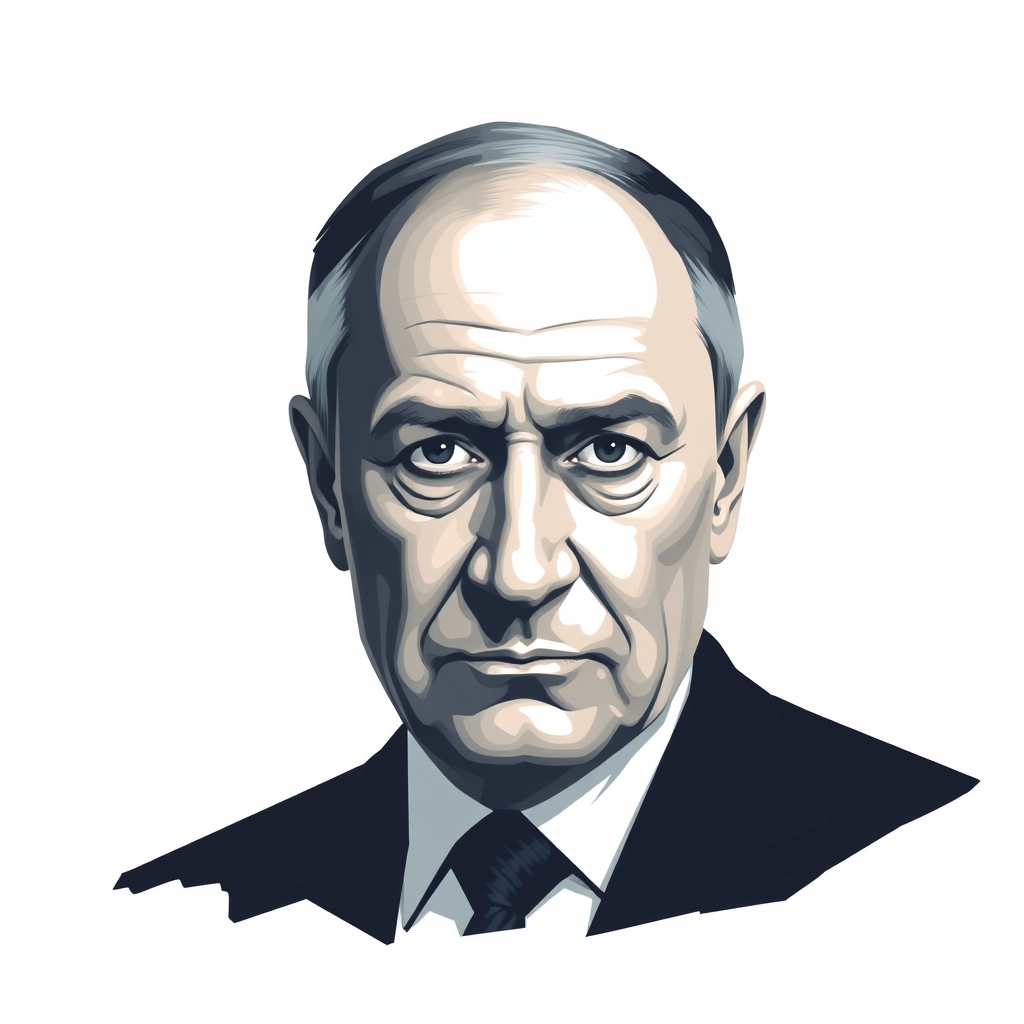
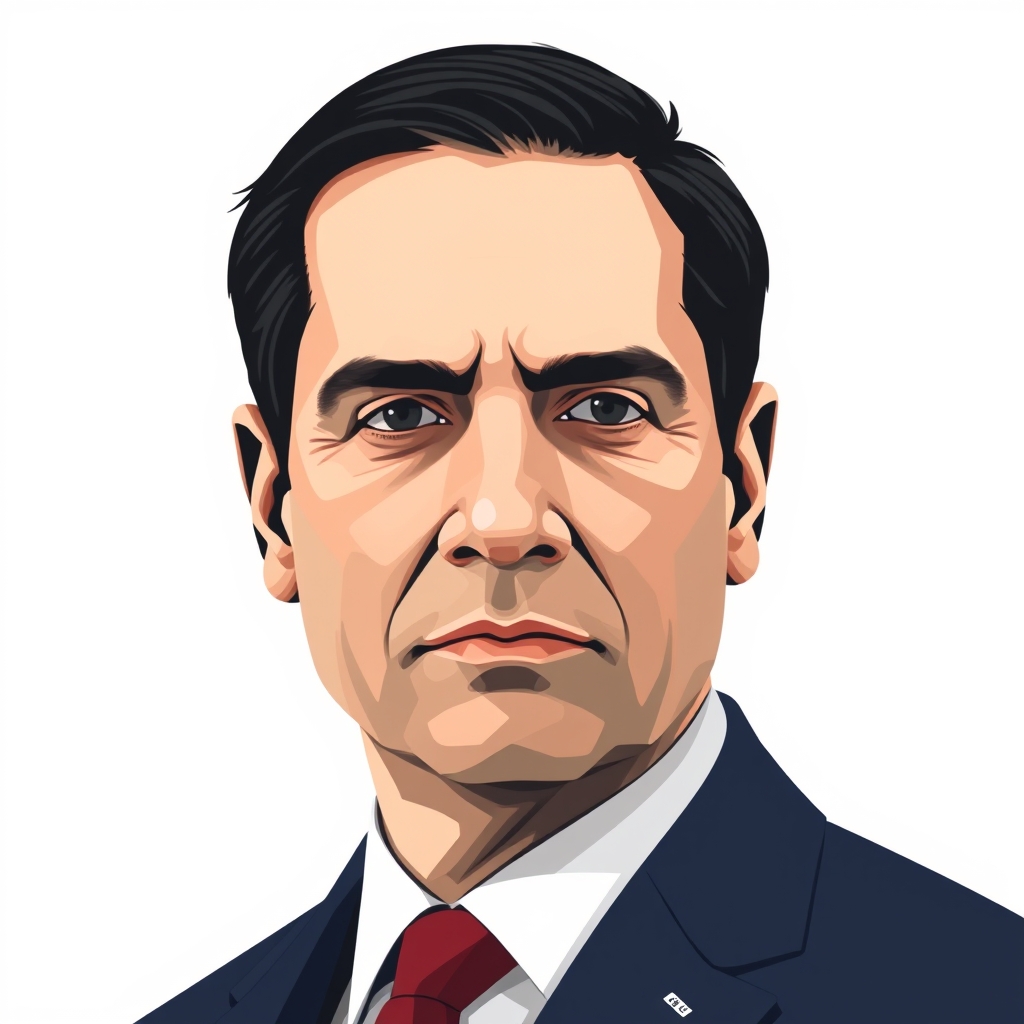
US Secretary of State Marco Rubio hosted G20 talks and urged cooperation on economic threats, while the presence of Russian Foreign Minister Sergey Lavrov sparked tensions among participants.
The meeting highlighted divisions over Russia's participation in the forum.
*AI-generated summary of publicly available data. This is not an official statement of any party.
*AI-generated summary of publicly available statements and reporting. This is not an official statement of this party.
Supporters of Marco Rubio argue that Lavrov’s presence at the G20 undermines the forum’s cultural credibility, maintaining that a state waging aggression should not share a stage meant for cooperative economic governance.
Supporters of Marco Rubio argue that cultural identity and national sovereignty must not be sacrificed for economic cooperation, maintaining that Lavrov's presence at G20 talks legitimizes a power whose values are incompatible with the forum's principles.
Supporters of Marco Rubio counter that a forum's legitimacy rests on shared norms, not on granting an aggrieved power a permanent platform—and that Russia's seat rewards a cultural rejection of the very postwar order Lavrov invokes.
Supporters of Marco Rubio argue that a host state may condition forum participation on compliance with the body’s stated principles, and they point to Rubio’s urging of cooperation against economic threats as evidence that lawful procedural leverage, not exclusion for its own sak.
Supporters of Marco Rubio argue that a host state may legitimately condition a forum’s participation on compliance with the forum’s stated principles, maintaining that Lavrov’s presence tests whether membership rules are enforced consistently.
Supporters of Marco Rubio counter that G20 membership confers no legal immunity from accountability, and that consensus rules govern decision-making, not conduct—so suspension for unlawful aggression remains a lawful option.
Supporters of Marco Rubio argue that hosting Lavrov turns Russia’s presence into a lever: engagement on US terms signals leverage, not concession, forcing rivals to bargain inside a forum Washington shapes.
Supporters of Marco Rubio argue that hosting Lavrov lets Washington expose Russia's obstruction before the room, framing cooperation on economic threats as leverage rather than concession.
Supporters of Marco Rubio counter that a seat at the table confers legitimacy without extracting real concessions, arguing Russia uses the G20 stage to stall and split allies rather than bargain—so presence rewards obstruction while exclusion costs Moscow far more than Washington.
Supporters of Marco Rubio argue that Lavrov's presence at G20 talks strains the forum's moral purpose, maintaining that cooperation on shared economic threats requires accountability from states undermining the rules-based order.
Supporters of Marco Rubio argue that keeping Russia at the G20 table is a moral necessity, since isolating Lavrov would forfeit the only forum where economic threats can be jointly confronted.
Supporters of Marco Rubio counter that dialogue is not owed to a government waging aggression, arguing moral legitimacy at the G20 table is earned, not entitled, and that rewarding Russia with a seat rewards the invasion itself.
Supporters of Marco Rubio argue that his call for G20 cooperation against shared economic threats reflects a defense of moral order among nations, maintaining that religious conviction requires resisting aggression rather than rewarding it with a seat at the table.
Supporters of Marco Rubio argue that Russia’s G20 seat should be judged by moral accountability, maintaining that religious and ethical principles require forums of cooperation to uphold truth and justice rather than reward aggression.
Supporters of Marco Rubio counter that a forum’s legitimacy rests on moral accountability, not mere sovereign presence, and they argue that religious conviction demands standing with the aggrieved rather than seating an aggressor at the table.
*AI-generated summary of publicly available statements and reporting. This is not an official statement of this party.
Supporters of Sergey Lavrov argue that Russia's seat at the G20 reflects its enduring place in the international order, and that excluding a major power erodes the forum's legitimacy and the stability inherited from postwar diplomacy.
Supporters of Sergey Lavrov argue that Russia’s seat at the G20 reflects enduring state sovereignty and diplomatic precedent, and they maintain that excluding a major power erodes the forum’s cultural legitimacy as a consensus body.
Supporters of Sergey Lavrov counter that excluding a major power's representative erodes the G20's cultural credibility more than inclusion does, since the forum's value rests on keeping diverse traditions at the table rather than enforcing a single bloc's preferences.
Supporters of Sergey Lavrov argue that Russia’s lawful G20 seat gives it full standing at the forum, and that excluding a member over political tensions would breach the group’s consensus-based rules.
Supporters of Sergey Lavrov argue that Russia’s G20 seat is legally grounded in the forum’s consensus-based mandate, so host states cannot unilaterally exclude a member, and they cite Lavrov’s participation as proof that procedural legitimacy outweighs political pressure.
Supporters of Sergey Lavrov counter that host-state conditions lack legal force absent the forum's own constitutive rules, arguing that procedural leverage cannot substitute for a mandate the body's charter never granted.
Supporters of Sergey Lavrov argue that his seat at the G20 table is leverage, not concession—Russia's presence forces Washington to negotiate on economic threats rather than dictate terms, and exclusion would only cede influence to rivals.
Supporters of Sergey Lavrov argue that his seat at the G20 table is leverage, not legitimacy: engagement keeps Russia inside the forum's decisions, and exclusion would only cede influence to rivals.
Supporters of Sergey Lavrov counter that the host's leverage is illusory: Moscow gains recognition and a platform, treating attendance as a concession from Washington, not a constraint on Russia.
Supporters of Sergey Lavrov argue that excluding Russia from G20 talks is unfair and counterproductive, maintaining that dialogue among all major economies is morally necessary to address shared economic threats.
Supporters of Sergey Lavrov argue that excluding Russia from G20 talks is unfair, maintaining that dialogue among all major economies is the only legitimate path to addressing shared economic threats.
Supporters of Sergey Lavrov counter that excluding a major power on moral grounds undermines the forum's purpose, arguing that dialogue with all states is itself the moral path to addressing shared threats.
Supporters of Sergey Lavrov argue that Russia’s G20 seat reflects a sovereign role in upholding international law and dialogue, and they maintain that excluding Moscow undermines the forum’s legitimacy.
Supporters of Sergey Lavrov argue that Russia’s G20 seat reflects a moral and doctrinal claim: that dialogue and respect among sovereign nations are duties of peace, not concessions to pressure.
Supporters of Sergey Lavrov counter that scripture commands peacemakers and forgiveness, citing the Sermon on the Mount's call to turn the other cheek; they argue religious conviction favors dialogue over exclusion.
AI-generated summary of publicly available statements and reporting. This is not an official statement of this party.
Supporters of Marco Rubio argue that Lavrov’s presence at the G20 undermines the forum’s cultural credibility, maintaining that a state waging aggression should not share a stage meant for cooperative economic governance.
Supporters of Marco Rubio argue that cultural identity and national sovereignty must not be sacrificed for economic cooperation, maintaining that Lavrov's presence at G20 talks legitimizes a power whose values are incompatible with the forum's principles.
Supporters of Marco Rubio counter that a forum's legitimacy rests on shared norms, not on granting an aggrieved power a permanent platform—and that Russia's seat rewards a cultural rejection of the very postwar order Lavrov invokes.
Supporters of Marco Rubio argue that a host state may condition forum participation on compliance with the body’s stated principles, and they point to Rubio’s urging of cooperation against economic threats as evidence that lawful procedural leverage, not exclusion for its own sak.
Supporters of Marco Rubio argue that a host state may legitimately condition a forum’s participation on compliance with the forum’s stated principles, maintaining that Lavrov’s presence tests whether membership rules are enforced consistently.
Supporters of Marco Rubio counter that G20 membership confers no legal immunity from accountability, and that consensus rules govern decision-making, not conduct—so suspension for unlawful aggression remains a lawful option.
Supporters of Marco Rubio argue that hosting Lavrov turns Russia’s presence into a lever: engagement on US terms signals leverage, not concession, forcing rivals to bargain inside a forum Washington shapes.
Supporters of Marco Rubio argue that hosting Lavrov lets Washington expose Russia's obstruction before the room, framing cooperation on economic threats as leverage rather than concession.
Supporters of Marco Rubio counter that a seat at the table confers legitimacy without extracting real concessions, arguing Russia uses the G20 stage to stall and split allies rather than bargain—so presence rewards obstruction while exclusion costs Moscow far more than Washington.
Supporters of Marco Rubio argue that Lavrov's presence at G20 talks strains the forum's moral purpose, maintaining that cooperation on shared economic threats requires accountability from states undermining the rules-based order.
Supporters of Marco Rubio argue that keeping Russia at the G20 table is a moral necessity, since isolating Lavrov would forfeit the only forum where economic threats can be jointly confronted.
Supporters of Marco Rubio counter that dialogue is not owed to a government waging aggression, arguing moral legitimacy at the G20 table is earned, not entitled, and that rewarding Russia with a seat rewards the invasion itself.
Supporters of Marco Rubio argue that his call for G20 cooperation against shared economic threats reflects a defense of moral order among nations, maintaining that religious conviction requires resisting aggression rather than rewarding it with a seat at the table.
Supporters of Marco Rubio argue that Russia’s G20 seat should be judged by moral accountability, maintaining that religious and ethical principles require forums of cooperation to uphold truth and justice rather than reward aggression.
Supporters of Marco Rubio counter that a forum’s legitimacy rests on moral accountability, not mere sovereign presence, and they argue that religious conviction demands standing with the aggrieved rather than seating an aggressor at the table.
Supporters of Sergey Lavrov argue that Russia's seat at the G20 reflects its enduring place in the international order, and that excluding a major power erodes the forum's legitimacy and the stability inherited from postwar diplomacy.
Supporters of Sergey Lavrov argue that Russia’s seat at the G20 reflects enduring state sovereignty and diplomatic precedent, and they maintain that excluding a major power erodes the forum’s cultural legitimacy as a consensus body.
Supporters of Sergey Lavrov counter that excluding a major power's representative erodes the G20's cultural credibility more than inclusion does, since the forum's value rests on keeping diverse traditions at the table rather than enforcing a single bloc's preferences.
Supporters of Sergey Lavrov argue that Russia’s lawful G20 seat gives it full standing at the forum, and that excluding a member over political tensions would breach the group’s consensus-based rules.
Supporters of Sergey Lavrov argue that Russia’s G20 seat is legally grounded in the forum’s consensus-based mandate, so host states cannot unilaterally exclude a member, and they cite Lavrov’s participation as proof that procedural legitimacy outweighs political pressure.
Supporters of Sergey Lavrov counter that host-state conditions lack legal force absent the forum's own constitutive rules, arguing that procedural leverage cannot substitute for a mandate the body's charter never granted.
Supporters of Sergey Lavrov argue that his seat at the G20 table is leverage, not concession—Russia's presence forces Washington to negotiate on economic threats rather than dictate terms, and exclusion would only cede influence to rivals.
Supporters of Sergey Lavrov argue that his seat at the G20 table is leverage, not legitimacy: engagement keeps Russia inside the forum's decisions, and exclusion would only cede influence to rivals.
Supporters of Sergey Lavrov counter that the host's leverage is illusory: Moscow gains recognition and a platform, treating attendance as a concession from Washington, not a constraint on Russia.
Supporters of Sergey Lavrov argue that excluding Russia from G20 talks is unfair and counterproductive, maintaining that dialogue among all major economies is morally necessary to address shared economic threats.
Supporters of Sergey Lavrov argue that excluding Russia from G20 talks is unfair, maintaining that dialogue among all major economies is the only legitimate path to addressing shared economic threats.
Supporters of Sergey Lavrov counter that excluding a major power on moral grounds undermines the forum's purpose, arguing that dialogue with all states is itself the moral path to addressing shared threats.
Supporters of Sergey Lavrov argue that Russia’s G20 seat reflects a sovereign role in upholding international law and dialogue, and they maintain that excluding Moscow undermines the forum’s legitimacy.
Supporters of Sergey Lavrov argue that Russia’s G20 seat reflects a moral and doctrinal claim: that dialogue and respect among sovereign nations are duties of peace, not concessions to pressure.
Supporters of Sergey Lavrov counter that scripture commands peacemakers and forgiveness, citing the Sermon on the Mount's call to turn the other cheek; they argue religious conviction favors dialogue over exclusion.
US Secretary of State Marco Rubio hosts G20 talks; Lavrov's presence sparks tensions.