Mark Carney

VS
Donald Trump
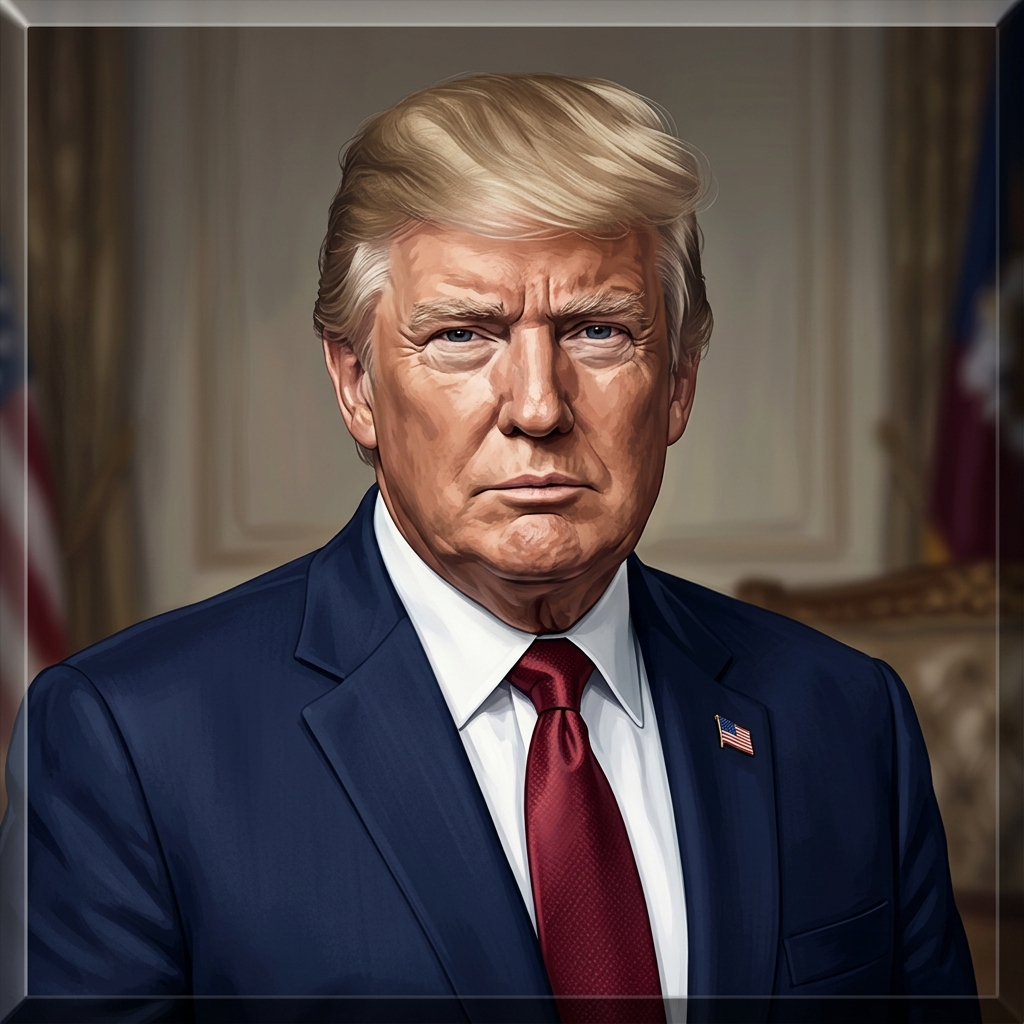
Mark Carney is the Prime Minister of Canada, who has taken office amid heightened tensions in the Canada–United States relationship.
Donald Trump is the President of the United States, whose administration has pursued an aggressive trade posture toward Canada, including tariffs that have strained bilateral ties.
The two leaders represent their respective countries in managing one of the world's largest bilateral trading relationships.
The conflict between Carney and Trump centers on a trade dispute in which Canada has scheduled retaliatory tariffs and both sides have blamed each other for torpedoing a tentative deal.
Carney has said the US "asked too much" and "offered too little," while Trump has publicly clashed with Carney as the trade war intensified.
The disagreement has also played out in personal exchanges, including Carney recounting a bizarre conversation with Trump about a gold key to the White House.
The stakes extend beyond tariffs, as Carney has sought to position Canada against what he characterizes as US bullying, while Trump has continued to pressure Canada economically.
The outcome of this dispute could reshape the Canada–US relationship and have broader implications for North American trade.
*AI-generated summary of publicly available data. This is not an official statement of any party.
*AI-generated summary of publicly available statements and reporting. This is not an official statement of this party.
Supporters of Mark Carney argue that deepening Canada-EU ties protects inherited democratic and cultural institutions from being subordinated to one neighbor’s shifting politics, preserving continuity over disruption.
Supporters of Mark Carney argue that Canada’s cultural ties to Europe—shared institutions, law, and tradition—make a “unique alliance” a natural extension of inherited bonds, preserving sovereignty against disruptive outside pressure.
Supporters of Mark Carney counter that sovereignty is preserved through alliances, not isolation, and that Canada's cultural ties span the Atlantic as much as the continent.
Supporters of Mark Carney argue that deepening Canada-EU ties is a lawful exercise of sovereign states' rights to form alliances, and that countering Trump's coercive tariffs through legal trade frameworks upholds fair rules over unilateral power.
Supporters of Mark Carney argue that diversifying alliances with Europe is a lawful exercise of Canadian sovereignty, and that no rule of international law obliges Canada to align its foreign policy with Washington's.
Supporters of Mark Carney counter that trade pacts are legally grounded in shared economic interests, not personal targeting, and that aligning with the EU reflects sovereign trade rights rather than any unlawful aim at a foreign leader.
Supporters of Mark Carney argue that pooling Canadian and EU leverage is the only credible counterweight to Trump's bilateral pressure, since neither side can extract concessions from Washington alone.
Supporters of Mark Carney argue that countering Trump requires leverage, not sentiment: by binding Canada to Europe's market and industrial base, Carney gains bargaining power and alternatives that make US pressure costlier.
Supporters of Mark Carney counter that Trump's leverage fades if Canada redirects energy and critical minerals to Europe, giving Carney alternatives that shrink US dependence and quietly erode Trump's waiting game.
Supporters of Mark Carney argue that moral leadership means refusing to let one president's coercion define Canada's future, so they back a Europe alliance to protect shared democratic values and sovereignty.
Supporters of Mark Carney argue that moral leadership means diversifying alliances rather than bowing to one dominant power, and they see a Canada-EU partnership as defending sovereignty and democratic values.
Supporters of Mark Carney counter that honoring climate and trade commitments to allies is itself the moral stance, not a dodge; they argue burden-sharing among willing partners beats unilateral US terms that shift costs onto the vulnerable.
Supporters of Mark Carney argue that Canada's ties with Europe rest on shared Christian heritage and rule-of-law traditions, and that strengthening those inherited bonds is a principled defense of ordered liberty against arbitrary power.
Supporters of Mark Carney argue that alliances, like covenants, should rest on shared values rather than one leader's will, and that Canada's ties with Europe honor a tradition of ordered, lawful partnership.
Supporters of Mark Carney counter that faith calls nations to stewardship beyond borders, and that Carney's alliances honor the moral order by serving the poor and creation across peoples.
*AI-generated summary of publicly available statements and reporting. This is not an official statement of this party.
Supporters of Donald Trump argue that his "America First" stance defends national sovereignty and cultural identity, and they view Carney's Europe pivot as a rejection of shared North American ties.
Supporters of Donald Trump argue that Carney's "unique alliance" with Europe threatens Canada's distinct national identity, trading its sovereign cultural ties with the US for a bloc that does not share Canada's heritage.
Supporters of Donald Trump counter that Canada-EU integration dilutes the distinct Anglo-American cultural inheritance and cross-border ties that have long defined Canada, trading rooted tradition for distant Brussels bureaucracy.
Supporters of Donald Trump argue that a Canada-EU alliance designed to counter a US president lacks legal grounding, since trade pacts cannot lawfully be aimed at another nation's leader.
Supporters of Donald Trump argue that bilateral trade pacts with the US, not new alliances, best serve Canada's legal and economic sovereignty.
Supporters of Donald Trump counter that Carney's trade frameworks still let foreign bodies bind Canadian law, and that only elected national governments—not supranational panels—hold legitimate authority over tariffs.
Supporters of Donald Trump argue that Carney's Europe pivot is leverage theater: Canada needs US markets more than the EU needs Canada, so Trump holds the stronger hand and can wait.
Supporters of Donald Trump argue that Carney's Europe pivot is theater: the US market dwarfs the EU's, so Canada needs Washington more than Brussels. Leverage, not alliances, decides outcomes.
Supporters of Donald Trump counter that pooled Canadian-EU leverage invites the same bilateral squeeze: Trump targets the weaker member first, forcing defection before the bloc can act.
Supporters of Donald Trump argue that Carney's Europe-first alliance is a moral dodge, letting Canada avoid hard bargaining and shifting environmental and trade burdens onto allies rather than confronting US terms directly.
Supporters of Donald Trump argue that Carney's Europe pivot sacrifices Canadian sovereignty and prosperity for symbolism, favoring unelected Brussels bureaucrats over a proven US partnership built on energy, trade, and shared security.
Supporters of Donald Trump counter that moral leadership means securing a nation's own borders and resources first, not surrendering sovereignty to distant European alliances that put global climate mandates above citizens' interests.
Supporters of Donald Trump argue that nations are ordained by divine providence to guard their own sovereignty, and that Carney's alliance with Europe defies the moral order of independent peoples under God.
Supporters of Donald Trump argue that nations are divinely ordered under God, not man-made alliances, and that Carney's Europe pact defies the sovereignty Scripture assigns to each people.
Supporters of Donald Trump counter that faith is not a heritage to preserve but a living obedience, and that Carney's "ordered liberty" language substitutes man's law for God's sovereignty.
AI-generated summary of publicly available statements and reporting. This is not an official statement of this party.
Supporters of Mark Carney argue that deepening Canada-EU ties protects inherited democratic and cultural institutions from being subordinated to one neighbor’s shifting politics, preserving continuity over disruption.
Supporters of Mark Carney argue that Canada’s cultural ties to Europe—shared institutions, law, and tradition—make a “unique alliance” a natural extension of inherited bonds, preserving sovereignty against disruptive outside pressure.
Supporters of Mark Carney counter that sovereignty is preserved through alliances, not isolation, and that Canada's cultural ties span the Atlantic as much as the continent.
Supporters of Mark Carney argue that deepening Canada-EU ties is a lawful exercise of sovereign states' rights to form alliances, and that countering Trump's coercive tariffs through legal trade frameworks upholds fair rules over unilateral power.
Supporters of Mark Carney argue that diversifying alliances with Europe is a lawful exercise of Canadian sovereignty, and that no rule of international law obliges Canada to align its foreign policy with Washington's.
Supporters of Mark Carney counter that trade pacts are legally grounded in shared economic interests, not personal targeting, and that aligning with the EU reflects sovereign trade rights rather than any unlawful aim at a foreign leader.
Supporters of Mark Carney argue that pooling Canadian and EU leverage is the only credible counterweight to Trump's bilateral pressure, since neither side can extract concessions from Washington alone.
Supporters of Mark Carney argue that countering Trump requires leverage, not sentiment: by binding Canada to Europe's market and industrial base, Carney gains bargaining power and alternatives that make US pressure costlier.
Supporters of Mark Carney counter that Trump's leverage fades if Canada redirects energy and critical minerals to Europe, giving Carney alternatives that shrink US dependence and quietly erode Trump's waiting game.
Supporters of Mark Carney argue that moral leadership means refusing to let one president's coercion define Canada's future, so they back a Europe alliance to protect shared democratic values and sovereignty.
Supporters of Mark Carney argue that moral leadership means diversifying alliances rather than bowing to one dominant power, and they see a Canada-EU partnership as defending sovereignty and democratic values.
Supporters of Mark Carney counter that honoring climate and trade commitments to allies is itself the moral stance, not a dodge; they argue burden-sharing among willing partners beats unilateral US terms that shift costs onto the vulnerable.
Supporters of Mark Carney argue that Canada's ties with Europe rest on shared Christian heritage and rule-of-law traditions, and that strengthening those inherited bonds is a principled defense of ordered liberty against arbitrary power.
Supporters of Mark Carney argue that alliances, like covenants, should rest on shared values rather than one leader's will, and that Canada's ties with Europe honor a tradition of ordered, lawful partnership.
Supporters of Mark Carney counter that faith calls nations to stewardship beyond borders, and that Carney's alliances honor the moral order by serving the poor and creation across peoples.
Supporters of Donald Trump argue that his "America First" stance defends national sovereignty and cultural identity, and they view Carney's Europe pivot as a rejection of shared North American ties.
Supporters of Donald Trump argue that Carney's "unique alliance" with Europe threatens Canada's distinct national identity, trading its sovereign cultural ties with the US for a bloc that does not share Canada's heritage.
Supporters of Donald Trump counter that Canada-EU integration dilutes the distinct Anglo-American cultural inheritance and cross-border ties that have long defined Canada, trading rooted tradition for distant Brussels bureaucracy.
Supporters of Donald Trump argue that a Canada-EU alliance designed to counter a US president lacks legal grounding, since trade pacts cannot lawfully be aimed at another nation's leader.
Supporters of Donald Trump argue that bilateral trade pacts with the US, not new alliances, best serve Canada's legal and economic sovereignty.
Supporters of Donald Trump counter that Carney's trade frameworks still let foreign bodies bind Canadian law, and that only elected national governments—not supranational panels—hold legitimate authority over tariffs.
Supporters of Donald Trump argue that Carney's Europe pivot is leverage theater: Canada needs US markets more than the EU needs Canada, so Trump holds the stronger hand and can wait.
Supporters of Donald Trump argue that Carney's Europe pivot is theater: the US market dwarfs the EU's, so Canada needs Washington more than Brussels. Leverage, not alliances, decides outcomes.
Supporters of Donald Trump counter that pooled Canadian-EU leverage invites the same bilateral squeeze: Trump targets the weaker member first, forcing defection before the bloc can act.
Supporters of Donald Trump argue that Carney's Europe-first alliance is a moral dodge, letting Canada avoid hard bargaining and shifting environmental and trade burdens onto allies rather than confronting US terms directly.
Supporters of Donald Trump argue that Carney's Europe pivot sacrifices Canadian sovereignty and prosperity for symbolism, favoring unelected Brussels bureaucrats over a proven US partnership built on energy, trade, and shared security.
Supporters of Donald Trump counter that moral leadership means securing a nation's own borders and resources first, not surrendering sovereignty to distant European alliances that put global climate mandates above citizens' interests.
Supporters of Donald Trump argue that nations are ordained by divine providence to guard their own sovereignty, and that Carney's alliance with Europe defies the moral order of independent peoples under God.
Supporters of Donald Trump argue that nations are divinely ordered under God, not man-made alliances, and that Carney's Europe pact defies the sovereignty Scripture assigns to each people.
Supporters of Donald Trump counter that faith is not a heritage to preserve but a living obedience, and that Carney's "ordered liberty" language substitutes man's law for God's sovereignty.
Canadian Prime Minister Mark Carney is known for standing up to US President Donald Trump. Now he wants to forge a "unique alliance" with Europe. But what could such a partnership look like?
President Trump and Prime Minister Mark Carney clashed as Canada scheduled retaliatory tariffs for Sept. 8 amid a tense trade war.
Both sides blamed last-minute changes for torpedoing a tentative trade deal, with Carney saying the US 'asked too much' and 'offered too little.'