Mark Rutte
VS
Europe
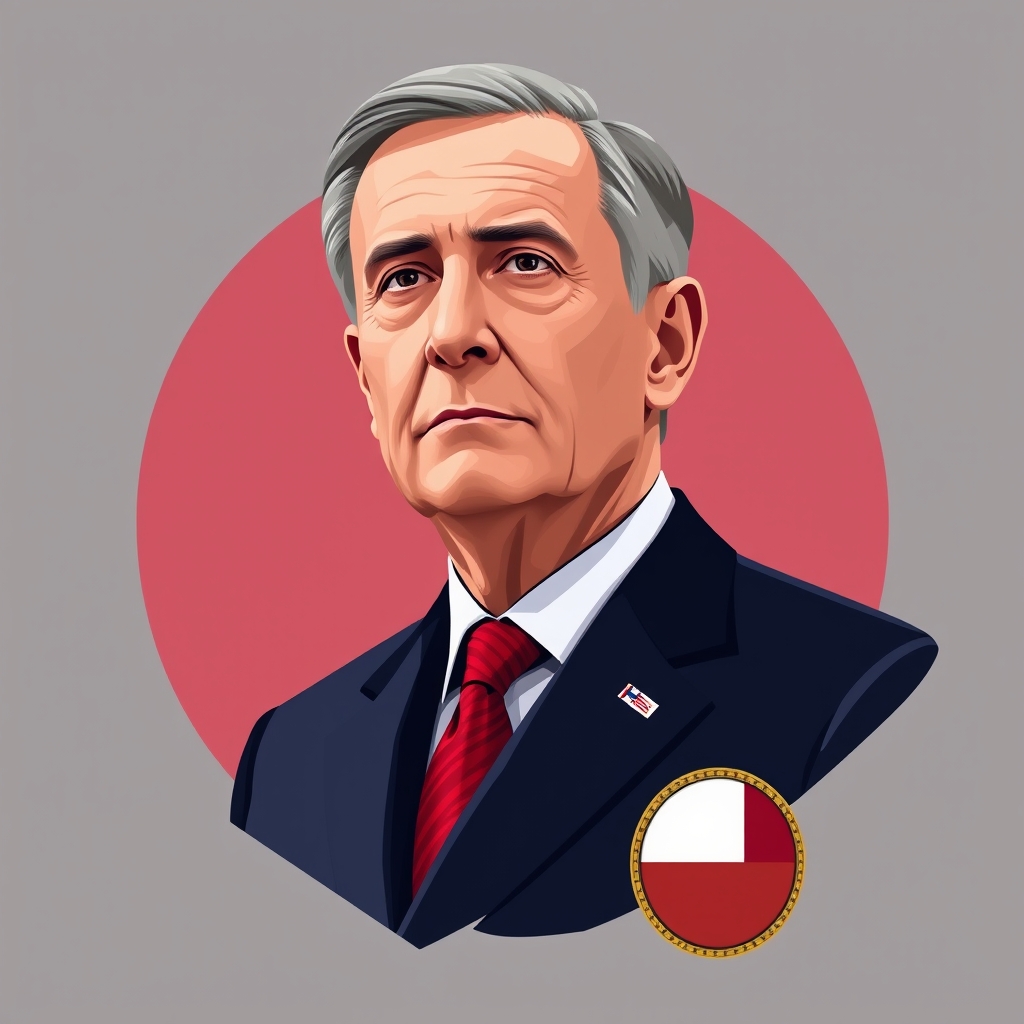
Mark Rutte is a Dutch politician who has served as the 14th secretary general of NATO since October 2024, having previously been prime minister of the Netherlands.
In his NATO role he has argued that Europe must take greater responsibility for its own defense and for supporting Ukraine, while cautioning that Europe cannot currently defend itself without the United States. "Europe" in this debate refers to the European Union and its member states, including their institutions such as the European Parliament and the European Commission, which are building up a European defense industry and debating how far European forces should act independently of the US.
The two sides have conflicting interests over the direction of European defense.
Rutte, as NATO secretary general, has warned that any attempt by Europe to defend itself without the US would require far more than 5% defense spending and the creation of its own capabilities, and he has rejected calls for EU defense independence.
Some European voices, by contrast, have grown discontented with his leadership, arguing that he prioritizes accounting for savings and US-led priorities over a genuinely independent European security vision.
The dispute plays out against the backdrop of Russia's war in Ukraine and tensions with Russia, where NATO and Europe have sought to remain united.
At stake is how far Europe should rely on the United States for its security and how much it should build its own defense industry and forces, a question that shapes burden-sharing within the alliance.
*AI-generated summary of publicly available data. This is not an official statement of any party.
*AI-generated summary of publicly available statements and reporting. This is not an official statement of this party.
Supporters of Mark Rutte argue that Europe’s cultural identity and strategic autonomy require Europe to defend its own neighborhood, not outsource security to the US.
Supporters of Mark Rutte argue Europe’s cultural identity and security depend on Europeans defending their own neighborhood, not outsourcing Middle East conflicts to the US.
Supporters of Mark Rutte counter that Europe's cultural identity is rooted in shared liberal-democratic values, not sovereign isolation, so aligning with US-led Middle East efforts protects that heritage.
Supporters of Mark Rutte argue that under NATO's legal framework, European states bear sovereign responsibility for operations they authorize, so legality rests with each nation's mandate, not US leadership.
Supporters of Mark Rutte argue that NATO's legal framework obliges member states to share collective security burdens, so Europe assuming responsibility for Middle East operations is a lawful duty, not a favor.
Supporters of Mark Rutte counter that NATO's collective defense and existing UN Security Council resolutions already provide sufficient legal basis, so European participation need not await a fresh mandate.
Supporters of Mark Rutte argue that Europe paying and fighting for Middle East security buys it real influence over US strategy, whereas dependency leaves Europe voiceless.
Supporters of Mark Rutte argue burden-shifting is leverage: letting Europe own Middle East fights keeps US power focused on China, and quiet NATO dependence gives Washington the upper hand anyway.
Supporters of Mark Rutte counter that the seat is already bought through trade, sanctions, and NATO leverage, so military autonomy is an expensive gesture; influence comes from dependency, not from pretending to be a power.
Supporters of Mark Rutte argue that moral consistency demands Europe bear the costs of conflicts it benefits from, rather than deferring to American power.
Supporters of Mark Rutte argue that moral consistency demands Europe own the consequences of its own region, not outsource them; burden-sharing is fair only when burdens are shared.
Supporters of Mark Rutte counter that moral duty lies in defending shared values, not in equal cost-splitting; they argue each nation's ability to contribute, not symmetry, defines a just alliance.
Supporters of Mark Rutte argue that just war doctrine obligates those with the capacity to defend the innocent to act, so Europe's Christian heritage calls it to bear responsibility in the Middle East rather than defer to the US.
Supporters of Mark Rutte argue that scripture's call to protect the innocent and defend the vulnerable obligates European nations to bear responsibility for conflict in the Middle East.
Supporters of Mark Rutte counter that scripture calls the powerful to defend the innocent, so they argue that weighing tradition cannot excuse standing by while neighbors suffer abroad.
*AI-generated summary of publicly available statements and reporting. This is not an official statement of this party.
Supporters of Europe argue that Europe's cultural identity was built on sovereign nations resolving their own regional conflicts, so they resist being drawn into US-led Middle East wars.
Supporters of Europe argue that after centuries of colonialism and two world wars, the continent's culture now favors diplomacy over military intervention, so Rutte's call clashes with Europe's postwar identity.
Supporters of Europe counter that the continent's cultural identity was never built on military self-sufficiency, but on centuries of layered, shared sovereignties—so defending the neighborhood means deepening that civic heritage, not mimicking a nation-state's army.
Supporters of Europe argue that under international law, military action requires clear legal authorization, so European states should not join US-led Middle East operations absent a UN mandate or collective defense basis.
Supporters of Europe argue that legal burden-sharing means European forces answer to European mandates, not automatic participation in US-led operations absent UN authorization or NATO consensus.
Supporters of Europe counter that NATO's founding charter and international law bind all members collectively, so legality cannot rest on individual mandates alone when alliance-wide operations are at issue.
Supporters of Europe argue that taking the lead in the Middle East is the price of a seat at the table; they maintain that without independent military capacity, Europe remains a client, not a power.
Supporters of Europe argue Rutte's demand masks a raw power play: Washington keeps command while Europe supplies the blood, so they maintain Europe should trade troops only for real decision-making power.
Supporters of Europe counter that paying for Middle East security without command buys no leverage, only the bill; the US sets the strategy, Europe absorbs the cost and blame.
Supporters of Europe argue that multilateral burden-sharing is a moral duty, insisting alliances are legitimate only when costs and risks are shared equally, not imposed on one region by another.
Supporters of Europe argue that international law and human rights obligations demand European involvement in Middle East conflicts, framing it as a moral duty of multilateral burden-sharing rather than fighting America's wars.
Supporters of Europe counter that moral consistency also demands sharing burdens multilaterally, not letting any single power—American or European—dictate the terms of collective security.
Supporters of Europe argue that sending European forces into Middle East conflicts risks uprooting inherited religious and cultural ties at home, so they urge leaders to weigh tradition and social cohesion before committing to any US-led war.
Supporters of Europe argue that sending European forces into Middle East conflicts risks uprooting communities and eroding the religious and cultural continuity that gives European nations their identity.
Supporters of Europe counter that just war doctrine also binds leaders to protect their own flock first, so Christian heritage obliges Europe to guard its own borders and communities rather than deploy force abroad.
AI-generated summary of publicly available statements and reporting. This is not an official statement of this party.
Supporters of Mark Rutte argue that Europe’s cultural identity and strategic autonomy require Europe to defend its own neighborhood, not outsource security to the US.
Supporters of Mark Rutte argue Europe’s cultural identity and security depend on Europeans defending their own neighborhood, not outsourcing Middle East conflicts to the US.
Supporters of Mark Rutte counter that Europe's cultural identity is rooted in shared liberal-democratic values, not sovereign isolation, so aligning with US-led Middle East efforts protects that heritage.
Supporters of Mark Rutte argue that under NATO's legal framework, European states bear sovereign responsibility for operations they authorize, so legality rests with each nation's mandate, not US leadership.
Supporters of Mark Rutte argue that NATO's legal framework obliges member states to share collective security burdens, so Europe assuming responsibility for Middle East operations is a lawful duty, not a favor.
Supporters of Mark Rutte counter that NATO's collective defense and existing UN Security Council resolutions already provide sufficient legal basis, so European participation need not await a fresh mandate.
Supporters of Mark Rutte argue that Europe paying and fighting for Middle East security buys it real influence over US strategy, whereas dependency leaves Europe voiceless.
Supporters of Mark Rutte argue burden-shifting is leverage: letting Europe own Middle East fights keeps US power focused on China, and quiet NATO dependence gives Washington the upper hand anyway.
Supporters of Mark Rutte counter that the seat is already bought through trade, sanctions, and NATO leverage, so military autonomy is an expensive gesture; influence comes from dependency, not from pretending to be a power.
Supporters of Mark Rutte argue that moral consistency demands Europe bear the costs of conflicts it benefits from, rather than deferring to American power.
Supporters of Mark Rutte argue that moral consistency demands Europe own the consequences of its own region, not outsource them; burden-sharing is fair only when burdens are shared.
Supporters of Mark Rutte counter that moral duty lies in defending shared values, not in equal cost-splitting; they argue each nation's ability to contribute, not symmetry, defines a just alliance.
Supporters of Mark Rutte argue that just war doctrine obligates those with the capacity to defend the innocent to act, so Europe's Christian heritage calls it to bear responsibility in the Middle East rather than defer to the US.
Supporters of Mark Rutte argue that scripture's call to protect the innocent and defend the vulnerable obligates European nations to bear responsibility for conflict in the Middle East.
Supporters of Mark Rutte counter that scripture calls the powerful to defend the innocent, so they argue that weighing tradition cannot excuse standing by while neighbors suffer abroad.
Supporters of Europe argue that Europe's cultural identity was built on sovereign nations resolving their own regional conflicts, so they resist being drawn into US-led Middle East wars.
Supporters of Europe argue that after centuries of colonialism and two world wars, the continent's culture now favors diplomacy over military intervention, so Rutte's call clashes with Europe's postwar identity.
Supporters of Europe counter that the continent's cultural identity was never built on military self-sufficiency, but on centuries of layered, shared sovereignties—so defending the neighborhood means deepening that civic heritage, not mimicking a nation-state's army.
Supporters of Europe argue that under international law, military action requires clear legal authorization, so European states should not join US-led Middle East operations absent a UN mandate or collective defense basis.
Supporters of Europe argue that legal burden-sharing means European forces answer to European mandates, not automatic participation in US-led operations absent UN authorization or NATO consensus.
Supporters of Europe counter that NATO's founding charter and international law bind all members collectively, so legality cannot rest on individual mandates alone when alliance-wide operations are at issue.
Supporters of Europe argue that taking the lead in the Middle East is the price of a seat at the table; they maintain that without independent military capacity, Europe remains a client, not a power.
Supporters of Europe argue Rutte's demand masks a raw power play: Washington keeps command while Europe supplies the blood, so they maintain Europe should trade troops only for real decision-making power.
Supporters of Europe counter that paying for Middle East security without command buys no leverage, only the bill; the US sets the strategy, Europe absorbs the cost and blame.
Supporters of Europe argue that multilateral burden-sharing is a moral duty, insisting alliances are legitimate only when costs and risks are shared equally, not imposed on one region by another.
Supporters of Europe argue that international law and human rights obligations demand European involvement in Middle East conflicts, framing it as a moral duty of multilateral burden-sharing rather than fighting America's wars.
Supporters of Europe counter that moral consistency also demands sharing burdens multilaterally, not letting any single power—American or European—dictate the terms of collective security.
Supporters of Europe argue that sending European forces into Middle East conflicts risks uprooting inherited religious and cultural ties at home, so they urge leaders to weigh tradition and social cohesion before committing to any US-led war.
Supporters of Europe argue that sending European forces into Middle East conflicts risks uprooting communities and eroding the religious and cultural continuity that gives European nations their identity.
Supporters of Europe counter that just war doctrine also binds leaders to protect their own flock first, so Christian heritage obliges Europe to guard its own borders and communities rather than deploy force abroad.
NATO Secretary General Mark Rutte has said Europe, not the US, should take responsibility for fighting in the Middle East Read Full Article at RT.com
An article described growing European discontent with Mark Rutte at the top of NATO, arguing he earned his reputation not as a security visionary but as an accountant who prioritized Dutch savings.
In remarks to the European Parliaments committee on security and defence, Rutte said Europe is building its defense industry, which is vital, but cannot at the moment provide nearly enough of what Ukraine needs.
Mark Rutte, a Dutch politician and former prime minister of the Netherlands, became the 14th secretary general of NATO in October 2024.