Mark Zuckerberg

VS
California wealth tax proponents
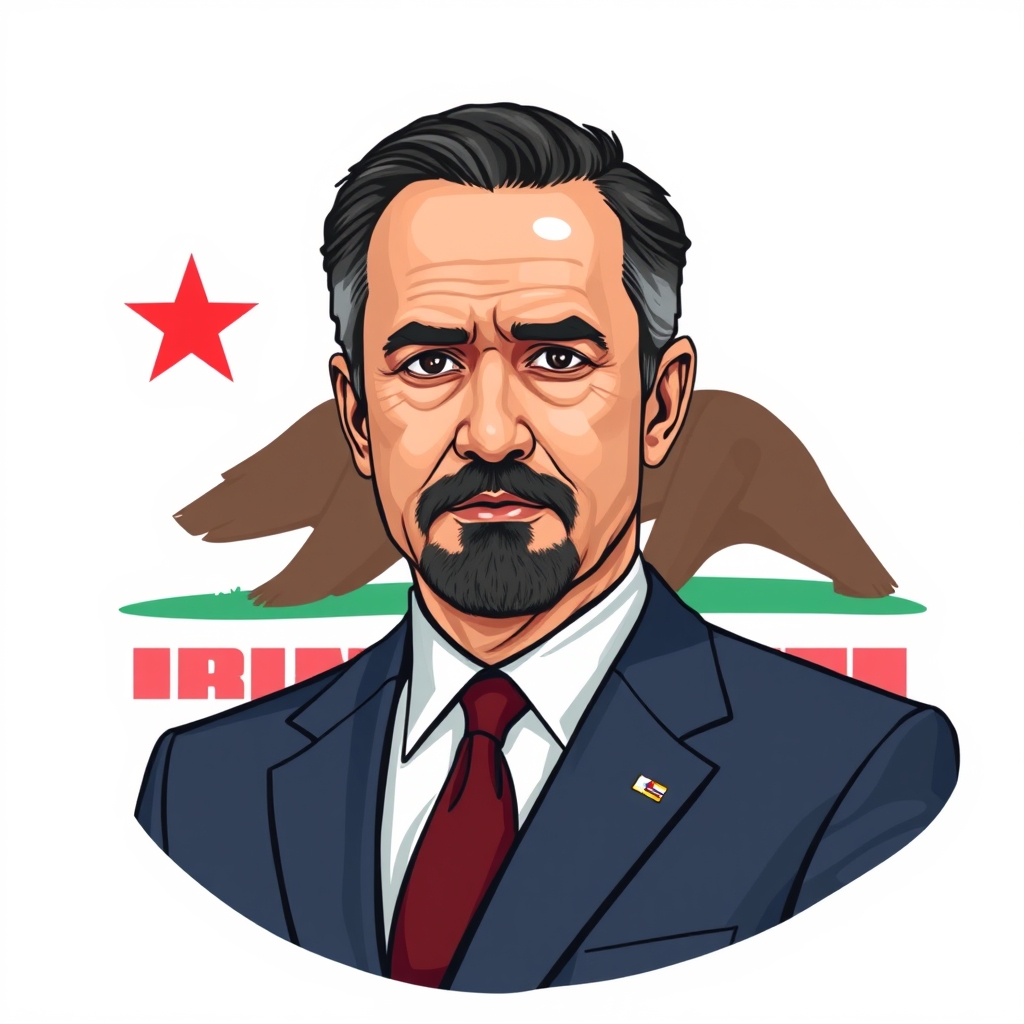
Meta CEO Mark Zuckerberg has reportedly secured a deal with Meta to help cover his potential liability under a proposed California billionaire wealth tax.
Zuckerberg had previously threatened to leave the state over the tax, which has not yet been enacted.
*AI-generated summary of publicly available data. This is not an official statement of any party.
*AI-generated summary of publicly available statements and reporting. This is not an official statement of this party.
Supporters of Mark Zuckerberg frame his exit threat as a cultural warning: they argue California’s tax climate has long driven founders and capital away, and point to the Meta deal as proof companies will adapt to protect local wealth.
Supporters of Mark Zuckerberg frame his exit threat and Meta's tax-cover deal as a cultural defense of founder autonomy, arguing that California's proposed wealth tax strains the state's tradition of attracting entrepreneurs rather than driving them out.
Supporters of Mark Zuckerberg counter that California's civic culture celebrates founders who built institutions from scratch, and they argue that treating wealth as an inherited debt reframes success as obligation rather than achievement.
Supporters of Mark Zuckerberg argue that a wealth tax on unrealized gains, proposed but not enacted, raises unresolved legal questions about state taxing power over residents who may exit before it takes effect.
Supporters of Mark Zuckerberg argue that a tax on unrealized wealth, not yet enacted, exceeds California's legal authority and that structuring his Meta compensation to cover potential liability is a lawful exercise of contract and corporate governance.
Supporters of Mark Zuckerberg counter that legislative intent alone cannot bind him where the enacted statute's text imposes no personal liability, so a lawful corporate transaction cannot be recast as circumvention.
Supporters of Mark Zuckerberg argue that his exit threat and Meta's tax-coverage deal are rational leverage: capital is mobile, so California must bargain rather than dictate, and the deal proves private power can negotiate terms before the tax even passes.
Supporters of Mark Zuckerberg argue that credible exit threats and a corporate backstop turn a proposed tax into a bargaining chip, showing leverage—not compliance—is what shapes terms before enactment.
Supporters of Mark Zuckerberg counter that Meta covering his liability is the tell: the tax shifted the bill to shareholders and the company, not the billionaire, so the exit threat still worked and the revenue came from others' pockets.
Supporters of Mark Zuckerberg argue that a wealth tax targeting those who can relocate is morally self-defeating, since capital and founders may exit rather than submit, leaving fewer resources for the public good.
Supporters of Mark Zuckerberg argue that a tax targeting one person's wealth is punitive and morally arbitrary, and they defend his deal with Meta as a fair way to protect himself from a levy enacted after his success.
Supporters of Mark Zuckerberg counter that the moral inconsistency runs the other way: a tax targeting wealth already taxed and tied to unrealized gains forces liquidation that burdens ordinary shareholders and employees, so the individual already bears the obligation.
Supporters of Mark Zuckerberg invoke religious liberty and conscience, arguing that forced wealth expropriation violates deeply held beliefs about stewardship and that California should honor the moral claims of private property and family inheritance.
Supporters of Mark Zuckerberg argue that his willingness to leave California rather than submit reflects a belief that communities and institutions, not punitive taxation, are what bind people to a place.
Supporters of Mark Zuckerberg counter that scripture also commands "thou shalt not steal" and honors lawful property, so religious appeals to charity cannot justify a coercive state levy.
*AI-generated summary of publicly available statements and reporting. This is not an official statement of this party.
Supporters of the California wealth tax argue that Zuckerberg's exit threat and Meta's tax-covering deal show why inherited civic obligation matters—that those who benefit from the state's institutions should contribute to them.
Supporters of the California wealth tax argue that Zuckerberg's exit threat and Meta's deal to cover his liability show wealthy elites placing private advantage above civic obligation, weakening the shared culture of contribution.
Supporters of the California wealth tax counter that California's culture of public investment—its schools and infrastructure—is itself what built the tech economy, so they challenge the claim that founders' exits reflect cultural decline rather than a defense of inherited advant.
Supporters of the California wealth tax argue the law targets Zuckerberg's wealth, not Meta, so a corporate deal shifting his personal liability to shareholders circumvents legislative intent.
Supporters of the California wealth tax argue the levy is lawful and Zuckerberg's exit threat or Meta's indemnity deal does not exempt him from a tax the legislature may validly impose.
Supporters of the California wealth tax counter that states already impose taxes on residents' income and property under settled law, and that exit-timing concerns are a drafting question for legislators, not a bar to taxing wealth accrued during residency.
Supporters of the California wealth tax argue that Zuckerberg's exit threat followed by Meta covering his liability proves the tax works: it extracts revenue from concentrated power without needing his consent.
Supporters of the California wealth tax argue that Zuckerberg's exit threat and Meta's liability deal prove the tax works: it forces billionaires to pay or publicly bargain, shifting leverage from executives to the state.
Supporters of the California wealth tax counter that the deal exposes the opposite: a targeted, pre-emptive concession to one billionaire invites every other billionaire to demand the same, so the state's leverage erodes with each bargain it strikes.
Supporters of the California wealth tax argue it is morally inconsistent for Zuckerberg to threaten exit yet have Meta shareholders absorb his personal tax liability, contending obligations should fall on the individual, not be shifted onto others.
Supporters of the California wealth tax contend that Zuckerberg's exit threat and Meta's deal to cover his liability reveal a moral double standard—one set of rules for billionaires, another for everyone else.
Supporters of California wealth tax proponents counter that a person's obligation to the community that enabled their fortune is moral, not contingent on staying; exit threats don't dissolve that duty.
Supporters of the California wealth tax frame the debate in moral terms, arguing that scripture's repeated call to care for the poor and the widow means great wealth carries a duty to the community.
Supporters of the California wealth tax frame the debate in moral terms, arguing that scripture's call to care for the poor and warnings about wealth's grip on the heart mean Zuckerberg's reported exit threat and Meta's liability deal raise questions of stewardship.
Wealth tax proponents counter that scripture's call to aid the poor and the tradition's teaching on the universal destination of goods frame stewardship as a duty to the common good, not a shield for private property.
AI-generated summary of publicly available statements and reporting. This is not an official statement of this party.
Supporters of Mark Zuckerberg frame his exit threat as a cultural warning: they argue California’s tax climate has long driven founders and capital away, and point to the Meta deal as proof companies will adapt to protect local wealth.
Supporters of Mark Zuckerberg frame his exit threat and Meta's tax-cover deal as a cultural defense of founder autonomy, arguing that California's proposed wealth tax strains the state's tradition of attracting entrepreneurs rather than driving them out.
Supporters of Mark Zuckerberg counter that California's civic culture celebrates founders who built institutions from scratch, and they argue that treating wealth as an inherited debt reframes success as obligation rather than achievement.
Supporters of Mark Zuckerberg argue that a wealth tax on unrealized gains, proposed but not enacted, raises unresolved legal questions about state taxing power over residents who may exit before it takes effect.
Supporters of Mark Zuckerberg argue that a tax on unrealized wealth, not yet enacted, exceeds California's legal authority and that structuring his Meta compensation to cover potential liability is a lawful exercise of contract and corporate governance.
Supporters of Mark Zuckerberg counter that legislative intent alone cannot bind him where the enacted statute's text imposes no personal liability, so a lawful corporate transaction cannot be recast as circumvention.
Supporters of Mark Zuckerberg argue that his exit threat and Meta's tax-coverage deal are rational leverage: capital is mobile, so California must bargain rather than dictate, and the deal proves private power can negotiate terms before the tax even passes.
Supporters of Mark Zuckerberg argue that credible exit threats and a corporate backstop turn a proposed tax into a bargaining chip, showing leverage—not compliance—is what shapes terms before enactment.
Supporters of Mark Zuckerberg counter that Meta covering his liability is the tell: the tax shifted the bill to shareholders and the company, not the billionaire, so the exit threat still worked and the revenue came from others' pockets.
Supporters of Mark Zuckerberg argue that a wealth tax targeting those who can relocate is morally self-defeating, since capital and founders may exit rather than submit, leaving fewer resources for the public good.
Supporters of Mark Zuckerberg argue that a tax targeting one person's wealth is punitive and morally arbitrary, and they defend his deal with Meta as a fair way to protect himself from a levy enacted after his success.
Supporters of Mark Zuckerberg counter that the moral inconsistency runs the other way: a tax targeting wealth already taxed and tied to unrealized gains forces liquidation that burdens ordinary shareholders and employees, so the individual already bears the obligation.
Supporters of Mark Zuckerberg invoke religious liberty and conscience, arguing that forced wealth expropriation violates deeply held beliefs about stewardship and that California should honor the moral claims of private property and family inheritance.
Supporters of Mark Zuckerberg argue that his willingness to leave California rather than submit reflects a belief that communities and institutions, not punitive taxation, are what bind people to a place.
Supporters of Mark Zuckerberg counter that scripture also commands "thou shalt not steal" and honors lawful property, so religious appeals to charity cannot justify a coercive state levy.
Supporters of the California wealth tax argue that Zuckerberg's exit threat and Meta's tax-covering deal show why inherited civic obligation matters—that those who benefit from the state's institutions should contribute to them.
Supporters of the California wealth tax argue that Zuckerberg's exit threat and Meta's deal to cover his liability show wealthy elites placing private advantage above civic obligation, weakening the shared culture of contribution.
Supporters of the California wealth tax counter that California's culture of public investment—its schools and infrastructure—is itself what built the tech economy, so they challenge the claim that founders' exits reflect cultural decline rather than a defense of inherited advant.
Supporters of the California wealth tax argue the law targets Zuckerberg's wealth, not Meta, so a corporate deal shifting his personal liability to shareholders circumvents legislative intent.
Supporters of the California wealth tax argue the levy is lawful and Zuckerberg's exit threat or Meta's indemnity deal does not exempt him from a tax the legislature may validly impose.
Supporters of the California wealth tax counter that states already impose taxes on residents' income and property under settled law, and that exit-timing concerns are a drafting question for legislators, not a bar to taxing wealth accrued during residency.
Supporters of the California wealth tax argue that Zuckerberg's exit threat followed by Meta covering his liability proves the tax works: it extracts revenue from concentrated power without needing his consent.
Supporters of the California wealth tax argue that Zuckerberg's exit threat and Meta's liability deal prove the tax works: it forces billionaires to pay or publicly bargain, shifting leverage from executives to the state.
Supporters of the California wealth tax counter that the deal exposes the opposite: a targeted, pre-emptive concession to one billionaire invites every other billionaire to demand the same, so the state's leverage erodes with each bargain it strikes.
Supporters of the California wealth tax argue it is morally inconsistent for Zuckerberg to threaten exit yet have Meta shareholders absorb his personal tax liability, contending obligations should fall on the individual, not be shifted onto others.
Supporters of the California wealth tax contend that Zuckerberg's exit threat and Meta's deal to cover his liability reveal a moral double standard—one set of rules for billionaires, another for everyone else.
Supporters of California wealth tax proponents counter that a person's obligation to the community that enabled their fortune is moral, not contingent on staying; exit threats don't dissolve that duty.
Supporters of the California wealth tax frame the debate in moral terms, arguing that scripture's repeated call to care for the poor and the widow means great wealth carries a duty to the community.
Supporters of the California wealth tax frame the debate in moral terms, arguing that scripture's call to care for the poor and warnings about wealth's grip on the heart mean Zuckerberg's reported exit threat and Meta's liability deal raise questions of stewardship.
Wealth tax proponents counter that scripture's call to aid the poor and the tradition's teaching on the universal destination of goods frame stewardship as a duty to the common good, not a shield for private property.
Mark Zuckerberg said he would exit California in response to a proposed wealth tax that has not yet come into force.
Meta reportedly reached a deal to help foot the bill for Zuckerberg's possible California billionaire tax liability.