Markus Söder
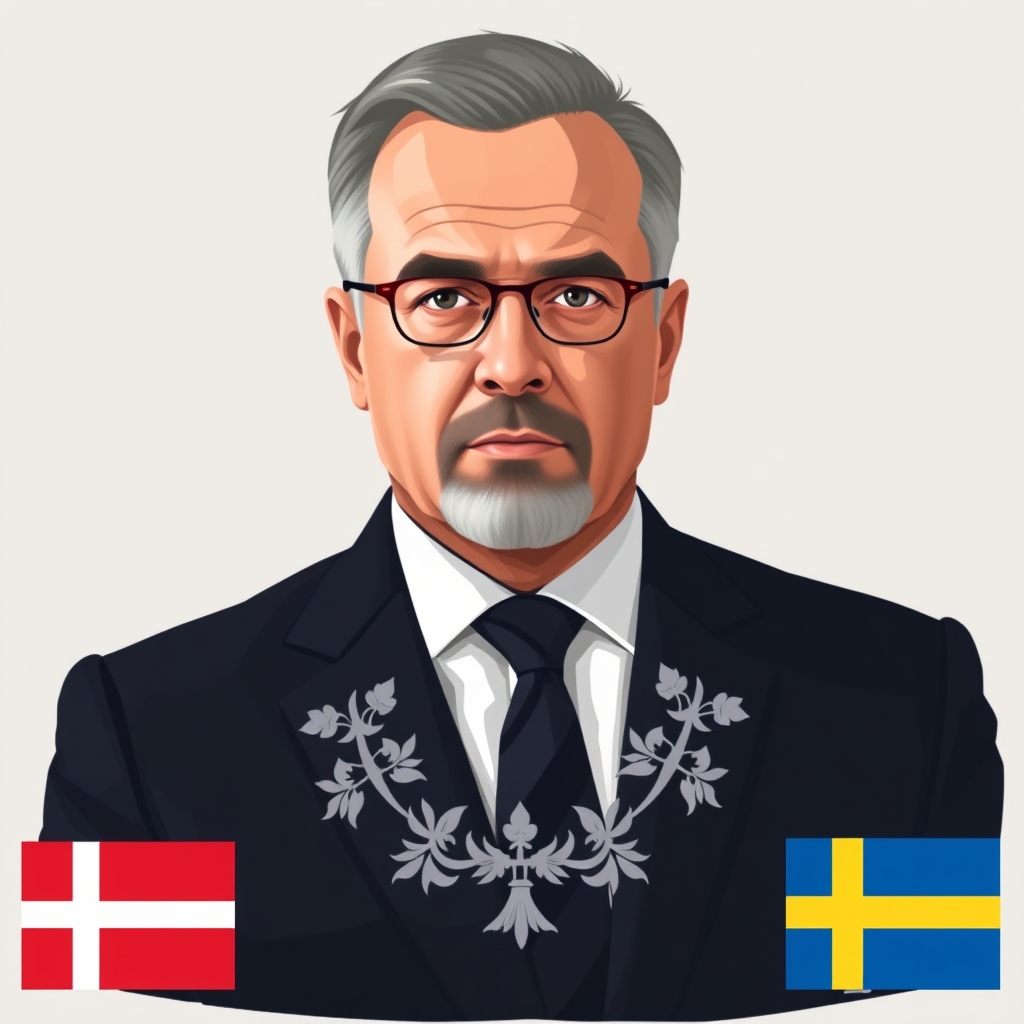
VS
CDU members who voted for AfD

Bavaria's conservative leader Markus Söder has called on members of the CDU/CSU bloc who voted for an AfD parliamentary speaker in Saxony-Anhalt to come forward.
The demand highlights internal tensions within the conservative bloc over cooperation with the far-right AfD.
*AI-generated summary of publicly available data. This is not an official statement of any party.
*AI-generated summary of publicly available statements and reporting. This is not an official statement of this party.
Supporters of Markus Söder argue that conservative identity depends on a clear boundary against the AfD, so those who voted for its speaker must publicly account for crossing it.
Supporters of Markus Söder argue that conservative identity depends on clear boundaries, so bloc members who voted with the AfD in Saxony-Anhalt must publicly name themselves rather than blur the movement's cultural line.
Supporters of Markus Söder counter that a shared German cultural identity and national party discipline outweigh regional sentiment, arguing that local traditions cannot justify cooperation with a party the CDU has ruled out working with.
Supporters of Markus Söder argue that bloc members who voted for an AfD speaker must be identified, since party discipline and the firewall against the far right are binding rules that only transparency can enforce.
Supporters of Markus Söder argue that bloc members who voted for an AfD speaker must be identified, maintaining that party discipline and the firewall against the far right are binding rules, not personal choices.
Supporters of Markus Söder counter that the legal question is settled elsewhere: the CDU's own party and parliamentary rules bind members to faction discipline, and a secret ballot does not shield a vote that breaches those internal legal obligations.
Supporters of Markus Söder argue the demand to name names is a loyalty test: letting silent AfD collaborators hide erodes CSU leverage over the bloc's line, so exposure is the cheaper price than drift.
Söder's supporters argue that forcing the CDU/AfD voters into the open is a power play: it exposes rivals, restores discipline, and lets him claim the party's anti-AfD line without firing a shot.
Supporters of Markus Söder counter that quiet deals let rivals wield the leverage, while public self-reporting forces the CDU to own the breach first—denying AfD the narrative and keeping discipline in Söder's hands.
Supporters of Markus Söder argue that conservative lawmakers owe voters moral clarity: any who quietly relied on AfD votes to win office must publicly name themselves, since hidden cooperation betrays the bloc's stated principles.
Supporters of Markus Söder argue that conservative lawmakers owe voters moral accountability, so those who quietly backed an AfD speaker must publicly reveal themselves rather than hide behind a secret ballot.
Supporters of Markus Söder counter that a vote is a public trust, not a private act; they argue that representatives owe their electorate honesty about the alliances they enable, and that secrecy shields betrayal of that moral duty.
Supporters of Markus Söder argue that honesty before God and party requires CDU members who backed the AfD speaker to confess openly, since hidden votes betray the trust of the faithful.
Supporters of Markus Söder argue that honesty before God demands CDU members who voted with AfD confess openly, since scripture teaches that hidden deeds will be brought to light.
Supporters of Markus Söder counter that a Christian heritage is dishonored by allying with a party whose leaders courts neo-pagan and völkisch currents, and that Scripture warns against yoking light to darkness for political gain.
*AI-generated summary of publicly available statements and reporting. This is not an official statement of this party.
Supporters of the CDU members who voted for the AfD speaker argue that local party traditions and voter sentiment in Saxony-Anhalt should guide representatives, not directives from Bavaria's leadership.
Supporters of the CDU members who voted for the AfD speaker argue that local party traditions and voter sentiment in Saxony-Anhalt carry more weight than directives from Bavaria's leadership.
Supporters of the CDU members who voted for AfD counter that conservative identity grew from voters' lived concerns, not a party line, and that excluding them erodes the cultural continuity Söder claims to defend.
Supporters of the CDU members who voted for the AfD speaker argue that a secret parliamentary ballot is a lawful exercise of individual conscience, and no member can be compelled to disclose a vote.
Supporters of the CDU members who voted for the AfD speaker argue that a secret parliamentary ballot is a lawful exercise of individual conscience that no party leader can compel members to disclose.
Supporters of the CDU members who voted with AfD counter that a secret ballot is a legally protected exercise of the individual mandate, so no rule obliges them to disclose it.
Supporters of the CDU members who backed the AfD speaker argue that Söder's demand for self-reporting is a power play, not principle: in their view, regional pragmatists gain leverage by quiet deals, while public confession only hands rivals a weapon.
Supporters of the CDU members who backed the AfD speaker argue that Söder's demand for self-exposure is tactical positioning, not principle; they maintain that public confession only hands rivals a weapon while costing them local leverage.
Supporters of the CDU members who voted for AfD counter that naming names hands Söder the weapon, not the win: public exposure lets him purge rivals while the bloc loses leverage it could quietly trade.
Supporters of the CDU members who voted for AfD maintain that a secret ballot is a matter of individual conscience, and pressuring members to reveal their votes violates the autonomy and privacy that democratic representation morally requires.
Supporters of the CDU members who voted for the AfD argue that voters, not party leaders, confer legitimacy, so an autonomous ballot cast in Saxony-Anhalt reflects local judgment rather than a moral failing.
Supporters of the CDU members who voted for AfD counter that a voter's ballot is a private act of conscience, and no lawmaker owes the party a public confession for representing the constituents who elected them.
Supporters of the CDU members who voted for AfD maintain that defending Saxony-Anhalt's Christian heritage against secular parties requires pragmatic alliances, and that Söder's demand ignores the religious convictions of local voters.
Supporters of the CDU members who voted for AfD in Saxony-Anhalt invoke the Christian duty of neighborly respect, arguing that honoring a duly chosen speaker upholds God-given order over party discipline.
Supporters of the CDU members who voted for AfD counter that the confessional seal and the privacy of the ballot belong to the same sacred trust, and that a vote cast in conscience before God needs no human disclosure.
AI-generated summary of publicly available statements and reporting. This is not an official statement of this party.
Supporters of Markus Söder argue that conservative identity depends on a clear boundary against the AfD, so those who voted for its speaker must publicly account for crossing it.
Supporters of Markus Söder argue that conservative identity depends on clear boundaries, so bloc members who voted with the AfD in Saxony-Anhalt must publicly name themselves rather than blur the movement's cultural line.
Supporters of Markus Söder counter that a shared German cultural identity and national party discipline outweigh regional sentiment, arguing that local traditions cannot justify cooperation with a party the CDU has ruled out working with.
Supporters of Markus Söder argue that bloc members who voted for an AfD speaker must be identified, since party discipline and the firewall against the far right are binding rules that only transparency can enforce.
Supporters of Markus Söder argue that bloc members who voted for an AfD speaker must be identified, maintaining that party discipline and the firewall against the far right are binding rules, not personal choices.
Supporters of Markus Söder counter that the legal question is settled elsewhere: the CDU's own party and parliamentary rules bind members to faction discipline, and a secret ballot does not shield a vote that breaches those internal legal obligations.
Supporters of Markus Söder argue the demand to name names is a loyalty test: letting silent AfD collaborators hide erodes CSU leverage over the bloc's line, so exposure is the cheaper price than drift.
Söder's supporters argue that forcing the CDU/AfD voters into the open is a power play: it exposes rivals, restores discipline, and lets him claim the party's anti-AfD line without firing a shot.
Supporters of Markus Söder counter that quiet deals let rivals wield the leverage, while public self-reporting forces the CDU to own the breach first—denying AfD the narrative and keeping discipline in Söder's hands.
Supporters of Markus Söder argue that conservative lawmakers owe voters moral clarity: any who quietly relied on AfD votes to win office must publicly name themselves, since hidden cooperation betrays the bloc's stated principles.
Supporters of Markus Söder argue that conservative lawmakers owe voters moral accountability, so those who quietly backed an AfD speaker must publicly reveal themselves rather than hide behind a secret ballot.
Supporters of Markus Söder counter that a vote is a public trust, not a private act; they argue that representatives owe their electorate honesty about the alliances they enable, and that secrecy shields betrayal of that moral duty.
Supporters of Markus Söder argue that honesty before God and party requires CDU members who backed the AfD speaker to confess openly, since hidden votes betray the trust of the faithful.
Supporters of Markus Söder argue that honesty before God demands CDU members who voted with AfD confess openly, since scripture teaches that hidden deeds will be brought to light.
Supporters of Markus Söder counter that a Christian heritage is dishonored by allying with a party whose leaders courts neo-pagan and völkisch currents, and that Scripture warns against yoking light to darkness for political gain.
Supporters of the CDU members who voted for the AfD speaker argue that local party traditions and voter sentiment in Saxony-Anhalt should guide representatives, not directives from Bavaria's leadership.
Supporters of the CDU members who voted for the AfD speaker argue that local party traditions and voter sentiment in Saxony-Anhalt carry more weight than directives from Bavaria's leadership.
Supporters of the CDU members who voted for AfD counter that conservative identity grew from voters' lived concerns, not a party line, and that excluding them erodes the cultural continuity Söder claims to defend.
Supporters of the CDU members who voted for the AfD speaker argue that a secret parliamentary ballot is a lawful exercise of individual conscience, and no member can be compelled to disclose a vote.
Supporters of the CDU members who voted for the AfD speaker argue that a secret parliamentary ballot is a lawful exercise of individual conscience that no party leader can compel members to disclose.
Supporters of the CDU members who voted with AfD counter that a secret ballot is a legally protected exercise of the individual mandate, so no rule obliges them to disclose it.
Supporters of the CDU members who backed the AfD speaker argue that Söder's demand for self-reporting is a power play, not principle: in their view, regional pragmatists gain leverage by quiet deals, while public confession only hands rivals a weapon.
Supporters of the CDU members who backed the AfD speaker argue that Söder's demand for self-exposure is tactical positioning, not principle; they maintain that public confession only hands rivals a weapon while costing them local leverage.
Supporters of the CDU members who voted for AfD counter that naming names hands Söder the weapon, not the win: public exposure lets him purge rivals while the bloc loses leverage it could quietly trade.
Supporters of the CDU members who voted for AfD maintain that a secret ballot is a matter of individual conscience, and pressuring members to reveal their votes violates the autonomy and privacy that democratic representation morally requires.
Supporters of the CDU members who voted for the AfD argue that voters, not party leaders, confer legitimacy, so an autonomous ballot cast in Saxony-Anhalt reflects local judgment rather than a moral failing.
Supporters of the CDU members who voted for AfD counter that a voter's ballot is a private act of conscience, and no lawmaker owes the party a public confession for representing the constituents who elected them.
Supporters of the CDU members who voted for AfD maintain that defending Saxony-Anhalt's Christian heritage against secular parties requires pragmatic alliances, and that Söder's demand ignores the religious convictions of local voters.
Supporters of the CDU members who voted for AfD in Saxony-Anhalt invoke the Christian duty of neighborly respect, arguing that honoring a duly chosen speaker upholds God-given order over party discipline.
Supporters of the CDU members who voted for AfD counter that the confessional seal and the privacy of the ballot belong to the same sacred trust, and that a vote cast in conscience before God needs no human disclosure.
Bavaria's conservative leader has called on bloc members who voted for an AfD parliamentary speaker to come forward. DW has more.