Anti-migrant protesters
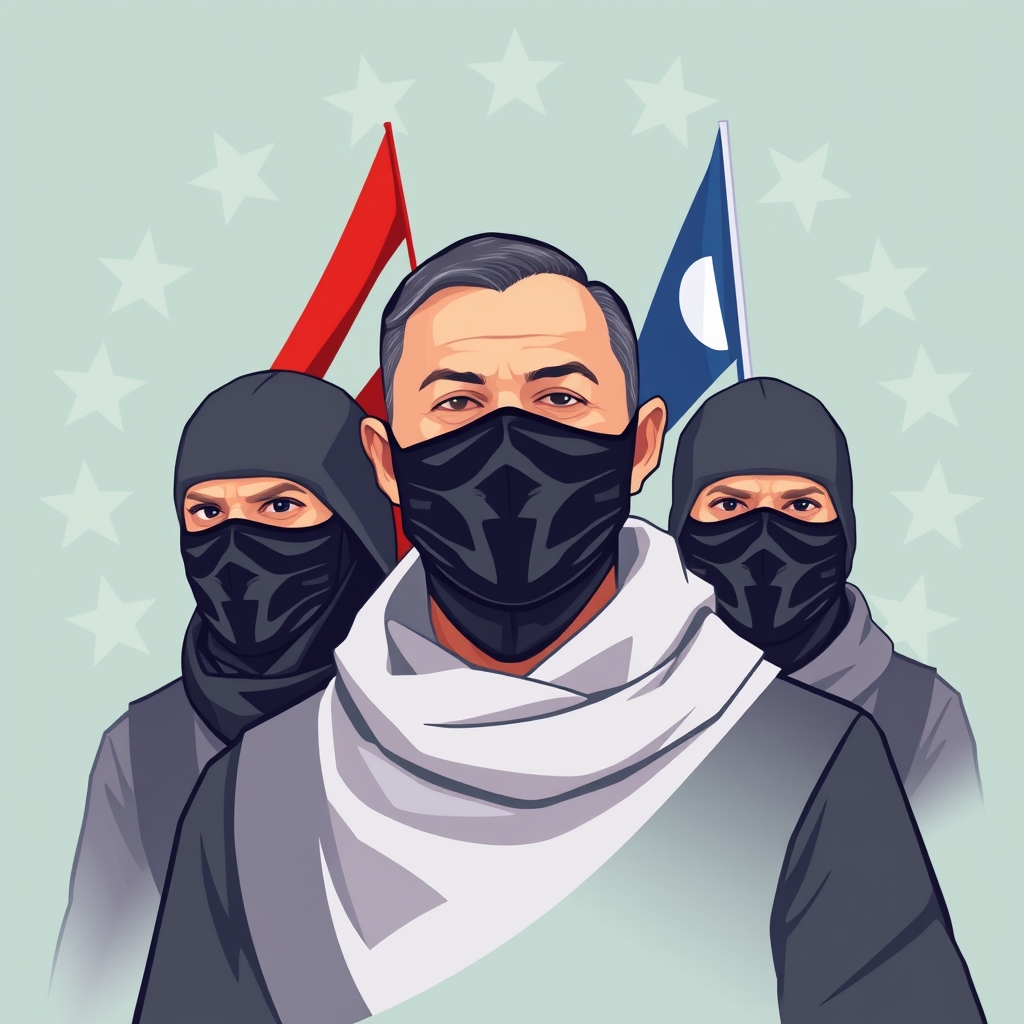
VS
Pro-migrant advocates
?
No actors in this side.
No actors in this side.
Anti-migrant protesters and pro-migrant advocates are two groups with opposing views on immigration policy.
Anti-migrant protesters, as seen in the Dover incident, oppose migrant crossings and use public demonstrations to voice their concerns.
Pro-migrant advocates support the rights and well-being of migrants and often criticize such protests as harmful or xenophobic.
The conflict arises from their fundamental disagreement over immigration: anti-migrant protesters seek stricter border controls and an end to migrant arrivals, while pro-migrant advocates push for more welcoming policies and protections for migrants.
This clash is heightened by the use of masks during protests, which raises issues of anonymity, solidarity, and legal regulation.
Mask bans, debated by privacy advocates and law enforcement, add another layer of complexity, as masks can both protect protesters' identities and enable disruptive actions, as seen in the Dover blockade.
*AI-generated summary of publicly available data. This is not an official statement of any party.
*AI-generated summary of publicly available statements and reporting. This is not an official statement of this party.
Supporters of the anti-migrant protesters argue that such public actions voice cultural anxieties over rapid demographic change, defending established communal norms and border integrity.
Supporters of the anti-migrant protesters argue their Dover action defends cultural continuity against unchecked demographic change, valuing inherited communal stability over disruptive arrivals.
Supporters of the anti-migrant protesters counter that the Dover action defends cultural continuity, not exclusion, viewing national identity as a shared inheritance that migration policy must respect.
Supporters of the anti-migrant protesters argue English law backs their right to lawful assembly, and blocking traffic is protected protest, not crime, absent violence or damage.
Supporters of Anti-migrant protesters argue the Dover blockade, though disruptive, was lawful civil protest under UK public assembly rights, targeting government inaction on illegal crossings.
Supporters of Anti-migrant protesters counter that the Dover blockade is lawful civil disobedience against government inaction, arguing that legal protest, even disruptive, remains protected speech under public assembly rights.
Supporters of the anti-migrant protesters argue the Dover blockade was raw leverage, not chaos: disruption is the only currency Westminster respects, forcing the ferry port's economic chokehold to outweigh elite indifference on crossings.
Supporters of the anti-migrant protesters maintain that Dover's blockade was raw leverage, not chaos—disruption being the only currency politicians respect when Westminster ignores public pressure on crossings.
Supporters of anti-migrant protesters counter that the Dover blockade was a calculated show of force, not a plea for attention—disruption that forced elites to weigh the cost of ignoring public will against the price of suppressing it.
Supporters of the anti-migrant protesters argue that their Dover blockade is a moral stand to enforce national sovereignty, viewing unchecked crossings as an injustice that history shows breeds social fracture.
Supporters of the anti-migrant protesters argue that blocking Dover’s terminal is a moral duty to defend national borders, citing historical precedent that unchecked crossings erode public trust and social cohesion.
Supporters of anti-migrant protesters counter that moral duty flows first to one’s own community, and masking shields citizens from retaliation while defending local safety against unchecked influx, a historic pattern of self-preservation over abstract universalism.
Supporters of the anti-migrant protesters argue that protecting national borders reflects a divine mandate for order and stewardship, citing scripture on lawful governance.
Supporters of the anti-migrant protesters argue that civil disobedience at Dover reflects a moral duty to uphold national borders, which they view as ordained by divine law for societal order.
Supporters of Anti-migrant protesters counter that divine law also commands order and protection of one's own community, citing scripture that warns against unchecked influx as a threat to national and spiritual integrity.
*AI-generated summary of publicly available statements and reporting. This is not an official statement of this party.
Pro-migrant advocates argue the Dover protest reveals a cultural politics of exclusion, where national identity is weaponized against human mobility.
Pro-migrant advocates argue that Dover's masked protesters misdirect public anger, framing migrants as cultural threats when their arrival enriches Britain's pluralistic identity.
Supporters of Pro-migrant advocates counter that cultural anxieties do not justify masking communal hostility, as demographic change enriches, rather than erodes, shared societal norms.
Supporters of Pro-migrant advocates argue that the Dover blockade, blocking a legal port, violates public order laws and disrupts lawful commerce, framing protest tactics as a legal overreach.
Supporters of Pro-migrant advocates argue that masked demonstrators blocking Dover traffic violate UK public-order law by disrupting transport without lawful authority.
Pro-migrant advocates counter that English law prioritizes public order and safety, citing the Public Order Act 1986, which allows police to impose conditions on assemblies when traffic disruption risks serious harm to the community.
Pro-migrant advocates argue the Dover blockade exposes power, not policy: protesters weaponized spectacle to force immigration onto the national agenda, betting disruption outweighs public backlash.
Pro-migrant advocates argue the Dover blockade exposes performative outrage: masked actors gain media power by disrupting trade, not by changing policy, while the state quietly profits from the spectacle.
Pro-migrant advocates counter that the Dover blockade exposed leverage’s true cost: it hands the government a pretext for harsher enforcement, while migrant deaths at sea rise unseen. Disruption here merely shifts power to border hawks, not to the voiceless.
Pro-migrant advocates argue that masking and blocking Dover targets vulnerable asylum seekers, not policy, and that such intimidation violates the moral duty to treat every person with dignity.
Supporters of Pro-migrant advocates argue that blocking Dover traffic endangers lives and diverts attention from humane policy, insisting that moral duty requires protecting vulnerable asylum seekers over performative disruption.
Pro-migrant advocates counter that a blockade weaponizes fear, not principle, and that sovereignty rings hollow when it abandons the duty to protect the vulnerable, a moral failure history condemns far more sharply than open borders.
Supporters of Pro-migrant advocates argue that every person bears divine dignity, citing scripture that commands compassion for the stranger, and see blocked ports as a rejection of sacred duty to shelter the vulnerable.
Supporters of Pro-migrant advocates argue that the Dover blockade betrays a sacred duty to the stranger, as scripture commands shelter for the sojourner, not scorn for the desperate.
Supporters of pro-migrant advocates counter that scripture equally commands compassion for the stranger, citing Leviticus on loving the foreigner, and that divine mandate calls for mercy over rigid border enforcement.
AI-generated summary of publicly available statements and reporting. This is not an official statement of this party.
Supporters of the anti-migrant protesters argue that such public actions voice cultural anxieties over rapid demographic change, defending established communal norms and border integrity.
Supporters of the anti-migrant protesters argue their Dover action defends cultural continuity against unchecked demographic change, valuing inherited communal stability over disruptive arrivals.
Supporters of the anti-migrant protesters counter that the Dover action defends cultural continuity, not exclusion, viewing national identity as a shared inheritance that migration policy must respect.
Supporters of the anti-migrant protesters argue English law backs their right to lawful assembly, and blocking traffic is protected protest, not crime, absent violence or damage.
Supporters of Anti-migrant protesters argue the Dover blockade, though disruptive, was lawful civil protest under UK public assembly rights, targeting government inaction on illegal crossings.
Supporters of Anti-migrant protesters counter that the Dover blockade is lawful civil disobedience against government inaction, arguing that legal protest, even disruptive, remains protected speech under public assembly rights.
Supporters of the anti-migrant protesters argue the Dover blockade was raw leverage, not chaos: disruption is the only currency Westminster respects, forcing the ferry port's economic chokehold to outweigh elite indifference on crossings.
Supporters of the anti-migrant protesters maintain that Dover's blockade was raw leverage, not chaos—disruption being the only currency politicians respect when Westminster ignores public pressure on crossings.
Supporters of anti-migrant protesters counter that the Dover blockade was a calculated show of force, not a plea for attention—disruption that forced elites to weigh the cost of ignoring public will against the price of suppressing it.
Supporters of the anti-migrant protesters argue that their Dover blockade is a moral stand to enforce national sovereignty, viewing unchecked crossings as an injustice that history shows breeds social fracture.
Supporters of the anti-migrant protesters argue that blocking Dover’s terminal is a moral duty to defend national borders, citing historical precedent that unchecked crossings erode public trust and social cohesion.
Supporters of anti-migrant protesters counter that moral duty flows first to one’s own community, and masking shields citizens from retaliation while defending local safety against unchecked influx, a historic pattern of self-preservation over abstract universalism.
Supporters of the anti-migrant protesters argue that protecting national borders reflects a divine mandate for order and stewardship, citing scripture on lawful governance.
Supporters of the anti-migrant protesters argue that civil disobedience at Dover reflects a moral duty to uphold national borders, which they view as ordained by divine law for societal order.
Supporters of Anti-migrant protesters counter that divine law also commands order and protection of one's own community, citing scripture that warns against unchecked influx as a threat to national and spiritual integrity.
Pro-migrant advocates argue the Dover protest reveals a cultural politics of exclusion, where national identity is weaponized against human mobility.
Pro-migrant advocates argue that Dover's masked protesters misdirect public anger, framing migrants as cultural threats when their arrival enriches Britain's pluralistic identity.
Supporters of Pro-migrant advocates counter that cultural anxieties do not justify masking communal hostility, as demographic change enriches, rather than erodes, shared societal norms.
Supporters of Pro-migrant advocates argue that the Dover blockade, blocking a legal port, violates public order laws and disrupts lawful commerce, framing protest tactics as a legal overreach.
Supporters of Pro-migrant advocates argue that masked demonstrators blocking Dover traffic violate UK public-order law by disrupting transport without lawful authority.
Pro-migrant advocates counter that English law prioritizes public order and safety, citing the Public Order Act 1986, which allows police to impose conditions on assemblies when traffic disruption risks serious harm to the community.
Pro-migrant advocates argue the Dover blockade exposes power, not policy: protesters weaponized spectacle to force immigration onto the national agenda, betting disruption outweighs public backlash.
Pro-migrant advocates argue the Dover blockade exposes performative outrage: masked actors gain media power by disrupting trade, not by changing policy, while the state quietly profits from the spectacle.
Pro-migrant advocates counter that the Dover blockade exposed leverage’s true cost: it hands the government a pretext for harsher enforcement, while migrant deaths at sea rise unseen. Disruption here merely shifts power to border hawks, not to the voiceless.
Pro-migrant advocates argue that masking and blocking Dover targets vulnerable asylum seekers, not policy, and that such intimidation violates the moral duty to treat every person with dignity.
Supporters of Pro-migrant advocates argue that blocking Dover traffic endangers lives and diverts attention from humane policy, insisting that moral duty requires protecting vulnerable asylum seekers over performative disruption.
Pro-migrant advocates counter that a blockade weaponizes fear, not principle, and that sovereignty rings hollow when it abandons the duty to protect the vulnerable, a moral failure history condemns far more sharply than open borders.
Supporters of Pro-migrant advocates argue that every person bears divine dignity, citing scripture that commands compassion for the stranger, and see blocked ports as a rejection of sacred duty to shelter the vulnerable.
Supporters of Pro-migrant advocates argue that the Dover blockade betrays a sacred duty to the stranger, as scripture commands shelter for the sojourner, not scorn for the desperate.
Supporters of pro-migrant advocates counter that scripture equally commands compassion for the stranger, citing Leviticus on loving the foreigner, and that divine mandate calls for mercy over rigid border enforcement.
Protesters have clashed with police in Portsmouth as they tried to prevent a group of newly arrived migrants from being processed Read Full Article at RT.com
Chanting "stop the boats" and wearing balaclavas, the demonstrators blocked traffic at the UK's busiest international ferry port.
A research guide highlighted how masks provide solidarity and identity protection, making them useful tools and symbols in protest and social movements.
Hundreds of masked men shut down UK ports in anti-migrant protests over the weekend.
Privacy advocates expressed concerns that banning masks at protests could encourage harassment, while police argued that high-tech tools make such bans unnecessary.