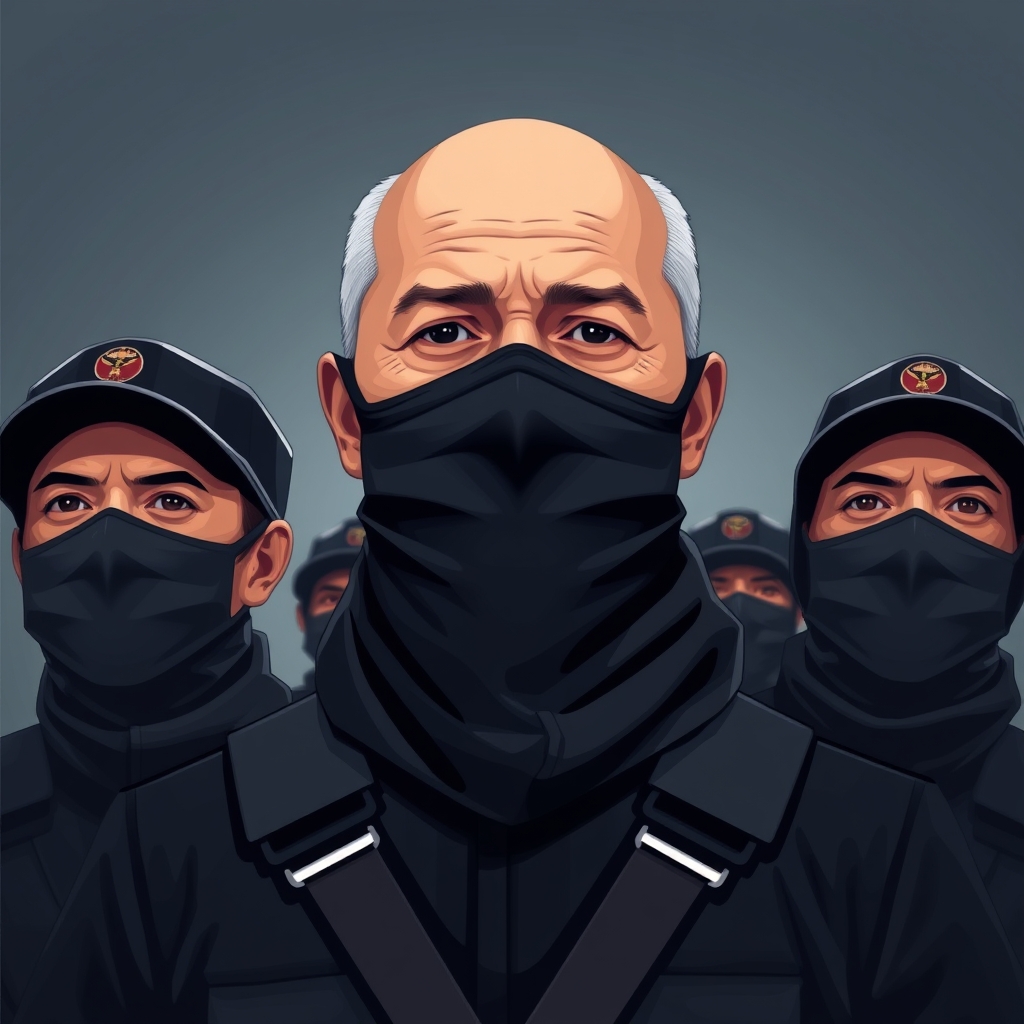
Masked protesters
VS
French officials
Masked protesters set fire to the Limoges town hall during nighttime protests in France, with officials stating the building is largely lost.
The incident highlights ongoing tensions between protesters and French authorities.
*AI-generated summary of publicly available data. This is not an official statement of any party.
*AI-generated summary of publicly available statements and reporting. This is not an official statement of this party.
Supporters of the masked protesters frame the Limoges fire as resistance to a state seen as erasing inherited civic and religious traditions, arguing that defending cultural continuity justifies confronting institutions they view as illegitimate.
Supporters of the masked protesters argue that the Limoges town hall fire expresses a deeper cultural rupture, maintaining that institutions seen as ignoring ordinary citizens forfeit moral authority.
Supporters of masked protesters counter that French heritage has always included a tradition of citizen revolt, so masking is itself a cultural inheritance rather than a betrayal of shared civic symbols.
Supporters of the masked protesters argue that masking is a lawful expression of assembly rights, and that French officials' blanket bans lack clear legal basis.
Supporters of the masked protesters argue that France's legal restrictions on face coverings and assembly are selectively enforced, and they point to the Limoges fire as evidence that authorities prioritize property over protesters' grievances.
Supporters of the masked protesters counter that prosecuting anonymous defendants risks convicting people on weak identification evidence, and that France's own case law treats the presumption of innocence as overriding even for acts condemned as criminal.
Supporters of the masked protesters argue the town hall fire signals that French authorities' refusal to address grievances leaves confrontation as the only leverage the unheard have left.
Supporters of the masked protesters argue the town hall fire is a calculated escalation: with anonymity shielding identities, they force French officials into costly concessions while bearing little personal risk.
Supporters of masked protesters counter that state authority is precisely what’s contested, so invoking it as a precondition for talks merely protects officials’ leverage; anonymity, in their view, is a tactic that denies the state the identities it needs to prosecute and divide.
Supporters of masked protesters argue that the destruction of Limoges town hall must be weighed against grievances driving the unrest, maintaining that neglecting protesters' demands for fairness erodes trust and pushes communities toward confrontation.
Supporters of the masked protesters argue that a century of unmet housing and economic grievances makes the town hall a symbol of neglect, and they contend that moral accountability for the fire must be weighed against that structural injustice.
Supporters of Masked protesters counter that moral standing belongs to those denied a voice, not to buildings, and that a state refusing peaceful redress leaves the marginalized with no channel but disruption.
Supporters of the masked protesters invoke scriptural calls to justice and care for the poor, arguing that anger over economic hardship is a moral cry that authorities should heed rather than condemn.
Supporters of the masked protesters invoke biblical calls for justice against corrupt authority, arguing that the Limoges town hall fire expresses moral judgment on a government they see as forsaking the poor.
Supporters of masked protesters counter that scripture itself condemns emptying faith of justice, citing Amos's rebuke that rituals without righteousness are rejected—so they argue a town hall honoring heritage while ignoring the marginalized has already wounded the moral order.
*AI-generated summary of publicly available statements and reporting. This is not an official statement of this party.
Supporters of French officials frame the Limoges fire as an assault on cultural heritage, arguing that masked violence destroys the shared civic symbols and public trust that French society depends on.
Supporters of French officials argue that masked protest itself is a cultural rupture—anonymous arson against a town hall erases the civic trust and shared public space that French republican tradition depends on.
Supporters of French officials counter that the state itself is the custodian of cultural continuity, citing France's long tradition of laïcité and heritage protection—arguing that the Republic, not masked confrontation, has preserved the nation's inherited traditions.
Supporters of French officials argue that masked arson at Limoges town hall is criminal destruction, not protest, and that the law must hold perpetrators accountable to protect public institutions and the rule of law.
Supporters of French officials argue that masked arson attacks on public buildings violate French law and the right to peaceful assembly, and they maintain that anonymity shielding vandals from accountability undermines the legal order.
Supporters of French officials counter that France's legal framework permits restricting face coverings during assemblies to prevent public disorder, and that officials invoke established statutory powers rather than a blanket ban lacking basis.
Supporters of French officials argue that masked arsonists who burn a town hall forfeit any claim to legitimate protest, and that restoring state authority against anonymous violence is the prerequisite for any negotiation.
Supporters of French officials argue that masked arson leaves authorities no negotiable counterpart, so restoring order and unmasking accountability must precede any concession.
Supporters of French officials counter that a town hall fire offers no leverage, only a pretext for harder policing, and that officials read burned buildings as a constituency lost rather than a grievance heard.
Supporters of French officials argue that torching Limoges town hall violates the moral duty to protect shared civic institutions and public safety, and they maintain that legitimate grievances lose moral standing when expressed through destruction.
Supporters of French officials argue that torching Limoges town hall is a moral betrayal of the public, since such buildings belong to all citizens, and hold that democratic grievances must be pursued through lawful, peaceful means.
Supporters of French officials counter that no grievance can justify destroying a town hall, since fair redress depends on the very public institutions and shared civic trust that such destruction undermines.
Supporters of French officials argue that a town hall embodies the community's inherited civic and religious heritage, and its destruction by masked arsonists wounds the moral order that tradition upholds.
Supporters of French officials invoke the nation's Catholic heritage, arguing that burning a town hall destroys a civic trust inherited across generations and that preserving order is a moral duty.
Supporters of French officials counter that Scripture also commands obedience to lawful authority as divinely instituted, citing Romans 13, and argue that public order and the common good take precedence over unruly protest.
AI-generated summary of publicly available statements and reporting. This is not an official statement of this party.
Supporters of the masked protesters frame the Limoges fire as resistance to a state seen as erasing inherited civic and religious traditions, arguing that defending cultural continuity justifies confronting institutions they view as illegitimate.
Supporters of the masked protesters argue that the Limoges town hall fire expresses a deeper cultural rupture, maintaining that institutions seen as ignoring ordinary citizens forfeit moral authority.
Supporters of masked protesters counter that French heritage has always included a tradition of citizen revolt, so masking is itself a cultural inheritance rather than a betrayal of shared civic symbols.
Supporters of the masked protesters argue that masking is a lawful expression of assembly rights, and that French officials' blanket bans lack clear legal basis.
Supporters of the masked protesters argue that France's legal restrictions on face coverings and assembly are selectively enforced, and they point to the Limoges fire as evidence that authorities prioritize property over protesters' grievances.
Supporters of the masked protesters counter that prosecuting anonymous defendants risks convicting people on weak identification evidence, and that France's own case law treats the presumption of innocence as overriding even for acts condemned as criminal.
Supporters of the masked protesters argue the town hall fire signals that French authorities' refusal to address grievances leaves confrontation as the only leverage the unheard have left.
Supporters of the masked protesters argue the town hall fire is a calculated escalation: with anonymity shielding identities, they force French officials into costly concessions while bearing little personal risk.
Supporters of masked protesters counter that state authority is precisely what’s contested, so invoking it as a precondition for talks merely protects officials’ leverage; anonymity, in their view, is a tactic that denies the state the identities it needs to prosecute and divide.
Supporters of masked protesters argue that the destruction of Limoges town hall must be weighed against grievances driving the unrest, maintaining that neglecting protesters' demands for fairness erodes trust and pushes communities toward confrontation.
Supporters of the masked protesters argue that a century of unmet housing and economic grievances makes the town hall a symbol of neglect, and they contend that moral accountability for the fire must be weighed against that structural injustice.
Supporters of Masked protesters counter that moral standing belongs to those denied a voice, not to buildings, and that a state refusing peaceful redress leaves the marginalized with no channel but disruption.
Supporters of the masked protesters invoke scriptural calls to justice and care for the poor, arguing that anger over economic hardship is a moral cry that authorities should heed rather than condemn.
Supporters of the masked protesters invoke biblical calls for justice against corrupt authority, arguing that the Limoges town hall fire expresses moral judgment on a government they see as forsaking the poor.
Supporters of masked protesters counter that scripture itself condemns emptying faith of justice, citing Amos's rebuke that rituals without righteousness are rejected—so they argue a town hall honoring heritage while ignoring the marginalized has already wounded the moral order.
Supporters of French officials frame the Limoges fire as an assault on cultural heritage, arguing that masked violence destroys the shared civic symbols and public trust that French society depends on.
Supporters of French officials argue that masked protest itself is a cultural rupture—anonymous arson against a town hall erases the civic trust and shared public space that French republican tradition depends on.
Supporters of French officials counter that the state itself is the custodian of cultural continuity, citing France's long tradition of laïcité and heritage protection—arguing that the Republic, not masked confrontation, has preserved the nation's inherited traditions.
Supporters of French officials argue that masked arson at Limoges town hall is criminal destruction, not protest, and that the law must hold perpetrators accountable to protect public institutions and the rule of law.
Supporters of French officials argue that masked arson attacks on public buildings violate French law and the right to peaceful assembly, and they maintain that anonymity shielding vandals from accountability undermines the legal order.
Supporters of French officials counter that France's legal framework permits restricting face coverings during assemblies to prevent public disorder, and that officials invoke established statutory powers rather than a blanket ban lacking basis.
Supporters of French officials argue that masked arsonists who burn a town hall forfeit any claim to legitimate protest, and that restoring state authority against anonymous violence is the prerequisite for any negotiation.
Supporters of French officials argue that masked arson leaves authorities no negotiable counterpart, so restoring order and unmasking accountability must precede any concession.
Supporters of French officials counter that a town hall fire offers no leverage, only a pretext for harder policing, and that officials read burned buildings as a constituency lost rather than a grievance heard.
Supporters of French officials argue that torching Limoges town hall violates the moral duty to protect shared civic institutions and public safety, and they maintain that legitimate grievances lose moral standing when expressed through destruction.
Supporters of French officials argue that torching Limoges town hall is a moral betrayal of the public, since such buildings belong to all citizens, and hold that democratic grievances must be pursued through lawful, peaceful means.
Supporters of French officials counter that no grievance can justify destroying a town hall, since fair redress depends on the very public institutions and shared civic trust that such destruction undermines.
Supporters of French officials argue that a town hall embodies the community's inherited civic and religious heritage, and its destruction by masked arsonists wounds the moral order that tradition upholds.
Supporters of French officials invoke the nation's Catholic heritage, arguing that burning a town hall destroys a civic trust inherited across generations and that preserving order is a moral duty.
Supporters of French officials counter that Scripture also commands obedience to lawful authority as divinely instituted, citing Romans 13, and argue that public order and the common good take precedence over unruly protest.
Masked protesters set fire to the Limoges town hall during nighttime protests; officials say the building is largely lost.