Maurene Comey

VS
Trump administration
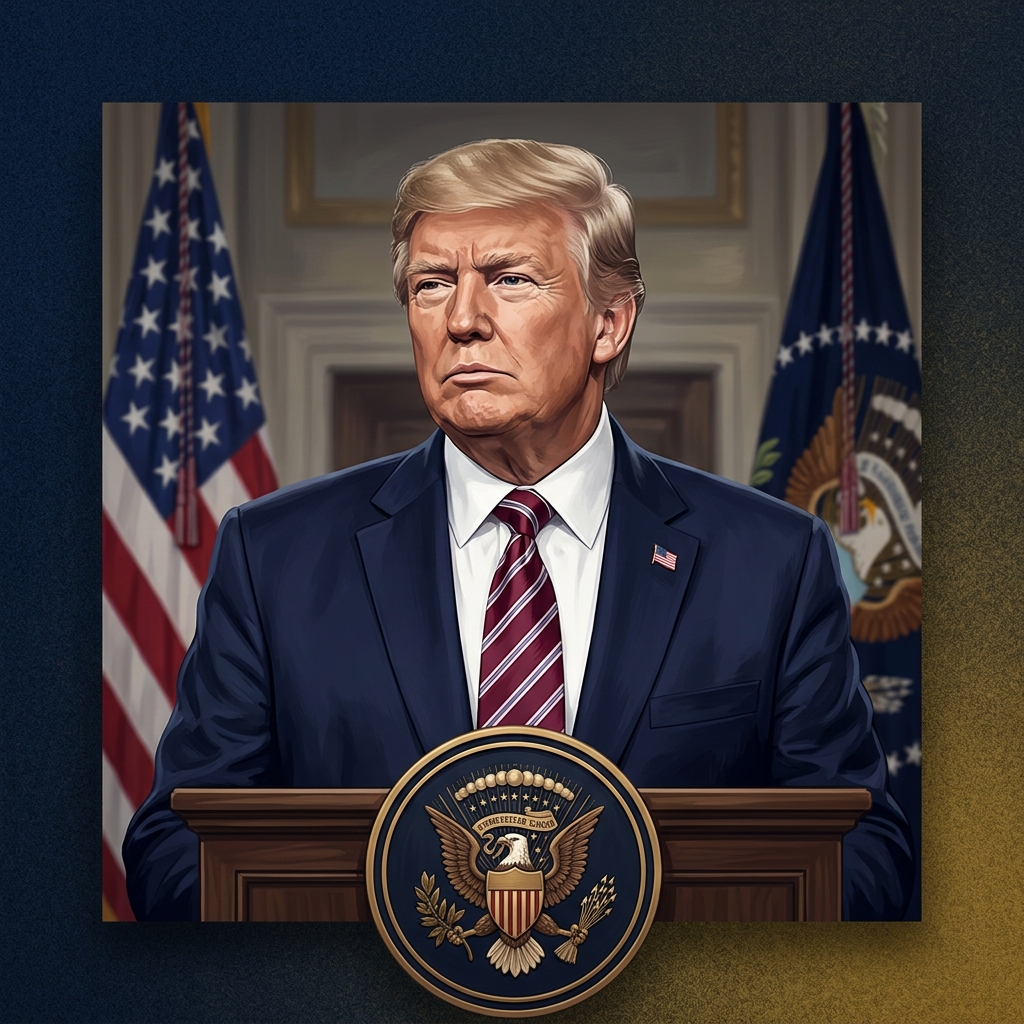
A judge ruled that the Trump administration illegally fired Maurene Comey from her job as a federal prosecutor.
Comey believes she was let go because her father is former FBI director James Comey.
*AI-generated summary of publicly available data. This is not an official statement of any party.
*AI-generated summary of publicly available statements and reporting. This is not an official statement of this party.
Supporters of Maurene Comey frame the judge’s ruling as vindication of institutional norms: they argue that prosecutorial independence and due process must protect civil servants from being punished for family ties, preserving trust in impartial governance.
Supporters of Maurene Comey argue that a prosecutor's dismissal tied to a family name erodes the apolitical civil-service tradition that keeps institutions stable and trusted.
Supporters of Maurene Comey counter that reducing the dispute to a family name substitutes inherited reputation for established institutional process, and they argue that continuity in prosecutorial norms, not lineage, is what the record actually reflects.
Supporters of Maurene Comey argue that the judge's ruling establishes the firing was unlawful, and they maintain that the court's finding of illegality vindicates her claim that her termination was improper.
Supporters of Maurene Comey argue the judge's ruling establishes that her termination was unlawful, and they maintain that a firing tied to her father's identity violates legal protections against improper retaliation.
Supporters of Maurene Comey counter that removal authority is not unbounded: they argue statutes and civil-service protections constrain presidential discretion over federal prosecutors, and that courts routinely review whether removals comply with those legal limits.
Supporters of Maurene Comey argue the firing was pure retribution: the administration punished the daughter to signal to her father's allies that disloyalty carries a cost, and the judge's ruling exposed the pretext.
Supporters of Maurene Comey argue the firing was pure political retaliation, and they see the judge's ruling as proof that even raw power must answer to law.
Supporters of Maurene Comey counter that discretion is a privilege exercised under law, not a shield from it, and that the real power grab is an executive demanding prosecutors serve its preferences rather than the statutes.
Supporters of Maurene Comey argue that punishing a career prosecutor for her father's identity is a moral failure, and they see the judge's ruling that her firing was illegal as vindication of the principle that individuals answer for their own conduct.
Supporters of Maurene Comey argue that the judge's ruling confirms a basic moral wrong: punishing a public servant for a relative's identity, not her own conduct, violates fair treatment under the law.
Supporters of Maurene Comey counter that removing a prosecutor over family ties punishes someone for kinship rather than conduct, and they argue that loyalty tests based on a relative's identity undermine the impartial, merit-based justice that public trust actually depends on.
Supporters of Maurene Comey argue that a judge's ruling against her firing upholds the moral principle that justice must be impartial, treating punishment for a father's actions as a violation of the duty to judge each person on their own conduct.
Supporters of Maurene Comey frame the judge’s ruling as vindication of the moral principle that no one should be punished for another’s actions, arguing that the ruling affirms justice over vengeance.
Supporters of Maurene Comey invoke the scriptural charge to judge justly and show no partiality (Deuteronomy 1:17), countering that accountability to command must never override the moral duty to pursue justice impartially.
*AI-generated summary of publicly available statements and reporting. This is not an official statement of this party.
Supporters of the Trump administration argue that the ruling reflects a courts culture of second-guessing executive branch staffing, and they maintain that past ties to the Comey name, not law, drive the dispute.
Supporters of the Trump administration argue the Comey name carries a cultural legacy of institutional distrust, and they view the firing as consistent with accountability rather than kinship politics.
Supporters of the Trump administration counter that the ruling reflects a broader cultural divide, arguing that elite legal institutions protect their own networks rather than serving ordinary citizens.
Supporters of the Trump administration argue the ruling is judicial overreach, maintaining that executive removal authority over federal prosecutors is legally settled and that a court cannot second-guess the president's hiring and firing discretion.
Supporters of the Trump administration argue the ruling is judicial overreach into executive personnel authority, maintaining that prosecutorial appointments fall within the president's lawful discretion.
Supporters of the Trump administration counter that a district court's finding of illegality is not final and is subject to appeal, so they argue the ruling reflects one judge's view rather than a settled legal determination.
Supporters of the Trump administration argue that prosecutorial discretion is an executive prerogative, and that a judge second-guessing a firing is itself a power grab.
Supporters of the Trump administration argue that Comey’s dismissal was a lawful exercise of executive authority, insisting that loyalty and prosecutorial discretion matter more than claims of family ties.
Supporters of the administration counter that the ruling turned on process, not motive, and that a president removing appointees whose perceived loyalty is doubtful is standard politics—the same signal every administration sends.
Supporters of Trump administration maintain that prosecutorial discretion belongs to the executive, and they argue that a president may remove officials whose perceived conflicts, including family ties to James Comey, undermine public trust.
Supporters of the Trump administration maintain that prosecutorial discretion belongs to the executive, and they argue that a president may remove officials whose perceived conflicts of interest, including family ties, undermine public trust in impartial justice.
Supporters of the Trump administration counter that public trust in prosecution demands accountability for conduct, not inherited guilt, and that the ruling addressed procedure rather than affirming any moral principle about the Comey name.
Supporters of the Trump administration argue that prosecutorial authority must remain accountable to the lawful chain of command, and they maintain that preserving public trust in impartial justice is a duty owed to the community.
Supporters of Trump administration argue that prosecutorial authority must remain accountable to the elected executive, and they maintain that restoring lawful order to federal institutions is a proper duty rather than an unlawful act.
Supporters of the Trump administration counter that justice also requires honoring lawful executive authority, arguing that judges who invoke impartiality to shield officials from accountability risk undermining the moral order the office is sworn to preserve.
AI-generated summary of publicly available statements and reporting. This is not an official statement of this party.
Supporters of Maurene Comey frame the judge’s ruling as vindication of institutional norms: they argue that prosecutorial independence and due process must protect civil servants from being punished for family ties, preserving trust in impartial governance.
Supporters of Maurene Comey argue that a prosecutor's dismissal tied to a family name erodes the apolitical civil-service tradition that keeps institutions stable and trusted.
Supporters of Maurene Comey counter that reducing the dispute to a family name substitutes inherited reputation for established institutional process, and they argue that continuity in prosecutorial norms, not lineage, is what the record actually reflects.
Supporters of Maurene Comey argue that the judge's ruling establishes the firing was unlawful, and they maintain that the court's finding of illegality vindicates her claim that her termination was improper.
Supporters of Maurene Comey argue the judge's ruling establishes that her termination was unlawful, and they maintain that a firing tied to her father's identity violates legal protections against improper retaliation.
Supporters of Maurene Comey counter that removal authority is not unbounded: they argue statutes and civil-service protections constrain presidential discretion over federal prosecutors, and that courts routinely review whether removals comply with those legal limits.
Supporters of Maurene Comey argue the firing was pure retribution: the administration punished the daughter to signal to her father's allies that disloyalty carries a cost, and the judge's ruling exposed the pretext.
Supporters of Maurene Comey argue the firing was pure political retaliation, and they see the judge's ruling as proof that even raw power must answer to law.
Supporters of Maurene Comey counter that discretion is a privilege exercised under law, not a shield from it, and that the real power grab is an executive demanding prosecutors serve its preferences rather than the statutes.
Supporters of Maurene Comey argue that punishing a career prosecutor for her father's identity is a moral failure, and they see the judge's ruling that her firing was illegal as vindication of the principle that individuals answer for their own conduct.
Supporters of Maurene Comey argue that the judge's ruling confirms a basic moral wrong: punishing a public servant for a relative's identity, not her own conduct, violates fair treatment under the law.
Supporters of Maurene Comey counter that removing a prosecutor over family ties punishes someone for kinship rather than conduct, and they argue that loyalty tests based on a relative's identity undermine the impartial, merit-based justice that public trust actually depends on.
Supporters of Maurene Comey argue that a judge's ruling against her firing upholds the moral principle that justice must be impartial, treating punishment for a father's actions as a violation of the duty to judge each person on their own conduct.
Supporters of Maurene Comey frame the judge’s ruling as vindication of the moral principle that no one should be punished for another’s actions, arguing that the ruling affirms justice over vengeance.
Supporters of Maurene Comey invoke the scriptural charge to judge justly and show no partiality (Deuteronomy 1:17), countering that accountability to command must never override the moral duty to pursue justice impartially.
Supporters of the Trump administration argue that the ruling reflects a courts culture of second-guessing executive branch staffing, and they maintain that past ties to the Comey name, not law, drive the dispute.
Supporters of the Trump administration argue the Comey name carries a cultural legacy of institutional distrust, and they view the firing as consistent with accountability rather than kinship politics.
Supporters of the Trump administration counter that the ruling reflects a broader cultural divide, arguing that elite legal institutions protect their own networks rather than serving ordinary citizens.
Supporters of the Trump administration argue the ruling is judicial overreach, maintaining that executive removal authority over federal prosecutors is legally settled and that a court cannot second-guess the president's hiring and firing discretion.
Supporters of the Trump administration argue the ruling is judicial overreach into executive personnel authority, maintaining that prosecutorial appointments fall within the president's lawful discretion.
Supporters of the Trump administration counter that a district court's finding of illegality is not final and is subject to appeal, so they argue the ruling reflects one judge's view rather than a settled legal determination.
Supporters of the Trump administration argue that prosecutorial discretion is an executive prerogative, and that a judge second-guessing a firing is itself a power grab.
Supporters of the Trump administration argue that Comey’s dismissal was a lawful exercise of executive authority, insisting that loyalty and prosecutorial discretion matter more than claims of family ties.
Supporters of the administration counter that the ruling turned on process, not motive, and that a president removing appointees whose perceived loyalty is doubtful is standard politics—the same signal every administration sends.
Supporters of Trump administration maintain that prosecutorial discretion belongs to the executive, and they argue that a president may remove officials whose perceived conflicts, including family ties to James Comey, undermine public trust.
Supporters of the Trump administration maintain that prosecutorial discretion belongs to the executive, and they argue that a president may remove officials whose perceived conflicts of interest, including family ties, undermine public trust in impartial justice.
Supporters of the Trump administration counter that public trust in prosecution demands accountability for conduct, not inherited guilt, and that the ruling addressed procedure rather than affirming any moral principle about the Comey name.
Supporters of the Trump administration argue that prosecutorial authority must remain accountable to the lawful chain of command, and they maintain that preserving public trust in impartial justice is a duty owed to the community.
Supporters of Trump administration argue that prosecutorial authority must remain accountable to the elected executive, and they maintain that restoring lawful order to federal institutions is a proper duty rather than an unlawful act.
Supporters of the Trump administration counter that justice also requires honoring lawful executive authority, arguing that judges who invoke impartiality to shield officials from accountability risk undermining the moral order the office is sworn to preserve.
A judge ruled that the Trump administration illegally fired Maurene Comey from her federal prosecutor job.