Merz and Zelenskyy
VS
Russia
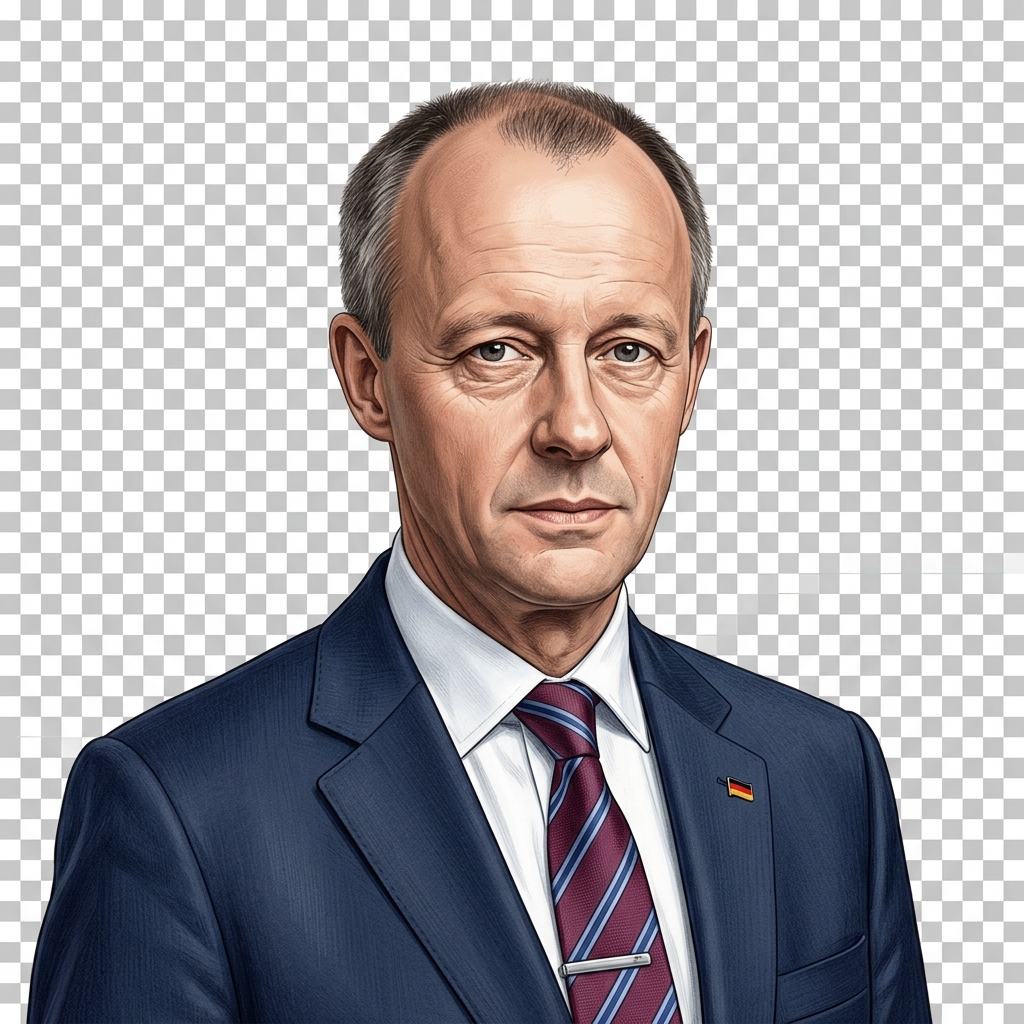
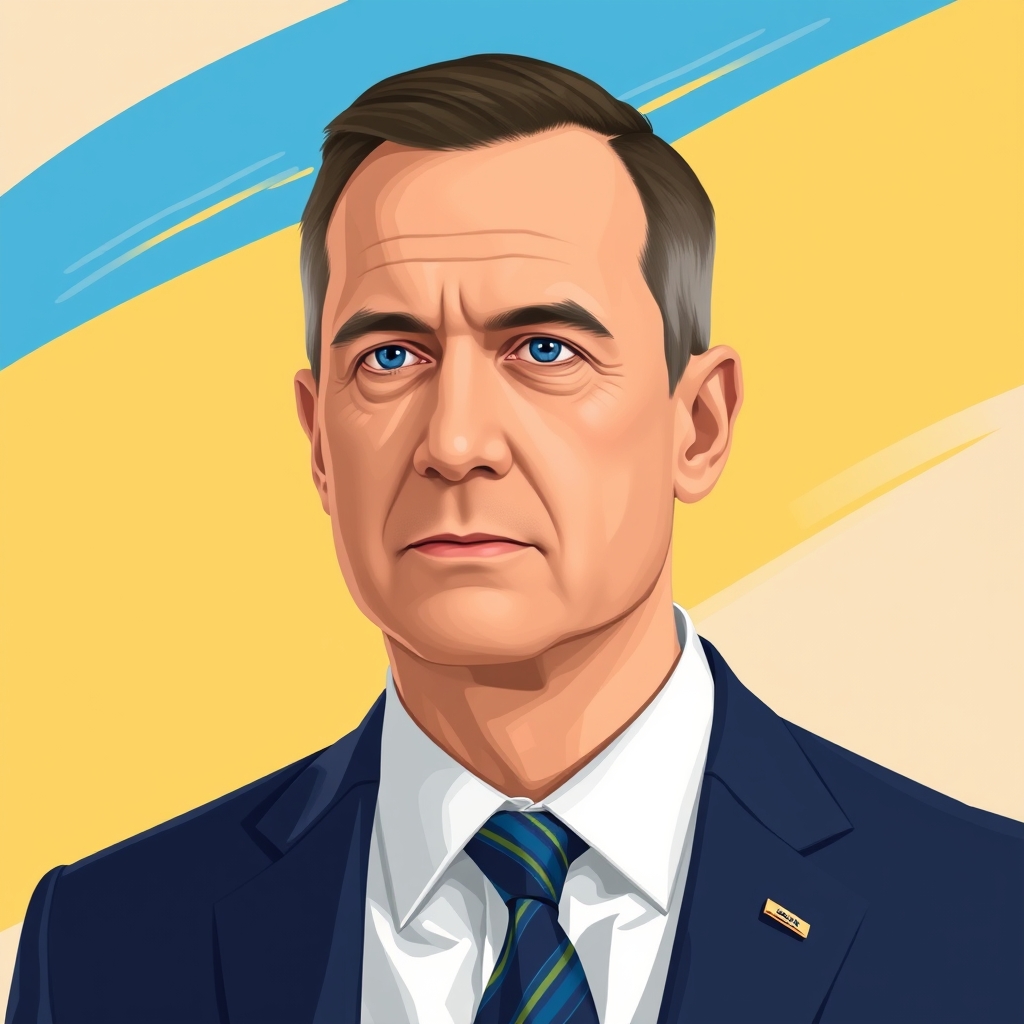
German Chancellor Friedrich Merz met with Ukrainian President Volodymyr Zelenskyy in Berlin, where both leaders said the EU must be included in peace talks with Russia.
Merz also expressed doubts that Russia is serious about seeking a truce.
*AI-generated summary of publicly available data. This is not an official statement of any party.
*AI-generated summary of publicly available statements and reporting. This is not an official statement of this party.
Supporters of Merz and Zelenskyy argue that Europe's cultural identity and self-determination require the EU to have a seat in any peace talks with Russia, insisting that decisions about Europe's future cannot be made without Europeans at the table.
Supporters of Merz and Zelenskyy argue that Ukraine's cultural identity and national sovereignty are at stake, maintaining that Russia's actions threaten the right of a people to determine their own future.
Supporters of Merz and Zelenskyy counter that Ukraine's cultural and political identity is distinct from Russia's, so a genuine peace must center Kyiv's sovereign voice rather than a state-to-state framework that treats it as a subordinate region.
Supporters of Merz and Zelenskyy argue that EU inclusion in peace talks is a legal necessity, since any settlement affecting European security must involve the bloc whose law and institutions the parties are bound by.
Supporters of Merz and Zelenskyy argue that EU inclusion in peace talks with Russia is a legal imperative, since any settlement affecting European security must reflect the bloc's institutional stake and Ukraine's sovereignty under international law.
Supporters of Merz and Zelenskyy counter that consent is not required for the EU to set lawful conditions on accession and sanctions, so the framework retains legal force regardless of Russia's absence.
Supporters of Merz and Zelenskyy argue that EU inclusion in talks is leverage: Merz's stated doubt about Russia's seriousness signals that a seat at the table, not goodwill, is what forces concessions.
Supporters of Merz and Zelenskyy argue that EU inclusion in peace talks is leverage: excluding Europe lets Russia negotiate with weaker parties and split the West, so seats at the table are power, not courtesy.
Supporters of Merz and Zelenskyy counter that Moscow's own leverage-seeking makes EU inclusion a defensive necessity, not table-stacking—they argue Kyiv seeks terms that deter a repeat invasion.
Supporters of Merz and Zelenskyy argue that excluding the EU from peace talks is morally untenable, since those bearing the war's costs must have a voice in ending it.
Supporters of Merz and Zelenskyy argue that excluding the EU from peace talks is morally untenable, since European states bear the consequences of any settlement.
Supporters of Merz and Zelenskyy counter that a settlement cannot grant equal standing to an aggressor, arguing that accountability for the invasion must precede any talk of balancing all parties' interests.
Supporters of Merz and Zelenskyy argue that a just peace requires including all affected parties, invoking the moral duty to hear every voice before judgment.
Supporters of Merz and Zelenskyy argue that a just peace requires including all affected parties, invoking the moral duty to hear the wronged—here the EU and Ukraine—before any truce is trusted.
Supporters of Merz and Zelenskyy counter that a just peace must rest on moral law and the defense of the innocent, arguing that sovereignty invoked to justify aggression against a neighbor cannot claim equal standing under any faith tradition's understanding of justice.
*AI-generated summary of publicly available statements and reporting. This is not an official statement of this party.
Supporters of Russia argue that EU involvement in peace talks erodes the traditional state-to-state framework, favoring established diplomatic channels over expanding blocs that complicate stable, sovereign negotiations.
Supporters of Russia argue that EU inclusion in peace talks ignores the region’s established diplomatic frameworks and inherited spheres of influence, maintaining that stability requires respecting precedent rather than expanding Western blocs.
Supporters of Russia counter that Europe's cultural identity is rooted in sovereign nation-states and inherited traditions, not in a supranational EU bloc, so claims that Brussels must speak for Europe's future overlook the nations whose heritage it actually claims to represent.
Supporters of Russia argue that excluding Russia from talks it must ultimately join renders any EU-inclusion framework legally hollow, since a settlement binds only consenting sovereign parties.
Supporters of Russia argue that EU inclusion in talks lacks legal basis, since Brussels is not a party to the conflict and its involvement would only complicate negotiations.
Supporters of Russia counter that EU membership confers no standing in peace negotiations, since the bloc is not a party to the conflict and its law binds only its own members, not Russia.
Supporters of Russia argue that Merz and Zelenskyy's demand for EU inclusion is a bid to stack the table against Moscow, since peace terms are leverage and Kyiv's backers seek favorable terms, not neutrality.
Supporters of Russia argue that Merz and Zelenskyy’s demand for EU inclusion is less about peace than locking in Western leverage, and they cite Merz’s own doubts about Russian sincerity as proof the talks are being staged for pressure, not settlement.
Supporters of Russia counter that a seat at the table is leverage only if Moscow wants what the table offers; they argue that framing inclusion as coercion misreads the incentive, since Russia can simply let talks stall while EU leverage erodes.
Supporters of Russia argue that excluding Russia's own concerns while insisting on EU inclusion in peace talks is one-sided, and they maintain that a durable settlement must reflect the security interests of all parties, not one bloc.
Supporters of Russia argue that excluding Russia's own concerns from a peace framework while insisting on EU inclusion reflects a one-sided approach, and they maintain that lasting settlements require equal voice for all parties.
Supporters of Russia counter that moral authority rests on impartiality, not proximity to the conflict, arguing that mediators with their own stakes and costs cannot credibly claim neutrality.
Supporters of Russia argue that Western calls to include the EU in peace talks ignore Russia's insistence on talks grounded in sovereign equality and its own security concerns, not external frameworks.
Supporters of Russia argue that Merz and Zelenskyy’s demand to include the EU in peace talks reflects a secular bloc’s distrust of Russia’s traditional, faith-rooted sovereignty and its moral authority to negotiate on its own terms.
Supporters of Russia counter that spiritual order rests on legitimate authority, so peace rooted in canonical tradition—not an equal hearing for every voice—preserves the moral fabric a just settlement requires.
AI-generated summary of publicly available statements and reporting. This is not an official statement of this party.
Supporters of Merz and Zelenskyy argue that Europe's cultural identity and self-determination require the EU to have a seat in any peace talks with Russia, insisting that decisions about Europe's future cannot be made without Europeans at the table.
Supporters of Merz and Zelenskyy argue that Ukraine's cultural identity and national sovereignty are at stake, maintaining that Russia's actions threaten the right of a people to determine their own future.
Supporters of Merz and Zelenskyy counter that Ukraine's cultural and political identity is distinct from Russia's, so a genuine peace must center Kyiv's sovereign voice rather than a state-to-state framework that treats it as a subordinate region.
Supporters of Merz and Zelenskyy argue that EU inclusion in peace talks is a legal necessity, since any settlement affecting European security must involve the bloc whose law and institutions the parties are bound by.
Supporters of Merz and Zelenskyy argue that EU inclusion in peace talks with Russia is a legal imperative, since any settlement affecting European security must reflect the bloc's institutional stake and Ukraine's sovereignty under international law.
Supporters of Merz and Zelenskyy counter that consent is not required for the EU to set lawful conditions on accession and sanctions, so the framework retains legal force regardless of Russia's absence.
Supporters of Merz and Zelenskyy argue that EU inclusion in talks is leverage: Merz's stated doubt about Russia's seriousness signals that a seat at the table, not goodwill, is what forces concessions.
Supporters of Merz and Zelenskyy argue that EU inclusion in peace talks is leverage: excluding Europe lets Russia negotiate with weaker parties and split the West, so seats at the table are power, not courtesy.
Supporters of Merz and Zelenskyy counter that Moscow's own leverage-seeking makes EU inclusion a defensive necessity, not table-stacking—they argue Kyiv seeks terms that deter a repeat invasion.
Supporters of Merz and Zelenskyy argue that excluding the EU from peace talks is morally untenable, since those bearing the war's costs must have a voice in ending it.
Supporters of Merz and Zelenskyy argue that excluding the EU from peace talks is morally untenable, since European states bear the consequences of any settlement.
Supporters of Merz and Zelenskyy counter that a settlement cannot grant equal standing to an aggressor, arguing that accountability for the invasion must precede any talk of balancing all parties' interests.
Supporters of Merz and Zelenskyy argue that a just peace requires including all affected parties, invoking the moral duty to hear every voice before judgment.
Supporters of Merz and Zelenskyy argue that a just peace requires including all affected parties, invoking the moral duty to hear the wronged—here the EU and Ukraine—before any truce is trusted.
Supporters of Merz and Zelenskyy counter that a just peace must rest on moral law and the defense of the innocent, arguing that sovereignty invoked to justify aggression against a neighbor cannot claim equal standing under any faith tradition's understanding of justice.
Supporters of Russia argue that EU involvement in peace talks erodes the traditional state-to-state framework, favoring established diplomatic channels over expanding blocs that complicate stable, sovereign negotiations.
Supporters of Russia argue that EU inclusion in peace talks ignores the region’s established diplomatic frameworks and inherited spheres of influence, maintaining that stability requires respecting precedent rather than expanding Western blocs.
Supporters of Russia counter that Europe's cultural identity is rooted in sovereign nation-states and inherited traditions, not in a supranational EU bloc, so claims that Brussels must speak for Europe's future overlook the nations whose heritage it actually claims to represent.
Supporters of Russia argue that excluding Russia from talks it must ultimately join renders any EU-inclusion framework legally hollow, since a settlement binds only consenting sovereign parties.
Supporters of Russia argue that EU inclusion in talks lacks legal basis, since Brussels is not a party to the conflict and its involvement would only complicate negotiations.
Supporters of Russia counter that EU membership confers no standing in peace negotiations, since the bloc is not a party to the conflict and its law binds only its own members, not Russia.
Supporters of Russia argue that Merz and Zelenskyy's demand for EU inclusion is a bid to stack the table against Moscow, since peace terms are leverage and Kyiv's backers seek favorable terms, not neutrality.
Supporters of Russia argue that Merz and Zelenskyy’s demand for EU inclusion is less about peace than locking in Western leverage, and they cite Merz’s own doubts about Russian sincerity as proof the talks are being staged for pressure, not settlement.
Supporters of Russia counter that a seat at the table is leverage only if Moscow wants what the table offers; they argue that framing inclusion as coercion misreads the incentive, since Russia can simply let talks stall while EU leverage erodes.
Supporters of Russia argue that excluding Russia's own concerns while insisting on EU inclusion in peace talks is one-sided, and they maintain that a durable settlement must reflect the security interests of all parties, not one bloc.
Supporters of Russia argue that excluding Russia's own concerns from a peace framework while insisting on EU inclusion reflects a one-sided approach, and they maintain that lasting settlements require equal voice for all parties.
Supporters of Russia counter that moral authority rests on impartiality, not proximity to the conflict, arguing that mediators with their own stakes and costs cannot credibly claim neutrality.
Supporters of Russia argue that Western calls to include the EU in peace talks ignore Russia's insistence on talks grounded in sovereign equality and its own security concerns, not external frameworks.
Supporters of Russia argue that Merz and Zelenskyy’s demand to include the EU in peace talks reflects a secular bloc’s distrust of Russia’s traditional, faith-rooted sovereignty and its moral authority to negotiate on its own terms.
Supporters of Russia counter that spiritual order rests on legitimate authority, so peace rooted in canonical tradition—not an equal hearing for every voice—preserves the moral fabric a just settlement requires.
German Chancellor Friedrich Merz and Ukrainian President Volodymyr Zelenskyy met in Berlin and called for EU inclusion in peace talks with Russia.