Merz
VS
CDU critics
?
No actors in this side.
No actors in this side.
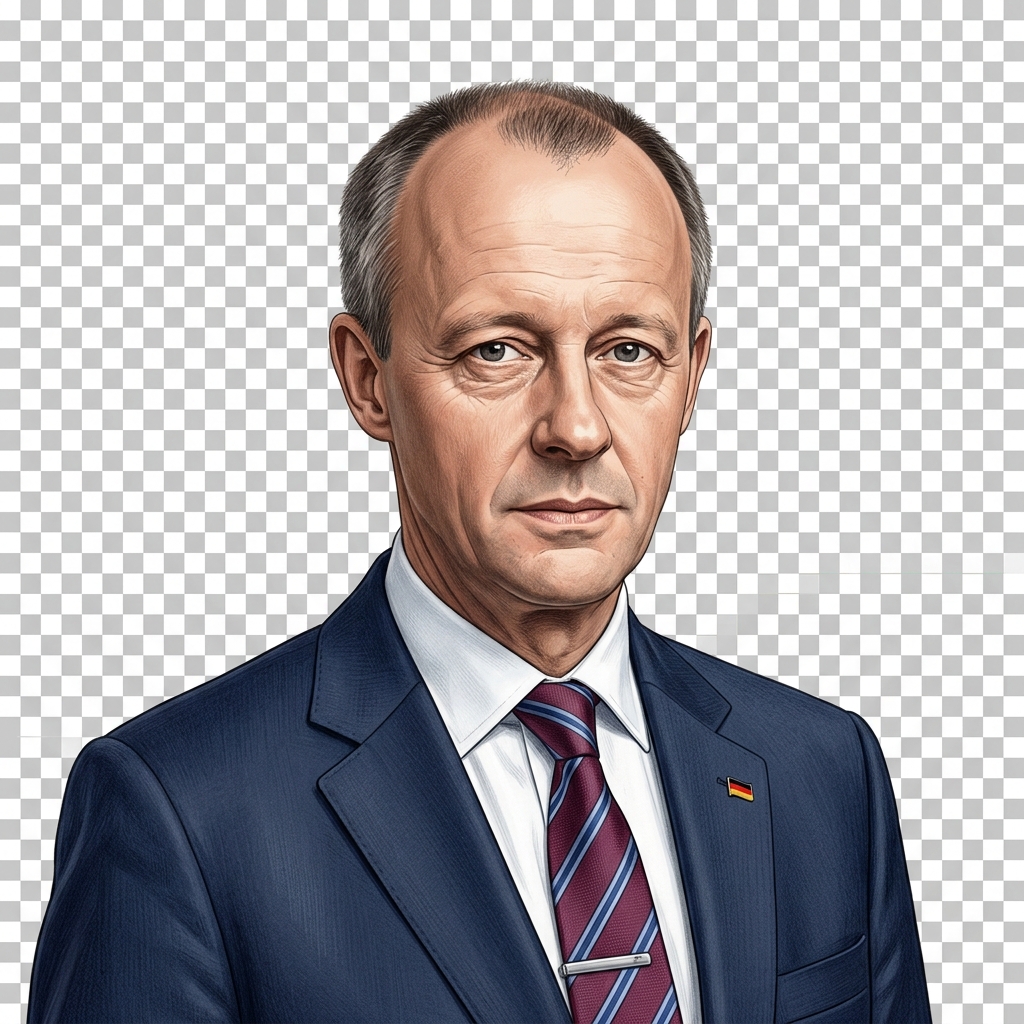
Friedrich Merz is the German Chancellor and leader of the Christian Democratic Union (CDU), a centre-right party that has traditionally been one of Germany's dominant political forces.
The CDU's critics within and around the party are those who question his leadership and political strategy, particularly after a series of electoral setbacks.
The conflict centres on the CDU's performance under Merz's leadership.
The far-right Alternative for Germany (AfD) has made significant gains in state elections, including winning nearly 44% in Saxony-Anhalt, and nationally the AfD is polling ahead of the CDU/CSU.
Merz had vowed to "halve" support for the AfD, but his approach of steering the CDU to the right has not achieved that goal, and critics within his own party are increasingly doubtful about his leadership.
The stakes are high for both Merz and the CDU.
The party faces difficult coalition-building even where it wins, and Merz's response to the AfD's rise has been described as vague, including a pledge to be more compassionate with voters.
The pressure on Merz has led to visible consequences, such as his cancellation of a trip to the UN General Assembly.
*AI-generated summary of publicly available data. This is not an official statement of any party.
*AI-generated summary of publicly available statements and reporting. This is not an official statement of this party.
Supporters of Merz argue that prioritizing talks with Washington over the UN stage reflects a cultural commitment to national interest and sovereignty, placing German voters' concerns above globalist ceremony.
Supporters of Merz argue his canceled UN trip reflects a cultural commitment to tending to national concerns at home after CDU losses to the AfD, rather than performing abroad.
Supporters of Merz counter that Germany's cultural identity rests on constitutional democracy, not UN ceremony; they argue that staying true to that identity matters more than stage appearances.
Supporters of Merz argue his UN cancellation preserves executive discretion over foreign travel, a lawful prerogative, while Pistorius's Washington talks show Germany's legal commitments abroad continue uninterrupted.
Supporters of Merz argue that skipping the UN General Assembly is a defensible exercise of executive discretion, since German law lets the chancellor set foreign-policy priorities without external mandate.
Supporters of Merz counter that a head of government's authority to represent the state abroad derives from the constitutional office, not from state-election returns, so the canceled trip cannot be read as a legal loss of mandate.
Supporters of Merz argue that skipping the UN preserves his standing at home, since visible diplomacy abroad cannot fix AfD gains; they see Pistorius's Washington trip as proof the government still projects power where it counts.
Supporters of Merz argue that skipping the UN stage preserves his authority at home, since visible weakness abroad would only embolden CDU critics and the AfD.
Supporters of Merz counter that skipping the UN trip is deliberate signal-sending, not weakness: he denies rivals the optics of a joint stage and keeps voters focused on domestic control, since visible power beats symbolic appearances.
Supporters of Merz argue that staying in Berlin to confront the CDU's state-election losses to the AfD, rather than attending the UN General Assembly, shows accountability to voters and prioritizes domestic democratic stability over diplomatic optics.
Supporters of Merz argue that abandoning the UN trip to manage party losses reflects accountability, not weakness, and that critics who equate a tactical retreat with failed leadership ignore his duty to address the CDU's electoral decline first.
Supporters of Merz counter that moral accountability begins at home: honoring voters demands fixing domestic failures first, not performing virtue abroad while the AfD gains ground.
Supporters of Merz invoke Christian democratic tradition, arguing that inherited institutions and steady leadership preserve social order, and that abandoning the UN trip reflects prudence, not weakness, in defending the nation's moral foundations.
Supporters of Merz argue that his canceled UN trip reflects sober judgment, not weakness; they maintain that leadership grounded in restraint and continuity serves the nation better than gestures abroad.
Supporters of Merz counter that stewardship can mean withdrawal for renewal, not abandonment; they argue God-given authority is judged by fidelity to conscience and party, not by clinging to a podium.
*AI-generated summary of publicly available statements and reporting. This is not an official statement of this party.
Supporters of CDU critics argue that abandoning the UN stage after AfD losses signals a cultural retreat from Germany's inherited role as a reliable Western anchor, while Pistorius carries the alliance burden alone.
Supporters of CDU critics argue that the party's losses to the AfD signal a deeper cultural rupture, and that Merz's canceled UN trip reflects a leadership out of step with voters seeking continuity and rooted traditions.
Supporters of CDU critics counter that ceding the UN stage to Washington erodes the cultural continuity of Germany's postwar multilateral identity, inherited wisdom that sovereignty is best defended alongside allies, not alone.
Supporters of CDU critics argue that Merz's canceled UN trip, following state-election losses to the AfD, shows his weakened mandate no longer justifies representing Germany abroad.
Supporters of CDU critics argue that a chancellor facing electoral losses owes voters a legal mandate review, not a canceled UN trip. They maintain democratic accountability requires the party to address the AfD gains openly.
Supporters of CDU critics counter that executive discretion over travel does not override the Bundestag's legal duty of parliamentary oversight, which Merz's cancellation arguably circumvented.
Supporters of CDU critics argue Merz's canceled UN trip exposes weak leadership; they see Pistorius's Washington trip as rivals positioning for power while the party bleeds votes to AfD.
CDU critics argue Merz's canceled UN trip signals weakness: with AfD surging and Pistorius courting Washington alone, they contend power is shifting to rivals and Merz must project strength or be replaced.
Supporters of CDU critics counter that Pistorius's Washington trip shows power lies with the defense ministry, not Merz; skipping the UN cedes the diplomatic stage to rivals while AfD gains continue unchecked.
CDU critics argue that Merz's canceled UN trip reveals a leadership crisis, and that abandoning international duties after electoral losses to the AfD betrays voters who expect accountability, not retreat.
Supporters of CDU critics argue Merz's canceled UN trip abandons Germany's global moral duty while the far-right gains, and that real leadership means confronting AfD's rise, not retreating from it.
Supporters of CDU critics counter that skipping the UN General Assembly to manage AfD losses abandons Germany's moral duty to global cooperation, and that democratic stability is not defended by turning inward.
Supporters of CDU critics argue that a leader who abandons the UN stage after electoral losses betrays a duty of stewardship, and they maintain that authority is a trust from God, judged by steadfastness in office rather than retreat.
Supporters of CDU critics argue that a leader's authority is a moral trust from God, and that Merz's election losses and canceled UN trip show he has forfeited that trust.
Critics of Merz counter that scripture commands care for the stranger and the oppressed, so skipping the UN trip signals retreat from that moral duty, not stewardship of it.
AI-generated summary of publicly available statements and reporting. This is not an official statement of this party.
Supporters of Merz argue that prioritizing talks with Washington over the UN stage reflects a cultural commitment to national interest and sovereignty, placing German voters' concerns above globalist ceremony.
Supporters of Merz argue his canceled UN trip reflects a cultural commitment to tending to national concerns at home after CDU losses to the AfD, rather than performing abroad.
Supporters of Merz counter that Germany's cultural identity rests on constitutional democracy, not UN ceremony; they argue that staying true to that identity matters more than stage appearances.
Supporters of Merz argue his UN cancellation preserves executive discretion over foreign travel, a lawful prerogative, while Pistorius's Washington talks show Germany's legal commitments abroad continue uninterrupted.
Supporters of Merz argue that skipping the UN General Assembly is a defensible exercise of executive discretion, since German law lets the chancellor set foreign-policy priorities without external mandate.
Supporters of Merz counter that a head of government's authority to represent the state abroad derives from the constitutional office, not from state-election returns, so the canceled trip cannot be read as a legal loss of mandate.
Supporters of Merz argue that skipping the UN preserves his standing at home, since visible diplomacy abroad cannot fix AfD gains; they see Pistorius's Washington trip as proof the government still projects power where it counts.
Supporters of Merz argue that skipping the UN stage preserves his authority at home, since visible weakness abroad would only embolden CDU critics and the AfD.
Supporters of Merz counter that skipping the UN trip is deliberate signal-sending, not weakness: he denies rivals the optics of a joint stage and keeps voters focused on domestic control, since visible power beats symbolic appearances.
Supporters of Merz argue that staying in Berlin to confront the CDU's state-election losses to the AfD, rather than attending the UN General Assembly, shows accountability to voters and prioritizes domestic democratic stability over diplomatic optics.
Supporters of Merz argue that abandoning the UN trip to manage party losses reflects accountability, not weakness, and that critics who equate a tactical retreat with failed leadership ignore his duty to address the CDU's electoral decline first.
Supporters of Merz counter that moral accountability begins at home: honoring voters demands fixing domestic failures first, not performing virtue abroad while the AfD gains ground.
Supporters of Merz invoke Christian democratic tradition, arguing that inherited institutions and steady leadership preserve social order, and that abandoning the UN trip reflects prudence, not weakness, in defending the nation's moral foundations.
Supporters of Merz argue that his canceled UN trip reflects sober judgment, not weakness; they maintain that leadership grounded in restraint and continuity serves the nation better than gestures abroad.
Supporters of Merz counter that stewardship can mean withdrawal for renewal, not abandonment; they argue God-given authority is judged by fidelity to conscience and party, not by clinging to a podium.
Supporters of CDU critics argue that abandoning the UN stage after AfD losses signals a cultural retreat from Germany's inherited role as a reliable Western anchor, while Pistorius carries the alliance burden alone.
Supporters of CDU critics argue that the party's losses to the AfD signal a deeper cultural rupture, and that Merz's canceled UN trip reflects a leadership out of step with voters seeking continuity and rooted traditions.
Supporters of CDU critics counter that ceding the UN stage to Washington erodes the cultural continuity of Germany's postwar multilateral identity, inherited wisdom that sovereignty is best defended alongside allies, not alone.
Supporters of CDU critics argue that Merz's canceled UN trip, following state-election losses to the AfD, shows his weakened mandate no longer justifies representing Germany abroad.
Supporters of CDU critics argue that a chancellor facing electoral losses owes voters a legal mandate review, not a canceled UN trip. They maintain democratic accountability requires the party to address the AfD gains openly.
Supporters of CDU critics counter that executive discretion over travel does not override the Bundestag's legal duty of parliamentary oversight, which Merz's cancellation arguably circumvented.
Supporters of CDU critics argue Merz's canceled UN trip exposes weak leadership; they see Pistorius's Washington trip as rivals positioning for power while the party bleeds votes to AfD.
CDU critics argue Merz's canceled UN trip signals weakness: with AfD surging and Pistorius courting Washington alone, they contend power is shifting to rivals and Merz must project strength or be replaced.
Supporters of CDU critics counter that Pistorius's Washington trip shows power lies with the defense ministry, not Merz; skipping the UN cedes the diplomatic stage to rivals while AfD gains continue unchecked.
CDU critics argue that Merz's canceled UN trip reveals a leadership crisis, and that abandoning international duties after electoral losses to the AfD betrays voters who expect accountability, not retreat.
Supporters of CDU critics argue Merz's canceled UN trip abandons Germany's global moral duty while the far-right gains, and that real leadership means confronting AfD's rise, not retreating from it.
Supporters of CDU critics counter that skipping the UN General Assembly to manage AfD losses abandons Germany's moral duty to global cooperation, and that democratic stability is not defended by turning inward.
Supporters of CDU critics argue that a leader who abandons the UN stage after electoral losses betrays a duty of stewardship, and they maintain that authority is a trust from God, judged by steadfastness in office rather than retreat.
Supporters of CDU critics argue that a leader's authority is a moral trust from God, and that Merz's election losses and canceled UN trip show he has forfeited that trust.
Critics of Merz counter that scripture commands care for the stranger and the oppressed, so skipping the UN trip signals retreat from that moral duty, not stewardship of it.
Chancellor Merz canceled his trip to the UN General Assembly amid doubts about his leadership.
Merz's party suffered losses to the AfD in state elections, prompting doubts about his leadership.
Defense Minister Pistorius traveled to Washington for talks with his US counterpart.
Despite a CDU victory, coalition talks were described as difficult, and Merz recognized the responsibility ahead but faced challenges in coalition-building.
The AfD won nearly 44% in the Saxony-Anhalt state election, a historic result, and nationally it was polling ahead of the CDU/CSU.
The AfD led in Mecklenburg-Western Pomerania while Merz's CDU slumped to 7% in the state.
Friedrich Merz re-took the leadership of the CDU in January 2022. Since then, the party's poll ratings have stayed at around 24%, while the AfD's support has not halved.