United States
VS
Mexico

Mexico and the United States are neighboring countries whose national teams and representatives compete and negotiate across multiple arenas, including soccer, baseball, and trade.
In soccer, the two nations maintain a long-standing rivalry, with the men's national teams having met 79 times as of the research material.
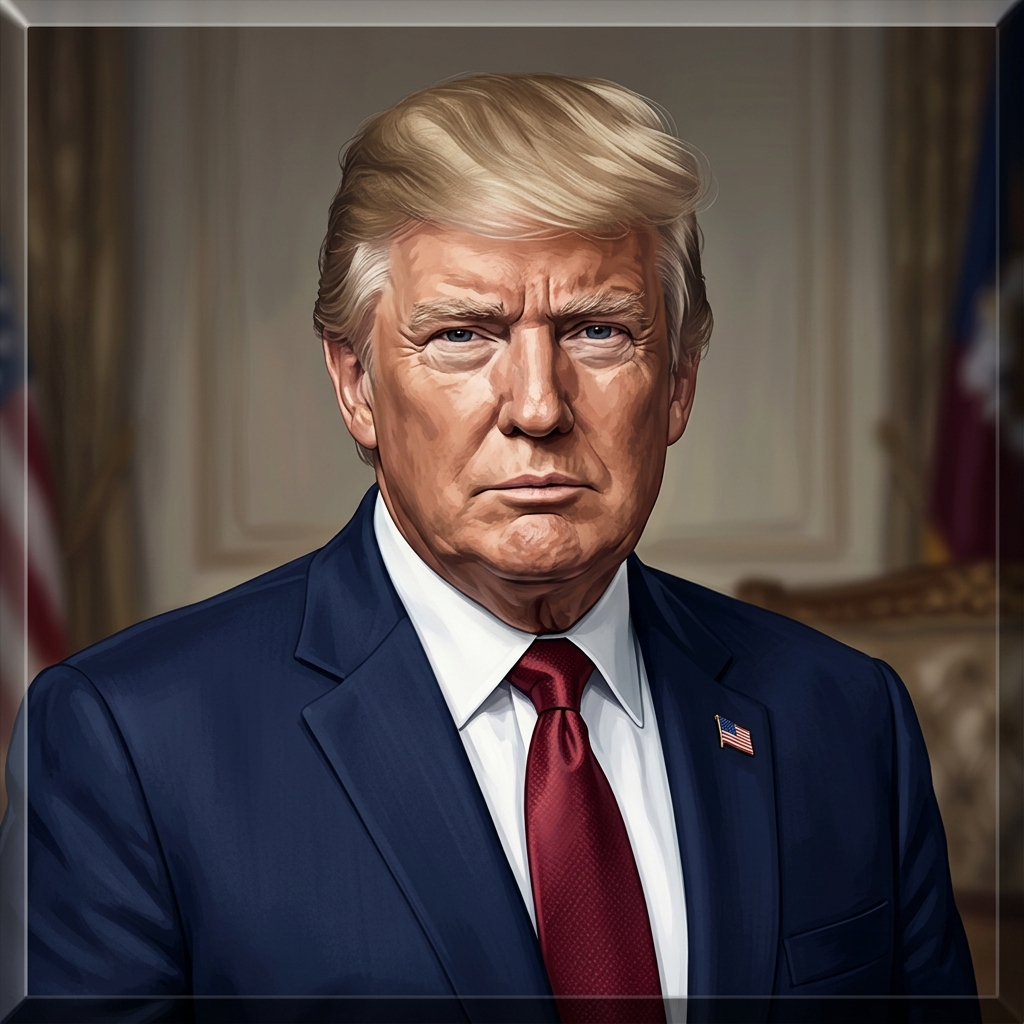
In trade, Mexican President Claudia Sheinbaum and US President Donald Trump have been engaged in negotiations toward a new bilateral trade deal.
The two sides have conflicting interests in these negotiations: Sheinbaum is seeking a decrease in tariffs, while the United States is engaged in talks over the terms of the trade relationship.
This reflects a broader pattern of competition and cooperation between the two countries, which also extends to sports such as soccer and baseball.
Beyond trade, the rivalry between the two countries is evident in sports.
Their men's national soccer teams are scheduled to play a friendly at State Farm Stadium in Glendale, Arizona, on October 3, 2026.
In baseball, the United States defeated Mexico 5-3 in a World Baseball Classic game on March 9, 2026.
These events illustrate the multifaceted nature of the Mexico–United States relationship.
*AI-generated summary of publicly available data. This is not an official statement of any party.
*AI-generated summary of publicly available statements and reporting. This is not an official statement of this party.
Supporters of the United States argue that trade terms must protect domestic industry and cultural identity, maintaining that tariff relief for Mexico should come only with guarantees that US workers and communities are not undercut.
Supporters of the United States argue that trade deals must protect American workers and cultural identity, maintaining that tariff relief for Mexico should come only with terms that put US national interests first.
Supporters of the United States counter that tariff relief weakens domestic cultural industries, arguing that protecting American manufacturing and craft traditions sustains national identity and self-reliance.
Supporters of the United States argue that tariff relief for Mexico must be legally conditioned on enforceable trade terms, since US law permits tariff adjustments only when reciprocal obligations are secured and verified.
Supporters of the United States argue that tariff relief for Mexico must be conditioned on enforceable legal terms that protect US workers and industries, framing fairness as reciprocal obligation rather than unilateral concession.
Supporters of United States counter that WTO Article XXI and USMCA national-security exceptions let tariff decisions stay sovereign, so treaty bindings do not require lowering them.
Supporters of the United States argue that tariff relief for Mexico must be earned through concessions, since leverage—not goodwill—drives bilateral deals, and Sheinbaum's request signals Mexico needs the agreement more.
Supporters of the United States see tariff leverage as the core of the talks, arguing that holding the threat over Mexico is what forces Sheinbaum to negotiate on US terms rather than concede first.
Supporters of the United States counter that leader-to-leader appeals cut both ways: Trump grants relief only against enforceable concessions, so Mexico's call signals dependence, not leverage, since US markets and border enforcement remain the stronger bargaining chips.
Supporters of the United States argue a fair trade deal must protect American workers and industries, maintaining that tariff reductions should come only with real concessions from Mexico.
Supporters of the United States argue that fair trade requires Mexico to curb fentanyl flows and migration first, framing tariff leverage as a moral duty to protect American lives.
Supporters of the United States counter that moral fairness also binds Mexico: US tariff leverage exists precisely because Mexico's own trade barriers and labor practices fall short, so unilateral concession would reward inequity, not correct it.
Supporters of the United States argue that trade talks with Mexico are bound by a moral duty to pursue fair terms, invoking scripture's call for honest scales and just dealings between nations.
Supporters of the United States argue that fair trade aligned with moral stewardship and national duty honors divine law, citing scripture that a just nation weighs its dealings honestly.
Supporters of the United States counter that no single faith tradition can bind a pluralist nation, and that trade policy must serve all citizens equally rather than privilege one church's moral order.
*AI-generated summary of publicly available statements and reporting. This is not an official statement of this party.
Supporters of Mexico argue that tariff relief protects the cultural continuity of Mexican industries and communities, maintaining that inherited livelihoods and regional traditions depend on stable cross-border trade.
Supporters of Mexico argue that sovereignty and cultural dignity require fair terms, not imposed tariffs, and that Sheinbaum’s push for tariff relief protects Mexican workers and traditions within a balanced bilateral relationship.
Supporters of Mexico counter that Mexico's cultural identity is itself built on cross-border exchange, and that walls of protectionism threaten the shared heritage binding both nations.
Supporters of Mexico argue that Article II of the USMCA and WTO tariff-binding rules require the US to lower tariffs, since Sheinbaum's talks seek relief consistent with those treaty commitments.
Supporters of Mexico argue that tariff relief is a legal obligation under existing bilateral trade rules, not a concession. They maintain that continued tariffs breach agreed market-access terms and that negotiations must restore compliance with those commitments.
Supporters of Mexico counter that US law itself, under Trade Promotion Authority and WTO commitments, permits unilateral tariff relief without new reciprocal conditions, so demanding enforceable terms as a precondition lacks a legal basis.
Supporters of Mexico argue that Sheinbaum's direct call to Trump is leverage: by negotiating leader-to-leader, Mexico trades access and cooperation for tariff relief, since US pressure needs Mexican compliance more than Mexico needs US goodwill.
Supporters of Mexico argue that Sheinbaum’s tariff appeal is leverage: by negotiating directly with Trump, they maintain Mexico trades concessions for relief, knowing US supply chains need Mexican labor.
Supporters of Mexico counter that Sheinbaum's public request itself is leverage, signaling to U.S. exporters and border-state lawmakers that failure carries their own political cost, forcing Washington to weigh concessions against domestic blowback.
Supporters of Mexico argue that fair trade requires the US to lower tariffs that burden Mexican workers, framing tariff relief as a moral matter of equity and mutual respect between neighboring economies.
Supporters of Mexico argue that fairness demands the US lower tariffs, since working families on both sides bear the cost of unequal trade terms while powerful interests benefit.
Supporters of Mexico counter that framing trade as a concession to be extracted treats human beings as bargaining chips, and that migrants' dignity and labor rights are moral entitlements, not leverage for American industry.
Supporters of Mexico argue that the nation's Catholic heritage and devotion to Our Lady of Guadalupe ground its sovereignty and dignity, so trade talks must respect Mexico's inherited moral order rather than reduce it to mere market terms.
Supporters of Mexico argue that defending national sovereignty and the dignity of its people is a moral duty, and they maintain that fair trade talks honoring each nation's God-given right to self-rule reflect the religious principle of justice between peoples.
Supporters of Mexico counter that scripture also commands honor to inherited covenants; they argue longstanding cross-border religious and cultural ties bind the talks to precedent, not to new scales.
AI-generated summary of publicly available statements and reporting. This is not an official statement of this party.
Supporters of the United States argue that trade terms must protect domestic industry and cultural identity, maintaining that tariff relief for Mexico should come only with guarantees that US workers and communities are not undercut.
Supporters of the United States argue that trade deals must protect American workers and cultural identity, maintaining that tariff relief for Mexico should come only with terms that put US national interests first.
Supporters of the United States counter that tariff relief weakens domestic cultural industries, arguing that protecting American manufacturing and craft traditions sustains national identity and self-reliance.
Supporters of the United States argue that tariff relief for Mexico must be legally conditioned on enforceable trade terms, since US law permits tariff adjustments only when reciprocal obligations are secured and verified.
Supporters of the United States argue that tariff relief for Mexico must be conditioned on enforceable legal terms that protect US workers and industries, framing fairness as reciprocal obligation rather than unilateral concession.
Supporters of United States counter that WTO Article XXI and USMCA national-security exceptions let tariff decisions stay sovereign, so treaty bindings do not require lowering them.
Supporters of the United States argue that tariff relief for Mexico must be earned through concessions, since leverage—not goodwill—drives bilateral deals, and Sheinbaum's request signals Mexico needs the agreement more.
Supporters of the United States see tariff leverage as the core of the talks, arguing that holding the threat over Mexico is what forces Sheinbaum to negotiate on US terms rather than concede first.
Supporters of the United States counter that leader-to-leader appeals cut both ways: Trump grants relief only against enforceable concessions, so Mexico's call signals dependence, not leverage, since US markets and border enforcement remain the stronger bargaining chips.
Supporters of the United States argue a fair trade deal must protect American workers and industries, maintaining that tariff reductions should come only with real concessions from Mexico.
Supporters of the United States argue that fair trade requires Mexico to curb fentanyl flows and migration first, framing tariff leverage as a moral duty to protect American lives.
Supporters of the United States counter that moral fairness also binds Mexico: US tariff leverage exists precisely because Mexico's own trade barriers and labor practices fall short, so unilateral concession would reward inequity, not correct it.
Supporters of the United States argue that trade talks with Mexico are bound by a moral duty to pursue fair terms, invoking scripture's call for honest scales and just dealings between nations.
Supporters of the United States argue that fair trade aligned with moral stewardship and national duty honors divine law, citing scripture that a just nation weighs its dealings honestly.
Supporters of the United States counter that no single faith tradition can bind a pluralist nation, and that trade policy must serve all citizens equally rather than privilege one church's moral order.
Supporters of Mexico argue that tariff relief protects the cultural continuity of Mexican industries and communities, maintaining that inherited livelihoods and regional traditions depend on stable cross-border trade.
Supporters of Mexico argue that sovereignty and cultural dignity require fair terms, not imposed tariffs, and that Sheinbaum’s push for tariff relief protects Mexican workers and traditions within a balanced bilateral relationship.
Supporters of Mexico counter that Mexico's cultural identity is itself built on cross-border exchange, and that walls of protectionism threaten the shared heritage binding both nations.
Supporters of Mexico argue that Article II of the USMCA and WTO tariff-binding rules require the US to lower tariffs, since Sheinbaum's talks seek relief consistent with those treaty commitments.
Supporters of Mexico argue that tariff relief is a legal obligation under existing bilateral trade rules, not a concession. They maintain that continued tariffs breach agreed market-access terms and that negotiations must restore compliance with those commitments.
Supporters of Mexico counter that US law itself, under Trade Promotion Authority and WTO commitments, permits unilateral tariff relief without new reciprocal conditions, so demanding enforceable terms as a precondition lacks a legal basis.
Supporters of Mexico argue that Sheinbaum's direct call to Trump is leverage: by negotiating leader-to-leader, Mexico trades access and cooperation for tariff relief, since US pressure needs Mexican compliance more than Mexico needs US goodwill.
Supporters of Mexico argue that Sheinbaum’s tariff appeal is leverage: by negotiating directly with Trump, they maintain Mexico trades concessions for relief, knowing US supply chains need Mexican labor.
Supporters of Mexico counter that Sheinbaum's public request itself is leverage, signaling to U.S. exporters and border-state lawmakers that failure carries their own political cost, forcing Washington to weigh concessions against domestic blowback.
Supporters of Mexico argue that fair trade requires the US to lower tariffs that burden Mexican workers, framing tariff relief as a moral matter of equity and mutual respect between neighboring economies.
Supporters of Mexico argue that fairness demands the US lower tariffs, since working families on both sides bear the cost of unequal trade terms while powerful interests benefit.
Supporters of Mexico counter that framing trade as a concession to be extracted treats human beings as bargaining chips, and that migrants' dignity and labor rights are moral entitlements, not leverage for American industry.
Supporters of Mexico argue that the nation's Catholic heritage and devotion to Our Lady of Guadalupe ground its sovereignty and dignity, so trade talks must respect Mexico's inherited moral order rather than reduce it to mere market terms.
Supporters of Mexico argue that defending national sovereignty and the dignity of its people is a moral duty, and they maintain that fair trade talks honoring each nation's God-given right to self-rule reflect the religious principle of justice between peoples.
Supporters of Mexico counter that scripture also commands honor to inherited covenants; they argue longstanding cross-border religious and cultural ties bind the talks to precedent, not to new scales.
The United States men's national soccer team is scheduled to play Mexico in a friendly at State Farm Stadium in Glendale, Arizona.
Mexican president says she is seeking a decrease in tariffs as both countries seek new bilateral trade deal.
The United States men's national baseball team defeated Mexico 5-3 in a World Baseball Classic game.