Kashmiri political and religious critics
?
?
VS
Modi government
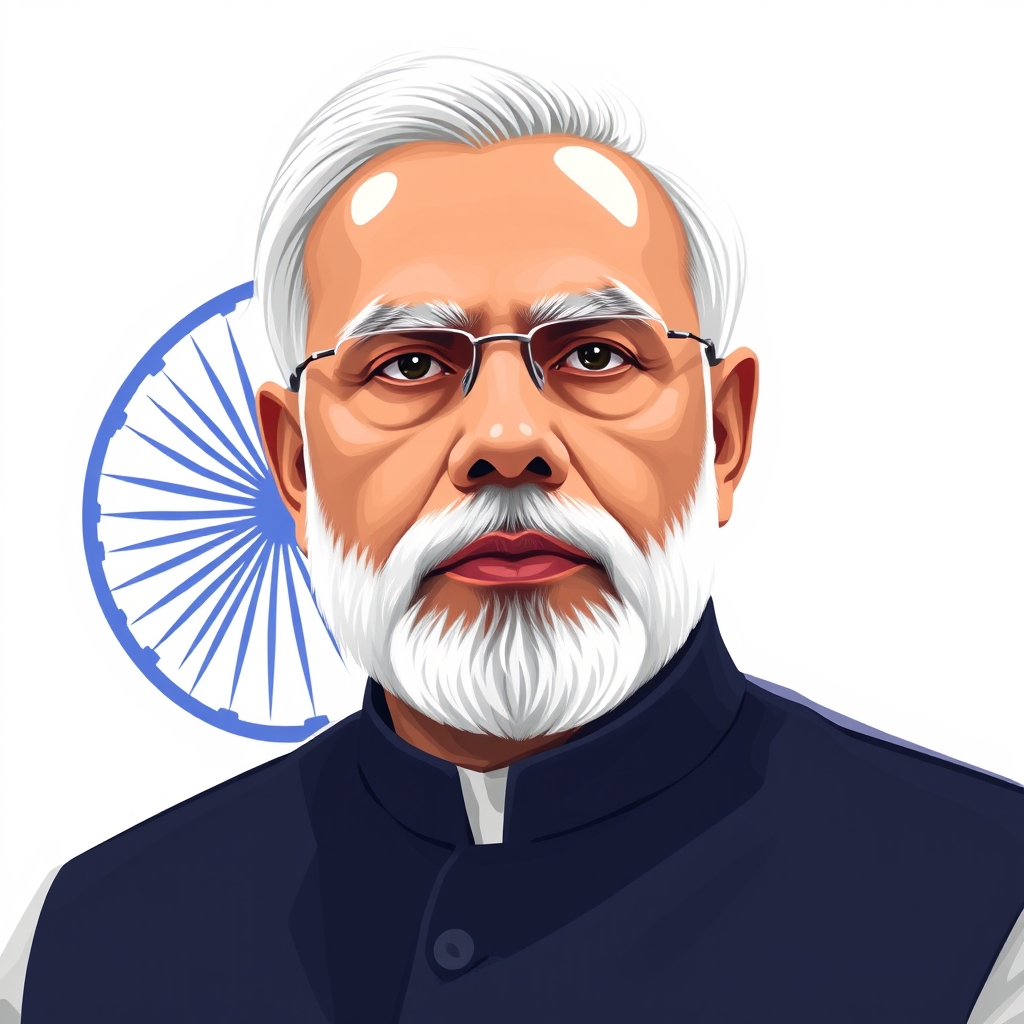

A proposal to standardize Friday sermons across mosques in Kashmir has sparked backlash from political and religious critics, who accuse India's Modi government of curbing freedom of religion and expression in the region.
*AI-generated summary of publicly available data. This is not an official statement of any party.
*AI-generated summary of publicly available statements and reporting. This is not an official statement of this party.
Supporters of Kashmiri political and religious critics argue that mandating uniform Friday sermons threatens a distinct regional religious culture, recalling past eras when outside rulers sought to reshape local worship.
Supporters of Kashmiri political and religious critics argue uniform sermons threaten Kashmir's distinct cultural and religious identity, recalling past impositions on the region.
Supporters of Kashmiri political and religious critics counter that Kashmir's mosque culture has long been rooted in local Sufi traditions and vernacular sermons, so imposed uniformity erases that distinct heritage rather than integrating it.
Supporters of Kashmiri political and religious critics argue that standardizing Friday sermons violates international human-rights law and India's constitutional guarantees of religious freedom and free expression.
Supporters of Kashmiri critics argue that standardizing Friday sermons breaches international human rights law, citing guarantees of religious freedom and free expression that India is bound to uphold.
Supporters of Kashmiri political and religious critics counter that Article 25's protection of religious freedom and the 1993 Ismail Faruqui ruling limit state regulation of religious practice, so sermon standardization exceeds lawful authority.
Supporters of Kashmiri critics argue the sermon plan is really about power: controlling the pulpit secures loyalty and silences dissent, so religious freedom is the pretext, not the point.
Supporters of Kashmiri critics argue the sermon plan is less about faith than control: whoever scripts the Friday pulpit shapes the street, so they read it as Modi's bid to centralize power and mute dissent.
Supporters of Kashmiri critics counter that sermon control is less about order than about power: whoever scripts the pulpit owns the narrative, so the mosque becomes an instrument of rule, not faith.
Supporters of Kashmiri political and religious critics argue that standardizing Friday sermons in Kashmir violates religious freedom, contending that faith communities, not the state, hold the moral authority to guide worship.
Supporters of Kashmiri political and religious critics argue that standardizing Friday sermons is a moral wrong because it lets the Modi government dictate religious expression in Kashmir, violating freedom of conscience.
Supporters of Kashmiri political and religious critics counter that a moral duty to protect public order cannot justify the state scripting sermons, since imposed uniformity in worship itself erodes the religious freedom the law claims to preserve.
Supporters of Kashmiri political and religious critics argue the state has no rightful authority to dictate sermon content, since religious teaching is a matter of conscience and inherited tradition, not government administration.
Supporters of Kashmiri political and religious critics argue that faith communities possess inherited authority over their own sermons, and that state-standardized Friday khutbahs displace longstanding religious tradition in Kashmir.
Supporters of Kashmiri political and religious critics counter that the state dictating sermons in mosques usurps the imam's religious authority, turning prayer into an instrument of government control rather than a matter of faith.
*AI-generated summary of publicly available statements and reporting. This is not an official statement of this party.
Supporters of Modi government frame uniform Friday sermons as cultural integration, arguing standardized messaging curbs separatist rhetoric and aligns Kashmiri mosques with national identity.
Supporters of the Modi government frame standardized Friday sermons as cultural integration, arguing that shared civic messaging strengthens Kashmir's ties to India's national identity rather than erasing local religious tradition.
Supporters of Modi government reject that claim, arguing mosque sermons are a religious matter, not a regional cultural identity, and that no government should dictate worship content to any community.
Supporters of Modi government argue the sermon standardization is a lawful administrative measure, not a religious restriction, since India's Constitution permits the state to regulate secular matters for public order.
Supporters of Modi government argue the sermon standards are a lawful administrative measure to prevent incitement, not a restriction on religious practice.
Supporters of Modi government counter that Article 25's freedom of religion is subject to public order and the state's regulatory power, so standardizing sermons falls within lawful administration, not a rights violation.
Supporters of Modi government argue uniform Friday sermons curb external incitement and standardize messaging, treating religious speech as a governable lever for order in Kashmir.
Supporters of Modi government argue uniform Friday sermons curb outside incitement and consolidate state authority in Kashmir, since controlling the pulpit is cheaper than policing every street.
Supporters of Modi government counter that control of the pulpit is standard governance: states co-opt clergy everywhere to prevent radicalization, and loyalty bought through funded sermons is cheaper than insurgency.
Supporters of Modi government argue that standardizing Friday sermons is a moral duty to prevent incitement and protect public order, maintaining that Kashmir's religious freedom remains intact under the law.
Supporters of Modi government argue that uniform Friday sermons are a moral safeguard against hate speech and radicalization, protecting Kashmiris' safety and religious freedom rather than restricting it.
Supporters of Modi government counter that the state holds a moral duty to prevent places of worship from being misused to incite violence, and that regulating sermons protects the faithful rather than restricting them.
Supporters of Modi government argue the sermon plan only ensures imams preach peace and lawful conduct, not sedition, citing religious doctrine that honors governing authorities—so they see no violation of faith.
Supporters of Modi government argue that standardized Friday sermons protect religious freedom by preventing incitement, citing the state's duty under dharma to uphold order and communal harmony across all faiths in Kashmir.
Supporters of the Modi government invoke the 2018 Supreme Court ruling in Sabarimala, arguing courts have upheld state authority over religious practice when constitutional rights are at stake.
AI-generated summary of publicly available statements and reporting. This is not an official statement of this party.
Supporters of Kashmiri political and religious critics argue that mandating uniform Friday sermons threatens a distinct regional religious culture, recalling past eras when outside rulers sought to reshape local worship.
Supporters of Kashmiri political and religious critics argue uniform sermons threaten Kashmir's distinct cultural and religious identity, recalling past impositions on the region.
Supporters of Kashmiri political and religious critics counter that Kashmir's mosque culture has long been rooted in local Sufi traditions and vernacular sermons, so imposed uniformity erases that distinct heritage rather than integrating it.
Supporters of Kashmiri political and religious critics argue that standardizing Friday sermons violates international human-rights law and India's constitutional guarantees of religious freedom and free expression.
Supporters of Kashmiri critics argue that standardizing Friday sermons breaches international human rights law, citing guarantees of religious freedom and free expression that India is bound to uphold.
Supporters of Kashmiri political and religious critics counter that Article 25's protection of religious freedom and the 1993 Ismail Faruqui ruling limit state regulation of religious practice, so sermon standardization exceeds lawful authority.
Supporters of Kashmiri critics argue the sermon plan is really about power: controlling the pulpit secures loyalty and silences dissent, so religious freedom is the pretext, not the point.
Supporters of Kashmiri critics argue the sermon plan is less about faith than control: whoever scripts the Friday pulpit shapes the street, so they read it as Modi's bid to centralize power and mute dissent.
Supporters of Kashmiri critics counter that sermon control is less about order than about power: whoever scripts the pulpit owns the narrative, so the mosque becomes an instrument of rule, not faith.
Supporters of Kashmiri political and religious critics argue that standardizing Friday sermons in Kashmir violates religious freedom, contending that faith communities, not the state, hold the moral authority to guide worship.
Supporters of Kashmiri political and religious critics argue that standardizing Friday sermons is a moral wrong because it lets the Modi government dictate religious expression in Kashmir, violating freedom of conscience.
Supporters of Kashmiri political and religious critics counter that a moral duty to protect public order cannot justify the state scripting sermons, since imposed uniformity in worship itself erodes the religious freedom the law claims to preserve.
Supporters of Kashmiri political and religious critics argue the state has no rightful authority to dictate sermon content, since religious teaching is a matter of conscience and inherited tradition, not government administration.
Supporters of Kashmiri political and religious critics argue that faith communities possess inherited authority over their own sermons, and that state-standardized Friday khutbahs displace longstanding religious tradition in Kashmir.
Supporters of Kashmiri political and religious critics counter that the state dictating sermons in mosques usurps the imam's religious authority, turning prayer into an instrument of government control rather than a matter of faith.
Supporters of Modi government frame uniform Friday sermons as cultural integration, arguing standardized messaging curbs separatist rhetoric and aligns Kashmiri mosques with national identity.
Supporters of the Modi government frame standardized Friday sermons as cultural integration, arguing that shared civic messaging strengthens Kashmir's ties to India's national identity rather than erasing local religious tradition.
Supporters of Modi government reject that claim, arguing mosque sermons are a religious matter, not a regional cultural identity, and that no government should dictate worship content to any community.
Supporters of Modi government argue the sermon standardization is a lawful administrative measure, not a religious restriction, since India's Constitution permits the state to regulate secular matters for public order.
Supporters of Modi government argue the sermon standards are a lawful administrative measure to prevent incitement, not a restriction on religious practice.
Supporters of Modi government counter that Article 25's freedom of religion is subject to public order and the state's regulatory power, so standardizing sermons falls within lawful administration, not a rights violation.
Supporters of Modi government argue uniform Friday sermons curb external incitement and standardize messaging, treating religious speech as a governable lever for order in Kashmir.
Supporters of Modi government argue uniform Friday sermons curb outside incitement and consolidate state authority in Kashmir, since controlling the pulpit is cheaper than policing every street.
Supporters of Modi government counter that control of the pulpit is standard governance: states co-opt clergy everywhere to prevent radicalization, and loyalty bought through funded sermons is cheaper than insurgency.
Supporters of Modi government argue that standardizing Friday sermons is a moral duty to prevent incitement and protect public order, maintaining that Kashmir's religious freedom remains intact under the law.
Supporters of Modi government argue that uniform Friday sermons are a moral safeguard against hate speech and radicalization, protecting Kashmiris' safety and religious freedom rather than restricting it.
Supporters of Modi government counter that the state holds a moral duty to prevent places of worship from being misused to incite violence, and that regulating sermons protects the faithful rather than restricting them.
Supporters of Modi government argue the sermon plan only ensures imams preach peace and lawful conduct, not sedition, citing religious doctrine that honors governing authorities—so they see no violation of faith.
Supporters of Modi government argue that standardized Friday sermons protect religious freedom by preventing incitement, citing the state's duty under dharma to uphold order and communal harmony across all faiths in Kashmir.
Supporters of the Modi government invoke the 2018 Supreme Court ruling in Sabarimala, arguing courts have upheld state authority over religious practice when constitutional rights are at stake.
Political and religious critics accuse India's Modi government of curbing Kashmir's freedom of religion and expression.