Moroccan authorities
VS
Mehdi El Youbi
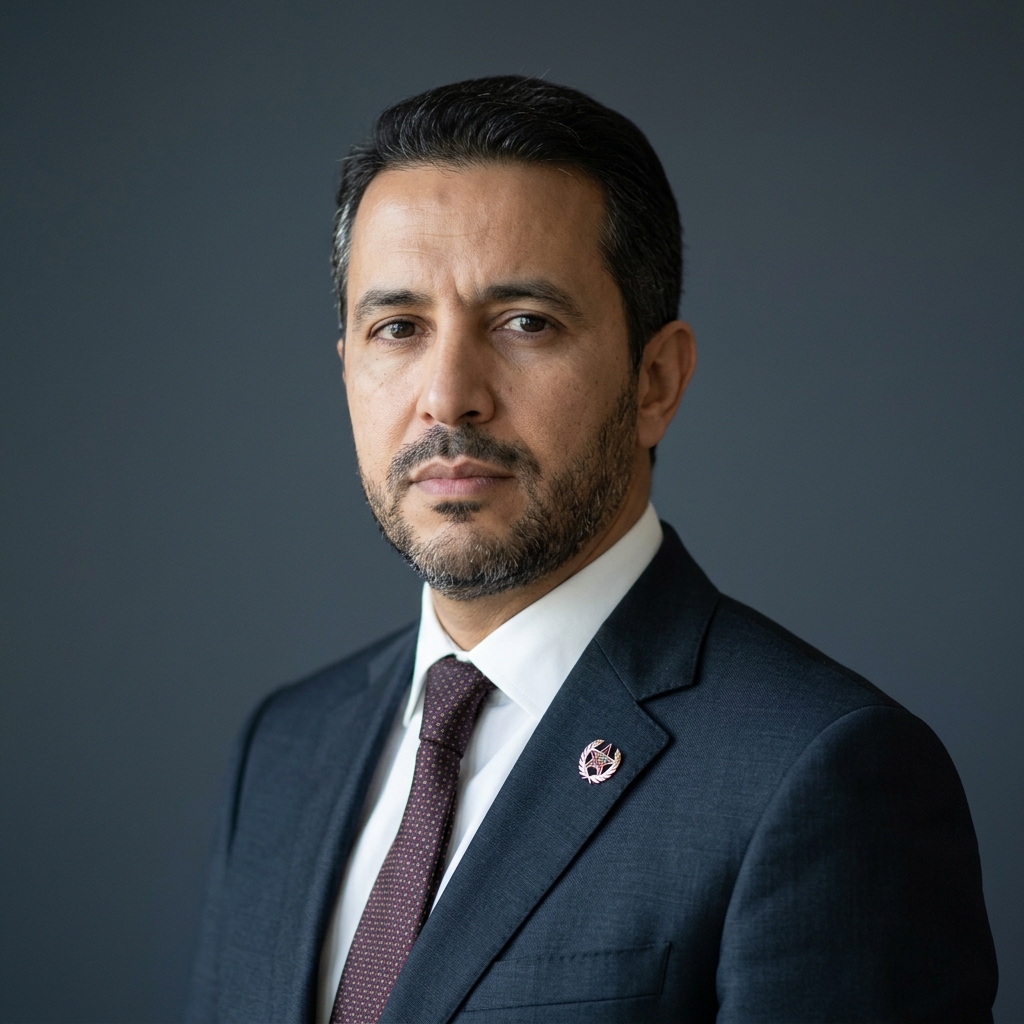
Moroccan rapper Mehdi El Youbi, also known as Mehdi Black Wind, was arrested in Casablanca in July 2026 after being questioned by Morocco's National Brigade of Judicial Police.
He faces prosecution over a song that criticizes the authorities, with charges brought under Article 179 of the Moroccan penal code.
The case has sparked protests outside a court in Casablanca demanding his release, and activists link his arrest to a broader crackdown on critical voices and the Gen Z protest movement.
El Youbi, an outspoken government critic, could face up to two years in prison if convicted.
*AI-generated summary of publicly available data. This is not an official statement of any party.
*AI-generated summary of publicly available statements and reporting. This is not an official statement of this party.
Supporters of Moroccan authorities argue that Article 179 protects cultural institutions and social cohesion, framing El Youbi's prosecution as upholding respect for constitutional order rather than silencing speech.
Supporters of Moroccan authorities argue that the arrest of rapper Mehdi El Youbi upholds cultural norms of respect for national institutions, viewing his lyrics as a breach of social harmony rather than mere dissent.
Supporters of Moroccan authorities counter that artistic expression carries civic responsibility, and that preserving cultural norms protects social cohesion for all generations, not just the youth.
Supporters of Moroccan authorities argue the arrest of Mehdi El Youbi is a lawful application of Article 179, which criminalizes insults to constitutional institutions, and that judicial review, not protest, is the proper venue for contesting the charge.
Supporters of Moroccan authorities argue that El Youbi's prosecution under Article 179 is a lawful application of the penal code, which prohibits insults to constitutional institutions, not a crackdown on dissent.
Supporters of Moroccan authorities counter that Article 179 targets incitement to violence, not mere criticism, and they argue that the song's lyrics crossed a legal threshold distinct from protected expression under Morocco's constitutional framework.
Supporters of Moroccan authorities argue the arrest is a lawful application of Article 179, not political suppression, citing El Youbi’s prior detention as proof of a pattern that any state would act on to preserve institutional stability amid Gen Z unrest.
Supporters of Moroccan authorities argue that El Youbi's arrest under Article 179 is a calculated deterrent, defending institutional sanctity against provocative speech that fuels Gen Z unrest.
Supporters of Moroccan authorities counter that Article 179 targets any threat to public order, regardless of age, and El Youbi’s case follows established legal procedure, not political theater. They argue that institutional stability requires consistent enforcement, and.
Supporters of Moroccan authorities argue that enforcing Article 179 upholds legal order, protecting state institutions from defamation, a moral duty they see as balancing free speech with societal stability.
Supporters of Moroccan authorities argue that enforcing Article 179 upholds legal order over artistic excess, viewing El Youbi’s lyrics as a breach of institutional respect, not mere criticism.
Supporters of Moroccan authorities counter that protecting public order and religious sensitivities is a moral duty, and that the song's lyrics crossed a line from critique into provocation, warranting a legal response.
Supporters of Moroccan authorities argue that the legal action against El Youbi upholds the moral order and sacred respect for constitutional institutions, viewing his lyrics as a violation of societal harmony rather than mere artistic expression.
Supporters of Moroccan authorities argue that the penal code’s protection of constitutional institutions reflects a sacred duty to preserve societal order, viewing El Youbi’s lyrics as a breach of that trust.
Supporters of Moroccan authorities counter that divine justice itself upholds lawful order, as scripture binds believers to obey constituted rulers, and that El Youbi’s arrest reflects a faithful application of that principle, not a breach of it.
*AI-generated summary of publicly available statements and reporting. This is not an official statement of this party.
Supporters of Mehdi El Youbi argue his lyrics reflect youth identity, not criminality, and see the charges as a cultural clash between state tradition and Gen Z expression.
Supporters of Mehdi El Youbi argue his prosecution targets Moroccan youth culture, where rap serves as a vital voice for identity and dissent. They maintain that criminalizing his lyrics undermines the cultural expression of a generation asserting its place in national life.
Supporters of Mehdi El Youbi counter that cultural cohesion cannot be built on selective silencing, arguing that true Moroccan identity thrives on diverse voices, not state-imposed orthodoxies.
Supporters of Mehdi El Youbi argue that Article 179 criminalizes protected expression, and they maintain that the arrest of the rapper for a song's criticism violates Morocco's legal obligation to uphold constitutional free-speech guarantees.
Supporters of Mehdi El Youbi argue that Article 179 criminalizes artistic expression, violating Morocco’s constitutional guarantees of free speech and fair trial standards.
Supporters of Mehdi El Youbi counter that Article 179’s vague scope chills protected political speech, and that pre-trial detention for a nonviolent expression offense violates Morocco’s own constitutional guarantees of fair trial and presumption of innocence, as judicial review.
Supporters of Mehdi El Youbi argue the arrest is pure realpolitik: a calculated signal from Morocco’s authorities to intimidate Gen Z critics, using Article 179 as a legal weapon to defend institutional power, not justice.
Supporters of Mehdi El Youbi argue his arrest is a calculated display of power, not justice—Morocco targets a loud voice to deter the Gen Z protest movement. They see Article 179 as a tool for political control, wielded precisely because his critique threatened the regime’s.
Supporters of Mehdi El Youbi counter that Article 179 is a convenient legal mask for preemptive silencing, noting the timing aligns with Gen Z protests, not a neutral pattern. They argue prior detention proves the state weaponizes law to deter future dissent, prioritizing regime.
Supporters of Mehdi El Youbi argue that prosecuting his song under Article 179 is a moral wrong, silencing dissent through fear and punishing artistic critique as a crime.
Supporters of Mehdi El Youbi argue that criminalizing his song under Article 179 punishes artistic expression rather than protecting institutions, treating dissent as a crime and silencing critical voices.
Supporters of Mehdi El Youbi counter that silencing dissent in the name of stability is a moral failure, as true justice requires protecting the vulnerable from state abuse, not shielding institutions from accountability.
Supporters of Mehdi El Youbi argue that his arrest violates the divine duty to speak truth to power, citing scripture that commands justice over silence, and they view his prosecution as a moral test of faith against state overreach.
Supporters of Mehdi El Youbi argue that his prosecution violates the divine mandate for truth-telling, citing scripture that calls for speaking justice even against rulers. They maintain that faith requires protecting prophetic voices, not silencing them.
Supporters of Mehdi El Youbi counter that divine law, not state decree, alone judges the heart, and that Morocco’s constitution guarantees artistic freedom as a sacred trust.
AI-generated summary of publicly available statements and reporting. This is not an official statement of this party.
Supporters of Moroccan authorities argue that Article 179 protects cultural institutions and social cohesion, framing El Youbi's prosecution as upholding respect for constitutional order rather than silencing speech.
Supporters of Moroccan authorities argue that the arrest of rapper Mehdi El Youbi upholds cultural norms of respect for national institutions, viewing his lyrics as a breach of social harmony rather than mere dissent.
Supporters of Moroccan authorities counter that artistic expression carries civic responsibility, and that preserving cultural norms protects social cohesion for all generations, not just the youth.
Supporters of Moroccan authorities argue the arrest of Mehdi El Youbi is a lawful application of Article 179, which criminalizes insults to constitutional institutions, and that judicial review, not protest, is the proper venue for contesting the charge.
Supporters of Moroccan authorities argue that El Youbi's prosecution under Article 179 is a lawful application of the penal code, which prohibits insults to constitutional institutions, not a crackdown on dissent.
Supporters of Moroccan authorities counter that Article 179 targets incitement to violence, not mere criticism, and they argue that the song's lyrics crossed a legal threshold distinct from protected expression under Morocco's constitutional framework.
Supporters of Moroccan authorities argue the arrest is a lawful application of Article 179, not political suppression, citing El Youbi’s prior detention as proof of a pattern that any state would act on to preserve institutional stability amid Gen Z unrest.
Supporters of Moroccan authorities argue that El Youbi's arrest under Article 179 is a calculated deterrent, defending institutional sanctity against provocative speech that fuels Gen Z unrest.
Supporters of Moroccan authorities counter that Article 179 targets any threat to public order, regardless of age, and El Youbi’s case follows established legal procedure, not political theater. They argue that institutional stability requires consistent enforcement, and.
Supporters of Moroccan authorities argue that enforcing Article 179 upholds legal order, protecting state institutions from defamation, a moral duty they see as balancing free speech with societal stability.
Supporters of Moroccan authorities argue that enforcing Article 179 upholds legal order over artistic excess, viewing El Youbi’s lyrics as a breach of institutional respect, not mere criticism.
Supporters of Moroccan authorities counter that protecting public order and religious sensitivities is a moral duty, and that the song's lyrics crossed a line from critique into provocation, warranting a legal response.
Supporters of Moroccan authorities argue that the legal action against El Youbi upholds the moral order and sacred respect for constitutional institutions, viewing his lyrics as a violation of societal harmony rather than mere artistic expression.
Supporters of Moroccan authorities argue that the penal code’s protection of constitutional institutions reflects a sacred duty to preserve societal order, viewing El Youbi’s lyrics as a breach of that trust.
Supporters of Moroccan authorities counter that divine justice itself upholds lawful order, as scripture binds believers to obey constituted rulers, and that El Youbi’s arrest reflects a faithful application of that principle, not a breach of it.
Supporters of Mehdi El Youbi argue his lyrics reflect youth identity, not criminality, and see the charges as a cultural clash between state tradition and Gen Z expression.
Supporters of Mehdi El Youbi argue his prosecution targets Moroccan youth culture, where rap serves as a vital voice for identity and dissent. They maintain that criminalizing his lyrics undermines the cultural expression of a generation asserting its place in national life.
Supporters of Mehdi El Youbi counter that cultural cohesion cannot be built on selective silencing, arguing that true Moroccan identity thrives on diverse voices, not state-imposed orthodoxies.
Supporters of Mehdi El Youbi argue that Article 179 criminalizes protected expression, and they maintain that the arrest of the rapper for a song's criticism violates Morocco's legal obligation to uphold constitutional free-speech guarantees.
Supporters of Mehdi El Youbi argue that Article 179 criminalizes artistic expression, violating Morocco’s constitutional guarantees of free speech and fair trial standards.
Supporters of Mehdi El Youbi counter that Article 179’s vague scope chills protected political speech, and that pre-trial detention for a nonviolent expression offense violates Morocco’s own constitutional guarantees of fair trial and presumption of innocence, as judicial review.
Supporters of Mehdi El Youbi argue the arrest is pure realpolitik: a calculated signal from Morocco’s authorities to intimidate Gen Z critics, using Article 179 as a legal weapon to defend institutional power, not justice.
Supporters of Mehdi El Youbi argue his arrest is a calculated display of power, not justice—Morocco targets a loud voice to deter the Gen Z protest movement. They see Article 179 as a tool for political control, wielded precisely because his critique threatened the regime’s.
Supporters of Mehdi El Youbi counter that Article 179 is a convenient legal mask for preemptive silencing, noting the timing aligns with Gen Z protests, not a neutral pattern. They argue prior detention proves the state weaponizes law to deter future dissent, prioritizing regime.
Supporters of Mehdi El Youbi argue that prosecuting his song under Article 179 is a moral wrong, silencing dissent through fear and punishing artistic critique as a crime.
Supporters of Mehdi El Youbi argue that criminalizing his song under Article 179 punishes artistic expression rather than protecting institutions, treating dissent as a crime and silencing critical voices.
Supporters of Mehdi El Youbi counter that silencing dissent in the name of stability is a moral failure, as true justice requires protecting the vulnerable from state abuse, not shielding institutions from accountability.
Supporters of Mehdi El Youbi argue that his arrest violates the divine duty to speak truth to power, citing scripture that commands justice over silence, and they view his prosecution as a moral test of faith against state overreach.
Supporters of Mehdi El Youbi argue that his prosecution violates the divine mandate for truth-telling, citing scripture that calls for speaking justice even against rulers. They maintain that faith requires protecting prophetic voices, not silencing them.
Supporters of Mehdi El Youbi counter that divine law, not state decree, alone judges the heart, and that Morocco’s constitution guarantees artistic freedom as a sacred trust.
Reports identified Mehdi El Youbi as also known as Mehdi Black Wind, following his arrest in Casablanca.
Activists said El Youbi's arrest coincides with Moroccan authorities' intensifying repression of critical voices and the Gen Z protest movement.
Moroccan rapper Mehdi El Youbi was arrested in Casablanca on Monday night after being questioned by the National Brigade of Judicial Police.
Protesters gathered outside a court in Casablanca to demand the release of Mehdi El Youbi, who faces up to two years in prison.
The rapper was detained in mid-July for allegedly insulting a constitutional institution.