Mozambique government

VS
Venâncio Mondlane
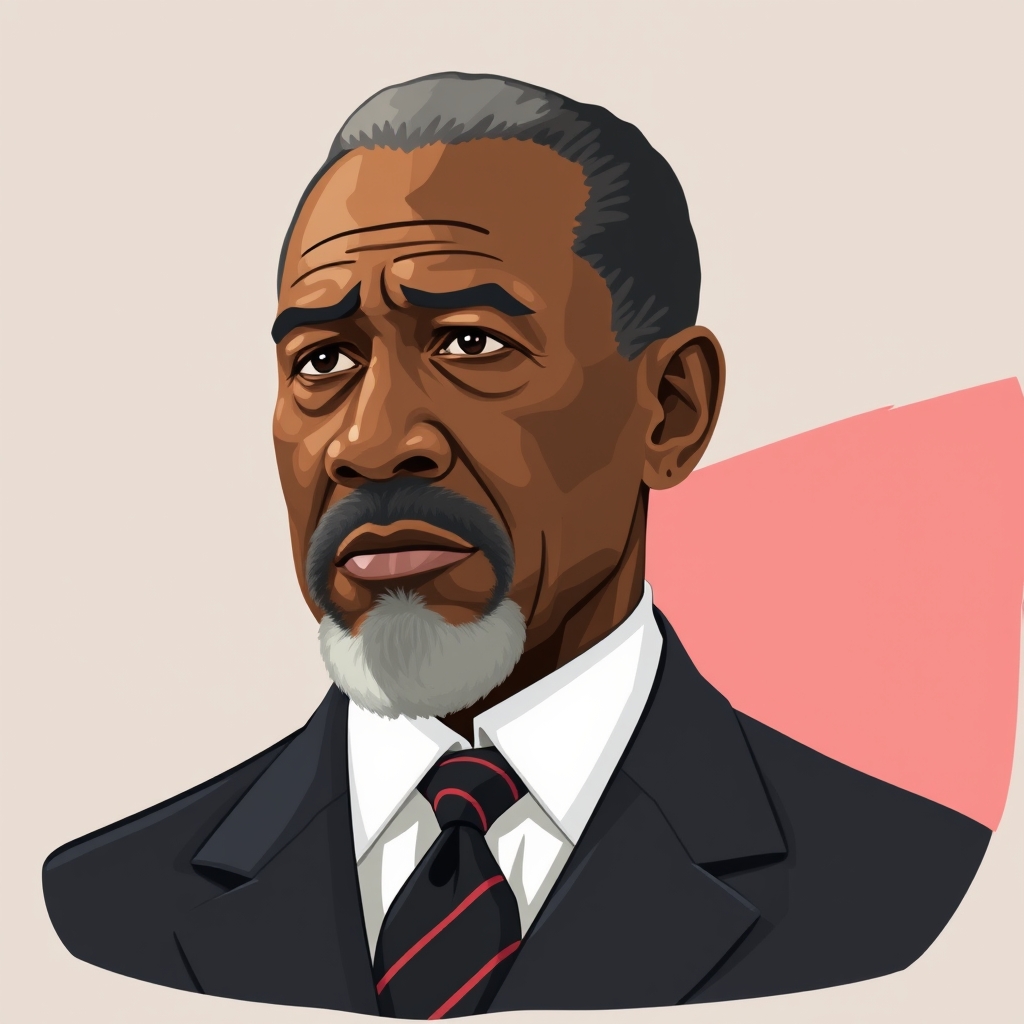
Venâncio Mondlane is a Mozambican opposition politician who ran for President of Mozambique in the 2024 election, supported by the PODEMOS party, and previously served as a member of the Assembly of the Republic.
The Mozambique government is led by President Daniel Chapo, who was declared the winner of the October 2024 election by the Constitutional Council with 65% of the vote, while Mondlane received 24%.
Mondlane rejected the election results, claiming he actually won, and his supporters held protests that led to clashes with security forces.
The government has responded by indicting Mondlane on charges including instigating and inciting terrorism, which critics describe as lawfare against the opposition.
The dispute centers on the legitimacy of the election outcome and the right to protest, with Mondlane facing legal consequences for his role in the demonstrations.
Despite the tensions, Mondlane has expressed openness to serving in the government led by his rival, Chapo, and in September 2025 he took a seat on the Council of State, a body that advises the president.
The situation reflects broader political instability in Mozambique, with reports of deaths and injuries during protest-related clashes.
*AI-generated summary of publicly available data. This is not an official statement of any party.
*AI-generated summary of publicly available statements and reporting. This is not an official statement of this party.
Supporters of the Mozambique government argue that preserving national stability is a cultural duty, viewing Mondlane’s challenges to the election as a threat to traditional civic order.
Supporters of Mozambique government argue that national unity and respect for electoral institutions outweigh individual protest claims, viewing Mondlane's charges as lawful defense of cultural order against disruption.
Supporters of the Mozambique government counter that protest, when framed as tradition, risks eroding the cultural primacy of communal stability and respect for established authority, which are deeper pillars of Mozambican identity than individual civic voice.
Supporters of the Mozambique government argue that Mondlane’s prosecution for inciting post-election unrest is a lawful application of criminal statutes, not political retaliation.
Supporters of Mozambique's government argue the charges against Mondlane follow lawful procedure, upholding electoral integrity and public order under the nation's legal framework.
Supporters of Mozambique government counter that the charges target unlawful incitement, not peaceful protest, citing legal statutes that criminalize calls for violence and disruption of public order.
Supporters of the Mozambique government argue that prosecuting Mondlane is a pragmatic move to enforce legal order, not political vengeance; in their view, the disputed election outcome is settled power, and unchecked protests threaten state stability.
Supporters of Mozambique government argue that charging Venâncio Mondlane is power consolidation, not justice; the state treats protest as insurrection to secure its grip on the disputed election outcome.
Supporters of the Mozambique government counter that the charges serve a pragmatic end: preserving order after a contested election, where unchecked dissent risks economic collapse and regional instability.
Supporters of the Mozambique government argue that holding Mondlane accountable upholds the moral duty to protect public order, as protests must not eclipse the rule of law. They maintain that lawful dispute resolution, not unrest, is the just path to electoral legitimacy.
Supporters of Mozambique’s government argue that accountability for post-election violence is a moral duty to protect public safety, upholding that no citizen’s rights are absolute when protests turn disruptive.
Supporters of Mozambique’s government counter that accountability for post-election violence upholds, not silences, democracy, arguing that peaceful dissent remains protected while destruction of property and public order breaches the moral duty of civic responsibility.
Supporters of Mozambique's government argue that Romans 13:1-2 upholds its authority to prosecute Mondlane, viewing the charges as lawful order against unrest that disrupts divine-ordained peace.
Supporters of Mozambique government argue that Romans 13:1-2 teaches all authority is ordained by God, so Mondlane’s protests against the disputed election defy divine order, and his prosecution upholds lawful rule.
Supporters of the Mozambique government counter that Romans 13:1-2 calls every soul to submit to governing authorities, as all power is ordained by God, and thus Mondlane’s trial upholds, not disrupts, divine order.
*AI-generated summary of publicly available statements and reporting. This is not an official statement of this party.
Supporters of Venâncio Mondlane argue that protest reflects Mozambique's living cultural tradition of civic voice, not a threat to order.
Supporters of Venâncio Mondlane argue his trial threatens Mozambique’s cultural reverence for communal dialogue, replacing inherited dispute-resolution traditions with state-imposed legal force that fractures social cohesion.
Supporters of Venâncio Mondlane counter that true cultural duty lies in honoring Mozambique’s democratic voice, not silencing it under a guise of stability.
Supporters of Venâncio Mondlane argue that the five charges against him are legally unfounded, as Mozambique's constitution protects peaceful protest as a fundamental right.
Supporters of Venâncio Mondlane argue that charging him for protest-related offenses violates Mozambique’s legal guarantees of assembly and dissent, pointing to the disputed 2024 election as proof that his actions were lawful civic response, not criminal conduct.
Supporters of Venâncio Mondlane counter that Mozambique’s prosecutorial discretion, as applied here, departs from legal norms by targeting only opposition speech, citing selective enforcement of the same criminal code against government critics.
Supporters of Venâncio Mondlane argue the charges are a calculated government move to criminalize dissent and shield its disputed mandate, not a pursuit of justice.
Supporters of Venâncio Mondlane argue the charges are power politics, not justice, as Mozambique’s ruling elite weaponizes courts to criminalize dissent and shield a stolen election.
Supporters of Venâncio Mondlane counter that the government’s legalism is a thin veil for self-preservation, as prosecuting him removes the only credible electoral challenger while protests expose the ruling party’s fragile grip on power.
Supporters of Venâncio Mondlane argue that punishing protest over a disputed election repeats a historical cycle of silencing dissent, and they frame the charges as a moral test of whether Mozambique honors its own democratic promises.
Supporters of Venâncio Mondlane argue that history condemns punishing protest over a disputed election, citing past cycles where such trials deepened division rather than healed it, and they see the charges as morally repeating old injustices against peaceful dissent.
Supporters of Venâncio Mondlane argue that history shows state force rarely restores moral authority; it repeats past cycles of silencing dissent, from colonial to post-independence eras, which bred deeper unrest.
Supporters of Venâncio Mondlane argue that his trial disrupts the moral order, as peaceful protest against disputed elections reflects a God-given duty to seek justice.
Supporters of Venâncio Mondlane argue that Mozambique’s inherited colonial legal order, not divine will, sanctifies state power, yet they appeal to faith-based civic duty in peaceful protest.
Supporters of Venâncio Mondlane counter that Romans 13 applies to rulers who govern justly, not to those who suppress legitimate dissent, citing Acts 5:29—obedience to God over human orders when laws conflict with divine justice.
AI-generated summary of publicly available statements and reporting. This is not an official statement of this party.
Supporters of the Mozambique government argue that preserving national stability is a cultural duty, viewing Mondlane’s challenges to the election as a threat to traditional civic order.
Supporters of Mozambique government argue that national unity and respect for electoral institutions outweigh individual protest claims, viewing Mondlane's charges as lawful defense of cultural order against disruption.
Supporters of the Mozambique government counter that protest, when framed as tradition, risks eroding the cultural primacy of communal stability and respect for established authority, which are deeper pillars of Mozambican identity than individual civic voice.
Supporters of the Mozambique government argue that Mondlane’s prosecution for inciting post-election unrest is a lawful application of criminal statutes, not political retaliation.
Supporters of Mozambique's government argue the charges against Mondlane follow lawful procedure, upholding electoral integrity and public order under the nation's legal framework.
Supporters of Mozambique government counter that the charges target unlawful incitement, not peaceful protest, citing legal statutes that criminalize calls for violence and disruption of public order.
Supporters of the Mozambique government argue that prosecuting Mondlane is a pragmatic move to enforce legal order, not political vengeance; in their view, the disputed election outcome is settled power, and unchecked protests threaten state stability.
Supporters of Mozambique government argue that charging Venâncio Mondlane is power consolidation, not justice; the state treats protest as insurrection to secure its grip on the disputed election outcome.
Supporters of the Mozambique government counter that the charges serve a pragmatic end: preserving order after a contested election, where unchecked dissent risks economic collapse and regional instability.
Supporters of the Mozambique government argue that holding Mondlane accountable upholds the moral duty to protect public order, as protests must not eclipse the rule of law. They maintain that lawful dispute resolution, not unrest, is the just path to electoral legitimacy.
Supporters of Mozambique’s government argue that accountability for post-election violence is a moral duty to protect public safety, upholding that no citizen’s rights are absolute when protests turn disruptive.
Supporters of Mozambique’s government counter that accountability for post-election violence upholds, not silences, democracy, arguing that peaceful dissent remains protected while destruction of property and public order breaches the moral duty of civic responsibility.
Supporters of Mozambique's government argue that Romans 13:1-2 upholds its authority to prosecute Mondlane, viewing the charges as lawful order against unrest that disrupts divine-ordained peace.
Supporters of Mozambique government argue that Romans 13:1-2 teaches all authority is ordained by God, so Mondlane’s protests against the disputed election defy divine order, and his prosecution upholds lawful rule.
Supporters of the Mozambique government counter that Romans 13:1-2 calls every soul to submit to governing authorities, as all power is ordained by God, and thus Mondlane’s trial upholds, not disrupts, divine order.
Supporters of Venâncio Mondlane argue that protest reflects Mozambique's living cultural tradition of civic voice, not a threat to order.
Supporters of Venâncio Mondlane argue his trial threatens Mozambique’s cultural reverence for communal dialogue, replacing inherited dispute-resolution traditions with state-imposed legal force that fractures social cohesion.
Supporters of Venâncio Mondlane counter that true cultural duty lies in honoring Mozambique’s democratic voice, not silencing it under a guise of stability.
Supporters of Venâncio Mondlane argue that the five charges against him are legally unfounded, as Mozambique's constitution protects peaceful protest as a fundamental right.
Supporters of Venâncio Mondlane argue that charging him for protest-related offenses violates Mozambique’s legal guarantees of assembly and dissent, pointing to the disputed 2024 election as proof that his actions were lawful civic response, not criminal conduct.
Supporters of Venâncio Mondlane counter that Mozambique’s prosecutorial discretion, as applied here, departs from legal norms by targeting only opposition speech, citing selective enforcement of the same criminal code against government critics.
Supporters of Venâncio Mondlane argue the charges are a calculated government move to criminalize dissent and shield its disputed mandate, not a pursuit of justice.
Supporters of Venâncio Mondlane argue the charges are power politics, not justice, as Mozambique’s ruling elite weaponizes courts to criminalize dissent and shield a stolen election.
Supporters of Venâncio Mondlane counter that the government’s legalism is a thin veil for self-preservation, as prosecuting him removes the only credible electoral challenger while protests expose the ruling party’s fragile grip on power.
Supporters of Venâncio Mondlane argue that punishing protest over a disputed election repeats a historical cycle of silencing dissent, and they frame the charges as a moral test of whether Mozambique honors its own democratic promises.
Supporters of Venâncio Mondlane argue that history condemns punishing protest over a disputed election, citing past cycles where such trials deepened division rather than healed it, and they see the charges as morally repeating old injustices against peaceful dissent.
Supporters of Venâncio Mondlane argue that history shows state force rarely restores moral authority; it repeats past cycles of silencing dissent, from colonial to post-independence eras, which bred deeper unrest.
Supporters of Venâncio Mondlane argue that his trial disrupts the moral order, as peaceful protest against disputed elections reflects a God-given duty to seek justice.
Supporters of Venâncio Mondlane argue that Mozambique’s inherited colonial legal order, not divine will, sanctifies state power, yet they appeal to faith-based civic duty in peaceful protest.
Supporters of Venâncio Mondlane counter that Romans 13 applies to rulers who govern justly, not to those who suppress legitimate dissent, citing Acts 5:29—obedience to God over human orders when laws conflict with divine justice.
The Mozambican Attorney-General's Office indicted Venâncio Mondlane for instigating and inciting terrorism, a move described by analysts as lawfare against the political opposition.
Venâncio Mondlane took a seat on the Council of State, a body that advises the president, while still claiming he actually won the election.
A YouTube video published on May 27, 2025, describes Mondlane as Mozambique's main opposition leader and considers him the legitimate winner of the October presidential election, which it calls fraudulent.
Mondlane expressed openness to serving in the government of his rival, President Daniel Chapo, despite having rejected his defeat in the October election.
Six people were reported killed and 15 injured by gunfire in clashes on January 13, during the first of three days of planned protests related to the disputed election.
In October 2024, Venâncio Mondlane ran for president of Mozambique with support from the PODEMOS party, but lost to Daniel Chapo, who was declared the winner with 65% of the vote to Mondlane's 24%.