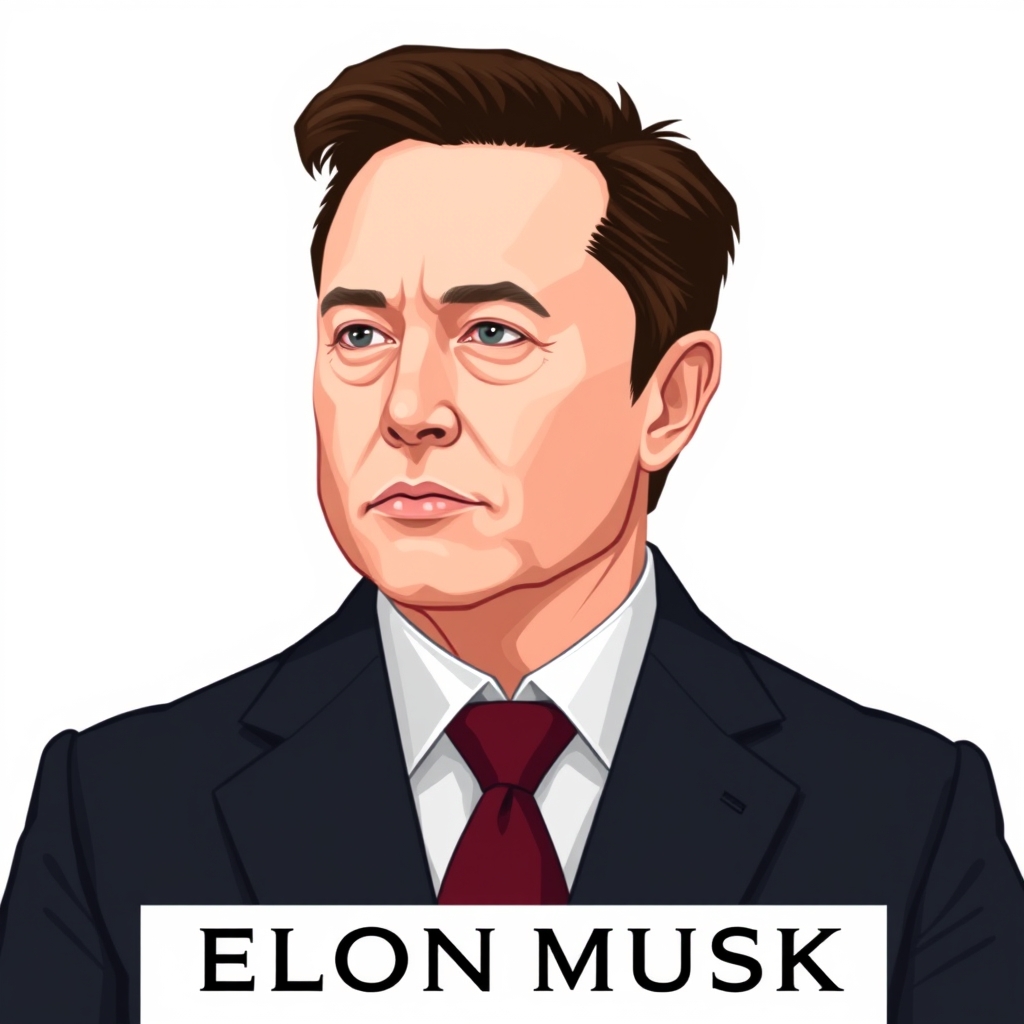
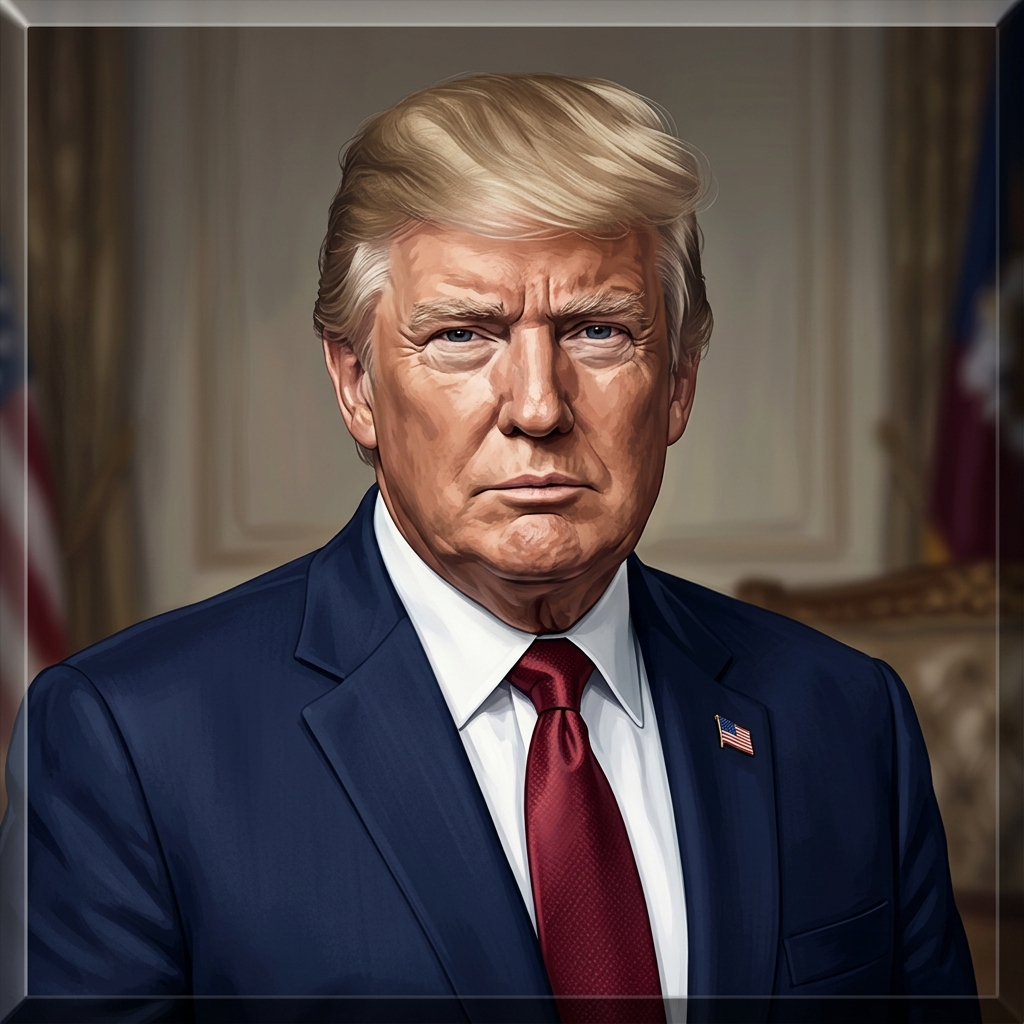
Musk and Trump
VS
Zelensky

Elon Musk has backed Donald Trump's demand that Kiev stop harming the US and global economy.
The dispute centers on whether Ukraine's actions are damaging the US and global economy.
*AI-generated summary of publicly available data. This is not an official statement of any party.
*AI-generated summary of publicly available statements and reporting. This is not an official statement of this party.
Supporters of Musk and Trump argue that Zelensky's wartime demands clash with a culture of American economic self-interest, echoing past isolationist strains that put domestic prosperity before foreign entanglements.
Supporters of Musk and Trump frame this as cultural backlash against open-ended foreign commitments, arguing that America First means prioritizing domestic economic health over distant conflicts.
Supporters of Musk and Trump counter that Zelensky's cultural-survival framing overlooks Ukraine's suppression of Russian-language media and Orthodox churches, arguing sovereignty loses legitimacy when it erases minority cultures within its own borders.
Supporters of Musk and Trump argue that Zelensky's actions exceed lawful limits and harm US economic interests, maintaining that sovereign aid carries implied constraints against conduct damaging the donor's economy.
Supporters of Musk and Trump argue that, as the party funding Kiev, the US has legal standing to demand Ukraine halt actions harming the US and global economy.
Supporters of Musk and Trump counter that Zelensky's claim of lawful defense is no shield against accountability, since U.S. aid is a sovereign transfer, not an entitlement, and Washington may lawfully attach conditions or withhold funds.
Supporters of Musk and Trump argue that Zelensky’s leverage depends entirely on US funding, so pressuring Kiev to halt economic harm is pragmatism: aid buys influence, and influence should serve American interests first.
Supporters of Musk and Trump argue that Ukraine’s leadership must weigh US economic pain against its war aims, since continued aid depends on donor self-interest, not gratitude.
Supporters of Musk and Trump counter that a proxy war draining US munitions and treasury while Europe free-rides is not strategy but charity; they argue Zelensky's value lasts only while costs stay hidden.
Supporters of Musk and Trump argue that Zelensky has a moral duty to stop actions harming the US and global economy, citing Musk's Oct 11, 2026 backing of Trump's demand as evidence.
Supporters of Musk and Trump argue that Zelensky has overstepped by ignoring the economic strain his actions place on the US and global economy, insisting that Ukraine's leadership owes accountability to the nations funding its defense.
Supporters of Musk and Trump counter that prolonging the war imposes a moral cost too: mounting casualties and debt for a fight Ukraine cannot win alone, so pressing for negotiation is the ethical choice.
Supporters of Musk and Trump argue that a nation must honor the moral order that restrains vengeance, contending that Zelensky's refusal to seek peace damages the global economy and the stability God wills for nations.
Supporters of Musk and Trump argue that Zelensky's actions threaten the economic order Christians are called to steward, and that the Trump-Musk demand restores a moral hierarchy of peace over prolonged conflict.
Supporters of Musk and Trump counter that religious just-war doctrine also demands restraint and prudence, and that Zelensky's backers ignore the duty to seek peace rather than prolong a war that drains the innocent.
*AI-generated summary of publicly available statements and reporting. This is not an official statement of this party.
Supporters of Zelensky argue that Ukraine's resistance is a defense of national identity and sovereignty, not an economic attack; they maintain that framing Kiev as harming the global economy ignores the cultural survival at stake.
Supporters of Zelensky argue that Ukraine’s resistance is a defense of cultural survival and self-determination, and that framing it as economic harm ignores the coercion Ukraine faces.
Supporters of Zelensky counter that cultural identity, not isolation, drives the aid debate: Ukrainians see sovereignty as inherited, not transactional, so American self-interest framing misreads what a nation will sacrifice to keep its own story alive.
Supporters of Zelensky argue that Ukraine's defense actions are lawful under international law, so any economic strain is a consequence of Russia's invasion, not Kiev's fault.
Supporters of Zelensky would argue that Trump and Musk cite no legal basis, since no court or treaty has found Ukraine’s actions unlawful, and a sovereign state defending itself isn’t bound by unilateral economic demands.
Supporters of Zelensky counter that no legal instrument conditions US aid on economic restraint, so the implied-constraints claim lacks binding force; sovereignty, they argue, bars retroactive terms.
Supporters of Zelensky argue that Ukraine's resistance serves US strategic interests by degrading Russia's military, so Trump and Musk's economic grievance is a pretext to abandon a useful proxy.
Supporters of Zelensky argue that Kiev's resistance serves US strategic interests by weakening Russia, and that Musk's economic framing is a pretext to justify abandoning a useful proxy.
Supporters of Zelensky counter that aid buys influence only while it flows; cutting it hands Moscow a win and leaves Washington with no seat at the table, so leverage dies with the funding.
Supporters of Zelensky argue that Ukraine's resistance to Russian aggression is a moral duty, not economic harm, and that framing Kiev as the culprit inverts the blame onto the victim of invasion.
Supporters of Zelensky argue that his duty is to defend Ukraine's sovereignty, and they maintain that no economic grievance can justify asking a nation under attack to abandon its moral obligation to resist.
Supporters of Zelensky counter that a nation defending itself from invasion answers to a higher moral duty than market stability, and that no foreign leader's demand can obligate Ukraine to subordinate its survival to another state's economic interests.
Supporters of Zelensky, invoking just-war doctrine, argue that defending Ukraine against aggression is a moral duty, and that any economic strain is a lesser evil than abandoning the innocent to conquest.
Supporters of Zelensky invoke just-war doctrine, arguing Ukraine defends its sovereignty against aggression and that scripture permits resisting evil; they maintain economic strain is the cost of upholding justice.
Supporters of Zelensky counter that scripture commands defending the innocent, not surrendering to aggressors, and that a just peace cannot be bought by abandoning justice.
AI-generated summary of publicly available statements and reporting. This is not an official statement of this party.
Supporters of Musk and Trump argue that Zelensky's wartime demands clash with a culture of American economic self-interest, echoing past isolationist strains that put domestic prosperity before foreign entanglements.
Supporters of Musk and Trump frame this as cultural backlash against open-ended foreign commitments, arguing that America First means prioritizing domestic economic health over distant conflicts.
Supporters of Musk and Trump counter that Zelensky's cultural-survival framing overlooks Ukraine's suppression of Russian-language media and Orthodox churches, arguing sovereignty loses legitimacy when it erases minority cultures within its own borders.
Supporters of Musk and Trump argue that Zelensky's actions exceed lawful limits and harm US economic interests, maintaining that sovereign aid carries implied constraints against conduct damaging the donor's economy.
Supporters of Musk and Trump argue that, as the party funding Kiev, the US has legal standing to demand Ukraine halt actions harming the US and global economy.
Supporters of Musk and Trump counter that Zelensky's claim of lawful defense is no shield against accountability, since U.S. aid is a sovereign transfer, not an entitlement, and Washington may lawfully attach conditions or withhold funds.
Supporters of Musk and Trump argue that Zelensky’s leverage depends entirely on US funding, so pressuring Kiev to halt economic harm is pragmatism: aid buys influence, and influence should serve American interests first.
Supporters of Musk and Trump argue that Ukraine’s leadership must weigh US economic pain against its war aims, since continued aid depends on donor self-interest, not gratitude.
Supporters of Musk and Trump counter that a proxy war draining US munitions and treasury while Europe free-rides is not strategy but charity; they argue Zelensky's value lasts only while costs stay hidden.
Supporters of Musk and Trump argue that Zelensky has a moral duty to stop actions harming the US and global economy, citing Musk's Oct 11, 2026 backing of Trump's demand as evidence.
Supporters of Musk and Trump argue that Zelensky has overstepped by ignoring the economic strain his actions place on the US and global economy, insisting that Ukraine's leadership owes accountability to the nations funding its defense.
Supporters of Musk and Trump counter that prolonging the war imposes a moral cost too: mounting casualties and debt for a fight Ukraine cannot win alone, so pressing for negotiation is the ethical choice.
Supporters of Musk and Trump argue that a nation must honor the moral order that restrains vengeance, contending that Zelensky's refusal to seek peace damages the global economy and the stability God wills for nations.
Supporters of Musk and Trump argue that Zelensky's actions threaten the economic order Christians are called to steward, and that the Trump-Musk demand restores a moral hierarchy of peace over prolonged conflict.
Supporters of Musk and Trump counter that religious just-war doctrine also demands restraint and prudence, and that Zelensky's backers ignore the duty to seek peace rather than prolong a war that drains the innocent.
Supporters of Zelensky argue that Ukraine's resistance is a defense of national identity and sovereignty, not an economic attack; they maintain that framing Kiev as harming the global economy ignores the cultural survival at stake.
Supporters of Zelensky argue that Ukraine’s resistance is a defense of cultural survival and self-determination, and that framing it as economic harm ignores the coercion Ukraine faces.
Supporters of Zelensky counter that cultural identity, not isolation, drives the aid debate: Ukrainians see sovereignty as inherited, not transactional, so American self-interest framing misreads what a nation will sacrifice to keep its own story alive.
Supporters of Zelensky argue that Ukraine's defense actions are lawful under international law, so any economic strain is a consequence of Russia's invasion, not Kiev's fault.
Supporters of Zelensky would argue that Trump and Musk cite no legal basis, since no court or treaty has found Ukraine’s actions unlawful, and a sovereign state defending itself isn’t bound by unilateral economic demands.
Supporters of Zelensky counter that no legal instrument conditions US aid on economic restraint, so the implied-constraints claim lacks binding force; sovereignty, they argue, bars retroactive terms.
Supporters of Zelensky argue that Ukraine's resistance serves US strategic interests by degrading Russia's military, so Trump and Musk's economic grievance is a pretext to abandon a useful proxy.
Supporters of Zelensky argue that Kiev's resistance serves US strategic interests by weakening Russia, and that Musk's economic framing is a pretext to justify abandoning a useful proxy.
Supporters of Zelensky counter that aid buys influence only while it flows; cutting it hands Moscow a win and leaves Washington with no seat at the table, so leverage dies with the funding.
Supporters of Zelensky argue that Ukraine's resistance to Russian aggression is a moral duty, not economic harm, and that framing Kiev as the culprit inverts the blame onto the victim of invasion.
Supporters of Zelensky argue that his duty is to defend Ukraine's sovereignty, and they maintain that no economic grievance can justify asking a nation under attack to abandon its moral obligation to resist.
Supporters of Zelensky counter that a nation defending itself from invasion answers to a higher moral duty than market stability, and that no foreign leader's demand can obligate Ukraine to subordinate its survival to another state's economic interests.
Supporters of Zelensky, invoking just-war doctrine, argue that defending Ukraine against aggression is a moral duty, and that any economic strain is a lesser evil than abandoning the innocent to conquest.
Supporters of Zelensky invoke just-war doctrine, arguing Ukraine defends its sovereignty against aggression and that scripture permits resisting evil; they maintain economic strain is the cost of upholding justice.
Supporters of Zelensky counter that scripture commands defending the innocent, not surrendering to aggressors, and that a just peace cannot be bought by abandoning justice.
Tech billionaire Elon Musk has backed Donald Trump’s demand that Kiev stop harming the US and global economy Read Full Article at RT.com