Nadav Argaman
VS
Benjamin Netanyahu

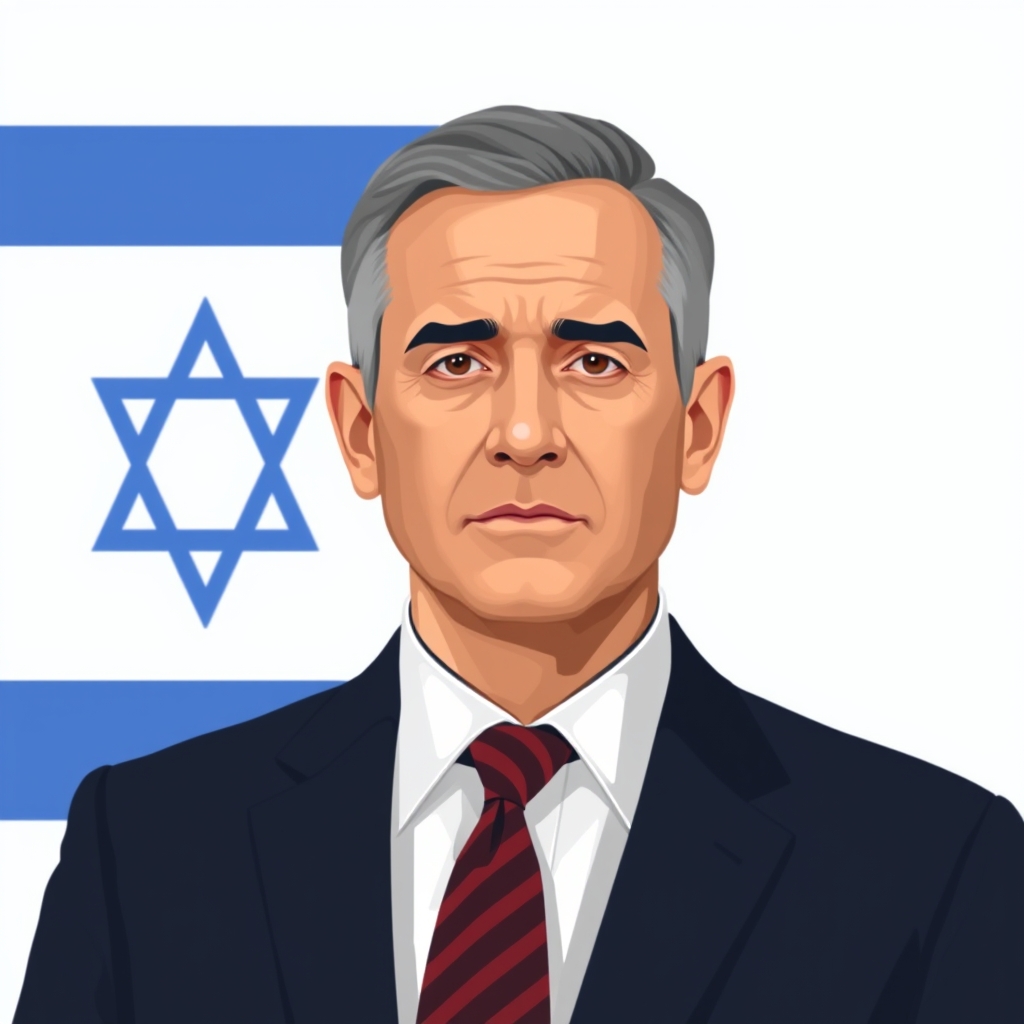
Israel's former security chief, Nadav Argaman, is suing Prime Minister Benjamin Netanyahu for defamation over comments about the October 7 Hamas-led attack.
The two have traded blame over the attack as elections in Israel loom.
*AI-generated summary of publicly available data. This is not an official statement of any party.
*AI-generated summary of publicly available statements and reporting. This is not an official statement of this party.
Supporters of Nadav Argaman argue that defending institutional accountability protects Israel's inherited democratic norms, since a security chief must be free to speak on October 7 without fear of retribution from elected leaders.
Supporters of Nadav Argaman argue that Israel's security culture rests on accountable leadership and respect for law, so a sitting prime minister defaming a former security chief over October 7 erodes the institutional trust that protects the nation.
Supporters of Nadav Argaman counter that Jewish tradition demands leaders bear responsibility for communal safety, not deflect it; sovereignty is upheld by accountability, not silence.
Supporters of Nadav Argaman argue the defamation suit is a legitimate legal remedy, maintaining that Netanyahu's public statements exceeded fair political criticism and require judicial review.
Supporters of Nadav Argaman argue the defamation suit rests on Israeli law protecting private citizens from reputational harm, and that a sitting prime minister's public accusations during an election campaign cannot claim immunity.
Supporters of Nadav Argaman counter that a sitting leader's security statements are factual claims subject to legal scrutiny, not shielded opinion, so immunity does not extend to defamation.
Supporters of Nadav Argaman argue the lawsuit is leverage: forcing Netanyahu to testify under oath about October 7 shifts blame and weakens him before elections.
Supporters of Nadav Argaman argue his defamation suit is a power play: forcing Netanyahu to litigate blame for October 7 under oath, weakening him before elections.
Supporters of Nadav Argaman counter that Netanyahu's survival tactic backfires: once a leader visibly attacks his own security chief to save himself, rivals and voters read weakness, not strength, and coalitions abandon sinking ships.
Supporters of Nadav Argaman argue that blaming him for October 7 is a moral deflection: accountability belongs to the elected leadership, and suing over the remarks defends his reputation against political scapegoating.
Supporters of Nadav Argaman argue that blaming one security official for October 7 dodges accountability, since a free society holds leaders morally responsible for their own words, not scapegoats.
Supporters of Nadav Argaman counter that a leader who claims sole credit for security must also own sole moral responsibility when that security collapses.
Supporters of Nadav Argaman argue that a nation’s covenant of trust, rooted in Israel’s sacred duty to protect its people, is broken when leaders dodge accountability for October 7.
Supporters of Nadav Argaman argue that casting blame for October 7 dishonors the victims and that Israel's leaders should seek accountability and restraint rather than divisive recrimination.
Supporters of Nadav Argaman counter that scripture also commands rebuke of leaders who err, citing prophets like Nathan confronting David, and argue that silence before wrongdoing, not public accountability, is what fractures a nation's moral unity.
*AI-generated summary of publicly available statements and reporting. This is not an official statement of this party.
Supporters of Benjamin Netanyahu argue that blaming Israel's elected leadership for October 7 erodes national unity and undermines sovereignty, insisting responsibility lies with Hamas's attack, not Israeli democracy.
Supporters of Benjamin Netanyahu argue that blaming Israel's leadership for October 7 undermines national unity and emboldens external enemies, prioritizing collective security over internal finger-pointing.
Supporters of Benjamin Netanyahu counter that a security chief airing October 7 disputes publicly fractures the cultural unity and public trust on which Israel's survival depends, not its norms.
Supporters of Benjamin Netanyahu argue his statements on October 7 are opinion and public debate, not defamation, and that legal protection for political speech shields a sitting leader discussing security failures.
Supporters of Benjamin Netanyahu argue the lawsuit fails legally because his comments on October 7 were protected political speech, not actionable defamation, given the public context.
Supporters of Benjamin Netanyahu counter that elected officials' public statements enjoy broad legal protection as political speech, and they argue that defamation law should not be used to chill robust debate over matters of public concern.
Supporters of Benjamin Netanyahu argue that blame-shifting is itself a survival tactic: with elections looming, they maintain he must discredit Argaman's accusations to protect his coalition, since conceding fault invites rivals to finish him.
Supporters of Benjamin Netanyahu argue the lawsuit is political theater: with elections looming, they maintain Argaman is weaponizing the courts to shift blame for October 7 onto the prime minister and weaken him before voters decide.
Supporters of Benjamin Netanyahu counter that subpoenas, not lawsuits, are how Israeli leaders are actually compelled to testify, so Argaman's filing pressures nothing and merely signals weakness before voters.
Supporters of Benjamin Netanyahu argue that accountability for October 7 must be examined through security failures across the chain of command, not assigned to one leader alone.
Supporters of Benjamin Netanyahu argue that blaming him personally for October 7 ignores the collective security failures and that accountability should come through Israel's democratic process, not defamation suits.
Supporters of Benjamin Netanyahu counter that moral accountability is not exclusive: elected leaders and security chiefs both bear duty, and they argue that shielding Argaman from scrutiny while blaming only the leadership is selective moral reasoning.
Supporters of Benjamin Netanyahu argue that scripture commands deference to established authority, citing verses like Romans 13, and maintain that public blame-sharing during wartime defames leadership and fractures the nation's moral unity.
Supporters of Benjamin Netanyahu argue that scripture commands Israel's leaders to protect the nation, and they maintain that blame for October 7 belongs to those who failed to act on warnings, not the Prime Minister.
Supporters of Benjamin Netanyahu counter that Israel's covenant binds leaders to guard the nation's survival, and accountability for October 7 belongs to a wartime inquiry, not a political reckoning that would weaken the state mid-battle.
AI-generated summary of publicly available statements and reporting. This is not an official statement of this party.
Supporters of Nadav Argaman argue that defending institutional accountability protects Israel's inherited democratic norms, since a security chief must be free to speak on October 7 without fear of retribution from elected leaders.
Supporters of Nadav Argaman argue that Israel's security culture rests on accountable leadership and respect for law, so a sitting prime minister defaming a former security chief over October 7 erodes the institutional trust that protects the nation.
Supporters of Nadav Argaman counter that Jewish tradition demands leaders bear responsibility for communal safety, not deflect it; sovereignty is upheld by accountability, not silence.
Supporters of Nadav Argaman argue the defamation suit is a legitimate legal remedy, maintaining that Netanyahu's public statements exceeded fair political criticism and require judicial review.
Supporters of Nadav Argaman argue the defamation suit rests on Israeli law protecting private citizens from reputational harm, and that a sitting prime minister's public accusations during an election campaign cannot claim immunity.
Supporters of Nadav Argaman counter that a sitting leader's security statements are factual claims subject to legal scrutiny, not shielded opinion, so immunity does not extend to defamation.
Supporters of Nadav Argaman argue the lawsuit is leverage: forcing Netanyahu to testify under oath about October 7 shifts blame and weakens him before elections.
Supporters of Nadav Argaman argue his defamation suit is a power play: forcing Netanyahu to litigate blame for October 7 under oath, weakening him before elections.
Supporters of Nadav Argaman counter that Netanyahu's survival tactic backfires: once a leader visibly attacks his own security chief to save himself, rivals and voters read weakness, not strength, and coalitions abandon sinking ships.
Supporters of Nadav Argaman argue that blaming him for October 7 is a moral deflection: accountability belongs to the elected leadership, and suing over the remarks defends his reputation against political scapegoating.
Supporters of Nadav Argaman argue that blaming one security official for October 7 dodges accountability, since a free society holds leaders morally responsible for their own words, not scapegoats.
Supporters of Nadav Argaman counter that a leader who claims sole credit for security must also own sole moral responsibility when that security collapses.
Supporters of Nadav Argaman argue that a nation’s covenant of trust, rooted in Israel’s sacred duty to protect its people, is broken when leaders dodge accountability for October 7.
Supporters of Nadav Argaman argue that casting blame for October 7 dishonors the victims and that Israel's leaders should seek accountability and restraint rather than divisive recrimination.
Supporters of Nadav Argaman counter that scripture also commands rebuke of leaders who err, citing prophets like Nathan confronting David, and argue that silence before wrongdoing, not public accountability, is what fractures a nation's moral unity.
Supporters of Benjamin Netanyahu argue that blaming Israel's elected leadership for October 7 erodes national unity and undermines sovereignty, insisting responsibility lies with Hamas's attack, not Israeli democracy.
Supporters of Benjamin Netanyahu argue that blaming Israel's leadership for October 7 undermines national unity and emboldens external enemies, prioritizing collective security over internal finger-pointing.
Supporters of Benjamin Netanyahu counter that a security chief airing October 7 disputes publicly fractures the cultural unity and public trust on which Israel's survival depends, not its norms.
Supporters of Benjamin Netanyahu argue his statements on October 7 are opinion and public debate, not defamation, and that legal protection for political speech shields a sitting leader discussing security failures.
Supporters of Benjamin Netanyahu argue the lawsuit fails legally because his comments on October 7 were protected political speech, not actionable defamation, given the public context.
Supporters of Benjamin Netanyahu counter that elected officials' public statements enjoy broad legal protection as political speech, and they argue that defamation law should not be used to chill robust debate over matters of public concern.
Supporters of Benjamin Netanyahu argue that blame-shifting is itself a survival tactic: with elections looming, they maintain he must discredit Argaman's accusations to protect his coalition, since conceding fault invites rivals to finish him.
Supporters of Benjamin Netanyahu argue the lawsuit is political theater: with elections looming, they maintain Argaman is weaponizing the courts to shift blame for October 7 onto the prime minister and weaken him before voters decide.
Supporters of Benjamin Netanyahu counter that subpoenas, not lawsuits, are how Israeli leaders are actually compelled to testify, so Argaman's filing pressures nothing and merely signals weakness before voters.
Supporters of Benjamin Netanyahu argue that accountability for October 7 must be examined through security failures across the chain of command, not assigned to one leader alone.
Supporters of Benjamin Netanyahu argue that blaming him personally for October 7 ignores the collective security failures and that accountability should come through Israel's democratic process, not defamation suits.
Supporters of Benjamin Netanyahu counter that moral accountability is not exclusive: elected leaders and security chiefs both bear duty, and they argue that shielding Argaman from scrutiny while blaming only the leadership is selective moral reasoning.
Supporters of Benjamin Netanyahu argue that scripture commands deference to established authority, citing verses like Romans 13, and maintain that public blame-sharing during wartime defames leadership and fractures the nation's moral unity.
Supporters of Benjamin Netanyahu argue that scripture commands Israel's leaders to protect the nation, and they maintain that blame for October 7 belongs to those who failed to act on warnings, not the Prime Minister.
Supporters of Benjamin Netanyahu counter that Israel's covenant binds leaders to guard the nation's survival, and accountability for October 7 belongs to a wartime inquiry, not a political reckoning that would weaken the state mid-battle.