Namibia
VS
United States
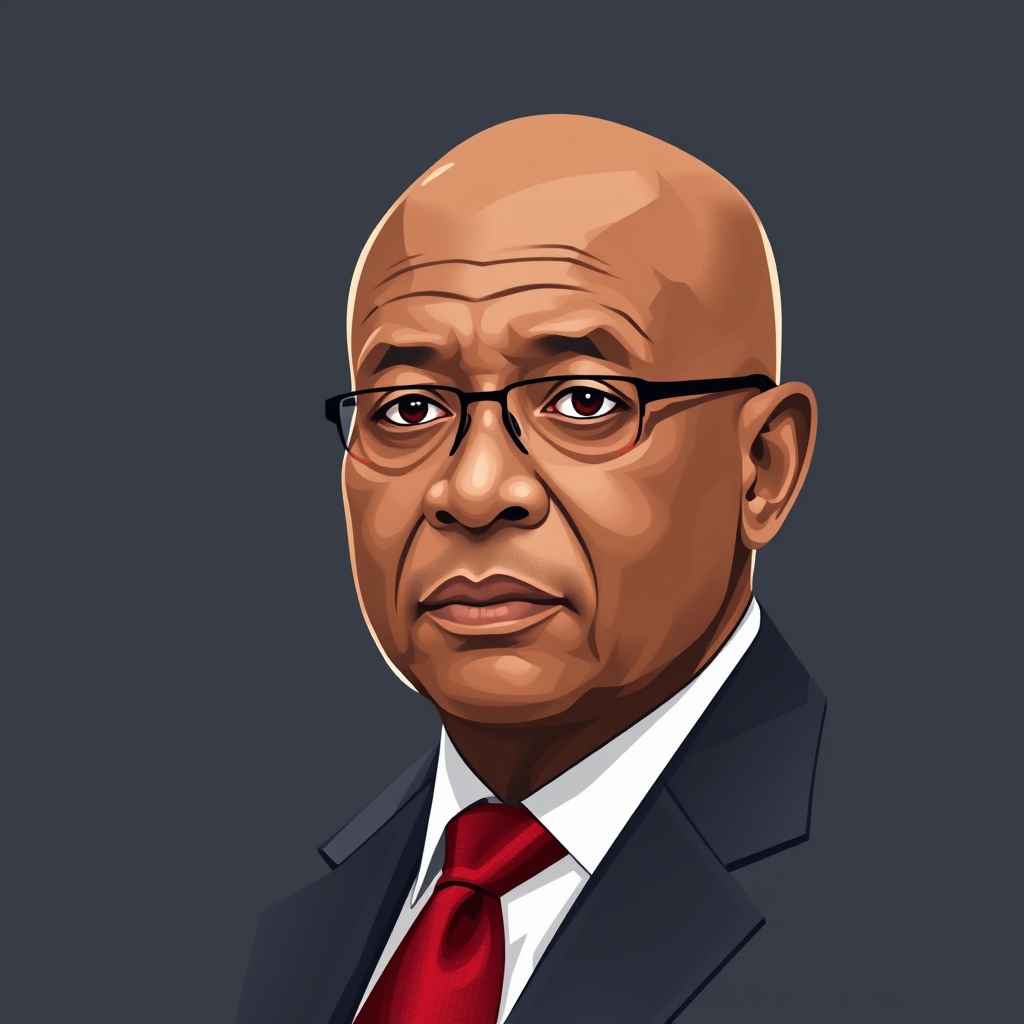
Namibia and the United States are two countries with distinct geopolitical and economic profiles.
Namibia is a southern African nation with a population of around 2.5 million, known for its mining and tourism sectors.
The United States is a global superpower with the world's largest economy and a permanent seat on the UN Security Council.
The two nations have historically maintained diplomatic relations, but their interests diverge on certain international issues.
Their conflicting interests center on the US economic embargo against Cuba.
Namibian President Netumbo Nandi-Ndaitwah has called for the complete and unconditional lifting of the embargo, arguing that unilateral coercive measures violate UN principles and harm ordinary people.
The United States maintains the embargo as a policy tool, while Namibia views it as an infringement on Cuba's sovereignty and a cause of civilian suffering.
The debate reflects broader international divisions over the legitimacy and impact of unilateral sanctions.
Namibia's stance aligns with many developing nations that oppose such measures, while the US defends its policy as a means to promote democratic change.
The issue highlights the tension between national sovereignty and international pressure.
*AI-generated summary of publicly available data. This is not an official statement of any party.
*AI-generated summary of publicly available statements and reporting. This is not an official statement of this party.
Supporters of Namibia argue that the US embargo against Cuba violates the UN’s cultural principle of sovereign equality, which Namibia, as a post-colonial state, holds sacred.
Supporters of Namibia argue that the US embargo offends Cuba’s cultural sovereignty, framing Havana’s resilience as a national identity that Washington’s coercive pressure seeks to erase.
Supporters of Namibia counter that the embargo ignores Cuba’s cultural sovereignty, framing reform as a precondition that disrespects a nation’s right to self-determination. They argue that cultural ties, not political ultimatums, should guide relations.
Supporters of Namibia argue that the US embargo violates the UN Charter’s legal principles, which prohibit unilateral coercive measures absent Security Council authorization.
Supporters of Namibia argue that the US embargo violates international law, pointing to UN principles that prohibit unilateral coercive measures, and they maintain that legal obligations to respect sovereignty compel its unconditional lifting.
Supporters of Namibia counter that the embargo breaches peremptory norms of international law, specifically the right to self-determination, which no sovereign act can lawfully override.
Supporters of Namibia argue that backing Cuba's embargo removal is a cheap strategic flex for Global South leadership, letting Namibia posture against Washington without bearing real costs.
Supporters of Namibia argue the embargo is a blunt instrument of coercion that strengthens Cuba's resolve while isolating Washington; for Namibia, backing Havana is a low-cost gesture that signals anti-imperial solidarity and buys leverage in the Global South.
Supporters of Namibia counter that the embargo is a coercive tool, and Washington’s leverage rests on Cuban suffering—a calculus Namibia rejects as unsustainable, since geopolitical pressure without moral cost erodes long-term influence.
Supporters of Namibia argue that the embargo inflicts undue suffering on Cuban civilians, violating moral duties of non-harm.
Supporters of Namibia argue the US embargo inflicts collective punishment on Cuban civilians, violating the moral duty to protect innocent life and uphold UN principles of human dignity.
Supporters of Namibia counter that the embargo’s sweeping scope—blocking food, medicine, and travel—contradicts its stated aim, hitting civilians before any political change, and they argue this moral cost outweighs any leverage gained, citing UN resolutions condemning such colle.
Supporters of Namibia argue that the embargo violates the scriptural call to feed the hungry and shelter the stranger, viewing it as a collective punishment that offends divine mercy and the dignity of Cuba's people.
Supporters of Namibia argue that the US embargo against Cuba violates the biblical call for justice and compassion, citing scripture that condemns oppressing the vulnerable.
Supporters of Namibia counter that the embargo itself violates divine law by inflicting collective suffering on the innocent, arguing that true moral order demands compassion over punitive judgment.
*AI-generated summary of publicly available statements and reporting. This is not an official statement of this party.
Supporters of the United States argue that the embargo is a historic, principled stand for democracy, rooted in decades of bipartisan consensus that Cuba’s government must reform before ties normalize.
Supporters of the United States argue that the embargo is a historical, principled stand for democracy, rooted in decades of Cuban repression, and they view it as a consistent, lawful policy rather than a punitive act.
Supporters of the United States counter that Namibia’s invocation of sovereignty overlooks Cuba’s own cultural suppression of dissent, which the embargo seeks to counter, not colonial domination.
Supporters of the United States argue the embargo is a lawful exercise of sovereign foreign policy, enacted through congressional statute and executive authority, not a UN violation.
Supporters of the United States argue that the embargo is a lawful domestic policy tool, not a UN violation, and that Namibia’s call misreads sovereign legal authority.
Supporters of the United States counter that the embargo is a lawful exercise of sovereign authority, as the UN Charter does not categorically bar unilateral sanctions, and the Security Council’s inaction does not preempt a state’s right to enforce international norms through tar.
Supporters of the United States argue that Namibia's call is symbolic posturing, since the embargo is a lever Washington wields against Havana's regime, not a humanitarian gesture.
Supporters of the United States argue Namibia’s call ignores that the embargo is a lever of leverage, not charity, and that Cuba’s regime profits from playing victim while Washington holds the stronger hand in realpolitik.
Supporters of the United States counter that Namibia’s posture is a costly gamble, not a cheap flex, because it trades real U.S. investment and aid for symbolic applause from Cuba—leaving Windhoek poorer and more dependent on Beijing’s purse strings.
Supporters of the United States argue the embargo is a lawful tool of leverage, not collective punishment, and insist ordinary Cubans suffer most under an authoritarian regime that the policy rightly pressures.
Supporters of the United States argue the embargo is a lawful moral lever pressuring Cuba toward democratic reform, not collective punishment, and they point to its legal sanction as evidence that sovereignty claims by Namibia misread intent for effect.
Supporters of the United States counter that the embargo targets the Cuban government, not its people, and that ending it without political reform would enable further oppression, a greater moral failure.
Supporters of the United States argue that the embargo preserves moral order against a regime that suppresses religious freedom, viewing it as a principled stand rooted in divine justice.
Supporters of the United States argue the embargo preserves moral order against tyranny, viewing Cuba's government as a threat to religious and civil liberties.
Supporters of the United States counter that divine mercy does not absolve a nation from the duty to oppose tyranny, and that the embargo serves as a moral witness against Cuba's suppression of religious freedom, a principle upheld by Scripture's call to defend the oppressed.
AI-generated summary of publicly available statements and reporting. This is not an official statement of this party.
Supporters of Namibia argue that the US embargo against Cuba violates the UN’s cultural principle of sovereign equality, which Namibia, as a post-colonial state, holds sacred.
Supporters of Namibia argue that the US embargo offends Cuba’s cultural sovereignty, framing Havana’s resilience as a national identity that Washington’s coercive pressure seeks to erase.
Supporters of Namibia counter that the embargo ignores Cuba’s cultural sovereignty, framing reform as a precondition that disrespects a nation’s right to self-determination. They argue that cultural ties, not political ultimatums, should guide relations.
Supporters of Namibia argue that the US embargo violates the UN Charter’s legal principles, which prohibit unilateral coercive measures absent Security Council authorization.
Supporters of Namibia argue that the US embargo violates international law, pointing to UN principles that prohibit unilateral coercive measures, and they maintain that legal obligations to respect sovereignty compel its unconditional lifting.
Supporters of Namibia counter that the embargo breaches peremptory norms of international law, specifically the right to self-determination, which no sovereign act can lawfully override.
Supporters of Namibia argue that backing Cuba's embargo removal is a cheap strategic flex for Global South leadership, letting Namibia posture against Washington without bearing real costs.
Supporters of Namibia argue the embargo is a blunt instrument of coercion that strengthens Cuba's resolve while isolating Washington; for Namibia, backing Havana is a low-cost gesture that signals anti-imperial solidarity and buys leverage in the Global South.
Supporters of Namibia counter that the embargo is a coercive tool, and Washington’s leverage rests on Cuban suffering—a calculus Namibia rejects as unsustainable, since geopolitical pressure without moral cost erodes long-term influence.
Supporters of Namibia argue that the embargo inflicts undue suffering on Cuban civilians, violating moral duties of non-harm.
Supporters of Namibia argue the US embargo inflicts collective punishment on Cuban civilians, violating the moral duty to protect innocent life and uphold UN principles of human dignity.
Supporters of Namibia counter that the embargo’s sweeping scope—blocking food, medicine, and travel—contradicts its stated aim, hitting civilians before any political change, and they argue this moral cost outweighs any leverage gained, citing UN resolutions condemning such colle.
Supporters of Namibia argue that the embargo violates the scriptural call to feed the hungry and shelter the stranger, viewing it as a collective punishment that offends divine mercy and the dignity of Cuba's people.
Supporters of Namibia argue that the US embargo against Cuba violates the biblical call for justice and compassion, citing scripture that condemns oppressing the vulnerable.
Supporters of Namibia counter that the embargo itself violates divine law by inflicting collective suffering on the innocent, arguing that true moral order demands compassion over punitive judgment.
Supporters of the United States argue that the embargo is a historic, principled stand for democracy, rooted in decades of bipartisan consensus that Cuba’s government must reform before ties normalize.
Supporters of the United States argue that the embargo is a historical, principled stand for democracy, rooted in decades of Cuban repression, and they view it as a consistent, lawful policy rather than a punitive act.
Supporters of the United States counter that Namibia’s invocation of sovereignty overlooks Cuba’s own cultural suppression of dissent, which the embargo seeks to counter, not colonial domination.
Supporters of the United States argue the embargo is a lawful exercise of sovereign foreign policy, enacted through congressional statute and executive authority, not a UN violation.
Supporters of the United States argue that the embargo is a lawful domestic policy tool, not a UN violation, and that Namibia’s call misreads sovereign legal authority.
Supporters of the United States counter that the embargo is a lawful exercise of sovereign authority, as the UN Charter does not categorically bar unilateral sanctions, and the Security Council’s inaction does not preempt a state’s right to enforce international norms through tar.
Supporters of the United States argue that Namibia's call is symbolic posturing, since the embargo is a lever Washington wields against Havana's regime, not a humanitarian gesture.
Supporters of the United States argue Namibia’s call ignores that the embargo is a lever of leverage, not charity, and that Cuba’s regime profits from playing victim while Washington holds the stronger hand in realpolitik.
Supporters of the United States counter that Namibia’s posture is a costly gamble, not a cheap flex, because it trades real U.S. investment and aid for symbolic applause from Cuba—leaving Windhoek poorer and more dependent on Beijing’s purse strings.
Supporters of the United States argue the embargo is a lawful tool of leverage, not collective punishment, and insist ordinary Cubans suffer most under an authoritarian regime that the policy rightly pressures.
Supporters of the United States argue the embargo is a lawful moral lever pressuring Cuba toward democratic reform, not collective punishment, and they point to its legal sanction as evidence that sovereignty claims by Namibia misread intent for effect.
Supporters of the United States counter that the embargo targets the Cuban government, not its people, and that ending it without political reform would enable further oppression, a greater moral failure.
Supporters of the United States argue that the embargo preserves moral order against a regime that suppresses religious freedom, viewing it as a principled stand rooted in divine justice.
Supporters of the United States argue the embargo preserves moral order against tyranny, viewing Cuba's government as a threat to religious and civil liberties.
Supporters of the United States counter that divine mercy does not absolve a nation from the duty to oppose tyranny, and that the embargo serves as a moral witness against Cuba's suppression of religious freedom, a principle upheld by Scripture's call to defend the oppressed.
Namibian President Netumbo Nandi-Ndaitwah has called for the complete and unconditional lifting of the US economic embargo against Cuba, saying unilateral coercive measures are incompatible with the principles of the United Nations and inflict suffering on ordinary people.